
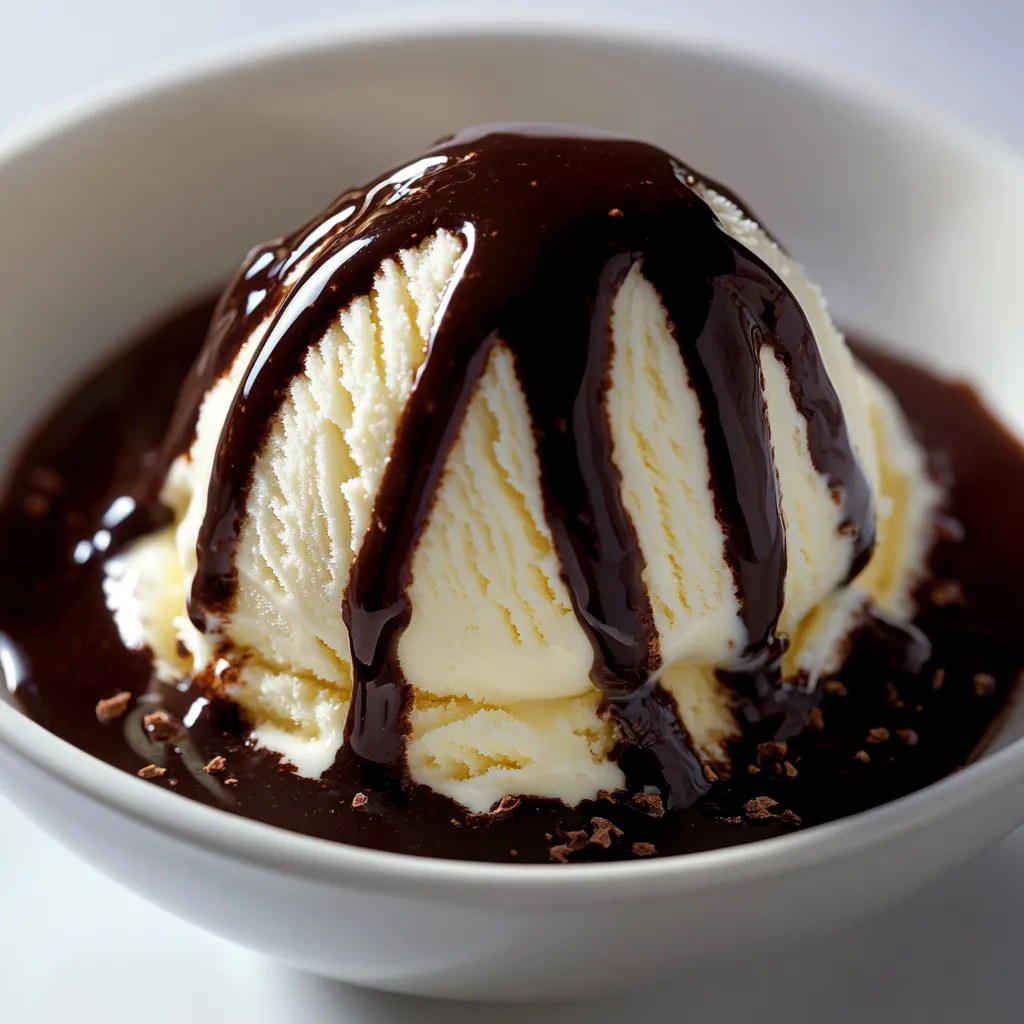
Homemade Chocolate Syrup Recipe
Introduction
Homemade chocolate syrup is a delightful treat that can elevate various desserts and beverages to a whole new level. The richness of the chocolate flavor combined with the ease of preparation makes it an ideal addition to any recipe. Not specified in the recipe is the exact time of year or occasion when this syrup is best served, but its universality makes it suitable for any time. The taste of homemade chocolate syrup is unparalleled, offering a depth of flavor that store-bought alternatives often lack. With its simple ingredients and straightforward preparation, this syrup is a staple that can be enjoyed throughout the year.
The background of this recipe, like many homemade concoctions, stems from the desire to create something pure and untainted by preservatives, offering a genuine chocolate experience. By making chocolate syrup at home, individuals can control the quality of the ingredients, ensuring that only the best goes into their creations. This sense of control and the satisfaction of crafting something with one’s own hands make the endeavor even more rewarding.
Recipe Overview
– Total time: 20 minutes
– Yield/Servings: 2 cups of syrup
– Difficulty: Not specified in the recipe, but described as simple and easy-to-make
Ingredients
– 1 cup of granulated sugar
– 1 cup of water
– 1/2 cup of unsweetened cocoa powder
– 1/4 teaspoon of salt
– 1 tablespoon of vanilla extract (optional)
{{image_ing_1}}
Instructions
1. In a small saucepan, combine sugar, water, and salt. Heat the mixture over medium heat, stirring occasionally, until the sugar is completely dissolved.
2. Bring the mixture to a boil, then reduce the heat to medium-low and let it simmer for approximately 5 minutes.
3. In a separate bowl, whisk together the unsweetened cocoa powder and a small amount of the sugar mixture until smooth and well combined.
4. Add the cocoa mixture back into the saucepan and whisk until everything is well incorporated.
5. Remove the saucepan from the heat and stir in the vanilla extract, if using.
6. Allow the syrup to cool to room temperature before transferring it to an airtight container.
7. To achieve your desired syrup thickness, adjust the cooking time: cook for a shorter time for a thinner syrup or a longer time for a thicker syrup.
Understanding the Ingredients
Breakdown of the Sugar Content
The recipe starts with 1 cup of granulated sugar, which is a crucial component in creating the syrup’s texture and flavor. Sugar not only adds sweetness but also contributes to the syrup’s consistency when dissolved in water and heated.
The Role of Salt in the Recipe
1/4 teaspoon of salt is added to the mixture, which may seem minimal but plays a significant role in balancing the flavor. Salt enhances the richness of the chocolate, creating a more complex and satisfying taste experience.
Optional Use of Vanilla Extract
The inclusion of 1 tablespoon of vanilla extract is optional, allowing the maker to decide whether to add an extra layer of flavor to the syrup. Vanilla extract can complement the chocolate, adding a subtle depth without overpowering it.
Preparing the Saucepan
Selecting the Right Saucepan for the Job
The choice of saucepan is important for the preparation of the chocolate syrup. A small saucepan is recommended, as it allows for better control over the heat and mixture. The material of the saucepan, while not specified, should ideally be something that distributes heat evenly, such as stainless steel or copper, to prevent hot spots.
Combining Initial Ingredients
The process begins with combining sugar, water, and salt in the saucepan. This mixture is the foundation of the syrup, and its preparation sets the stage for the integration of the cocoa powder.
Heating the Mixture to Dissolve Sugar
Heating the mixture over medium heat, stirring occasionally, is crucial for dissolving the sugar completely. This step requires patience, as the goal is to ensure that the sugar is fully dissolved before proceeding, which helps in achieving a smooth syrup.
Achieving the Perfect Boil
Bringing the Mixture to a Boil
After the sugar has dissolved, the mixture is brought to a boil. This step is important, as it marks the transition from a simple sugar solution to the beginning of the syrup’s formation. The boil indicates that the mixture has reached the appropriate temperature for further processing.
Reducing Heat for Simmering
Once the mixture reaches a boil, the heat is reduced to medium-low to allow it to simmer. This reduction in heat is necessary to prevent the mixture from becoming too hot and potentially burning or caramelizing the sugar, which would alter the flavor and texture undesirably.
Simmering Duration and Its Effects
The simmering process lasts for approximately 5 minutes, during which the mixture begins to thicken slightly. The duration of simmering can affect the final consistency of the syrup, with longer simmering times resulting in a thicker syrup and shorter times producing a
{{image_2}}
Combining the Mixtures
Adding the Cocoa Mixture to the Saucepan
Once the cocoa mixture is smooth and well combined, it’s essential to add it to the saucepan with the sugar mixture. This step requires gentle pouring to prevent splashing and to ensure that the mixtures combine evenly. The saucepan should still be over medium-low heat, allowing the mixtures to blend smoothly without the risk of the cocoa powder clumping or separating. The mixture should be whisked constantly to prevent lumps from forming, especially since cocoa powder can be prone to clumping when added to hot liquids.
Whisking for Even Incorporation
Whisking is crucial at this stage to achieve a uniform consistency throughout the syrup. Continuous whisking helps to distribute the cocoa powder evenly, ensuring that the syrup does not have any lumps or sediment. It also aids in preventing the syrup from becoming too thick by ensuring that the heat is evenly distributed. This step should be done patiently, as rushing through it could result in an inconsistent syrup texture. The whisking motion should be smooth and thorough, covering the entire saucepan to incorporate all the ingredients perfectly.
Ensuring a Uniform Consistency
Ensuring a uniform consistency in the syrup is vital for its texture and appearance. The syrup should be smooth and free of lumps, which can be achieved by continuous whisking and simmering the mixture for the specified time. If the syrup starts to thicken too quickly, it might be necessary to adjust the heat to prevent it from becoming too dense. Conversely, if the syrup appears too thin, cooking it for a few more minutes can help achieve the desired consistency. The key is in finding the right balance and monitoring the syrup’s consistency closely as it cooks.
Cooling and Flavoring the Syrup
Removing the Saucepan from Heat
After the mixtures have been fully incorporated and the syrup has simmered for the desired time, it’s crucial to remove the saucepan from the heat. This step halts the cooking process, preventing the syrup from becoming too thick or developing an unpleasant flavor due to overcooking. Removing the saucepan from the heat also prepares the syrup for the addition of any optional flavorings, such as vanilla extract, which can enhance the overall taste of the syrup.
Adding Vanilla Extract for Extra Flavor
The addition of vanilla extract, though optional, can significantly enhance the flavor profile of the homemade chocolate syrup. Vanilla and chocolate are classic flavor combinations that complement each other beautifully, with the vanilla adding a subtle sweetness and depth to the richness of the chocolate. When adding vanilla extract, it’s best to stir it in gently to distribute it evenly throughout the syrup. This step should be done while the syrup is still warm, as this facilitates the blending of flavors.
Allowing the Syrup to Cool
Allowing the syrup to cool to room temperature is an essential step before transferring it to a storage container. Cooling the syrup helps to prevent the growth of bacteria and other microorganisms that thrive in warm, moist environments. It also makes the syrup easier to handle and store, reducing the risk of accidental spills or the buildup of condensation inside the storage container. The cooling process can be accelerated by placing the saucepan in an ice bath or by stirring the syrup occasionally to increase the surface area exposed to the cooler ambient temperature.
Adjusting Syrup Thickness
Understanding the Role of Cooking Time
The thickness of the syrup is primarily determined by the cooking time. Longer cooking times result in thicker syrups, while shorter cooking times yield thinner syrups. Understanding this relationship is crucial for achieving the desired consistency, whether it’s for topping ice cream, pancakes, or using it as a flavor enhancer in desserts. The cooking time can be adjusted based on personal preference, but it’s essential to monitor the syrup closely to avoid overcooking.
Achieving Desired Syrup Consistency
Achieving the desired syrup consistency requires patience and attention to detail. For a thinner syrup, the cooking time should be shorter, and for a thicker syrup, the cooking time should be longer. It’s also important to consider that the syrup will thicken further as it cools, so the desired consistency should be slightly thinner than the final intended texture. If the syrup becomes too thick, it can be thinned out by adding a small amount of water, but this should be done carefully to avoid diluting the flavor.
Tips for Adjusting Cooking Time
Adjusting the cooking time is a matter of trial and error, as the ideal cooking time can vary depending on the heat source, the specific ingredients used, and personal preference. A good starting point is to follow the recipe’s guidelines and then make adjustments based on the syrup’s consistency. It’s also helpful to remember that it’s easier to cook the syrup a bit longer to thicken it than it is to thin out a syrup that has become too thick. Keeping a close eye on the syrup as it cooks and being prepared to adjust the cooking time as needed can help achieve the perfect consistency.
Transf
Homemade Chocolate Syrup Recipe
Ingredients
- 1 cup granulated sugar
- 1 cup water
- ½ cup unsweetened cocoa powder
- ¼ teaspoon salt
- 1 tablespoon vanilla extract
Instructions
- Combine sugar, water, and salt in a small saucepan and heat over medium heat, stirring occasionally, until the sugar is completely dissolved.
- Bring the mixture to a boil, then reduce the heat to medium-low and let it simmer for approximately 5 minutes.
- Whisk together the unsweetened cocoa powder and a small amount of the sugar mixture until smooth and well combined.
- Add the cocoa mixture back into the saucepan and whisk until everything is well incorporated.
- Remove the saucepan from the heat and stir in the vanilla extract, if using.
- Allow the syrup to cool to room temperature before transferring it to an airtight container.
- To achieve your desired syrup thickness, adjust the cooking time: cook for a shorter time for a thinner syrup or a longer time for a thicker syrup.