
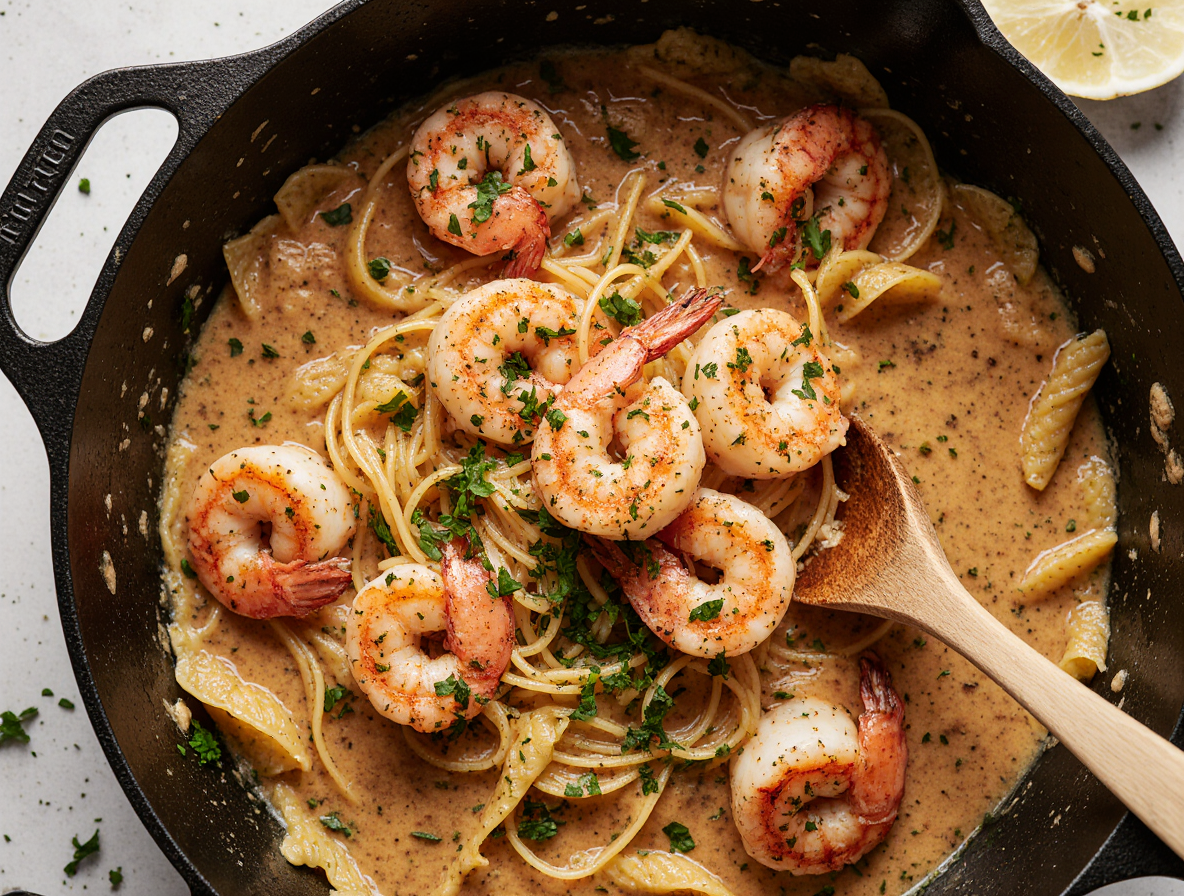
How to Make Restaurant-Style Butter Garlic Shrimp Pasta (Chef’s Secret Method)
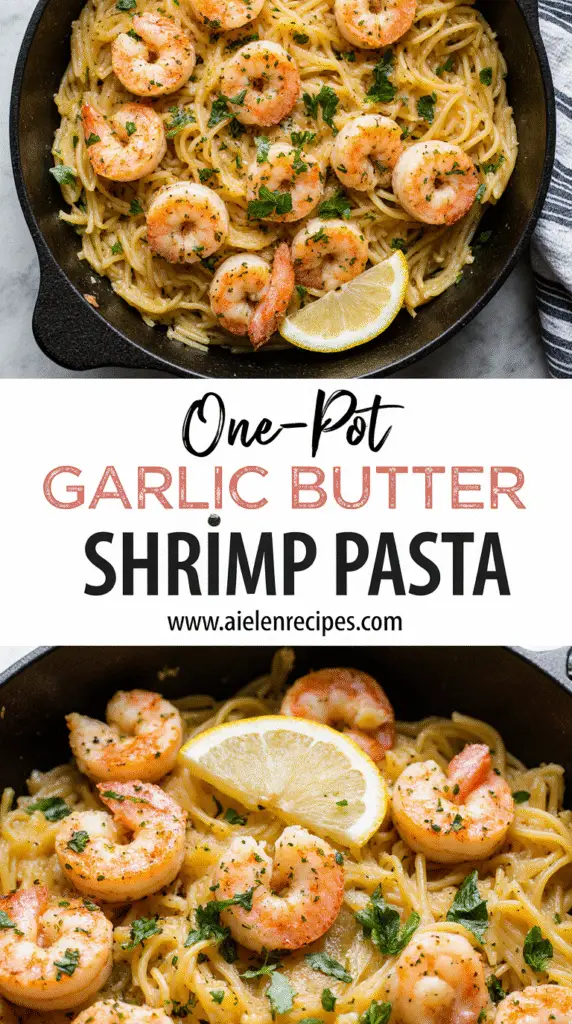
Did you know you can create a restaurant-worthy butter garlic shrimp pasta in just 15-20 minutes? This delicious meal has become my family’s weeknight favorite that I can whip up in as little as 15 minutes.
Shrimp and pasta truly are two ingredients that make it incredibly easy to fall in love with. This creamy, rich-flavored dish features tender shrimp on a bed of perfectly cooked pasta, all brought together with a luscious garlic butter sauce. Additionally, it’s not just quick to prepare but also nutritionally balanced with approximately 446 calories, 44g of carbohydrates, and 32g of protein per serving.
Whether you prefer gluten-free options or classic pasta varieties, I’ve perfected the chef’s secret method to elevate this simple dish to restaurant quality. In fact, this recipe is essentially a delicious play on shrimp scampi that anyone can master at home. Therefore, if you’re looking for an impressive yet easy garlic butter shrimp pasta recipe that never sticks and is simple to clean up, you’re in the right place!
In this guide, I’ll share professional techniques to transform your butter garlic shrimp pasta from good to extraordinary. Let’s dive into the chef’s secrets that make all the difference!
Choosing the Right Ingredients for Garlic Butter Shrimp Pasta
The perfect butter garlic shrimp pasta begins with selecting the right ingredients. The quality of what goes into your pot directly influences what comes out on your plate. Let’s break down the key components that will transform your homemade version into a restaurant-worthy dish.
Best pasta types for this recipe
Long, twirlable pasta shapes excel at capturing the rich garlic butter sauce. Spaghetti stands out as a prime choice for soaking up the buttery sauce. Furthermore, linguine, fettuccine, and angel hair also work exceptionally well. Although short pasta like shells and penne can work in a pinch, they don’t provide the same “slurpy sensation” that makes this dish so satisfying. For the most authentic experience, choose tagliatelle, linguine, or spaghetti that can properly hold and showcase the sauce.
Fresh vs frozen shrimp: what chefs prefer
Surprisingly, professional chefs often reach for frozen shrimp over “fresh” options. Unless you live near the coast with access to genuinely fresh-off-the-boat shrimp, frozen shrimp is typically superior. Most shrimp labeled as “fresh” at supermarkets were previously frozen and thawed by the fishmonger. During thawing, shrimp begin to deteriorate within 24 hours as muscle tissue degrades.
For superior flavor and texture, purchase individually quick-frozen (IQF) shrimp and defrost them just before cooking. Size-wise, extra-large or jumbo shrimp (16-20 per pound) create the most impressive presentation. Wild-caught shrimp generally offer a cleaner, sharper flavor than their farmed counterparts.
Essential ingredients for restaurant-style flavor
Beyond pasta and shrimp, several key ingredients create that distinctive restaurant-quality taste:
- Butter: Unsalted butter gives you control over the sodium level
- Garlic: Fresh garlic cloves rather than pre-minced varieties provide superior flavor
- White wine: Dry varieties like Sauvignon Blanc or Pinot Grigio add complexity (substitute with broth and lemon juice if desired)
- Lemon: Both juice and zest balance the rich sauce with brightness
- Herbs: Fresh parsley is traditional, while basil makes a wonderful alternative
- Cheese: Grated Parmigiano Reggiano or Pecorino Romano for sharpness and depth
The magic of restaurant-style garlic butter shrimp pasta comes from these quality ingredients working harmoniously. Following this guide ensures your homemade version rivals any you’ve enjoyed at upscale restaurants.
Step-by-Step: How to Make Garlic Butter Shrimp Pasta Like a Chef
Creating restaurant-quality butter garlic shrimp pasta relies on mastering chef techniques rather than just following a recipe. Now that we have our ingredients ready, let’s dive into the proper execution that makes all the difference.
1. Clean and prep the shrimp properly
Start by deveining the shrimp—make a shallow cut along the back using a sharp paring knife or kitchen shears. Gently lift out the dark vein (digestive tract) with the knife tip. For shell removal, you have two options: either pull off the legs then pry apart the shell with your thumbs, or cut through the shell along the back with kitchen shears. Pat the shrimp dry with paper towels before cooking—excess moisture prevents proper searing. For presentation, consider whether to leave the tails on or remove them completely.
2. Cook pasta to perfect al dente
Bring a large pot of generously salted water to a boil. Cook pasta according to package directions until firm to the bite—usually 5-7 minutes depending on the type. Most importantly, reserve at least 1 cup of pasta water before draining. This starchy water is crucial for creating a silky, emulsified sauce later. Test pasta by biting through it—there should be a tiny white dot in the center indicating perfect al dente texture.
3. Sauté garlic and build the butter sauce
Heat a large skillet over medium heat. Add butter (and sometimes olive oil) until sizzling but not browning. Subsequently, add minced garlic and red pepper flakes if desired. Cook for only 30 seconds until fragrant—careful not to brown the garlic as it becomes bitter. For depth, many chefs add white wine at this stage, letting it reduce by half to concentrate flavors. Alternatively, lemon juice can provide acidity and brightness to the sauce.
4. Add shrimp and finish the sauce
Place shrimp in a single layer in the hot garlic butter. Cook undisturbed for about 2 minutes until they begin turning pink on one side. Flip each shrimp and continue cooking for just 1-2 minutes more. The shrimp are done when they form a gentle “C” shape—a tight curl indicates overcooking. Remove shrimp temporarily to prevent them from becoming rubbery while finishing the sauce with lemon zest, salt, and pepper.
5. Toss pasta and combine everything
Return the sauce to medium heat and add the drained pasta along with ¼ cup of reserved pasta water. Toss continuously to coat every strand. As a result, the starchy water will emulsify with the butter, creating a silky sauce that clings to the pasta. Add more pasta water as needed if the mixture seems dry. Finally, return the shrimp to the pan, add fresh herbs like parsley, and toss briefly to warm through. Serve immediately for the best texture and flavor.
Pro Tips to Elevate Your Garlic Shrimp Pasta Recipe
The difference between a good butter garlic shrimp pasta and an exceptional one often lies in small yet critical details. These chef-proven techniques will instantly upgrade your homemade version to restaurant quality.
Use pasta water to adjust sauce consistency
Consider pasta water your secret weapon for creating that silky restaurant-style sauce. This starchy liquid acts as a natural thickener and emulsifier. Reserve about 1 cup before draining your pasta. Next, add ¼-⅓ cup of this liquid gold to your sauce, allowing the starch to help everything cling perfectly to each strand. Conversely, if your sauce seems too thick after combining everything, simply add a splash more to achieve the ideal consistency.
Add lemon zest for brightness
Chefs consistently use both lemon juice and zest to elevate garlic butter shrimp pasta. The zest contains aromatic oils that provide bright citrus notes without additional acidity. Moreover, this simple addition cuts through the richness of butter, creating balanced flavor profiles. Start with less lemon and gradually adjust to your preference. For maximum impact, add the zest just before serving.
Avoid overcooking shrimp
Perfectly cooked shrimp form a gentle “C” shape, yet once they curl into tight “O” shapes, they’ve gone too far. Indeed, the difference between juicy and rubbery shrimp happens in mere seconds. Look for these visual cues: shrimp should turn from gray to pink-orange and opaque. Typically, this takes only 2-3 minutes depending on size. Remember this chef’s mantra: “C stands for cooked, O stands for overcooked”.
When to add parmesan and parsley
Timing matters tremendously with these finishing touches. Always remove the pan from heat before adding freshly grated parmesan to prevent it from becoming stringy. Throughout professional kitchens, parsley is added last alongside lemon juice to maintain its vibrant color and fresh flavor. Interestingly, some chefs debate whether parmesan belongs in seafood pasta at all. Nevertheless, both ingredients provide the perfect finishing touch that elevates homemade garlic butter shrimp pasta to restaurant quality.
Serving, Storing, and Reheating Like a Pro
Your perfectly cooked garlic butter shrimp pasta deserves proper serving and storage attention to maintain its restaurant-quality experience beyond the first meal.
Best side dishes to pair with garlic butter pasta shrimp
Certainly, a well-chosen side dish elevates your garlic butter shrimp pasta experience. Fresh salads particularly complement the rich flavors – Caesar salad provides a crisp, tangy contrast, whereas spinach salads offer seasonal versatility. For vegetable sides, asparagus stands out as a chef favorite, specifically because its tender, slightly charred texture balances the succulent shrimp. Broccoli and green beans work beautifully year-round. Ultimately, garlic bread makes an excellent accompaniment, ideal for soaking up every drop of the delicious sauce.
How to store leftovers without losing flavor
Properly stored garlic butter shrimp pasta stays fresh in the refrigerator for 3-4 days. For optimal results, place cooled leftovers in airtight containers. Ideally, store pasta and sauce separately when possible. Before refrigerating, drizzle a small amount of olive oil over plain pasta to prevent sticking. For pasta already mixed with sauce, simply ensure your container is truly airtight to maintain moisture. Consequently, this prevents the pasta from drying out and preserves the delicate flavors.
Reheating tips to keep shrimp tender
The stovetop method works best for reheating shrimp without making it rubbery. Fill a sauté pan with about 2 inches of broth or water, heat until almost boiling, turn off heat, then add shrimp just long enough to warm through. For pasta with sauce, reheat in a microwave-safe dish covered with a lid or plate, adding a splash of water or sauce to maintain moisture. Heat at medium power for 1-1½ minutes, then check and stir before continuing in 15-second increments if needed. Remember that overcooked shrimp curl into tight “C” shapes and become dry and rubbery.
Conclusion
Mastering this restaurant-style butter garlic shrimp pasta truly transforms an ordinary weeknight dinner into something extraordinary. Throughout this guide, we’ve explored how selecting premium ingredients—particularly frozen rather than “fresh” shrimp and the right pasta shapes—lays the foundation for exceptional results. Additionally, the chef techniques shared here make all the difference, especially properly deveining shrimp, cooking pasta to perfect al dente, and using pasta water to create that silky, restaurant-quality sauce.
Above all, timing matters tremendously when preparing this dish. The difference between perfectly cooked and rubbery shrimp happens in mere seconds, which is why watching for that gentle “C” shape rather than a tight curl ensures professional-level results every time. Equally important, adding finishing touches like lemon zest, fresh parsley, and optional parmesan at precisely the right moment elevates the entire experience.
Remember that this versatile dish pairs beautifully with simple sides like Caesar salad or roasted asparagus, making it perfect for both casual family dinners and impressive entertaining. Even leftovers can maintain their restaurant quality when stored and reheated properly using the methods we’ve discussed.
After trying this recipe, you’ll likely find yourself making this butter garlic shrimp pasta again and again. The combination of simplicity, speed, and spectacular flavor has certainly made it a staple in my home. Therefore, next time you’re craving restaurant-quality pasta but don’t want to leave your kitchen, give these chef’s secret methods a try—your family and friends will undoubtedly be impressed with the results!
FAQs
Q1. How long does it take to make butter garlic shrimp pasta? This delicious meal can be prepared in just 15-20 minutes, making it perfect for a quick weeknight dinner.
Q2. What type of pasta works best for this dish? Long pasta shapes like spaghetti, linguine, or tagliatelle are ideal as they excel at capturing the rich garlic butter sauce.
Q3. Should I use fresh or frozen shrimp? Surprisingly, frozen shrimp is often preferred. Unless you have access to truly fresh, just-caught shrimp, individually quick-frozen (IQF) shrimp typically offers better quality and flavor.
Q4. How can I prevent overcooking the shrimp? Look for shrimp to form a gentle “C” shape when cooked. If they curl into tight “O” shapes, they’re overcooked. Remember: “C” stands for cooked, “O” stands for overcooked.
Q5. What’s the secret to achieving a restaurant-quality sauce? The key is using pasta water to adjust the sauce consistency. This starchy liquid acts as a natural thickener and emulsifier, helping the sauce cling perfectly to each pasta strand.