
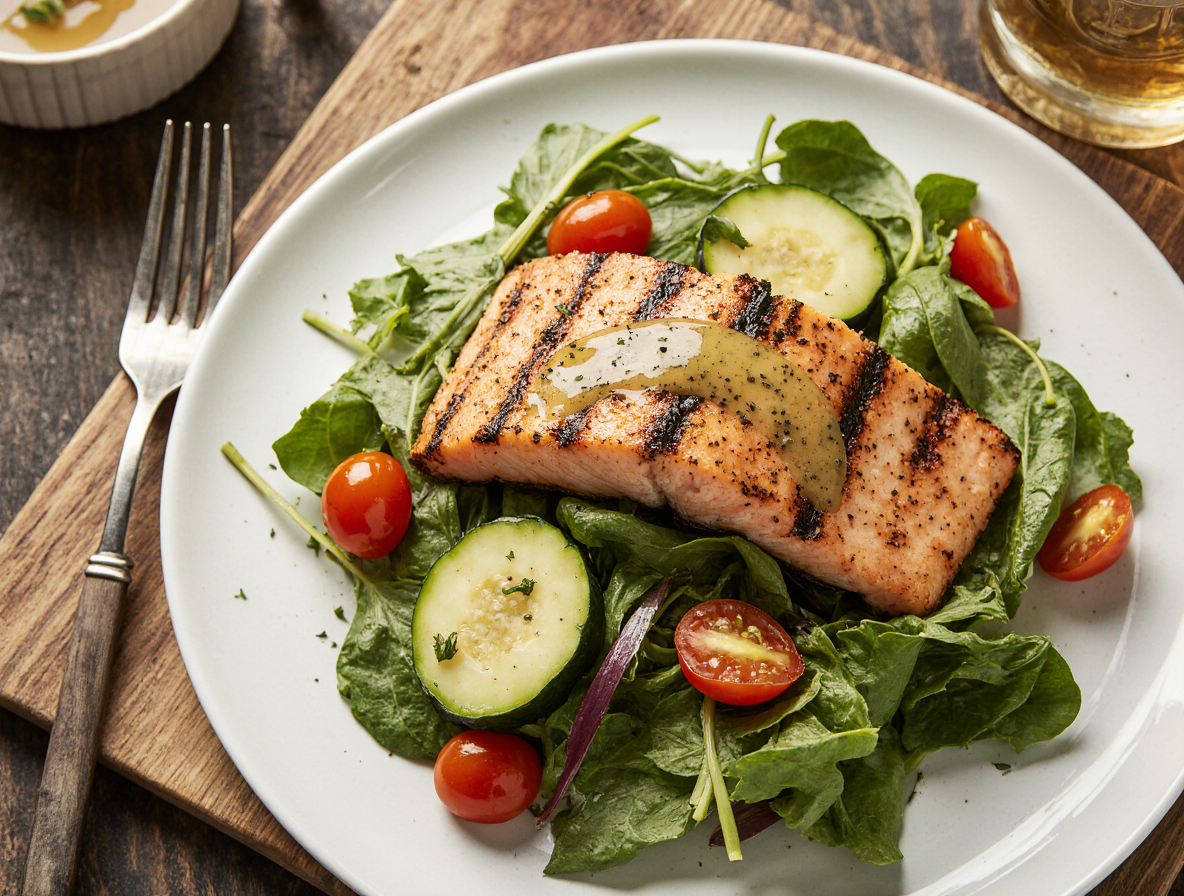
How to Make Restaurant-Quality Grilled Salmon Salad in 20 Minutes
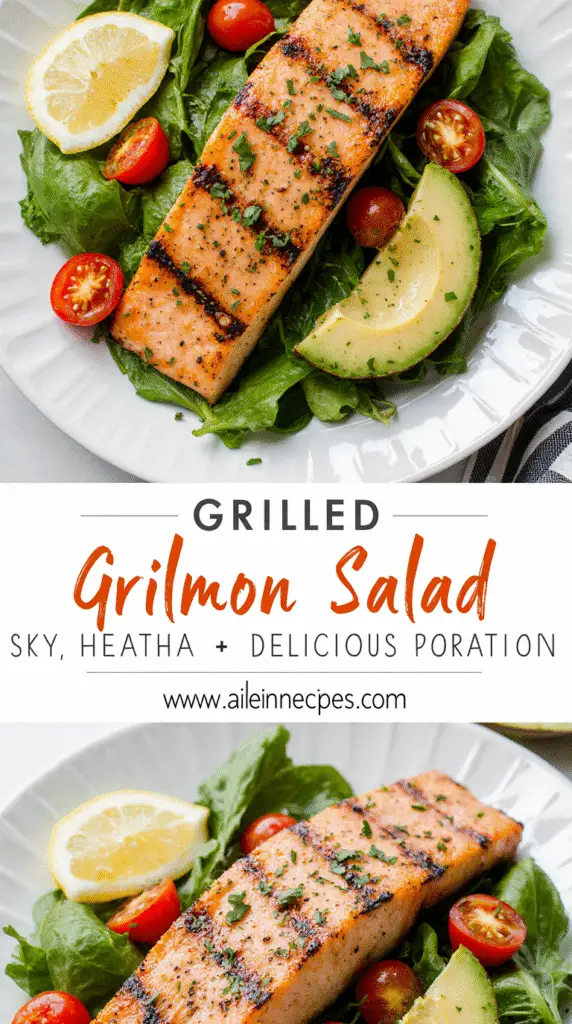
Did you know a restaurant-quality grilled salmon salad recipe can be ready in just 15 minutes? That’s right—less time than it takes to wait for delivery!
This isn’t just any quick meal, though. Our healthy grilled salmon salad recipe packs an impressive 45g of protein per serving while delivering essential omega-3 fatty acids and vitamin D. I love how this simple grilled salmon salad recipe combines nutrition with incredible flavor—crispy lettuces, fresh vegetables, and herbs create vibrant, refreshing contrasts that make every bite exciting.
Best of all, you don’t need professional training to nail this dish. With just 15 minutes of prep time and 10 minutes of cooking, we’ll show you how to create a meal that’s as impressive as it is nutritious. From selecting the perfect salmon filet to grilling it to that ideal 130-135°F temperature, we’ve got you covered with all the steps to elevate your homemade salad game.
Gather Your Ingredients and Tools
To begin with, success in making a restaurant-quality grilled salmon salad relies on gathering the right ingredients and tools before you start cooking. Let’s organize everything you’ll need for this quick, delicious meal.
Essential ingredients for the salad
The base of any great grilled salmon salad starts with fresh, crisp greens. I prefer using a mix of baby arugula for its peppery bite, but mixed field greens or romaine lettuce work wonderfully as well. For vegetables, gather:
- Cherry or grape tomatoes (halved)
- English cucumber (diced)
- Red onion (thinly sliced)
- Avocado (for creaminess)
For a flavor boost, consider adding kalamata olives, crumbled feta cheese, or toasted pumpkin seeds as toppings. The dressing makes all the difference—either a simple lemon vinaigrette or balsamic vinaigrette balances the salad perfectly. A basic vinaigrette requires balsamic vinegar, garlic, a touch of sweetener (honey or brown sugar), and olive oil.
Choosing the best salmon filet
Salmon ranks as the second most consumed seafood in America, and selecting the right filet is crucial. For the best flavor in a grilled salmon salad recipe, I recommend wild-caught salmon if available. Sockeye salmon, with its deep red color and firm texture, stands up exceptionally well to grilling. King (Chinook) salmon, although often more expensive, offers a buttery texture due to its high fat content—making it less likely to dry out on the grill.
When selecting salmon, look for filets that are moist and glistening with slightly resilient, firm flesh when lightly pressed. The flesh should appear plump without wrinkles. Before purchasing, ask to smell the salmon—it should smell fresh, not fishy.
Tools you’ll need for grilling and prep
For proper preparation, gather these essential tools:
A sharp chef’s knife and paring knife are fundamental for cutting vegetables and preparing the salmon. Additionally, a good-quality cutting board is necessary—I suggest having separate boards for produce and raw fish to prevent cross-contamination.
For the grill, you’ll need:
- Oil mister to prevent sticking
- Fish spatula or turner for easy flipping
- Instant-read thermometer to ensure your salmon reaches 130-135°F
Furthermore, a cedar plank is highly recommended for grilling salmon—it prevents sticking while adding subtle smoky flavor. If you prefer, a fish grilling basket with a nonstick finish works well for keeping delicate filets intact.
Finally, don’t forget a large bowl for tossing your salad and kitchen tongs for serving.
Make the Dressing First
Always start preparing the dressing first when making a grilled salmon salad recipe. This approach allows flavors to develop and blend while you cook the salmon, consequently enhancing your final dish.
Quick lemon or balsamic vinaigrette
Preparing a restaurant-quality vinaigrette takes just minutes. For a classic lemon vinaigrette, combine 1/4 cup lemon juice (approximately one whole lemon), 1/2 cup olive oil, 1 tablespoon Dijon mustard, and a touch of honey or maple syrup in a mason jar. The Dijon mustard serves an essential purpose—it emulsifies the dressing, preventing separation when shaken.
Alternatively, create a balsamic vinaigrette by mixing 1/4 cup balsamic vinegar with 1/2 cup olive oil and freshly ground pepper. This variation naturally offers a sweeter profile that pairs beautifully with the richness of grilled salmon.
Whichever base you choose, simply seal your jar and shake vigorously until the ingredients combine into a smooth, unified dressing. For best results, prepare this dressing up to a week ahead and store in your refrigerator.
Tips for balancing acidity and sweetness
The traditional vinaigrette formula calls for a 3:1 ratio (three parts oil to one part acid), however modern preferences often lean toward higher acidity. Many chefs now prefer a 2:1 ratio for brighter flavors. I recommend starting with equal parts and adjusting to your taste.
If your dressing tastes too acidic, try these solutions:
- Add more oil to dilute the sharpness
- Incorporate a touch of honey or maple syrup
- Sprinkle in a pinch of salt, which remarkably tames acidity
Conversely, if your dressing lacks brightness, add acid (vinegar or lemon juice) one teaspoon at a time until balanced.
Remember that different salad components require different dressing strengths—kale tolerates zingy dressings, whereas milder greens need gentler acidity. For this simple grilled salmon salad recipe, a well-balanced dressing complements rather than overwhelms the delicate fish flavor.
Grill the Salmon Like a Pro
Mastering the grill marks the difference between average and restaurant-quality salmon in your healthy grilled salmon salad recipe. Properly grilled salmon provides that perfect contrast of crispy exterior and tender, juicy interior that elevates the entire dish.
Preheat and oil the grill
Initially, heat your grill to medium-high temperature between 450°F and 500°F. This high heat ensures proper searing and prevents sticking. Allow 10-15 minutes for thorough preheating. During this time, clean the grates meticulously with a grill brush to remove any residue from previous cooking sessions.
Notably, oiling technique matters significantly. Instead of oiling the grates directly, brush the salmon with oil. This approach improves release from the grates and enhances flavor development. For best results, use a high smoke point oil like grapeseed or avocado oil. If you still prefer oiling the grates, hold an oil-soaked paper towel with tongs and carefully rub across the hot surface.
Seasoning and timing tips
Keep seasoning simple for your grilled salmon salad recipe. A light sprinkle of salt and pepper applied just before grilling works perfectly. This timing prevents drawing out excess moisture from the fish. Allow seasoned salmon to rest at room temperature for 15-20 minutes before grilling.
Place salmon skin-side down first and cook approximately 90% of the way on this side. This typically takes 6-8 minutes, depending on thickness. Essentially, the fish will initially stick to the grates but will release naturally as the skin crisps. Once it releases easily, flip and cook for an additional 2-4 minutes on the flesh side.
How to know when salmon is done
The difference between overcooked and perfectly cooked salmon in your simple grilled salmon salad recipe comes down to proper timing and temperature monitoring. For moist, tender salmon, remove it from the grill when the internal temperature reaches 125°F-130°F, as it will continue cooking after removal.
Look for these visual indicators of doneness:
- The flesh becomes opaque and slightly translucent in the center
- The salmon flakes easily when tested with a fork
- The white lines (fat) in the filet separate cleanly
Remember that overcooked salmon becomes dry, chalky, and loses its delicate flavor. The USDA recommends 145°F for safety, but most chefs aim for 125°F-130°F for optimal texture and moisture retention.
Assemble and Serve the Salad
The visual appeal of your grilled salmon salad recipe matters just as much as its flavor. Proper assembly transforms individual ingredients into a cohesive, restaurant-worthy dish.
Layering greens, veggies, and salmon
Start with a large mixing bowl that allows thorough tossing. A common mistake is using a bowl that’s too small, which compromises even distribution and flavor. Place your greens first, then add vegetables like cucumbers, radishes, and carrots. Break the grilled salmon into large chunks rather than keeping it whole. This makes the salad easier to eat and distributes the salmon flavor throughout.
Final drizzle and optional toppings
Drizzle dressing over the salmon first, allowing it to absorb those flavors. Afterwards, add a bit more dressing to the entire salad and toss gently. For optional toppings, consider feta cheese, pepita seeds, or avocado slices. These additions create a balance of textures and complete the “four corners of flavor” – sweet, salty, bitter, and sour.
Serving suggestions for a restaurant-style look
Plate your salad one handful at a time instead of dumping it. Generally, restaurants plate food with height—make it fluffy!. Start with a wider base, then build upward. For a professional touch, garnish with some ingredients used throughout the salad after plating. This both highlights colors and shows diners what’s inside the dish.
Conclusion
Creating a restaurant-quality grilled salmon salad at home truly stands within reach of any home cook. This simple yet elegant dish brings together the perfect balance of nutrition and flavor without demanding professional culinary skills or excessive time commitment.
The journey from ingredients to plated masterpiece takes merely 20 minutes, yet delivers results that rival your favorite restaurant’s offerings. Fresh, crisp greens paired with perfectly grilled salmon creates a meal that satisfies both hunger and health goals simultaneously.
Remember that success begins with quality ingredients. Wild-caught salmon, fresh vegetables, and a well-balanced dressing form the foundation of this exceptional dish. Additionally, proper grilling technique transforms good salmon into great salmon – that ideal temperature of 130-135°F ensures moist, flavorful fish every time.
Perhaps most importantly, this dish exemplifies how healthy eating doesn’t require sacrifice. With 45g of protein per serving alongside essential omega-3 fatty acids, your body receives premium fuel while your taste buds celebrate vibrant flavors and contrasting textures.
You can now confidently serve this impressive meal at your next dinner gathering or enjoy it as a quick weeknight solution. After all, the ability to create restaurant-worthy food at home represents one of cooking’s greatest rewards. The next time you crave a delicious, nutritious meal but feel short on time, this grilled salmon salad awaits – ready to prove that exceptional dining experiences can indeed start in your own kitchen.
FAQs
Q1. How can I achieve restaurant-quality taste when grilling salmon at home? To achieve restaurant-quality taste, choose high-quality salmon, season it well, and grill it at the right temperature. Preheat your grill to medium-high (450°F-500°F), oil the salmon instead of the grates, and cook it mostly skin-side down. Remove the salmon when its internal temperature reaches 125°F-130°F for optimal moisture and flavor.
Q2. What’s the ideal cooking time for salmon in this salad recipe? The ideal cooking time for salmon in this recipe is about 8-12 minutes total. Grill the salmon skin-side down for 6-8 minutes, then flip and cook for an additional 2-4 minutes on the flesh side. However, it’s best to rely on internal temperature (125°F-130°F) rather than time alone to ensure perfect doneness.
Q3. How do I assemble a restaurant-style grilled salmon salad? Start with a large mixing bowl and layer your greens first, followed by vegetables like cucumbers and tomatoes. Break the grilled salmon into large chunks and distribute them throughout. Drizzle the dressing over the salmon first, then add more to the entire salad and toss gently. Plate the salad with height, starting with a wider base and building upward for a professional look.
Q4. What’s the secret to perfectly grilled salmon? The secret to perfectly grilled salmon is to start with the skin-side down and cook it for about 90% of the total time on this side. This technique allows the skin to crisp up and prevents the salmon from sticking to the grates. Also, avoid moving the salmon too much while cooking and use visual cues like opacity and flaking to determine doneness.
Q5. How can I make a quick and delicious dressing for my salmon salad? For a quick and delicious dressing, combine 1/4 cup of lemon juice or balsamic vinegar with 1/2 cup of olive oil, and add Dijon mustard for emulsification. Adjust the acidity and sweetness to taste by adding more oil or a touch of honey. Prepare the dressing first to allow the flavors to develop while you cook the salmon.