
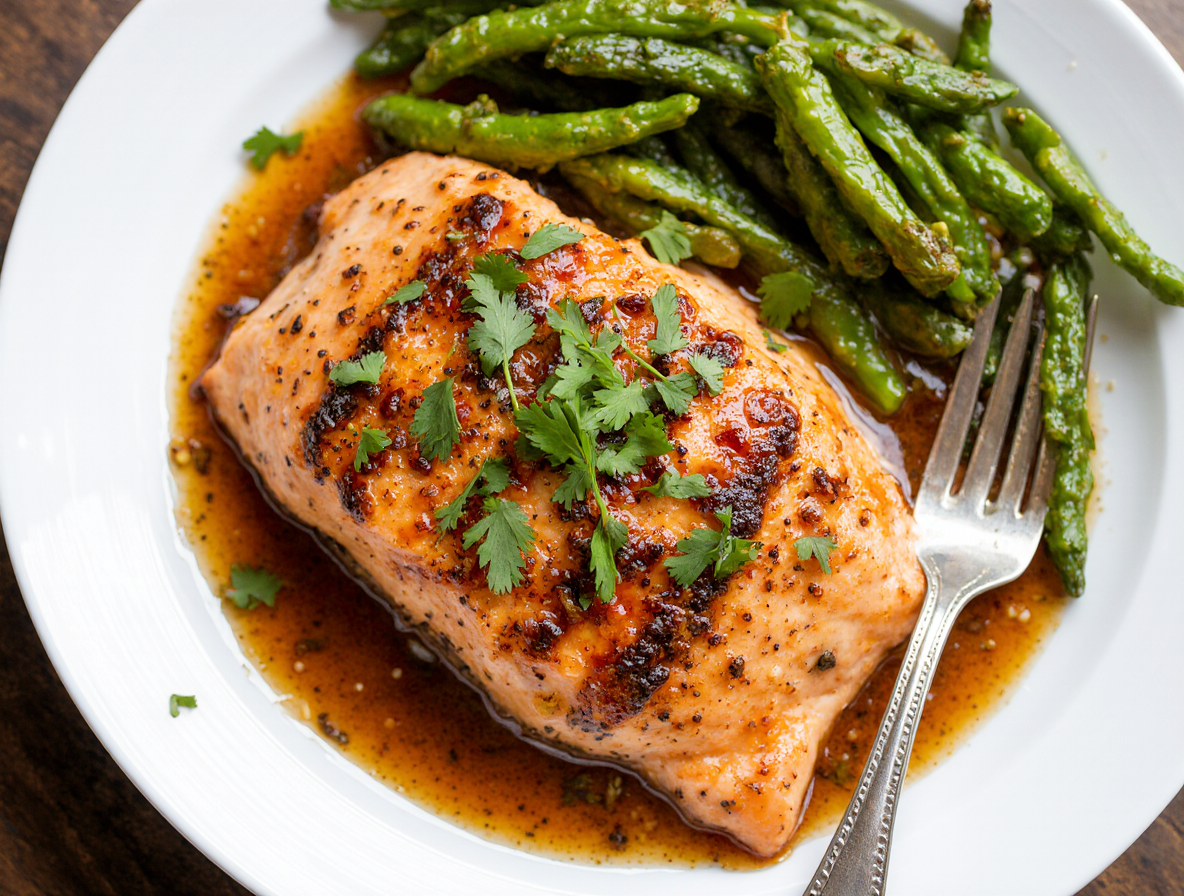
How to Make Cajun Honey Butter Salmon: A Foolproof Restaurant-Style Recipe
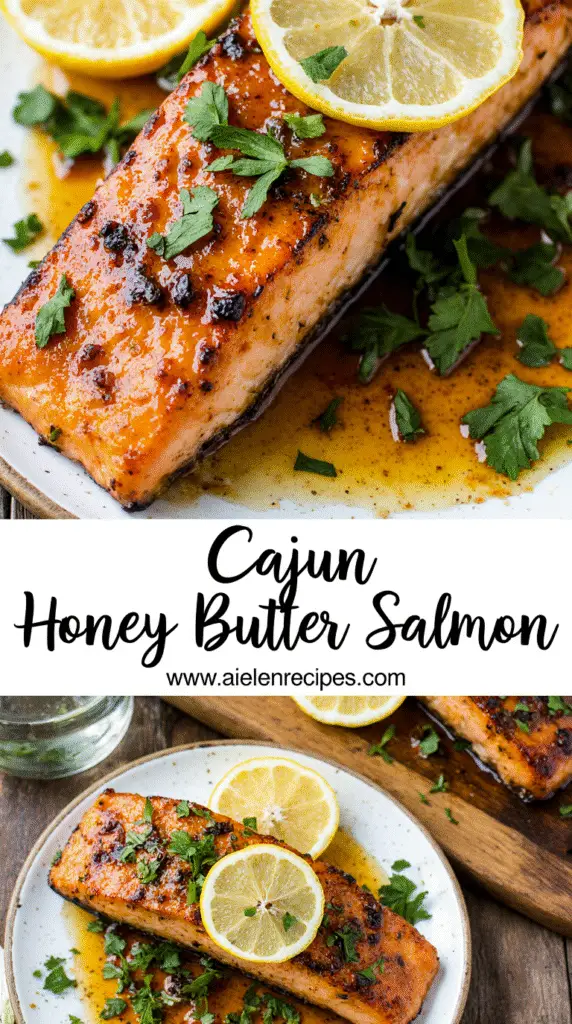
Did you know you can make restaurant-quality cajun honey butter salmon in just 15 minutes using only one skillet?
This delicious dish combines perfectly cooked salmon filets with a flavorful Cajun seasoning and a sweet honey butter sauce that creates an irresistible crust while keeping the interior tender and flaky. Not only is this honey butter salmon incredibly tasty, but it’s also nutritious – providing approximately 23g of protein per serving along with healthy fats.
Additionally, our cajun honey butter salmon recipe is remarkably versatile. You can adjust the spice level to suit your preferences or pair it with sides like a beetroot broccoli salad for a complete meal. Best of all, this cajun butter salmon turns out perfectly every time, even if you’re new to cooking seafood.
In this guide, we’ll walk you through each step of creating this honey cajun salmon from selecting the right ingredients to achieving that perfect sear. Let’s get cooking!
Ingredients for Cajun Honey Butter Salmon
Preparing a perfect cajun honey butter salmon begins with gathering the right ingredients. Let’s explore each component needed for this flavorful dish.
Salmon filets and how to choose them
For this recipe, you’ll need approximately 1 pound of salmon (typically 3-4 filets) or a large 2-2.5 pound whole salmon filet. When selecting salmon, look for pieces with bright color and no fishy odor. The type of salmon isn’t critical—you can use whatever variety is available at your local market.
Fresh salmon works wonderfully, yet frozen filets (particularly those from Costco) perform equally well. If using frozen, thaw completely in the refrigerator overnight before cooking. Consider buying salmon in bulk when on sale, then portion and freeze using a vacuum sealer to preserve flavor and texture.
Cajun seasoning: store-bought vs homemade
Though store-bought Cajun seasoning works perfectly, making your own offers better control over salt content and spice level. Many commercial blends contain excessive salt, so check the ingredient list before purchasing. Popular brands include Slap Ya Mama and Cajun Two-Step.
For homemade Cajun seasoning, combine:
- 2-3 tablespoons smoked paprika
- 1-2 tablespoons garlic powder
- 1-2 tablespoons onion powder
- 1 tablespoon dried oregano
- 1 tablespoon dried thyme
- 1 tablespoon black pepper
- 1-2 teaspoons cayenne pepper (adjust for heat preference)
- 1 teaspoon salt
This versatile blend originates from Louisiana cuisine and incorporates French, West African, Caribbean, and Native American culinary influences.
Honey butter sauce ingredients
The signature sauce requires:
- 2-6 tablespoons unsalted butter (preferably at room temperature)
- 1-2 tablespoons honey
- 1/4-1 teaspoon Cajun seasoning
- 2-5 cloves minced garlic
- Optional: 1 tablespoon soy sauce and lemon juice
European-style butter provides superior flavor, furthermore, using unsalted butter allows better control since Cajun seasoning already contains salt.
Optional garnishes and add-ons
Elevate your cajun honey butter salmon with:
- Fresh herbs like parsley, cilantro, chives, or green onions
- Lemon or lime wedges for serving
- Black sesame seeds for visual appeal
- Freshly squeezed lemon juice (about 1 tablespoon) for brightness
These garnishes not only enhance presentation nevertheless they add complementary flavors that balance the rich, spicy profile of the honey cajun salmon. Consider serving with golden rice pilaf or roasted vegetables for a complete meal.
Step-by-Step Cooking Instructions
Now let’s transform those ingredients into a delectable meal with these foolproof cooking techniques.
1. Pat and season the salmon
First, check your salmon filets for any pin bones by running your finger along the surface, removing them with tweezers if found. Next, thoroughly pat the salmon dry with paper towels to remove excess moisture—this crucial step ensures you’ll get crispy edges and proper searing rather than steaming the fish. Upon drying, drizzle the filets with olive oil and lemon juice, rubbing them gently into the flesh. Subsequently, apply Cajun seasoning generously, covering all sides of the salmon to ensure each bite delivers that signature spicy flavor.
2. Sear or bake the salmon
For pan-searing: Preheat a non-stick skillet over medium-high heat until hot. Add the salmon skin-side up (flesh down) and cook undisturbed for about 3 minutes until a nice crust forms. Flip carefully and continue cooking for 2-3 minutes on the skin side.
For oven-baking: Preheat your oven to 400-425°F. Place the seasoned salmon skin-side down on a parchment-lined baking sheet or in a cast-iron skillet. Bake for 10-15 minutes depending on thickness. For thinner filets, 10 minutes may be sufficient, whereas thicker cuts might need the full 15 minutes.
3. Make the honey butter sauce
In a small bowl, combine softened butter with honey and additional Cajun seasoning. Whip with a fork until well incorporated and set aside. Alternatively, for a more liquid sauce, melt butter in a small saucepan over medium-low heat, then whisk in honey, Cajun seasoning, and a squeeze of lemon juice. Be careful not to let the butter boil as it may separate.
4. Glaze and finish the salmon
During the last minute of cooking, spoon half the honey butter sauce over the salmon, allowing it to melt and create a glossy glaze. Once the salmon flakes easily with a fork and has reached an internal temperature of about 145°F, remove from heat. Top with remaining honey butter sauce, fresh herbs, and a squeeze of lemon before serving.
Tips for Perfect Results
Mastering the perfect cajun honey butter salmon requires attention to a few crucial details. These professional tips will ensure your dish turns out flawlessly every time.
How to avoid overcooking
The fine line between perfectly cooked and dried-out salmon is remarkably thin. Indeed, overcooked salmon becomes dry, chalky, and unfortunately wastes both money and effort. To avoid this culinary mishap, cook the salmon until it’s just opaque and flakes easily with a fork. Most importantly, never let the internal temperature exceed 140°F—beyond this point, your salmon will become joyless and dry. For medium-rare salmon (recommended by many chefs), aim for 125-130°F. Moreover, thinner filets cook faster than thicker ones, typically requiring just 10-14 minutes for half-inch filets versus 15-20 minutes for one-inch pieces.
Getting a crispy sear
For that coveted restaurant-quality crispy exterior, begin by thoroughly patting the salmon dry with paper towels. This removes excess moisture, allowing better seasoning adherence and proper caramelization instead of steaming the fish. Afterward, preheat your pan completely before adding oil—the pan should be hot enough that the salmon sizzles upon contact. Once the salmon is in the pan, resist the urge to move it! The fish will naturally release from the pan when it’s ready to be flipped. Specifically, sear untouched for 3-4 minutes on the first side, followed by 2-3 minutes after flipping.
Adjusting spice and sweetness
Store-bought Cajun seasonings vary significantly in salt content and heat level. Consequently, always taste a small amount before seasoning your salmon. For milder flavor, start with less Cajun seasoning—you can always add more to achieve your desired spiciness. Alternatively, if using homemade Cajun seasoning, customize the cayenne pepper amount according to your heat preference. Regarding sweetness, simply adjust the honey quantity in your sauce—less honey creates a more savory profile, whereas more delivers additional sweetness.
Checking doneness with a thermometer
Although various methods exist for checking salmon doneness, an instant-read thermometer provides the most accurate results. Insert it into the thickest part of the filet for proper measurement. According to doneness preferences: 120°F for rare, 125-130°F for medium-rare, 135-140°F for medium, and 145°F for well-done. Without a thermometer, gently press the salmon with a fork—it should flake easily when done. Another method involves inserting a cake tester or knife into the thickest part, then touching it to your bottom lip—if it feels warm, your cajun honey butter salmon is perfectly cooked.
Serving and Storage Ideas
Enjoying your cajun honey butter salmon extends beyond just cooking it perfectly. Let’s explore serving options and how to handle any delicious leftovers.
Best side dishes for honey cajun salmon
Complement your cajun honey butter salmon with sides that balance its rich flavor. Green vegetables like roasted asparagus, Brussels sprouts, or blistered green beans create perfect harmony with the salmon’s richness. For starches, consider wild rice, corn bread, or quinoa. A fresh salad with cucumber, tomatoes, and light vinaigrette balances the meal beautifully. For a truly Southern experience, pair with smoked gouda grits or Southern fried cabbage.
How to store leftovers
Place cooled salmon in an airtight container and refrigerate for 2-3 days. Never store hot salmon directly in the refrigerator as this raises temperature and causes food spoilage. For bulk buying, portion and freeze using a vacuum sealer to maintain quality.
Reheating without drying out
Reheat salmon in a 275°F oven for about 15 minutes. Place on parchment paper and add extra cajun honey butter or olive oil to keep it moist. Alternatively, warm in a pan with minimal oil on low heat with a lid.
Using leftovers in salads or bowls
Flaked leftover salmon creates excellent protein for cold salads. Try combining with spinach, mixed greens, and light dressing. For a quick lunch, make salmon salad with mayo, lemon, salt, pepper, celery, and green onion.
Conclusion
Cajun honey butter salmon truly stands as one of the most versatile and impressive seafood dishes you can prepare at home. This delectable recipe combines the perfect balance of spicy Cajun seasoning with sweet honey butter to create a meal that rivals restaurant quality. Most importantly, you now have all the knowledge needed to prepare it flawlessly.
The beauty of this dish lies not only in its flavor but also in its simplicity. Even if you’ve struggled with cooking salmon before, the step-by-step instructions and professional tips shared above will help you achieve that perfect balance of crispy exterior and tender, flaky interior. Additionally, the customizable nature of the recipe allows you to adjust both spice levels and sweetness according to your personal preference.
Remember that proper salmon selection and preparation form the foundation of this dish. Therefore, take time to choose quality filets and pat them dry thoroughly before seasoning. The extra minute spent on these simple steps will significantly impact your final results.
Whether you serve your cajun honey butter salmon alongside roasted vegetables for a healthy dinner or flake leftovers into a salad for lunch the next day, this versatile dish will certainly become a regular part of your cooking repertoire. Undoubtedly, your family and guests will be impressed by your culinary skills when you present this beautiful, flavorful salmon dish.
We hope you’ll try this foolproof recipe soon and discover just how easy it is to create restaurant-quality salmon at home. After all, good food doesn’t need to be complicated – sometimes the simplest recipes yield the most delicious results!
FAQs
Q1. How long should I cook Cajun honey butter salmon? Cooking time depends on the thickness of your salmon filet. For pan-searing, cook for about 3 minutes on each side. If baking, cook at 400-425°F for 10-15 minutes. Always check for doneness using a thermometer or by checking if the fish flakes easily with a fork.
Q2. Can I use frozen salmon for this recipe? Yes, you can use frozen salmon. Just make sure to thaw it completely in the refrigerator overnight before cooking. Both fresh and frozen salmon work well for this recipe, so use whichever is more convenient or available to you.
Q3. How can I adjust the spiciness of the Cajun seasoning? To adjust the spiciness, start with less Cajun seasoning and add more to taste. If making your own seasoning, adjust the amount of cayenne pepper. For a milder flavor, use less cayenne; for more heat, increase the amount. Always taste test before applying to the salmon.
Q4. What are some good side dishes to serve with Cajun honey butter salmon? Great side dishes include roasted vegetables like asparagus or Brussels sprouts, wild rice, cornbread, or quinoa. A fresh salad with cucumber and tomatoes also pairs well. For a Southern twist, try serving it with smoked gouda grits or Southern fried cabbage.
Q5. How do I store and reheat leftover Cajun honey butter salmon? Store cooled leftovers in an airtight container in the refrigerator for 2-3 days. To reheat, place the salmon in a 275°F oven for about 15 minutes, or warm it in a covered pan on low heat. Add a little extra butter or oil to keep it moist while reheating.