
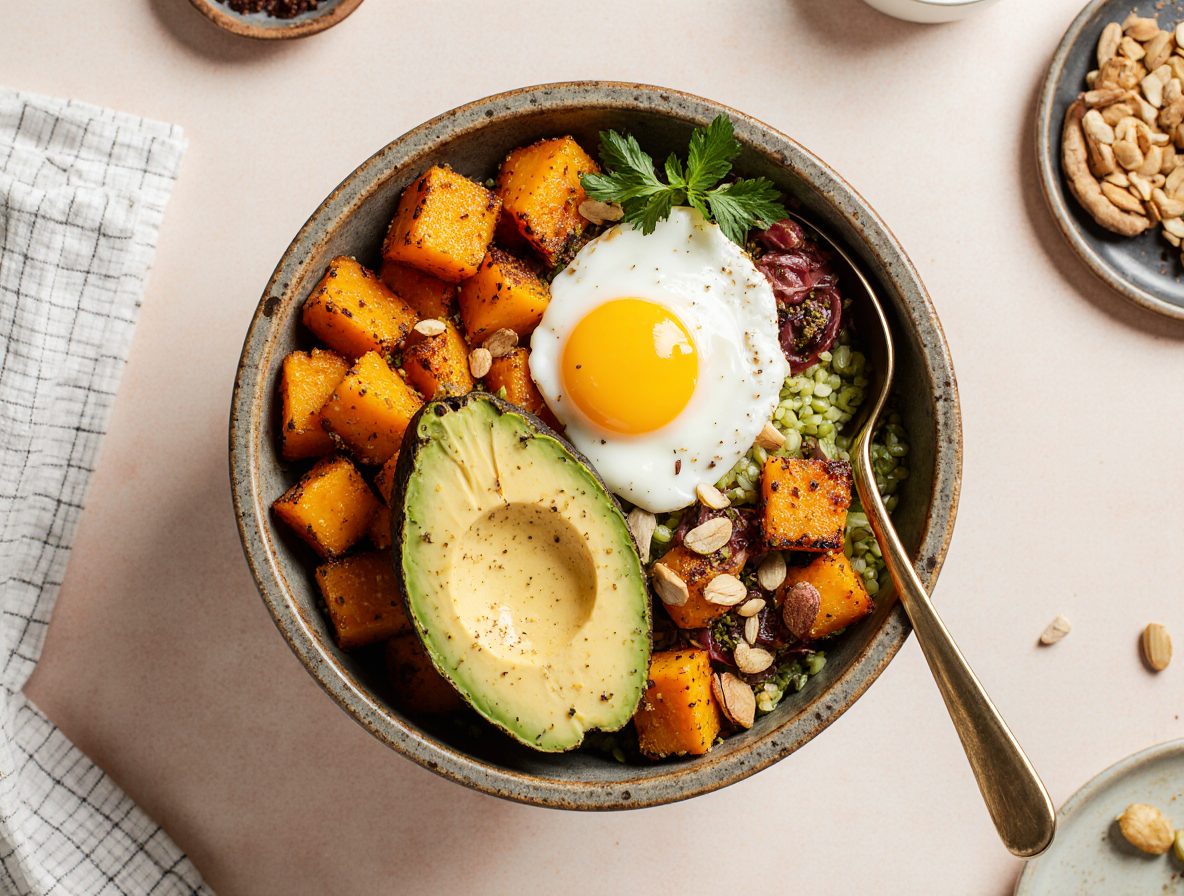
How to Make Sweet Potato Breakfast Bowls: A 15-Minute Healthy Recipe

Did you know that sweet potato breakfast recipes can be ready in under 30 minutes and packed with essential nutrients? A single egg in your sweet potato breakfast bowl provides about 6 grams of protein, while sweet potatoes themselves are rich in fiber, vitamin A, and potassium.
These sweet potato breakfast bowls aren’t just nutritious – they’re incredibly versatile too. With approximately 680 calories, 44 grams of protein, and 12 grams of fiber per serving, they make a perfect meal before a long workday or gym session. Additionally, sweet potato breakfast bowl recipes can be customized with various proteins like eggs or tofu, healthy fats from avocados, and plenty of greens.
What I love most about these healthy sweet potato breakfast recipes is their perfect balance of convenience and nutrition. They’re satisfying and flavorful, yet simple enough for busy mornings. Furthermore, sweet potato bowl breakfast options store well in the fridge for up to a week, making them ideal for meal prep enthusiasts.
In this article, I’ll walk you through how to create delicious sweet potato breakfast bowls in just 15 minutes, from gathering ingredients to customizing flavors and storing leftovers. Let’s get cooking!
Gather Your Ingredients and Tools
Preparing a sweet potato breakfast bowl begins with assembling the right ingredients and tools. Let’s explore everything you’ll need to create these nutrient-packed morning meals.
Sweet potatoes and quick-cook options
Sweet potatoes form the foundation of these breakfast bowls. They’re packed with vitamin A, vitamin C, manganese, potassium, and fiber—especially if you leave the skin on. For speedy preparation, you have several options. Microwaving works wonderfully, taking about 6-7 minutes for medium-sized sweet potatoes. Moreover, you can steam or roast them ahead of time. Choose small to medium sweet potatoes for the quickest cooking times.
Protein choices: eggs, tofu, or beans
To create a balanced breakfast, you’ll need quality protein. Eggs add satisfying protein and can be prepared hard-boiled, soft-boiled, or scrambled. For plant-based alternatives, tofu makes an excellent egg substitute—it’s a complete protein that may help lower heart disease risk and cholesterol. Black beans are another excellent option, containing phytochemicals that improve cholesterol levels and glycemic status. They also produce short-chain fatty acids that support gut health.
Toppings: avocado, greens, herbs
Toppings transform basic sweet potato breakfast bowls into nutritional powerhouses. Avocado adds heart-healthy fats that keep you full throughout the morning. Fresh spinach works best as a green component—if using frozen, thaw and squeeze out excess moisture first. Consequently, herbs like cilantro and parsley brighten the dish with fresh flavor. Other delicious additions include pickled onions, spice blends, nuts, seeds, or a dollop of Greek yogurt.
Essential kitchen tools for speed
Having the right tools makes creating 15-minute sweet potato breakfast bowls much easier. A microwave is indispensable for quick-cooking sweet potatoes. Besides this, you’ll need a sharp knife, cutting board, and a good non-stick frying pan for cooking eggs or tofu. A 12-inch skillet with lid works perfectly for sautéing multiple ingredients simultaneously. Finally, a spatula for flipping and serving completes your essential toolkit.
Quick Cooking Steps for a 15-Minute Bowl
Creating sweet potato breakfast bowls in just 15 minutes requires efficient cooking techniques. Let me show you how to streamline your morning routine with these time-saving methods.
Microwave or steam sweet potatoes fast
The quickest way to cook sweet potatoes is in the microwave. First, scrub your potatoes clean and pierce them 5-7 times with a fork to allow steam to escape. Place the potato on a microwave-safe plate and cook for about 5 minutes, flipping halfway through. For medium-sized sweet potatoes, this typically takes 2.5 minutes per side.
Alternatively, steam sweet potatoes for tender, moist results. Fill a pot with approximately 1 inch of water, place potatoes in a steamer basket, and cook covered for 25-30 minutes until fork-tender. For even faster results, cut potatoes into smaller pieces before steaming—they’ll cook in 10-15 minutes.
Scramble or boil eggs while potatoes cook
Effectively, you can prepare eggs during the sweet potato cooking time. For soft-boiled eggs, bring water to a rapid boil, then gently add cold eggs and cook for precisely 6.5 minutes. Immediately transfer to an ice bath for 3 minutes before peeling.
For scrambled eggs, whisk them in a bowl with a pinch of salt and pepper. Heat a non-stick pan over medium-low heat and cook for about 2-3 minutes, stirring gently every 30 seconds until thickened. Microwave scrambling is another option—cook in 20-30 second increments, stirring each time, until fully cooked (approximately 2 minutes total).
Sauté greens or prep raw toppings
Primarily, quick-cooking greens like spinach need just 30 seconds in a hot pan with a sprinkle of salt. For a more substantial vegetable mix, sauté diced sweet potatoes for 3-4 minutes until lightly browned, then reduce heat, add a teaspoon of water, cover, and cook for 5 minutes.
During this time, slice avocados, chop herbs, or prepare quick pickled onions to add freshness and texture to your bowl.
Assemble everything in one bowl
Once all components are ready, assemble your sweet potato breakfast bowl. Start with the sweet potato base, then add your protein, followed by vegetables and toppings. This layering method ensures proper temperature and texture contrast.
Subsequently, finish with garnishes like fresh herbs, a drizzle of olive oil, or a squeeze of lime for brightness. The entire process from start to finish takes just 15 minutes, providing a nutritious sweet potato breakfast that’s both satisfying and efficient.
Customize Your Sweet Potato Breakfast Bowl
The beauty of sweet potato breakfast bowls lies in their incredible versatility. Once you’ve mastered the basic recipe, you can adapt it to suit virtually any dietary preference or flavor craving.
Make it vegan or paleo
Sweet potato breakfast bowls are naturally adaptable for different diets. For a vegan version, substitute eggs with tofu scramble or black beans. Notably, a plant-based sweet potato bowl can still deliver impressive nutrition—about 12 grams of protein per serving when using tofu. For paleo enthusiasts, stick with eggs and top with coconut milk or almond butter for richness. Both options maintain the bowl’s satisfying texture while accommodating dietary needs.
Add more protein or healthy fats
Boost your sweet potato breakfast bowl’s protein content by adding collagen powder or an extra egg. First, consider incorporating cottage cheese—a quarter cup adds approximately 7 grams of protein. Hemp hearts and pepitas sprinkled on top not only add crunch but also increase protein and healthy fats. Furthermore, avocado slices contribute heart-healthy fats that keep you full throughout the morning.
Flavor variations: spicy, savory, or sweet
Create endless flavor combinations with your sweet potato breakfast bowl recipes:
- Savory: Top with sautéed spinach, mushrooms, bacon, and a fried egg
- Spicy: Add jalapeños or hot sauce for extra kick
- Sweet: Combine with cinnamon, maple syrup, and fresh fruit like bananas and berries
Topping ideas: pickled onions, yogurt, seeds
Overall, toppings transform basic sweet potato breakfast bowls into extraordinary meals. Try pickled onions for tanginess, Greek yogurt for creaminess and additional protein, or a variety of seeds (chia, hemp, flax) for texture and omega-3 fatty acids. Certainly, nuts like walnuts, pecans, and almonds add satisfying crunch, while fresh herbs brighten the entire dish.
Storage and Meal Prep Tips
Proper storage is key to maximizing your sweet potato breakfast bowl meal prep. With the right techniques, your healthy sweet potato breakfast recipes can stay fresh for days.
How to store components separately
Storing components separately extends freshness and prevents sogginess. Place cooked sweet potatoes in containers lined with paper towels to absorb excess moisture. Ideally, allow potatoes to cool completely before refrigerating, as warm potatoes create unwanted condensation. Keep proteins like eggs or tofu in separate airtight containers, effectively preventing flavor transfer between ingredients.
Best containers for reheating
Glass containers offer several advantages over plastic for sweet potato breakfast bowl recipes. They’re typically oven-safe, microwave-safe, and freezer-safe. Glass also won’t hold onto strong flavors or stain. Nonetheless, if you prefer lighter options, BPA-free plastic containers work well too—just avoid reheating food in them.
How long each part lasts in the fridge
Your sweet potato breakfast bowls will last 4-5 days in airtight containers in the refrigerator. Accordingly, prepared sweet potatoes alone can last even longer—5-7 days when properly stored. Assembled breakfast bowls can be kept for up to a week in some cases, whereas components like tomato cucumber salad will lose crispness after a few days.
What to add fresh each morning
Primarily, save avocado slicing until the day you plan to eat your sweet potato bowl breakfast to prevent browning. Fresh herbs and greens are worth adding just before serving. Even more, consider adding a squeeze of lime or lemon juice each morning for brightness.
Conclusion
Sweet potato breakfast bowls truly stand out as a perfect morning meal solution for busy individuals seeking both nutrition and flavor. After all, these versatile bowls deliver essential nutrients while requiring just 15 minutes of preparation time. You can easily customize them to fit various dietary preferences, whether you follow a vegan, paleo, or protein-rich eating plan.
What makes these bowls particularly appealing is their perfect balance of macronutrients. The combination of fiber-rich sweet potatoes, protein from eggs or plant-based alternatives, and healthy fats from toppings like avocado creates a satisfying meal that keeps hunger at bay throughout the morning.
Additionally, the meal prep potential of these breakfast bowls cannot be overlooked. Most components stay fresh for 4-7 days when stored properly, making them an excellent option for planning your week ahead. Simply prepare the bases and proteins in advance, then add fresh toppings each morning for a quick yet nutritious start to your day.
Last but certainly not least, the endless customization options ensure you’ll never grow tired of this breakfast. From savory versions with sautéed greens and eggs to sweeter variations with fruit and nuts, these bowls adapt to whatever flavors you crave. Therefore, sweet potato breakfast bowls deserve a regular spot in your morning routine – they’re quick, nutritious, delicious, and remarkably adaptable to your changing needs and preferences.
FAQs
Q1. How long does it take to make a sweet potato breakfast bowl? You can prepare a delicious sweet potato breakfast bowl in just 15 minutes using quick cooking methods like microwaving or steaming the sweet potatoes.
Q2. Can I make sweet potato breakfast bowls ahead of time? Yes, you can meal prep sweet potato breakfast bowls. Most components can be stored separately in the refrigerator for 4-5 days, with some lasting up to a week when properly stored.
Q3. What are some protein options for sweet potato breakfast bowls? Popular protein choices include eggs, tofu, and beans. You can also add Greek yogurt, cottage cheese, or sprinkle hemp hearts and seeds for extra protein.
Q4. How can I customize my sweet potato breakfast bowl? You can easily customize your bowl to be vegan, paleo, spicy, savory, or sweet. Try different toppings like avocado, pickled onions, various greens, herbs, nuts, and seeds to create your perfect combination.
Q5. Are sweet potato breakfast bowls nutritious? Yes, sweet potato breakfast bowls are highly nutritious. They provide a balanced mix of complex carbohydrates, protein, and healthy fats. Sweet potatoes are rich in fiber, vitamins, and minerals, while toppings like eggs or tofu add protein and other essential nutrients.