
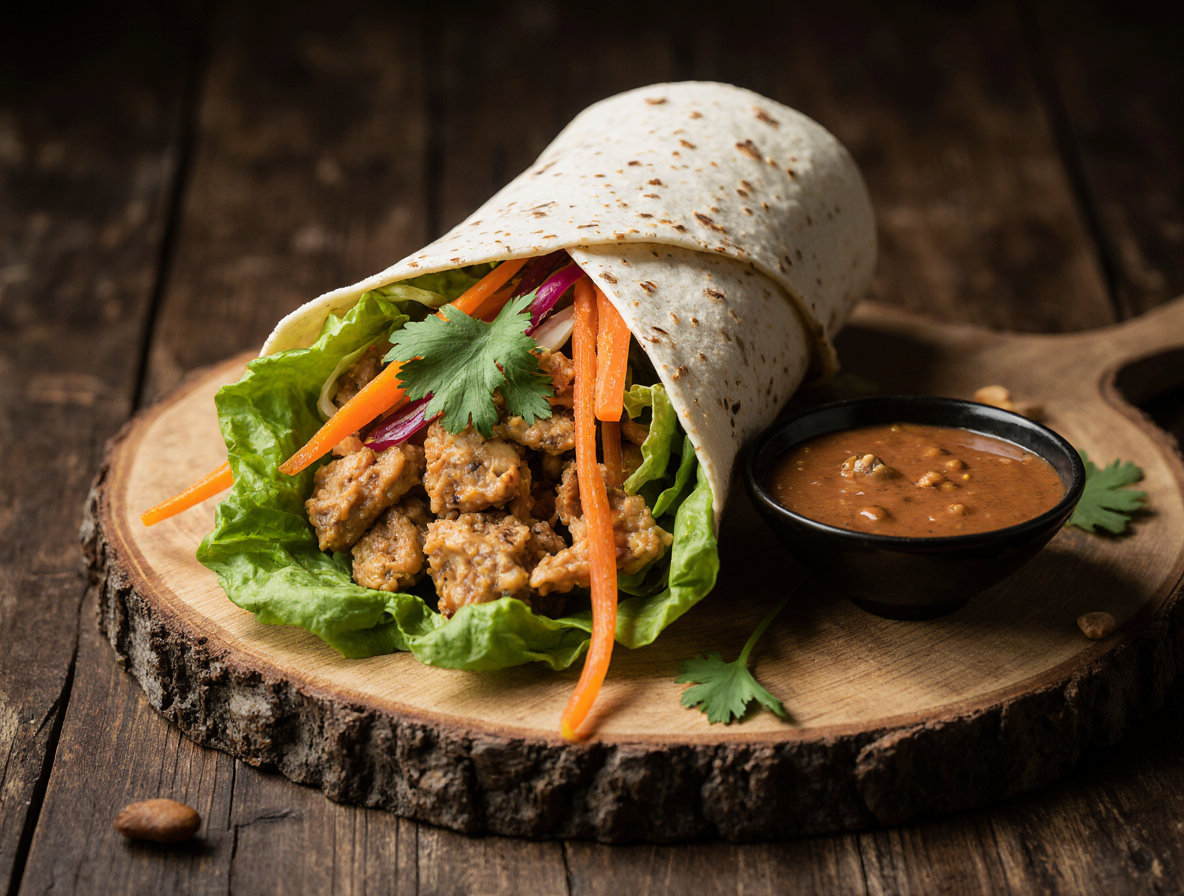
How to Make Thai Chicken Wraps: Better Than Takeout Recipe
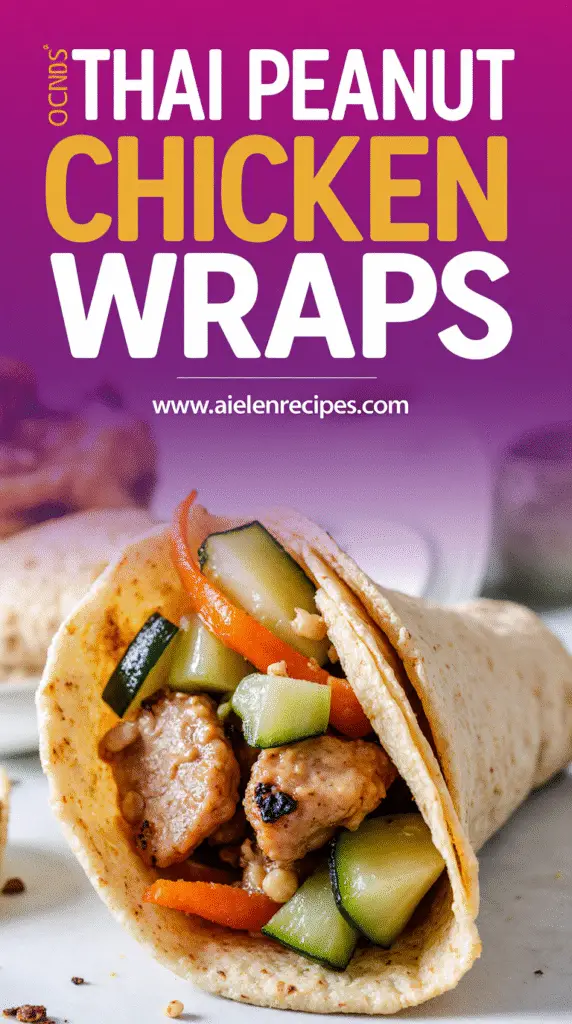
Ready for a thai chicken wrap that takes just 15 minutes to prepare and tastes better than anything you’d get from a restaurant? I certainly was when I discovered this game-changing recipe!
These colorful thai peanut chicken wraps pack impressive nutrition into every bite – between 263 to 449 calories per serving, with 14-26g of protein[-3] and plenty of fiber to keep you satisfied. What makes our thai chicken wrap recipe special is the perfect balance of fresh vegetables, tender chicken, and that irresistible peanut sauce that ties everything together.
We love how versatile these thai wraps with peanut sauce can be – perfect for lunch, dinner, or even snack time. Actually, you can have a whole platter ready in just 20 minutes, even faster if you use pre-cooked chicken!
In this guide, I’ll show you exactly how to create these thai chicken wraps from scratch, with tips for customizing them to your taste preferences and dietary needs. Let’s get cooking!
Essential Ingredients for Thai Chicken Wraps
The foundation of any mouth-watering thai chicken wrap lies in selecting quality ingredients that work harmoniously together. Let’s explore the essential components that will elevate your homemade wraps from good to exceptional.
Choosing the right protein: chicken, tofu, or chickpeas
Boneless chicken is the traditional protein choice for thai chicken wraps, with several excellent options. Rotisserie chicken offers convenience—simply skin, debone, and pull into large chunks. Chicken tenders cook quickly (just 3 minutes per side) and provide a more tender texture compared to chicken breasts. For faster cooking, ground chicken works wonderfully and creates a texture similar to taco filling.
Not a meat eater? Tofu makes an excellent substitute. Firm tofu pressed and crumbled or smoked tofu provides substantial protein. For a completely different approach, chickpeas offer a hearty alternative—one can is sufficient for a full recipe. These plant-based options maintain the satisfying texture while adapting to vegetarian or vegan diets.
Fresh vegetables that add crunch and color
The distinctive crunch in thai peanut chicken wraps comes primarily from cabbage. Napa cabbage offers a mild flavor, while purple cabbage adds vibrant color. Pre-packaged coleslaw mix saves considerable preparation time.
Besides cabbage, other vegetables enhance both texture and visual appeal. Matchstick carrots contribute sweetness and color, while bell peppers (red, yellow, or orange) provide crunch. For additional texture, water chestnuts offer an unexpected crispness. Bean sprouts, cucumber slices, and even broccoli stems can be incorporated for extra nutritional value.
Tortilla options: spinach, whole wheat, or gluten-free
The wrapper choice significantly impacts your thai chicken wrap experience. Large flour tortillas work best—Mission regular flour wraps hold together particularly well. Spinach tortillas add color and subtle flavor, while whole wheat options offer more fiber.
For those with dietary restrictions, gluten-free tortillas are widely available. Mission makes gluten-free tortillas that closely resemble traditional ones in taste and texture. Furthermore, those seeking lower-carb alternatives might consider butter lettuce leaves as wrappers instead of tortillas.
What goes into a great Thai peanut sauce
The defining element of any thai chicken wrap with peanut sauce is, naturally, the peanut sauce itself. An authentic sauce combines peanut butter (preferably natural, unsweetened) with soy sauce, rice vinegar, lime juice, sweetener (brown sugar, honey, or maple syrup), and aromatics like garlic and ginger.
Store-bought options vary dramatically in quality. Highly-rated commercial versions include House of Tsang Bangkok Peanut Sauce (featuring bold peanut flavor and sufficient heat) and Sky Valley Organic Thai Peanut Sauce (milder, with excellent flavor).
Making your own sauce allows complete control over flavor and ingredients. The basic formula requires combining ½ cup peanut butter with 2 tablespoons soy sauce, 1 tablespoon rice vinegar, 2 tablespoons sweetener, plus lime juice, garlic, and ginger.
Step-by-Step: How to Make Thai Chicken Wraps
Creating thai chicken wraps at home follows a simple process that yields restaurant-quality results. With these five straightforward steps, you’ll be enjoying delicious wraps in under 30 minutes.
1. Make the peanut sauce from scratch or use store-bought
Homemade peanut sauce comes together in just five minutes. Combine ½ cup natural peanut butter with 2 tablespoons soy sauce, 1 tablespoon rice vinegar, 2 tablespoons brown sugar, lime juice, minced garlic, and grated ginger. Whisk until smooth, then thin with warm water to your desired consistency. For extra heat, add chili garlic sauce or red pepper flakes.
Alternatively, quality store-bought options work well when you’re short on time. Look for brands without excessive preservatives and adjust with a splash of lime juice to brighten the flavor.
2. Cook or prep your chicken
For fresh chicken, pound breasts to ½-inch thickness for even cooking. Cook in a pan with sesame oil over medium heat for about 10 minutes per side until the internal temperature reaches 165°F. Let rest for 5 minutes before slicing into thin strips.
Ground chicken offers a quicker alternative—cook with aromatics like garlic, ginger, and onions until no pink remains, about 5 minutes. Add seasonings and sauce directly to the pan.
For maximum convenience, use rotisserie chicken—simply remove the skin, pull the meat into chunks, and warm briefly.
3. Chop and mix the vegetables
Prepare vegetables by slicing them thinly—ideally about 4 inches long to ensure easy wrapping. Julienne carrots, bell peppers, and cucumbers for the best texture. If using a pre-packaged coleslaw mix, give it a rough chop to prevent long strands from pulling out of your wrap.
Toss vegetables with a light dressing of tamari, olive oil, and rice vinegar for added flavor.
4. Warm and prep the tortillas
Properly warming tortillas prevents cracking and makes them more pliable. For best results, heat a cast-iron skillet over medium-high heat and warm each tortilla for 15-30 seconds per side until lightly browned with a few darker spots.
Alternatively, wrap a stack of tortillas in a damp paper towel and microwave for 10 seconds to steam them. Keep warmed tortillas covered with a clean kitchen towel to maintain softness.
5. Assemble and roll the wraps
Spread a generous layer of peanut sauce down the center of each warmed tortilla. Add a portion of chicken followed by vegetables. Don’t overfill—about ½ cup of filling works well for standard-sized tortillas.
To roll: fold in the sides of the tortilla, then fold the bottom up over the filling. Tuck the edge under the filling as you continue rolling upward. For secure wraps, use a toothpick to hold them together or wrap tightly in parchment paper.
Tips to Customize Your Thai Wraps
Thai chicken wraps offer endless possibilities for customization. Your imagination is the only limit when adapting these versatile wraps to suit various dietary needs and taste preferences.
Make it vegetarian or vegan
Transforming thai peanut chicken wraps into plant-based delights is straightforward. Substitute chicken with vegan chicken strips like Gardein or Beyond Meat products. Alternatively, tofu or tempeh work exceptionally well as protein replacements. For the sauce, ensure it’s vegan-friendly by swapping honey with maple syrup and using vegan mayo if your recipe calls for it.
Low-carb and gluten-free alternatives
Coconut wraps provide a nutty, slightly sweet flavor that complements thai wrap fillings beautifully—plus they’re gluten-free, paleo, and vegan. For a truly low-carb option, large leaf lettuce makes an excellent wrapper—try butter lettuce, baby gem, small romaine leaves, or even green cabbage leaves. When shopping for gluten-free tortillas, ensure your tamari (soy sauce alternative) is also gluten-free.
Add-ins for extra flavor: herbs, nuts, or spice
Fresh herbs elevate thai wraps significantly—cilantro adds classic thai flavor, yet mint or parsley work nicely for cilantro-averse eaters. For crunch and nutrition, sprinkle chopped cashews or peanuts over your filling. Heat enthusiasts might enjoy adding sriracha or mixing mayonnaise with chili-garlic sauce in equal parts for a spicy drizzle.
How to make party-style pinwheels
Convert your thai wraps into elegant appetizers by creating pinwheels. Spread peanut sauce on tortillas, add fillings, and roll tightly. Refrigerate wrapped rolls for 30 minutes to overnight so the sauce sets the layers. Just before serving, slice into 1-inch pinwheels using a serrated knife for clean cuts. These colorful bites last 1-2 days when wrapped tightly in plastic and stored in an airtight container.
Storage and Meal Prep Advice
Mastering the art of storing thai chicken wraps ensures they remain fresh and delicious for days. The right techniques make all the difference between a crisp, flavorful meal and a disappointing soggy wrap.
How to store wraps without getting soggy
The golden rule for thai chicken wraps: keep components separate until eating time. Store fillings in airtight containers apart from tortillas. For assembled wraps, they typically stay fresh up to 3-4 days refrigerated. To maintain freshness, place a dry paper towel in the container to absorb excess moisture. Another effective technique involves buttering the inside of wraps first, creating a protective barrier against moisture.
Best way to pack for lunch or travel
Thai peanut chicken wraps travel exceptionally well in cold lunch packs with solid ice packs. Wrap them in plastic wrap, foil, or reusable beeswax wraps for protection. For ultimate freshness, pack sauce separately in small containers—this prevents sogginess and allows for dipping as you eat. Consider bento-style containers with compartments to keep ingredients separate.
Make-ahead tips for busy weekdays
Prepare your thai chicken wrap components in advance—cook chicken filling up to 4 days ahead. Chop vegetables and make peanut sauce 2-3 days before assembly. For longer storage, freeze the chicken filling for up to 2 months. Warm tortillas briefly under a damp paper towel just before assembling to improve flexibility and prevent cracking.
Conclusion
Thai chicken wraps truly represent one of the most versatile, nutritious, and delicious meals you can prepare at home. Throughout this guide, we’ve explored everything needed to create wraps that rival or surpass your favorite restaurant versions.
First and foremost, these wraps offer incredible flexibility. Whether you prefer traditional chicken, plant-based options like tofu, or hearty chickpeas, the foundation remains equally satisfying. Additionally, the vibrant mix of crunchy vegetables not only enhances flavor but also boosts nutritional value significantly.
The star of these wraps, undoubtedly, remains the peanut sauce. This perfect blend of savory, sweet, and tangy flavors ties all ingredients together. While store-bought options work well when pressed for time, nothing quite matches the satisfaction of creating your own sauce from scratch.
Most importantly, these wraps fit perfectly into busy lifestyles. The entire preparation process takes just 15-20 minutes, especially when using pre-cooked protein. Likewise, they travel exceptionally well, making them ideal for packed lunches, picnics, or quick dinners.
Beyond basic preparation, we’ve seen how easily these wraps transform to meet dietary needs. Gluten-free tortillas, low-carb lettuce wraps, or vegan protein substitutions make this recipe accessible to virtually everyone. Similarly, the party-style pinwheels demonstrate how this everyday meal can become an impressive appetizer for gatherings.
After trying this recipe, you’ll likely find yourself returning to it frequently. The combination of simplicity, nutrition, and outstanding flavor makes these Thai chicken wraps a true culinary treasure. Therefore, gather your ingredients, spend a few minutes in the kitchen, and prepare to enjoy wraps that are genuinely better than takeout!
FAQs
Q1. How long does it take to make Thai Chicken Wraps? These delicious wraps can be prepared in just 15-20 minutes, especially if you use pre-cooked chicken or rotisserie chicken.
Q2. Can I make Thai Chicken Wraps vegetarian or vegan? Absolutely! You can easily substitute chicken with tofu, tempeh, or plant-based chicken alternatives. For vegan options, use maple syrup instead of honey in the sauce and ensure all other ingredients are plant-based.
Q3. What’s the best way to store Thai Chicken Wraps? For optimal freshness, store the components separately in airtight containers in the refrigerator. If storing assembled wraps, place a dry paper towel in the container to absorb excess moisture. They typically stay fresh for 3-4 days when refrigerated.
Q4. Can I make Thai Chicken Wraps ahead of time for meal prep? Yes! You can prepare the chicken filling up to 4 days in advance, chop vegetables and make the peanut sauce 2-3 days ahead. For longer storage, the chicken filling can be frozen for up to 2 months.
Q5. What are some low-carb alternatives for the wrap? For a low-carb option, you can use large lettuce leaves instead of tortillas. Butter lettuce, baby gem, small romaine leaves, or even green cabbage leaves work well as wrappers.