
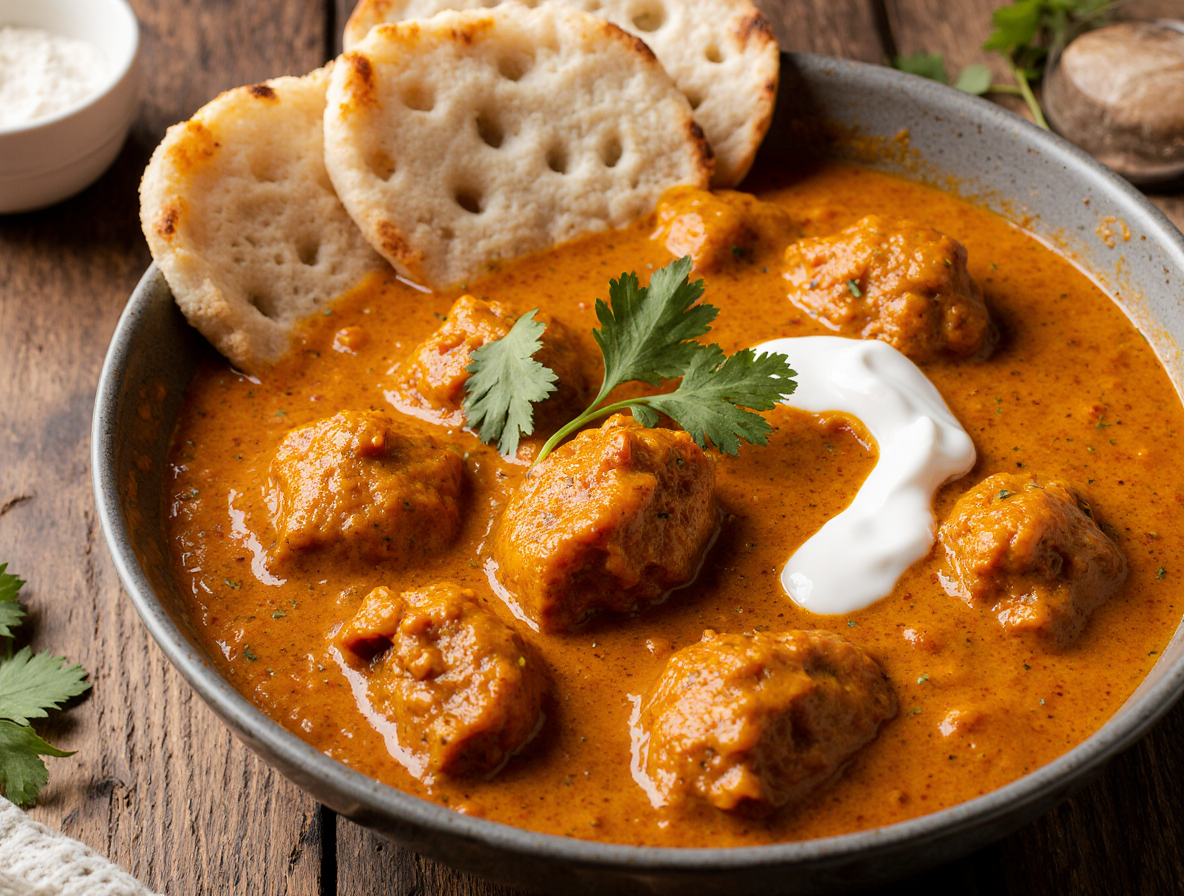
How to Make Restaurant-Style Butter Chicken: A Foolproof Recipe

Did you know that butter chicken recipe origins trace back to the 1950s in Delhi? This beloved dish, also known as “Murgh Makhani” (which literally translates to “buttery chicken”), has quickly become one of the most popular Indian dishes worldwide.
In fact, butter chicken is famous for its silky smooth sauce with a rich flavor so delicious you might want to drink it with a spoon! Throughout my years of cooking, I’ve found that making authentic butter chicken recipe at home rivals any restaurant version. With the right butter chicken ingredients and technique for creating that velvety butter chicken sauce, you can master how to make butter chicken that serves approximately 6 people. Fortunately, this Indian butter chicken recipe is the equivalent of a cozy pair of fuzzy socks or a long soak in a hot tub – pure comfort on a plate.
In this article, we’ll walk through our foolproof method for creating restaurant-quality butter chicken at home. From marination secrets to sauce perfection, you’ll learn everything you need to know to impress your family and friends with this classic dish.
Gathering the Right Ingredients
The secret to truly authentic butter chicken recipe lies in selecting the right ingredients. When shopping, remember that quality matters — particularly with the spices, as they create the foundation of flavors that makes this dish unforgettable.
Essential spices for authentic flavor
The heart of butter chicken comes from its distinctive spice blend. Garam masala stands as the cornerstone spice — a fragrant mixture typically containing cinnamon, cloves, cardamom, cumin, coriander, and peppercorns. Additionally, you’ll need ground turmeric for its earthy notes and vibrant color, along with Kashmiri chili powder which provides that signature red hue without overwhelming heat.
Perhaps the most important yet often overlooked ingredient is kasoori methi (dried fenugreek leaves). Many chefs consider this the “secret ingredient” that gives butter chicken its distinctive flavor profile. Furthermore, whole spices like green cardamom pods add depth that simply cannot be replicated with ground versions.
Choosing between chicken breast and thighs
While both chicken breasts and thighs work beautifully in butter chicken, they offer different qualities to the finished dish. Chicken breasts provide a leaner option with a mild, neutral flavor that readily absorbs the sauce. However, chicken thighs are generally preferred in traditional recipes as they remain juicier and more tender during cooking.
Thighs contain slightly higher fat content, contributing to a more robust flavor profile that stands up well to the rich spices. Meanwhile, the dark meat tends to stay moist even when cooked for extended periods — a significant advantage when simmering in sauce.
Substitutes for hard-to-find ingredients
If you can’t locate certain ingredients, several substitutions work well. For Kashmiri chili powder, combine ¾ teaspoon smoked sweet paprika with ¼ teaspoon cayenne pepper. Cashews, which provide richness and thickening, can be replaced with blanched almonds or almond flour.
Though essential for authentic flavor, kasuri methi can be difficult to find. While there’s truly no perfect substitute, you may omit it — though the magical flavor notes it provides will be missed. For a ready-made alternative, consider MDH Butter Chicken Masala spice mix, supplemented with additional garam masala, ground cloves, cumin, cardamom, and coriander.
Marinating the Chicken for Maximum Flavor
Marination is the cornerstone of creating truly exceptional butter chicken. Properly marinated chicken absorbs flavors deeply and becomes tender enough to melt in your mouth.
How long to marinate for best results
Many professional chefs recommend a two-stage marination process for the most flavorful results. The first stage uses vinegar, salt, and chili powder for just 20-30 minutes to break down collagen in the chicken, creating that signature tender texture. For the second stage, yogurt and spices are added for a longer period—anywhere from 4-12 hours.
For those using chicken breasts instead of thighs, extend your marination time to a minimum of 12 hours for optimal results. Essentially, the longer you marinate, the juicier and more tender your chicken becomes. Some recipes even suggest marinating for up to 48 hours for maximum flavor penetration.
Tips for making ginger garlic paste
Freshly prepared ginger garlic paste fundamentally transforms your butter chicken recipe. Beyond enhancing flavor, it aids digestion and helps tenderize the meat. To make it, simply combine fresh ginger, garlic, and a splash of oil in a blender until smooth.
The ratio typically ranges from 1:1 to 1:2 (ginger:garlic). For beginners, test small batches to find your preferred balance. Avoid using water when making the paste—oil prevents splattering during cooking and helps release the aromatics.
Using yogurt and tandoori masala effectively
Yogurt serves as more than just a flavor carrier—it actively tenderizes chicken through its calcium and lactic acid content. Unlike harsh acid-based marinades that can toughen meat, yogurt gently breaks down proteins for consistently moist results.
For each pound of chicken, use approximately 1/2 cup of yogurt. Full-fat or Greek yogurt works best, but if using Greek yogurt, thin it slightly with lemon juice or oil to ensure proper coating. Add tandoori masala to the yogurt base along with other spices to create that distinctive restaurant-quality flavor that makes authentic butter chicken so irresistible.
Making the Butter Chicken Sauce
The signature velvety texture of butter chicken comes from its carefully crafted sauce. Creating this rich, aromatic base requires patience and attention to detail—fortunately, the results are worth every minute.
Sauteing onions and spices
I begin by heating butter (or ghee) in a heavy-bottomed pot over medium heat. Then comes the foundation: slowly cooking onions until they turn golden, which typically takes about 15-20 minutes. This extended cooking time allows the onions to develop sweetness without browning too quickly. For enhanced flavor, some recipes recommend adding whole spices like green cardamom, cinnamon stick, and cloves at this stage to infuse the oil.
Once the onions reach that perfect golden hue, I add ginger-garlic paste and cook for approximately one minute until fragrant. This brief cooking time prevents the garlic from burning yet releases its essential oils. Consequently, I add ground spices—garam masala, paprika, turmeric, and cinnamon—stirring constantly for about 30-60 seconds to toast them. This crucial step activates the spices’ essential oils, intensifying their flavors throughout the sauce.
Blending the tomato base
Next, I incorporate tomatoes—either fresh, canned, or puree—and cook them for about 15-20 minutes until they reduce to a thick paste. Some recipes suggest adding cashews or almonds at this stage to create that signature creamy texture. After the tomatoes have cooked down, I remove the pot from heat and let the mixture cool slightly.
Subsequently, I blend everything until completely smooth, either with an immersion blender directly in the pot or by transferring to a standard blender. This step creates that signature silky-smooth texture authentic butter chicken is known for.
When to add cream and fenugreek leaves
Following blending, I return the sauce to low heat before adding cream. This technique prevents the cream from curdling. Moreover, I introduce garam masala and crushed dried fenugreek leaves (kasuri methi) at this final stage. Adding these elements at the end preserves their delicate aromas that would otherwise dissipate during longer cooking.
Finally, I allow the sauce to simmer gently for about 5 minutes after adding the cream. This brief final cooking time ensures all flavors meld perfectly while maintaining the sauce’s vibrant color and aromatic qualities.
Cooking and Assembling the Dish
After preparing your marinade and sauce, it’s time to bring your butter chicken recipe together in its final form. This stage transforms separate components into that luscious, restaurant-worthy dish.
Cooking the marinated chicken
The transformation begins with properly cooking your marinated chicken. Firstly, you can sear the chicken in a hot pan with ghee or oil for 2-3 minutes per side until slightly charred. Alternatively, bake in a preheated oven at 400°F for 12 minutes, turning the pieces halfway through cooking. For a modern approach, air fry at 190°C for about 5 minutes. Regardless of method, aim to cook the chicken partially as it will finish cooking in the sauce.
Combining chicken with sauce
Once your chicken pieces are cooked, add them directly to your prepared sauce along with any accumulated juices. These juices contain valuable flavor compounds that enrich your butter chicken sauce. Fold everything together gently, ensuring each piece gets evenly coated.
Simmering and finishing touches
Allow the combined chicken and sauce to simmer for 5-10 minutes, until the chicken is completely tender and fully cooked. Afterwards, stir in kasuri methi (dried fenugreek leaves) by crushing them between your palms to release their aroma. Subsequently, add fresh cream and a final tablespoon of butter, stirring gently until incorporated. Taste and adjust seasoning as needed before garnishing with fresh cilantro.
Conclusion
Making restaurant-style butter chicken at home actually requires patience and attention to detail, but the results are undoubtedly worth every minute spent in the kitchen. Throughout this cooking journey, we’ve explored each critical step that transforms ordinary ingredients into this extraordinary dish that has captivated food lovers worldwide since its creation in 1950s Delhi.
Remember that quality ingredients make all the difference, especially when it comes to spices like garam masala and kasoori methi. Additionally, the two-stage marination process remains non-negotiable if you want that melt-in-your-mouth texture that defines authentic butter chicken.
The sauce, certainly the heart of this dish, demands your care – from properly sautéing onions to achieving that signature velvety consistency through careful blending and the timely addition of cream. Most importantly, take your time with each step rather than rushing the process.
After following this foolproof recipe, you’ll discover that homemade butter chicken can indeed rival or even surpass restaurant versions. Before long, this comforting dish will become a staple in your cooking repertoire, impressing family and friends alike with its rich, complex flavors and silky smooth sauce.
So grab your spices, prepare your marinade, and start creating this iconic dish in your own kitchen. Soon enough, you’ll be enjoying a plate of butter chicken so delicious you might just want to drink the sauce with a spoon!
FAQs
Q1. What are the key ingredients for authentic butter chicken? The essential ingredients include boneless chicken, yogurt, tomatoes, cream, butter, and a blend of spices like garam masala, turmeric, and Kashmiri chili powder. Kasoori methi (dried fenugreek leaves) is often considered the “secret ingredient” that gives butter chicken its distinctive flavor.
Q2. How long should I marinate the chicken for best results? For optimal flavor and tenderness, marinate the chicken in two stages. First, use vinegar, salt, and chili powder for 20-30 minutes. Then, add yogurt and spices for 4-12 hours, or up to 48 hours for maximum flavor penetration.
Q3. What’s the secret to achieving a smooth, restaurant-style sauce? To create a velvety smooth sauce, cook onions until golden, blend the tomato base with cashews or almonds, and strain the mixture. Add cream towards the end of cooking, and finish with a touch of butter and kasuri methi (dried fenugreek leaves) for that authentic restaurant taste.
Q4. How can I make my butter chicken taste more like takeout? To achieve that takeout flavor, use fresh whole spices (ground just before use), add more butter and cream than you might at home, and don’t skimp on the salt. Some restaurants also use a base gravy prepared in advance, which adds depth to the flavor.
Q5. Can I make butter chicken ahead of time? Yes, butter chicken actually tastes better when made in advance. Prepare the dish and refrigerate it for a day or two before serving. This allows the flavors to meld and develop, resulting in a richer, more complex taste similar to what you’d get in a restaurant.