
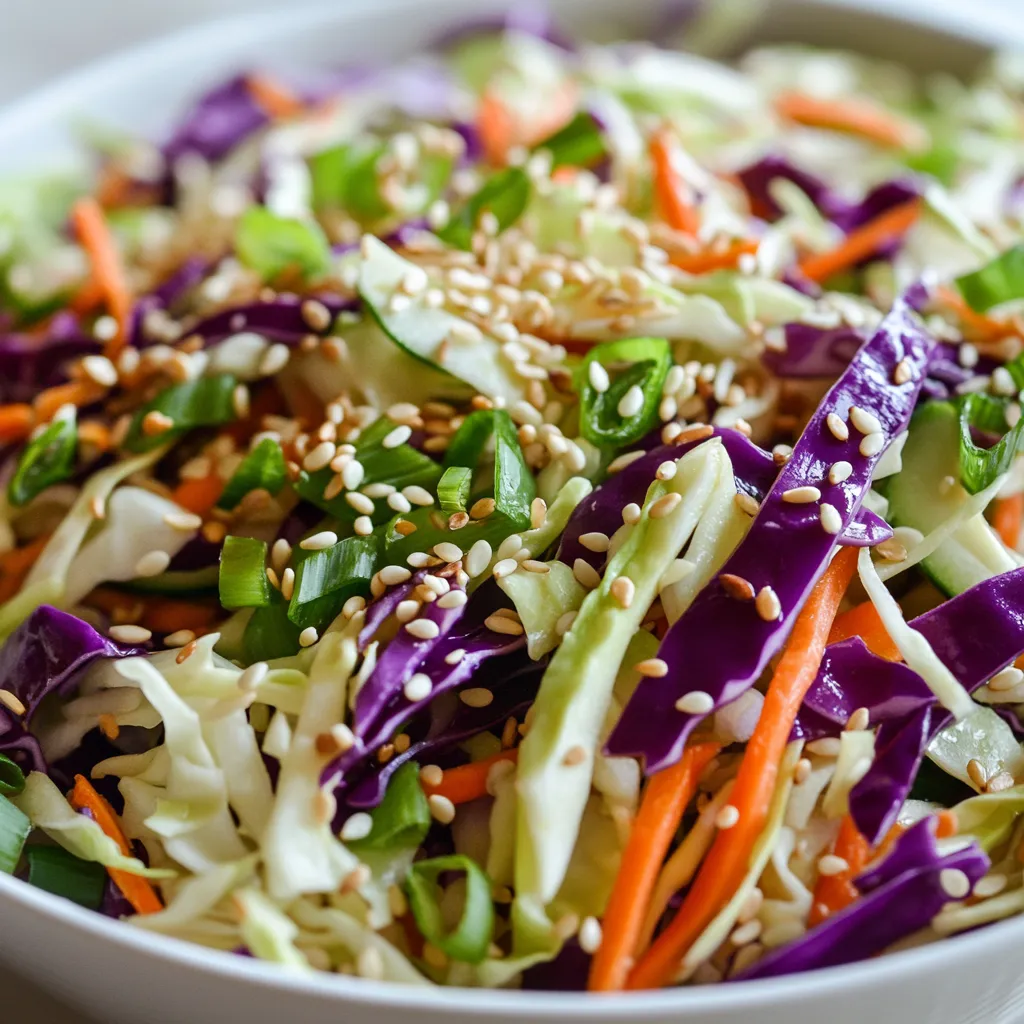
Japanese Cabbage Salad Delight Recipe
Introduction
Japanese Cabbage Salad Delight is a vibrant and refreshing dish that beautifully combines the crunch of fresh vegetables with a zesty dressing. This salad is not just visually appealing; it’s also healthy, making it the perfect addition to any meal. The striking contrast between the colors of the green and red cabbages not only elevates the aesthetics of your dining table but also offers a satisfying crunch that enhances each bite.
This salad is versatile enough to be served as a side at family gatherings, potlucks, or even as a light lunch. With its combination of textures and flavors, it appeals to both children and adults, making it a family favorite. Additionally, the dressing adds a delightful umami flavor that complements the fresh vegetables perfectly, transforming simple ingredients into a gourmet experience.
Recipe Overview
– Total Time: 25 minutes
– Prep Time: 15 minutes
– Servings: 4
– Difficulty: Not specified in the recipe
This recipe provides a comprehensive look at creating a delicious Japanese Cabbage Salad, easily prepared in under 30 minutes. With a balance of textures and flavors, it features shredded cabbages, carrots, and cucumbers, dressed in a savory-sweet glaze. Ideal for four servings, this dish can be enjoyed chilled or at room temperature.
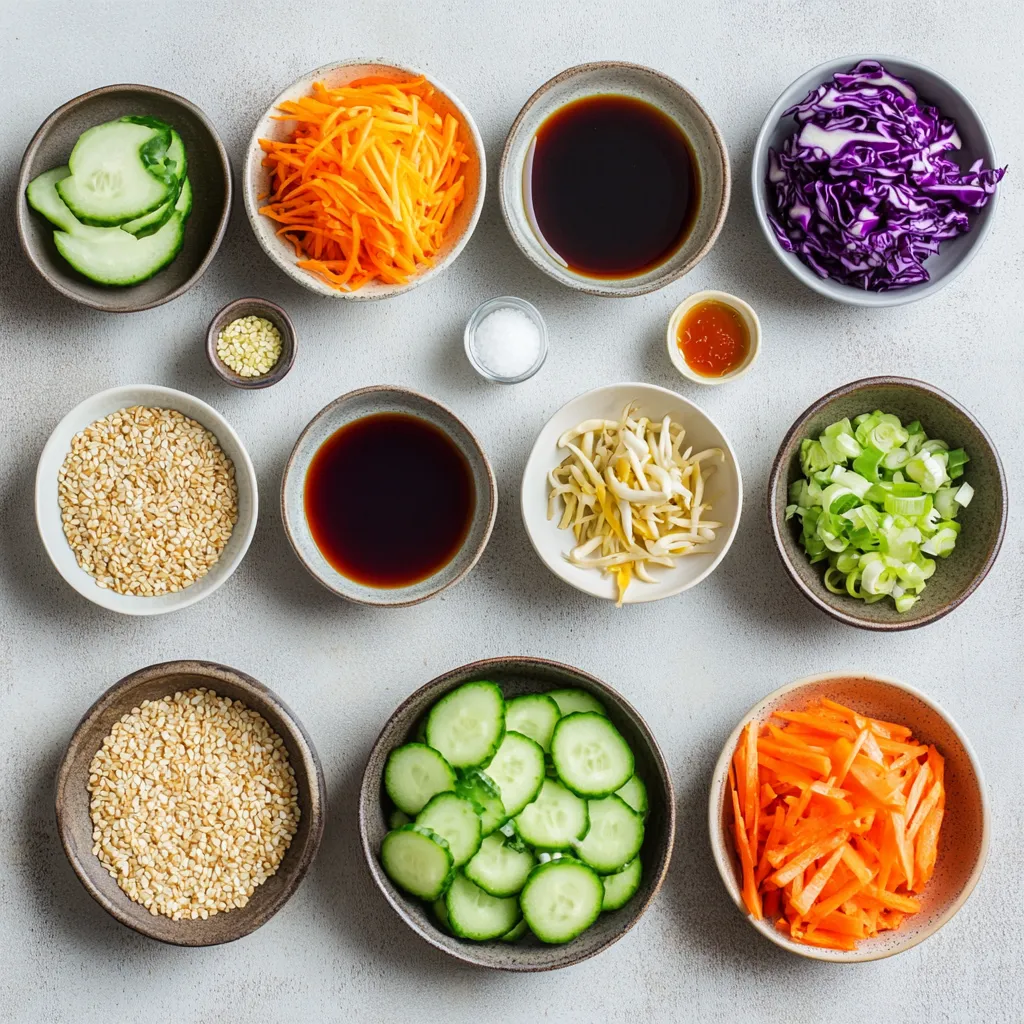
Ingredients
– 4 cups finely shredded green cabbage
– 1 cup shredded red cabbage
– 1 large carrot, cut into matchstick pieces (julienned)
– 1/2 cucumber, sliced thinly
– 1/4 cup green onions, finely chopped
– 1/4 cup toasted sesame seeds
– 1/4 cup rice vinegar
– 2 tablespoons soy sauce
– 1 tablespoon sesame oil
– 1 tablespoon honey or maple syrup
– 1 teaspoon freshly grated ginger
– Salt and freshly ground pepper to taste
Instructions
1. In a large mixing bowl, combine the finely shredded green cabbage, red cabbage, julienned carrot, thinly sliced cucumber, and chopped green onions. Gently toss the vegetables together to ensure they are well mixed.
2. In a separate small bowl, whisk together the rice vinegar, soy sauce, sesame oil, honey (or maple syrup), freshly grated ginger, salt, and pepper until the dressing is smooth and well blended.
3. Drizzle the dressing over the mixed cabbage and vegetables, then toss everything together until the vegetables are thoroughly coated with the dressing.
4. Allow the salad to sit for about 10 minutes, enabling the flavors to meld and enhance.
5. Just before serving, generously sprinkle the toasted sesame seeds on top for added crunch and a burst of flavor.
6. Enjoy the salad either chilled or at room temperature for the best taste experience.
Importance of Fresh Ingredients
Flavor Enhancement
Using fresh ingredients ensures that the flavor profile of the salad is bright and lively. Fresh vegetables not only taste better but also bring a about a depth of flavors that dried or processed items simply cannot match. The crispy texture of the cabbages and the crunch of the cucumber provide contrast, while the sweet notes from the carrot add an unexpected yet delightful undertone.
Nutritional Benefits
Fresh vegetables contribute significantly to the nutritional value of the dish, offering vitamins and minerals. Green and red cabbages, for example, are rich in antioxidants, vitamin K, and other essential nutrients that promote overall health. By incorporating a variety of colorful vegetables, this salad becomes a powerhouse of nutritional benefits, ideal for anyone looking to enhance their diet with wholesome foods.
Visual Appeal
Fresh, vibrant ingredients make the salad more visually attractive and appetizing. The contrasting colors of green and red cabbages, bright orange carrots, and green onions create a feast for the eyes. A colorful dish not only looks better but also can stimulate appetite, making diners more eager to savor the meal. This aspect is particularly important when you’re serving guests or looking to impress family members at mealtime.
Preparation Techniques
Shredding Cabbage
To achieve the perfect texture for your Japanese Cabbage Salad Delight, finely shredding green and red cabbages is essential. Begin by cutting the cabbage into quarters and removing the core. Lay each quarter flat on a cutting board and slice it into thin strips. The thinness is key as it allows the cabbage to soften slightly while still maintaining a satisfying crunch. This method also increases the surface area of the cabbage, making it easier for the dressing to cling to each piece.
Julienning Carrots
Julienning the carrot not only adds to the visual appeal but also maintains a uniform size with other ingredients. To julienne, start by cutting the carrot into 2-3 inch sections. Take each section and slice it thinly lengthwise before stacking these thin slices and cutting them into matchstick-sized pieces. This method ensures that every bite contains the same flavor profile, allowing the sweetness of the carrot to distribute evenly throughout the salad.
Slicing Cucumbers
Thinly slicing cucumbers is another technique that enhances both texture and aesthetics in the salad. Use a sharp knife to cut the cucumber in half lengthwise and then slice it into thin half-moons. Alternatively, you can cut it into thin rounds if you prefer. The scoring method, where you gently press a fork along the length of the cucumber before slicing, can also add a decorative touch while reducing moisture for a crispier salad.
Creating the Dressing
Mixing the Base Ingredients
In a separate small bowl, creating the dressing requires careful attention to the harmony of flavors. Begin by adding the rice vinegar, soy sauce, sesame oil, honey (or maple syrup), and freshly grated ginger into the bowl. Use a whisk to combine the ingredients thoroughly, which will help in blending the sweet and savory notes. Each component plays a critical role; the rice vinegar provides acidity, while sesame oil lends a rich, nutty flavor.
Achieving Smooth Consistency
To ensure that the dressing is smooth and well-blended, it’s essential to whisk it thoroughly. Take your time to mix each ingredient, allowing the honey (or maple syrup) to dissolve completely into the liquid. This thorough mixing helps to emulsify the dressing, preventing the oil from separating from the other ingredients. A well-blended dressing will carry the flavors more uniformly throughout the salad.
Flavor Balancing
After mixing the base ingredients, adjusting flavors with salt and pepper can make all the difference in enhancing the overall taste of your salad. Start with a small amount and taste as you go. The goal is to create a dressing that complements the fresh vegetables without overpowering them. Hay lightly seasoned dressing ensures that the natural sweetness of the vegetables shines through while the umami adds depth.
Combining the Salad
Once all your ingredients and dressing are prepared, it’s time to bring them together. In a large bowl, combine the finely shredded cabbages, julienned carrots, thinly sliced cucumbers, and chopped green onions. Gently toss to ensure an even distribution of all ingredients. Following this, you will drizzle your well-mixed dressing over the vegetables. This step is crucial as it allows the dressing to cling to the vegetables rather than pool at the bottom of the bowl. The resting period lets the flavors meld perfectly before serving.
Tossing Techniques
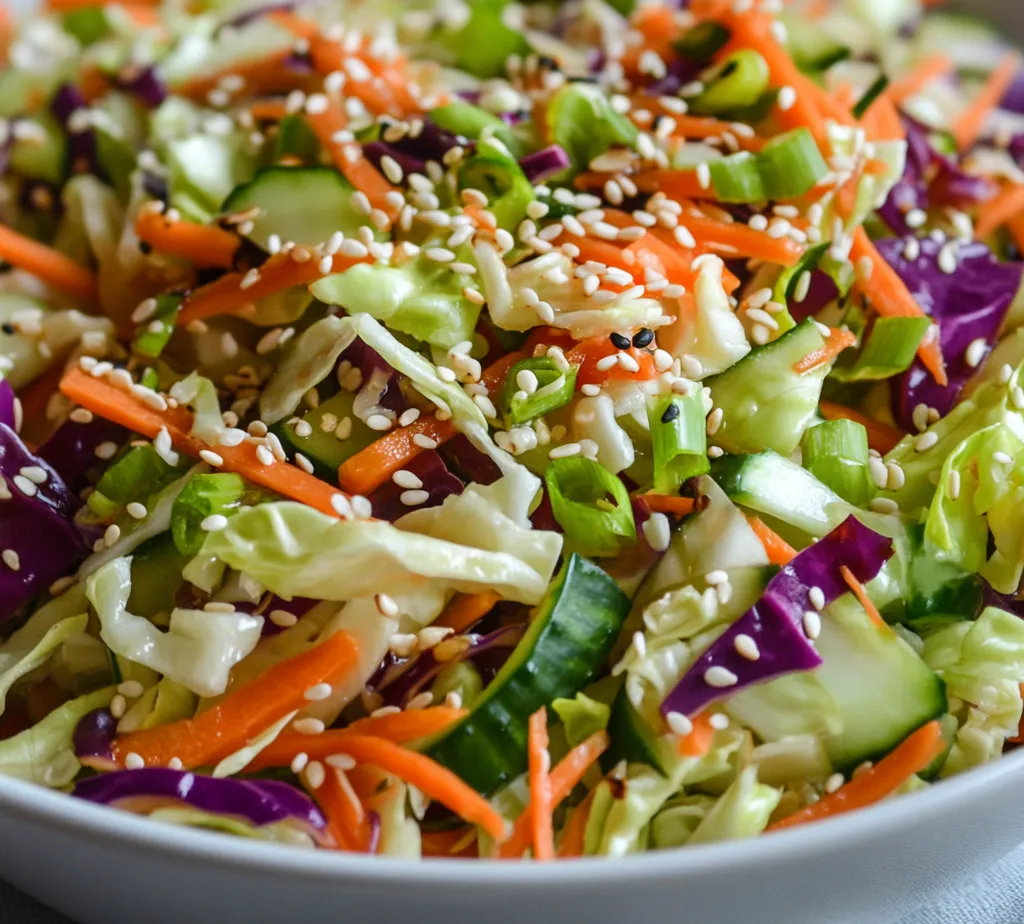
When preparing the Japanese Cabbage Salad Delight, it’s essential to use proper tossing techniques to maintain the integrity of the vegetables. The vegetables, particularly cabbage and carrots, are delicate and can bruise easily. Using a gentle folding motion instead of vigorous stirring ensures that each ingredient retains its crunch and texture. Consider using two utensils, like salad tongs or large spoons, to delicately lift and turn the ingredients rather than mixing them aggressively.
Additionally, when adding the dressing to the salad, pour it in a thin stream rather than all at once, which allows for a more controlled incorporation of flavors. This technique minimizes the chance of tearing or breaking the vegetables while ensuring that they’re evenly coated.
Coating the Ingredients
Even coating of the dressing across all the vegetables is crucial for achieving a balanced flavor in every bite. To do this, start by mixing the dressing well until it is uniform in consistency. Drizzle the dressing over the salad in several small increments. After adding a small amount, use the tossing technique described above to ensure the dressing evenly covers the greens and veggies.
If you prefer a more robust flavor, allow the salad to absorb some dressing for a few minutes before serving; however, be cautious not to soak it for too long to prevent the vegetables from becoming soggy.
Allowing Flavors to Meld
One of the secrets to enhancing the taste of the Japanese Cabbage Salad Delight is allowing it to sit for about 10 minutes after tossing. This resting period is vital as it enables the vegetables to absorb the flavors of the dressing. The slight wilting of the cabbage during this time helps release its natural juices, which mingle with the flavors of rice vinegar and sesame oil, creating a deliciously cohesive dressing.
This simple step is often overlooked but can significantly improve the depth of flavors in the dish, making it a more enjoyable experience.
Garnishing the Salad
Adding Toasted Sesame Seeds
Toasted sesame seeds are not just a garnish in this salad; they play a pivotal role in enhancing both flavor and texture. The nutty aroma of toasted seeds complements the fresh, crunchy vegetables, while their delightful crunch adds another layer of texture to each bite. Sprinkle them generously just before serving to maintain their crunch, as they can become soft if left in the salad for extended periods.
Consider toasting the sesame seeds yourself for an even deeper flavor. Simply heat a dry skillet over medium-low heat and add the seeds, stirring frequently until they’re golden brown and fragrant.
Presentation Tips
An aesthetically pleasing presentation can elevate even the simplest salad. Using a large, shallow bowl allows for a beautiful display of vibrant colors from the green and red cabbage, orange carrot, and earthy sesame seeds. Arrange the cabbage and vegetables in a circular pattern, radiating from a central point, or layer them in sections for a more organized look.
For an added touch, thinly slice cucumber into ribbons using a vegetable peeler or mandoline, and place them artistically on top of the salad. This technique not only adds height to your dish but also a fancy, restaurant-worthy appearance.
Color Contrast
The colorful ingredients in Japanese Cabbage Salad Delight contribute significantly to its appeal. Rich greens from the cabbage, vibrant reds from the red cabbage, and radiant oranges from the carrots create a feast for the eyes. Incorporating a variety of colors makes the salad not only appetizing but also visually stimulates those serving and enjoying it.
When selecting additional ingredients or variations, always aim for a contrast in color that can enhance the overall aesthetic of the dish.
Serving Suggestions
Temperature Preferences
This salad shines both chilled and at room temperature, making it versatile for various dining situations. For a refreshing coolness, serve immediately after preparing, or let it chill in the refrigerator for about 20 minutes.
On the other hand, if serving alongside a warm dish, the salad can be left at room temperature. The tastes of the dressing may evolve slightly at different temperatures, with cold serving styles offering a crisper, more refreshing experience.
Pairing Options
This Japanese Cabbage Salad is a perfect accompaniment to a variety of dishes. For a complete meal, consider serving it alongside grilled meats such as teriyaki chicken or beef skewers. It pairs well with sushi platters as a side salad that complements the flavors of the sushi rice.
For a vegetarian option, combine it with spicy tofu or vegetable stir-frys, as the fresh crunch balances the savory or sweet elements of these dishes beautifully.
Occasion Suitability
This salad is an excellent choice for numerous occasions. It works wonders at summer barbecues, as its refreshing nature helps balance rich grilled foods. Moreover, it’s suitable for casual family dinners, providing a light yet flavorful contribution to a larger meal.
For more formal gatherings, the stunning presentation and vibrant ingredients can impress guests, making it a delightful starter or side dish that appeals to health-conscious diners.
Variations of the Recipe
Adding Proteins
For those looking to transform this side salad into a substantial main dish, consider adding proteins such as grilled chicken, shrimp, or even cubes of tofu. These additions bring extra heartiness and transform the salad into a standalone meal that is still fresh and nutritious.
If opting for chicken, grilling with a hint of Asian influence, such as teriyaki marinade or a sprinkle of five-spice powder, will enhance the overall flavor profile.
Experimenting with Dressings
While the sesame dressing is delightful, experimenting with various dressings can provide exciting flavor twists. A miso-based dressing or a zesty citrus vinaigrette could complement the salad beautifully while adding unique dimensions.
Additionally, a peanut dressing could provide a creamy and rich layer that pairs wonderfully with the crunchiness of the veggies, introducing a whole new flavor experience.
Customizing Vegetables
Feel free to customize the salad based on seasonal availability or personal preferences. Adding seasonal vegetables like bell peppers, radishes, or snap peas can enhance both the flavor and visual appeal. Avoid over-adding watery vegetables, as they may dilute the flavor of the dressing.
Nutritional Information
Caloric Content
This Japanese Cabbage Salad Delight is relatively low in calories, making it a guilt-free option. For methods such as a calorie breakdown per serving, it’s essential to consider the proportion of oil and honey (or maple syrup) as these can significantly impact the overall caloric content.
Vitamins and Minerals
The ingredients in this salad are rich in essential vitamins and minerals. Green and red cabbages are excellent sources of vitamin K and vitamin C, as well as folate and fiber, contributing to overall health benefits. Carrots are rich in beta-carotene, which is important for skin and eye health, while cucumbers provide hydration due to their high water content.
Dietary Considerations
This salad is naturally gluten-free and can easily be adapted to meet vegan dietary restrictions by opting for maple syrup as a sweetener rather than honey. With the careful choice of ingredients, it is suitable for most diets, providing a nutritious option for gatherings where diverse dietary needs may arise.
Conclusion
Japanese Cabbage Salad Delight showcases a harmonious blend of flavors and textures that come together in just 25 minutes. Crisp vegetables provide a refreshing crunch, while the sesame seeds add a delightful nuttiness that enhances each bite. This colorful dish not only stands out visually but also delivers a satisfying, healthy option for any occasion.
Japanese Cabbage Salad Delight Recipe
Ingredients
- 4 cups finely shredded green cabbage
- 1 cup shredded red cabbage
- 1 large carrot cut into matchstick pieces
- ½ cucumber sliced thinly
- ¼ cup green onions finely chopped
- ¼ cup toasted sesame seeds
- ¼ cup rice vinegar
- 2 tablespoons soy sauce
- 1 tablespoon sesame oil
- 1 tablespoon honey or maple syrup
- 1 teaspoon freshly grated ginger
- Salt and freshly ground pepper to taste
Instructions
- In a large mixing bowl, combine the finely shredded green cabbage, red cabbage, julienned carrot, thinly sliced cucumber, and chopped green onions.
- Gently toss the vegetables together to ensure they are well mixed.
- In a separate small bowl, whisk together the rice vinegar, soy sauce, sesame oil, honey (or maple syrup), freshly grated ginger, salt, and pepper until the dressing is smooth.
- Drizzle the dressing over the mixed cabbage and vegetables, then toss everything together until coated.
- Allow the salad to sit for about 10 minutes to meld the flavors.
- Just before serving, sprinkle the toasted sesame seeds on top.