Burrata Bliss: A Delightful Caprese Salad
Introduction
Exploring the Divine Combination of Burrata and Tomatoes
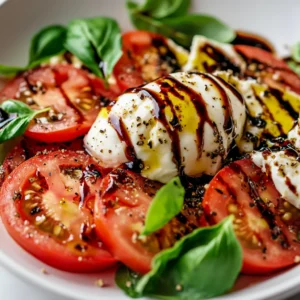
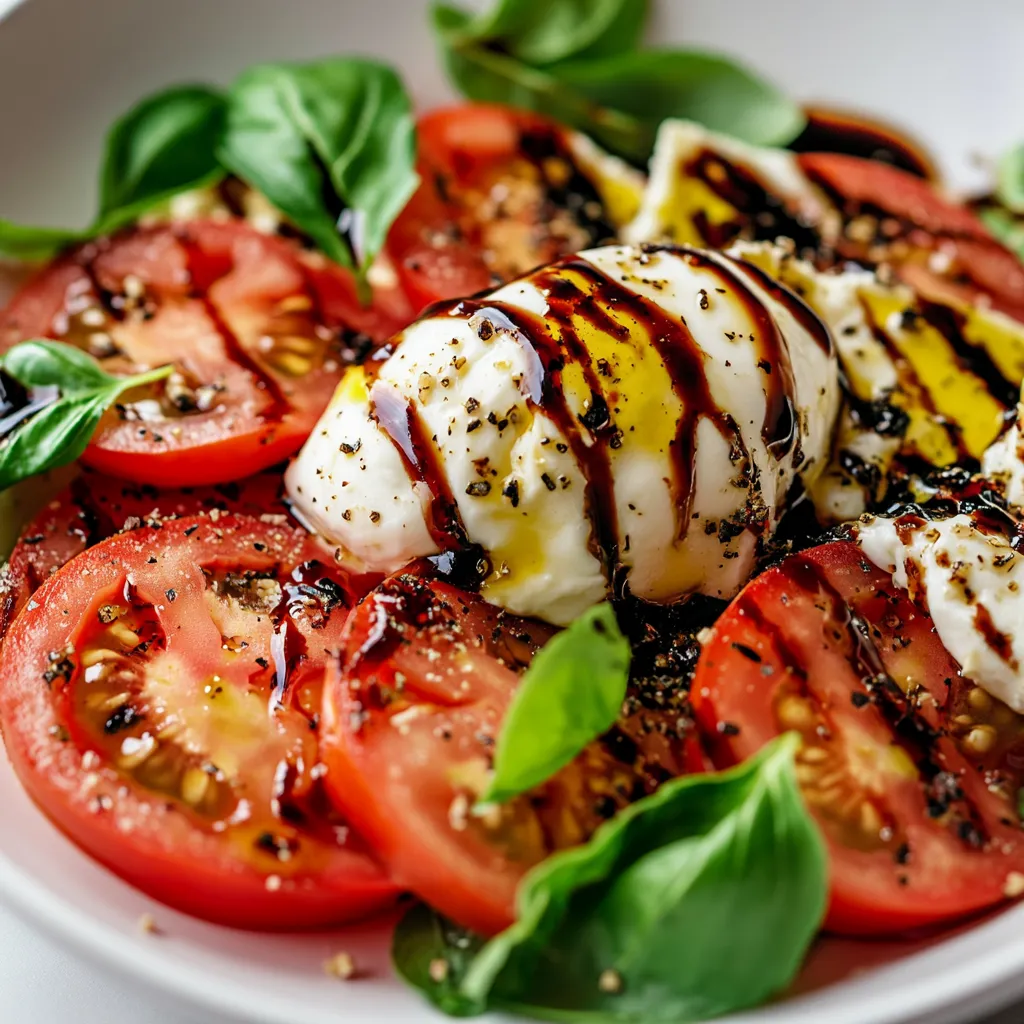
The allure of Italian cuisine is embodied in the simplicity and freshness of its ingredients, and few dishes capture this essence as beautifully as a Caprese salad with burrata. This delightful recipe showcases the harmony between rich, creamy burrata and vibrant tomatoes, elevated with the brightness of fresh basil. Perfect as a starter or a light meal, this dish brings the aroma of summer to your table all year round.
The burrata cheese, with its luscious interior and smooth exterior, pairs harmoniously with the ripe tomatoes to create a dish that is both visually stunning and satisfying to the palate. Each component contributes to an experience that transcends the ordinary, creating a salad that not only celebrates freshness but also elevates any occasion. Whether served at a casual picnic or a formal dinner party, the captivating colors and flavors of this dish are sure to impress.
To fully appreciate the dimensions of this Caprese salad, it is essential to understand the importance of quality ingredients and the thoughtful preparation process that will highlight their natural flavors. The combination of textures, with the creamy burrata contrasting the firm, juicy tomatoes and bright basil leaves, invites every diner to delve into a plate that bursts with freshness and flavor.
Recipe Overview
Understanding the Appeal of Burrata Bliss
This Caprese salad is more than just a meal; it’s a celebration of freshness and flavor. Combining burrata cheese, heirloom tomatoes, and fragrant basil, this dish promises a burst of taste with every bite. The balsamic glaze adds a nuanced sweetness, while the quality olive oil ties the elements together, ensuring a mouthwatering experience.
– Total Time: 15 minutes
– Yield/Servings: 4
– Difficulty: Not specified in the recipe
Ingredients
Gathering Your Fresh Ingredients
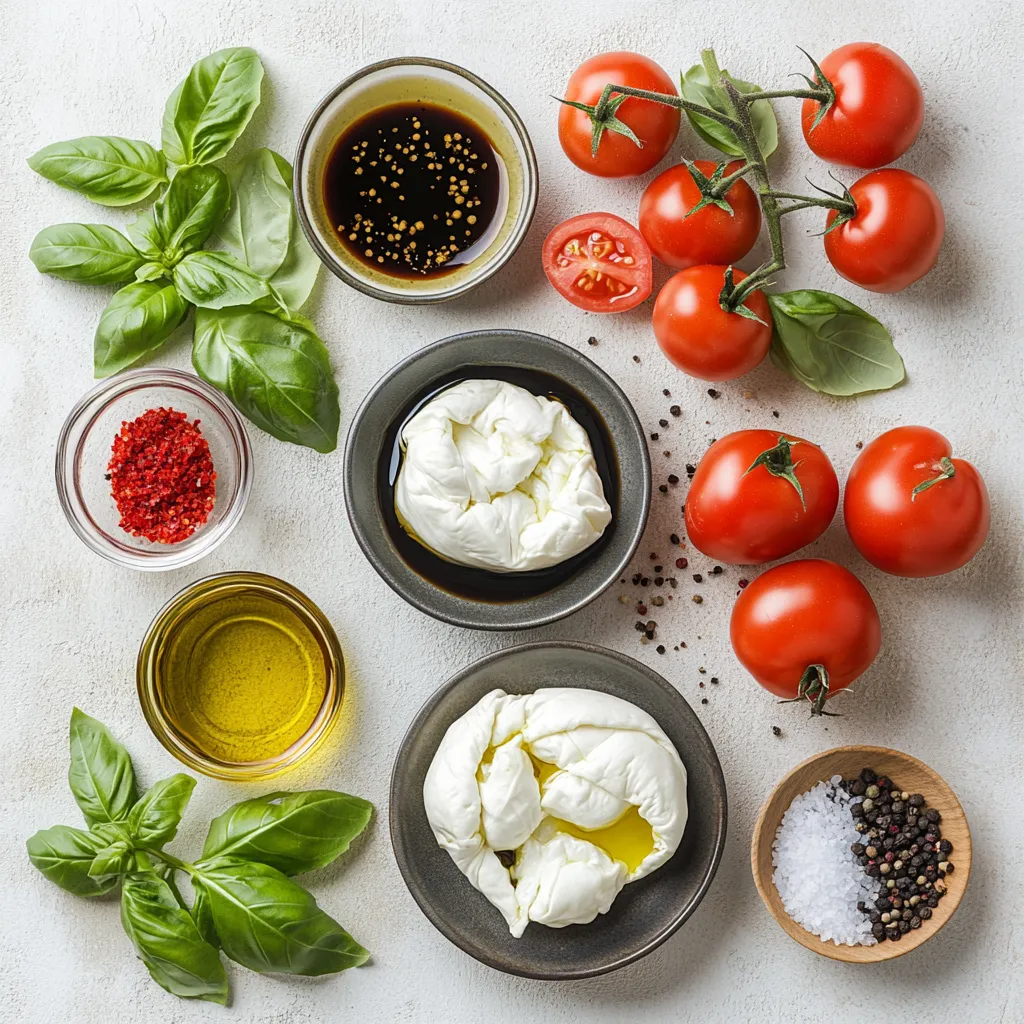
To achieve the perfect balance of flavors and textures, using high-quality ingredients is essential. Here’s what you’ll need:
– 2 balls of fresh burrata cheese
– 4 medium ripe tomatoes (preferably heirloom or vine-ripened), sliced into thick rounds
– 1 cup fresh basil leaves, gently washed and dried
– 2 tablespoons high-quality extra virgin olive oil
– 1 tablespoon rich balsamic glaze
– Sea salt, to taste
– Freshly cracked black pepper, to taste
Instructions
Step-by-Step Guide to Making Burrata Bliss
Following these steps will ensure your salad is presented beautifully and tastes incredible.
1. Start by rinsing the tomatoes and basil leaves under cool running water. Use a clean kitchen towel to pat them dry thoroughly.
2. Cut the tomatoes into thick slices, approximately ½ inch in thickness. Arrange the tomato slices artistically on a large serving platter, allowing them to slightly overlap for an inviting presentation.
3. Tear the fresh basil leaves into smaller pieces and scatter them generously over the tomatoes, adding a vibrant touch to the dish.
4. Gently open the burrata cheese balls and position them in the center of the tomato and basil display. You may choose to keep them whole for a stunning visual effect, or slice them open to reveal their creamy, luscious interior.
5. Evenly drizzle the extra virgin olive oil over the assembled salad, enhancing the natural flavors of the tomatoes and the rich burrata.
6. Add a touch of sweetness and acidity by drizzling balsamic glaze over the salad, creating a delightful contrast with the creamy cheese.
7. Finish by seasoning with a sprinkle of sea salt and a few cracks of black pepper, adjusting to your taste preferences.
8. Serve this delightful salad immediately, allowing your guests to savor the freshness of the ingredients along with the indulgent creaminess of the burrata.
Preparation Steps
Rinsing and Drying Ingredients
The first step in preparing this delightful Caprese salad is to ensure that your ingredients are fresh and clean. Rinsing the tomatoes and basil leaves under cool running water not only removes any dirt but also enhances their flavors. After washing, pat them dry thoroughly with a clean kitchen towel. Excess moisture can dilute the flavors and texture of the salad, so it’s important to ensure your ingredients are well-dried before assembly.
Slicing Tomatoes
Next, slice the tomatoes into thick rounds, approximately ½ inch in thickness. The thickness affects both presentation and texture; thicker slices provide a substantial bite and maintain their juiciness during the assembly process. Aim for even slices for a visually appealing arrangement on the platter. Use a sharp knife to ensure this, as a dull blade may squish the fruits instead of cutting cleanly.
Preparing Basil
Tearing the fresh basil leaves into smaller pieces is an essential step in unlocking the herb’s aromatic oils. Rather than chopping, which may bruise the leaves and release excess moisture, tearing them by hand helps maintain the integrity of the basil while enhancing the release of its naturally fragrant qualities. Scatter these torn pieces generously over the tomatoes to create not just flavor but also a vibrant visual contrast.
Arranging the Salad
Artistic presentation can elevate the dining experience, making it essential to carefully arrange the salad. Start by overlapping the tomato slices on a large, flat serving platter, creating a canvas for your dish. Position the burrata in the center, either whole or sliced open for a stunning effect. Consider using a platter with contrasting colors to highlight the tomatoes and basil and enhance the visual appeal. For an extra touch, feel free to garnish with whole basil leaves or microgreens for an elegant finish.
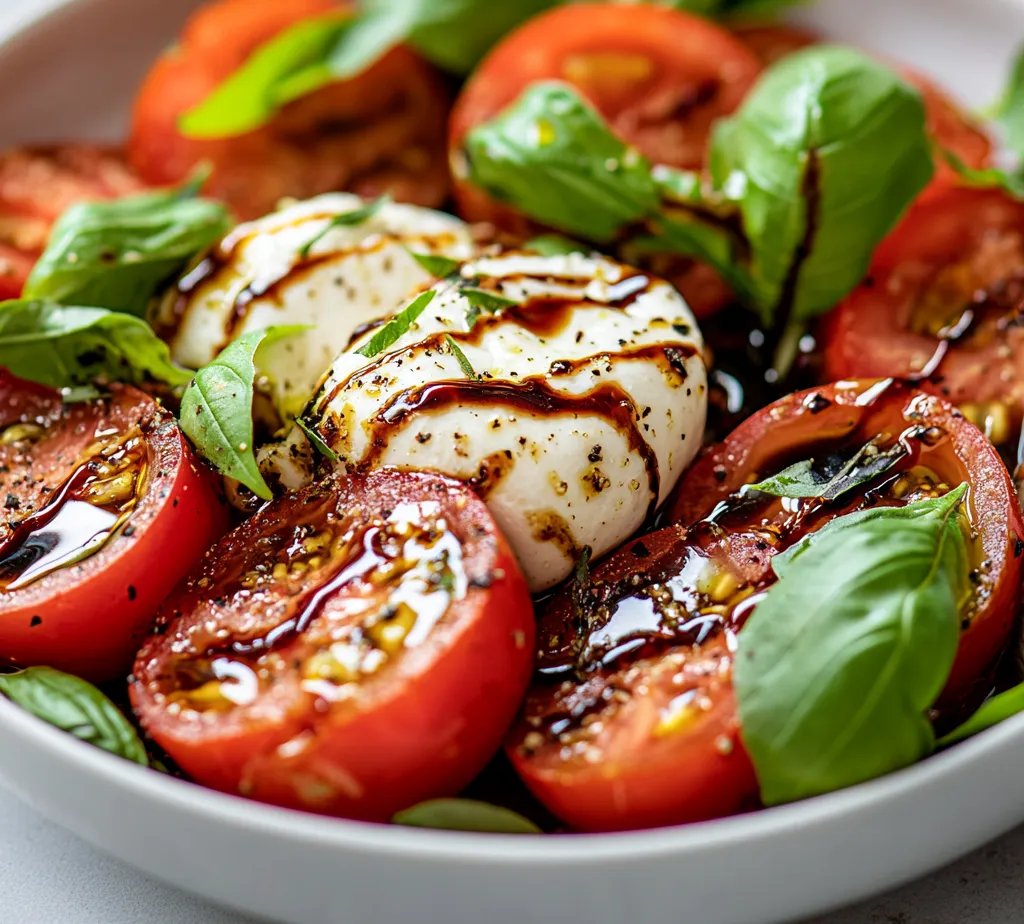
Alternative garnishes that complement the dish
While the classic presentation of Burrata Bliss is delightful enough on its own, considering additional garnishes can further enhance both the aesthetic and flavor profile. Some alternative garnishes that pair beautifully with the existing ingredients include:
– Microgreens: Adding a sprinkle of microgreens, such as arugula or sunflower sprouts, can introduce a fresh, peppery bite that offsets the creaminess of burrata.
– Edible flowers: Consider garnishing with edible flowers, such as nasturtiums or violas, for a visually stunning and flavorful addition that complements the garden freshness.
– Toasted nuts: A handful of toasted pine nuts or slivered almonds can add a satisfying crunch and nutty flavor that contrasts with the smooth burrata.
– Capers: For a briny kick, a few capers can create an interesting balance with the sweetness of the tomatoes and the creaminess of the cheese.
Flavor Pairing
Complementary Flavors to Enhance the Experience
Pairing the right elements can elevate your Caprese salad.
Wine Pairings
To fully enjoy Burrata Bliss, consider serving it with appropriate wines.
– A light, crisp white wine, like Sauvignon Blanc or Pinot Grigio, can balance the creaminess of the burrata while enhancing the freshness of the tomatoes. The acidity in these wines cuts through the richness, creating a harmonious pairing.
– If you prefer red wine, opt for a light-bodied option, such as Chianti or Pinot Noir, which showcases bright fruit notes that can complement the sweet notes of ripe tomatoes and the bolder flavors of olive oil.
Characteristics of red and white wines that enhance the dish
When selecting wines, look for:
– Wines with high acidity to elevate the flavors without overpowering the dish.
– Fruit-forward profiles, especially with hints of cherry or citrus, which can enhance the natural sweetness of the tomatoes and balance the salinity from the cheese and salt.
Side Dishes
Pairing side dishes with this salad can create a well-rounded meal.
– Ciabatta or focaccia bread can absorb the delicious olive oil and balsamic glaze, adding a chewy texture that complements the creamy burrata.
– A light pasta dish, such as a lemon and olive oil spaghetti, can provide a refreshing balance without competing with the flavors of the salad.
– Roasted vegetables, particularly asparagus or zucchini, offer a savory component that adds depth to the meal, as their caramelized taste pairs well with the freshness of the salad.
Considerations for balancing flavors and textures
Ensure side dishes maintain the overall lightness of the meal. Focus on fresh ingredients and bright flavors to create an enjoyable dining experience that leaves the palate refreshed.
Nutritional Benefits
Understanding the Health Aspects
This indulgent dish offers more than just flavor; it has numerous health benefits.
Nutritional Content of Burrata
Burrata cheese is not only a decadent addition but also lends itself to nutritional benefits, including:
– High-quality fats: Burrata provides healthy fats that can increase satiety and enhance nutrient absorption.
– Protein: A good source of protein, it aids in muscle repair and growth.
– Vitamins and minerals: Rich in calcium, burrata supports bone health, while also providing essential vitamins like B12 and vitamin A.
Benefits of Tomatoes
Ripe tomatoes are packed with nutritional value, including:
– Antioxidants like lycopene, which is known for its potential protective effects against various diseases.
– Fiber that aids digestion, making them a beneficial addition to the diet.
– Vitamins such as C and K, contributing to immune health and proper blood coagulation.
Basil’s Medicinal Properties
Basil is not only a flavorful herb but offers several health benefits:
– Anti-inflammatory properties help combat inflammation in the body.
– Antioxidants present in basil can support overall health by neutralizing damaging free radicals.
– Basil’s aroma is believed to aid in stress relief and improve mental clarity.
Variations
Creative Twists on a Classic Salad
While the traditional Caprese is beloved, consider these variations to keep things fresh.
Different Cheeses
Exploring alternatives to burrata can diversify the flavors of your salad.
– Fresh mozzarella offers a firmer texture and a slightly tangy taste, while still providing creaminess.
– Goat cheese can introduce a delightful tang and is ideal for enhancing the dish’s earthy notes.
How flavors change based on cheese choice
Each cheese brings its unique character and can influence the overall flavor balance of the salad, from sweet and creamy with burrata to tangy and crumbly with goat cheese.
Alternative Vegetables
Incorporating seasonal vegetables can refresh the dish:
– Grilled or roasted vegetables, such as bell peppers or eggplant, can introduce smoky flavors while providing added nutrients.
– Avocado adds creaminess and healthy fats, creating a sumptuous alternative that pairs well with the basil.
How to incorporate seasonal produce
Seasonal vegetables not only enhance nutritional value but also offer diverse flavor profiles that harmonize with fresh tomatoes.
Added Proteins
For those looking to create a heartier meal, consider adding proteins:
– Grilled chicken or shrimp can provide satiating protein without overshadowing the fresh salad.
– Legumes like chickpeas can offer plant-based protein while synergizing with the other ingredients.
Balancing flavors with protein additions
Ensure added proteins are seasoned lightly to allow the flavors of the salad to shine. Aim for herbs or light dressings that complement rather than compete with the existing ingredients.
Storage Tips
Keeping Your Ingredients Fresh
Proper storage can maintain the integrity of your ingredients and leftovers.
Storing Burrata
When it comes to preserving the freshness of burrata:
– Store unopened burrata in its original packaging in the fridge. Once opened, keep it submerged in its brine or water in an airtight container to maintain moisture.
– Burrata is best consumed within a couple of days after opening for optimal taste.
Signs of spoilage to look out for
If the cheese develops an off smell, changes color, or exhibits a slimy texture, it should be discarded.
Handling Leftover Salad
For any leftover salad:
– Store disassembled salad components separately in airtight containers in the refrigerator. This way, tomatoes and burrata remain fresh and don’t sog up the other ingredients.
– Assemble fresh portions as desired, as the flavor and texture of a Caprese salad are best enjoyed fresh.
Recommended timeframes for quality consumption
Aim to consume leftovers within 1-2 days for the best taste and texture.
Cultural Significance
Exploring the Origins of Caprese Salad
Understanding the roots of this dish adds depth to your culinary appreciation.
The History of Caprese Salad
The Caprese salad originates from Italy, specifically from the island of Capri, where it was created to reflect the colors of the Italian flag—green (basil), white (mozzarella), and red (tomatoes).
Connections to the Italian regions known for tomatoes and basil
Caprese is emblematic of Southern Italian cuisine, which boasts rich agricultural practices ideal for growing tomatoes and basil, making this dish a staple in Italian households and restaurants.
Burrata’s Place in Italian Cuisine
Burrata originates from the Apulia region of Italy and has grown to be cherished across the globe as a luxurious addition to many dishes. Its creamy consistency and flavorful profile complement various culinary traditions, making it a delightful choice for a classic Caprese salad.
In summary, the Burrata Bliss Caprese salad captivates the palate with its fresh and vibrant flavors, rich textures, and elegant presentation. Preparing the dish takes just 15 minutes, making it a quick yet impressive option for any gathering. With its versatility in pairings and potential culinary explorations, this salad remains a timeless classic.