
Nourishing Vegetable Delight Soup Recipe
Introduction
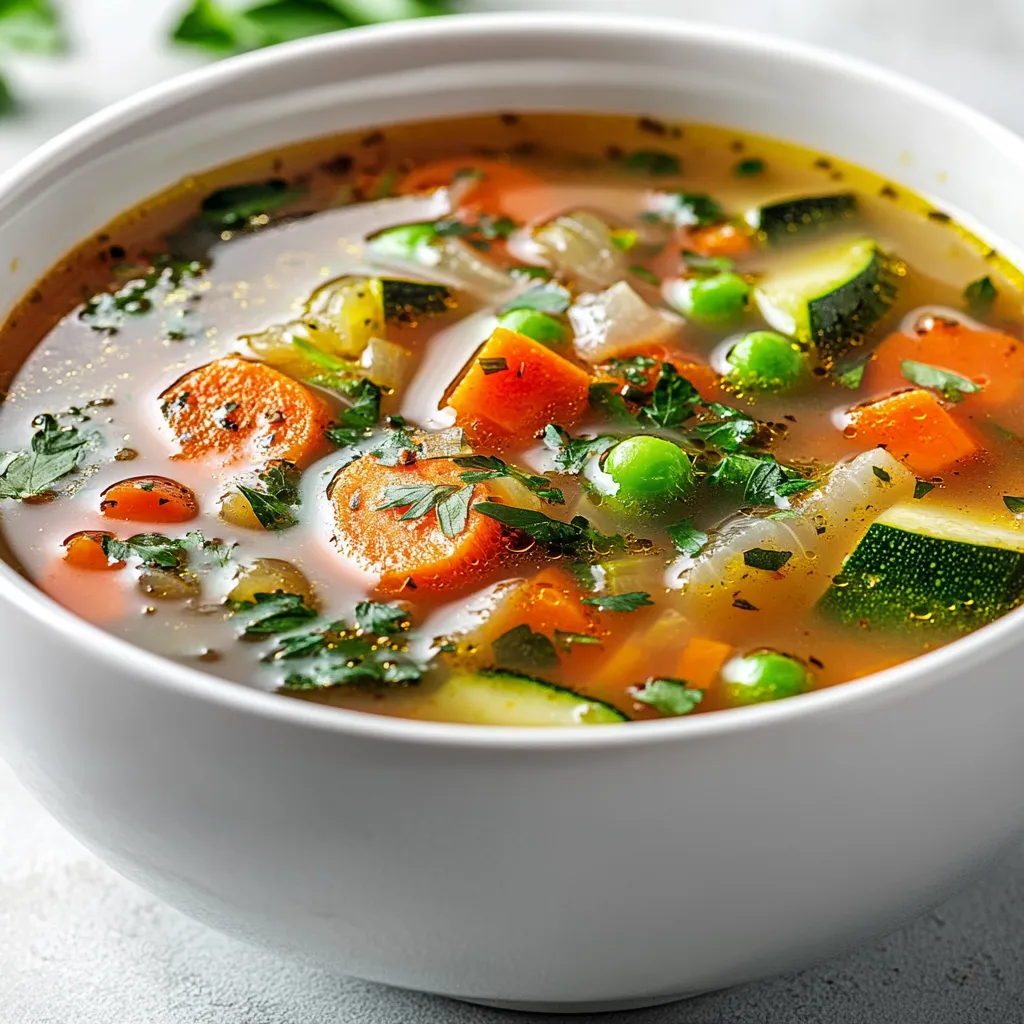
Nourishing Vegetable Delight Soup is an excellent example of how a dish can be both comforting and packed with health benefits. This soup harnesses the power of fresh vegetables, delivering a hearty meal that can act as both a starter and the star of any family dinner. Loaded with a variety of colorful veggies, it easily provides not only vital nutrients but also a fantastic array of flavors that can satisfy any palate. Whether enjoyed during the cooler months to warm you up or served chilled during warmer weather, this soup is versatile enough to fit all occasions.
Fresh vegetables are the cornerstone of a balanced diet, and incorporating them into your meals is vital for optimal health. In this delightful soup, vegetables like carrots, bell peppers, and leafy greens come together to create a nutrient-rich bowl that is low in calories and high in minerals, vitamins, and fiber. Vegetable-based soups like this one not only offer the possibility of customization but also serve to increase your daily vegetable intake, an essential part of maintaining a healthy lifestyle.
Recipe Overview
– Total Time: 45 minutes
– Yield/Servings: 6
– Difficulty: Not specified in the recipe
Nourishing Vegetable Delight Soup is a rich, colorful blend of vegetables simmered together in a delicious, aromatic broth. This recipe is perfect for any time of the year, whether as a quick weeknight dinner or as part of a holiday spread. Feel free to serve it on chilly evenings, as light summer fare, or for gatherings with friends and family. The soup is not only nutritious, but it also allows for easy adjustments based on the vegetables you have on hand, encouraging creativity and personalization in your meal prep.
The nutritional highlights of this dish include high fiber from the vegetables, beneficial vitamins from greens like spinach or kale, and low calorie content, making it a heart-healthy choice. The combination of fresh produce delivers an abundance of antioxidants, helping to keep your immune system robust and your body functioning optimally.
Ingredients
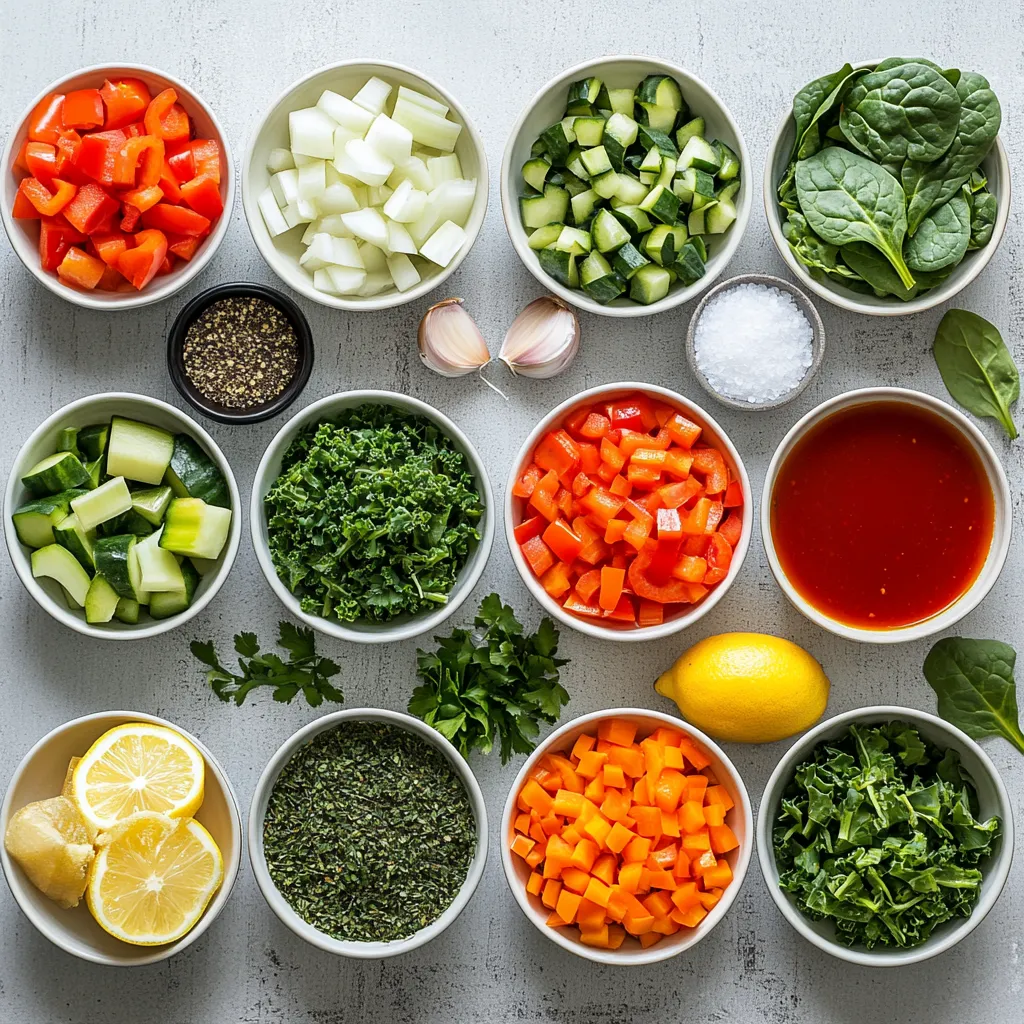
– 1 tablespoon extra virgin olive oil
– 1 medium onion, finely diced
– 2 cloves of garlic, minced
– 2 medium carrots, peeled and chopped
– 2 celery stalks, chopped
– 1 bell pepper (any color), diced
– 1 medium zucchini, chopped
– 1 cup green beans, trimmed and cut into bite-sized pieces
– 1 can (14.5 oz) diced tomatoes, including their juices
– 4 cups low-sodium vegetable broth
– 1 teaspoon dried thyme
– 1 teaspoon dried basil
– 1 bay leaf
– Salt and freshly ground black pepper, to taste
– 2 cups fresh spinach or kale, roughly chopped
– Juice of 1 fresh lemon
– Fresh parsley or cilantro, chopped, for garnish
In preparing this soup, utilizing fresh ingredients will yield the best flavor and health benefits. The variety of vegetables not only enhances the soup’s taste but also adds vibrant colors that make the dish visually appealing. While fresh ingredients are ideal for texture and taste, canned tomatoes serve a crucial role in enhancing the depth of flavor and acidity of the soup. If needed, you can substitute vegetables depending on what you have available, making this dish even more adaptable.
Instructions
1. In a large, heavy-bottomed pot, heat the extra virgin olive oil over medium heat. Add the diced onion and sauté for about 5 minutes, or until it becomes translucent and soft.
2. Introduce the minced garlic to the pot, cooking for an additional minute until it releases its fragrant aroma.
3. Add the chopped carrots, celery, and diced bell pepper to the pot, stirring occasionally. Sauté for 5-7 minutes, allowing the vegetables to soften slightly.
4. Incorporate the chopped zucchini and green beans, continuing to cook for another 3-4 minutes until they begin to soften.
5. Pour in the diced tomatoes along with their juices and add the vegetable broth. Stir well to combine all the ingredients.
6. Sprinkle in the dried thyme, dried basil, bay leaf, and season with salt and pepper to taste. Bring the mixture to a boil, then reduce the heat to low and let it simmer uncovered for 20-25 minutes, or until all the vegetables are tender and flavorful.
7. Carefully remove the bay leaf from the soup. Stir in the fresh spinach or kale and cook for an additional 2-3 minutes until the greens are wilted and vibrant.
8. To finish, squeeze the juice of one fresh lemon into the soup for a burst of brightness, and adjust the seasoning with additional salt and pepper if needed.
9. Serve the soup hot, garnished with a sprinkle of freshly chopped parsley or cilantro for a touch of color and flavor.
Cooking Techniques
Sautéing plays a crucial role in flavor development, and it begins the moment you introduce oil to a heated pan. The process of cooking the onion until it turns translucent releases its sugars, creating a sweet, aromatic base for the soup. Following the onion with garlic adds another layer of depth, as the sizzling garlic fills the kitchen with its intoxicating aroma, signaling that the meal is underway.
Simmering allows ingredients to meld together, creating a harmonious blend of flavors. It is vital that the soup be allowed to simmer uncovered, ensuring water evaporates, which intensifies the taste of the vegetables and herbs. This method not only softens the vegetables but also brings out the full spectrum of natural flavors, resulting in a nourishing and delightful product.
When it comes to chopping vegetables, uniformity is key for even cooking. This ensures that pieces that are the same size will refer to the same cooking time, leading to a well-cooked soup. For instance, the carrots, celery, and bell peppers should be cut into similar-sized pieces to soften at an even rate, leading to a perfect texture throughout.
Flavor Enhancements
The addition of dried herbs like thyme and basil significantly enriches the flavor profile of this soup. These herbs not only provide aromatic qualities but also add depth, enhancing the overall dish. Bay leaves should not be overlooked, as they infuse the entire pot of soup with a subtle, earthy essence that holds the other flavors together.
Tomatoes contribute essential acidity and sweetness, balancing the richness of the olive oil and the savoriness of the broth. This balancing act is crucial in creating a well-rounded flavor. Overall, the careful layering of these ingredients and understanding their roles will lead to a delicious bowl of Nourishing Vegetable Delight Soup, perfect for any dining occasion.
Importance of Seasoning with Salt and Pepper
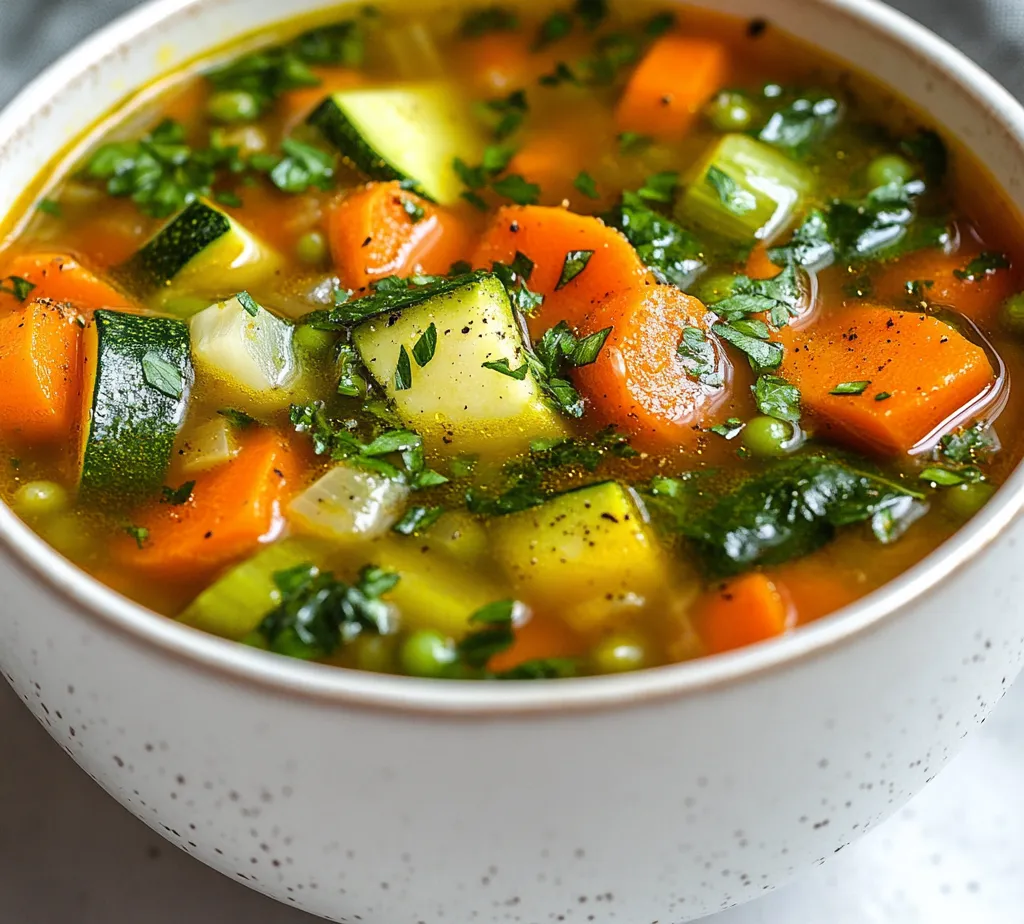
Seasoning is a critical step in elevating the flavor profile of Nourishing Vegetable Delight Soup. The right amount of salt and freshly ground black pepper can enhance the natural sweetness of the vegetables and provide depth to the overall dish. A well-seasoned soup not only complements the ingredients but also balances any acidity from the tomatoes and lemon juice. Always taste the soup as you go, adjusting the salt and pepper after the addition of each new ingredient to ensure a harmonious blend of flavors by the end of the cooking process.
Achieving the Perfect Consistency
Tips for Adjusting Thickness Based on Preferences
The consistency of vegetable soup can be tailored based on personal preference. If you enjoy a thicker soup, you might want to reduce the amount of broth or let the soup simmer uncovered for an additional five to ten minutes to allow more liquid to evaporate. For a thinner consistency, simply add more vegetable broth or water according to your taste.
Options for Blending vs. Chunky Textures
A significant choice with vegetable soup is whether to keep it chunky or puree it for a smooth texture. For a rustic, hearty feel, consider leaving the soup as is. However, if you prefer a creamier consistency, you can use an immersion blender to blend a portion of the soup before serving, or carefully transfer part of it to a blender, then return it to the pot. This will give you a wonderful contrast between the velvety base and the chunky vegetables.
How to Prevent Soup from Becoming Too Watery
Preventing the soup from becoming too watery is essential for maintaining a robust flavor and texture. To avoid excess liquid, sauté the vegetables until they are well-cooked and have released their moisture before adding the broth. Additionally, using less broth initially can help gauge the desired thickness, adjusting as necessary later in the cooking process.
Using Vegetable Broth Effectively
Vegetable broth plays a crucial role in enhancing the soup’s overall flavor without introducing added sodium or preservatives. Opting for low-sodium vegetable broth not only maintains the integrity of the soup but also allows for better control of the seasoning. When selecting broth, consider brands that utilize fresh vegetables in their recipes for the best flavor infusion.
Nutritional Benefits
Low-Calorie Aspect of the Soup
Nourishing Vegetable Delight Soup is inherently low in calories, thanks to the abundance of vegetables that make up the base of the recipe. This nutrient-dense soup provides a filling meal without contributing excessive calories, particularly beneficial for those looking to maintain or lose weight.
Health Benefits of Each Vegetable Used
Each vegetable adds its unique set of health benefits. For example, carrots are rich in beta-carotene, which promotes healthy eyesight, while spinach is packed with iron and calcium, essential for bone and muscle health. Celery is known for its high water content and low-calorie count, aiding in hydration and digestion. Zucchini offers a versatile texture and is low in carbohydrates, making it a great addition to the mix.
Richness of Vitamins and Minerals from Fresh Ingredients
This soup is loaded with vitamins A, C, and K, alongside an array of minerals acquired from fresh ingredients. Eating a variety of colorful vegetables contributes to a well-rounded diet rich in antioxidants, which are beneficial for overall health and immune function.
Benefits of Using Low-Sodium Broth in Recipes
Utilizing low-sodium broth allows for a healthier dish without sacrificing flavor. It not only helps manage sodium intake, which is important for maintaining healthy blood pressure levels but also enables you to tailor the seasoning to your liking.
Customization Options
Suggestions for Adding Protein
To enhance the protein content of this soup, consider incorporating canned beans, such as chickpeas or white beans, which can offer both texture and nourishment. Lentils are another fantastic option, as they cook quickly and add heartiness to the soup.
How to Make the Soup Heartier
For those seeking a more substantial meal, consider adding diced potatoes or sweet potatoes. These starchy vegetables will increase the comfort factor of the soup and provide additional nutrients.
Adding Grains Like Quinoa or Brown Rice
Integrating grains like quinoa or brown rice can provide a complete meal experience. Simply cook the grains separately and add them to the soup just before serving, or throw them in during the last 10 minutes of cooking for a one-pot dish.
Tips on Cooking Grains Within the Soup
When cooking grains within the soup, keep in mind that they will absorb liquid as they cook. Be sure to adjust the amount of broth accordingly, adding extra if you prefer a brothier soup.
Vegetarian or Vegan Variations for Different Dietary Needs
This recipe is already vegetarian and can easily be modified to be vegan by ensuring that no animal products are used in the broth. For extra creaminess, a splash of coconut milk could be added, enhancing both flavor and texture.
Serving Suggestions
Ideal Garnishes for Enhancing Presentation
Garnishing is essential for visual appeal and can elevate the dining experience. Freshly chopped parsley or cilantro not only adds a burst of color but also enhances the dish with a fresh flavor. Consider adding a dollop of dairy-free yogurt for creaminess or croutons for added crunch.
Importance of Color and Texture in Food Presentation
Visual appeal is as important as taste in a dish. The vibrant colors of the vegetables in the soup can be complemented with contrasting garnishes, while the combination of textures—smooth broth with crisp vegetables—adds to the satisfaction of each spoonful.
Pairing the Soup with Bread or Salad
Nourishing Vegetable Delight Soup pairs wonderfully with crusty bread or a light green salad. A slice of whole grain bread can enhance the meal and provide additional fiber, while a refreshing side salad can balance the heartiness of the soup.
Suggestions for Complementary Dishes
For an expanded meal, serve the soup with a grain-based salad, such as quinoa or couscous, to make a light and nourishing dinner. Alternatively, offer a simple cheese platter or an antipasto spread for guests to enjoy alongside.
Serving Temperature and Its Effect on Flavor
Serving the soup hot ensures a comforting experience and encourages the fragrance of the ingredients to blossom, heightening the overall enjoyment. Allow the soup to cool slightly before serving to enhance the flavors while maintaining warmth.
Storage and Reheating
Best Practices for Storing Leftover Soup
Keep leftover Nourishing Vegetable Delight Soup in airtight containers in the refrigerator. Allow the soup to cool before sealing to preserve freshness, ensuring no moisture remains trapped inside, which may lead to spoilage.
Container Advice and Shelf Life
Use glass or BPA-free plastic containers for storage. Properly stored, the soup can last for up to 3-4 days in the refrigerator. For longer preservation, consider freezing the soup in portions, where it can last up to 3 months.
How to Reheat for Optimal Texture and Flavor
To reheat, gently warm the soup on the stovetop over medium-low heat. Stir occasionally to ensure even heating. If microwaving, heat in 30-second intervals, stirring between to prevent hot spots and maintain texture.
Recommended Reheating Methods
Stovetop reheating generally yields better texture, allowing you to adjust seasoning as necessary. However, for convenience, a microwave can also work effectively if time is an issue.
Conclusion
Nourishing Vegetable Delight Soup embodies a harmonious blend of vibrant flavors and hearty textures, making it satisfying yet light. With a cooking time of just 45 minutes, this recipe is perfect for a quick weeknight meal or a comforting weekend dish. The addition of fresh lemon juice brightens the flavors and ensures each bowl is packed with wholesome goodness.
Nourishing Vegetable Delight Soup Recipe
Ingredients
- 1 tablespoon extra virgin olive oil
- 1 medium onion finely diced
- 2 cloves garlic minced
- 2 medium carrots peeled and chopped
- 2 stalks celery chopped
- 1 medium bell pepper diced
- 1 medium zucchini chopped
- 1 cup green beans trimmed and cut into bite-sized pieces
- 1 can diced tomatoes including their juices
- 4 cups low-sodium vegetable broth
- 1 teaspoon dried thyme
- 1 teaspoon dried basil
- 1 leaf bay leaf
- to taste salt and freshly ground black pepper
- 2 cups fresh spinach or kale roughly chopped
- 1 juice fresh lemon
- for garnish fresh parsley or cilantro chopped
Instructions
- Heat the olive oil in a large pot over medium heat and sauté the onion until translucent.
- Add the minced garlic and cook for an additional minute.
- Stir in the chopped carrots, celery, and bell pepper, sautéing for 5-7 minutes.
- Incorporate the zucchini and green beans, cooking for another 3-4 minutes.
- Add the diced tomatoes and vegetable broth, stirring to combine.
- Season with thyme, basil, bay leaf, salt, and pepper, then bring to a boil.
- Reduce heat and let simmer uncovered for 20-25 minutes until vegetables are tender.
- Remove the bay leaf and stir in the spinach or kale, cooking until wilted.
- Squeeze in the lemon juice and adjust seasoning if necessary.
- Serve hot, garnished with parsley or cilantro.