
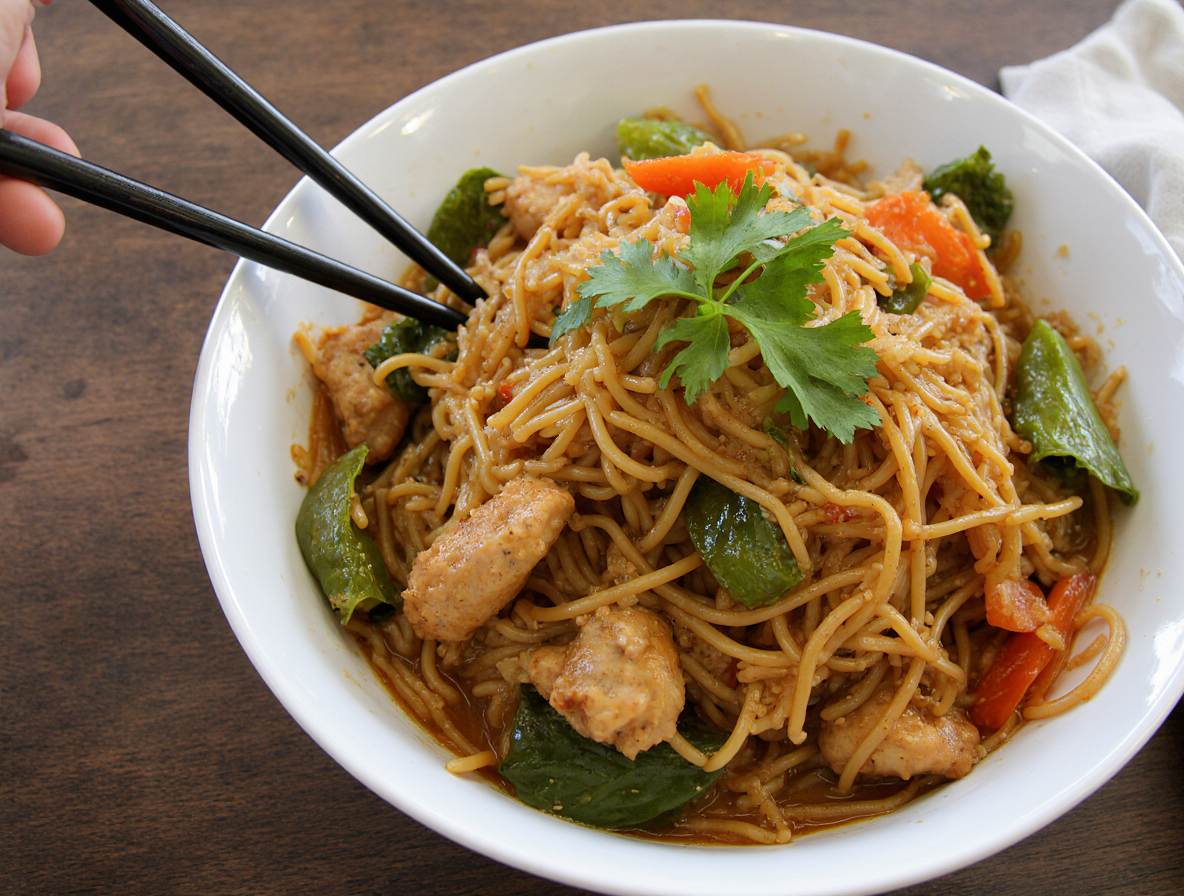
How to Make Easy Chicken Lo Mein Recipe (Better Than Takeout!)

Did you know this easy chicken lo mein recipe is 90% of the reason why I’ve decided to recycle my takeout menus?
With just 10 minutes of prep time and 20 minutes of cooking, this homemade chicken lo mein has become my go-to dinner solution on busy weeknights. Actually, I’m amazed at how simple it is to make chicken lo mein at home – you only need 5 main ingredients plus a quick sauce, and the entire dish comes together in about 25 minutes. If you’ve ever wondered how to make chicken lo mein that rivals your favorite restaurant, this chicken lo mein recipe is surprisingly straightforward.
Instead of spending money on takeout, we can create a delicious meal that’s both satisfying and healthier – at just 295 calories per serving. Throughout this article, I’ll walk you through each step of this easy chicken lo mein recipe, share customization options, and give you all my tips for creating a restaurant-quality dish right in your own kitchen.
Understanding Chicken Lo Mein
Before diving into our easy chicken lo mein recipe, let’s understand what makes this classic Chinese dish special. Lo mein has gained popularity across the world for its delicious flavor profile and versatile nature.
What makes lo mein different from chow mein
While these two dishes might look similar on a menu, they have fundamental differences. Lo mein (meaning “tossed noodles”) and chow mein (meaning “fried noodles”) differ primarily in preparation and texture.
Lo mein noodles are soft, chewy, and have more sauce that they absorb beautifully. The noodles are first boiled until tender, then tossed with sauce and pre-cooked ingredients. This creates that signature slippery, toothsome texture many people love.
Chow mein, however, features noodles that are stir-fried or crisp-fried. They’re often thinner and have a crispier texture. Moreover, chow mein tends to be a drier stir-fry, while lo mein is known for its saucy consistency.
What kind of noodles are used
The perfect homemade chicken lo mein starts with the right noodles. Traditional lo mein uses egg noodles – wheat flour noodles with egg added. For authentic results, look for fresh egg noodles about 1/4-inch thick.
These noodles can typically be found in the refrigerated section of grocery stores, sometimes labeled as “lo mein,” “egg noodles,” or even “Hokkien noodles”. Additionally, some stores carry them labeled as “oil noodles” (油面).
Don’t worry if you can’t find fresh noodles – dried egg noodles work well too. Furthermore, in a pinch, spaghetti or fettuccini cooked al dente makes a surprisingly good substitute.
Overview of the sauce ingredients
The magic of any chicken lo mein recipe lies in its flavorful sauce. A classic lo mein sauce typically includes:
- Soy sauce (often both light and dark varieties)
- Oyster sauce (for rich umami flavor)
- Sesame oil (for nutty aroma)
- Sugar or honey (for balance)
- Shaoxing wine or rice wine vinegar
Dark soy sauce adds color and depth, giving noodles that characteristic bronzed appearance. Oyster sauce contributes rich, savory notes essential to authentic flavor. Some recipes also incorporate hoisin sauce, ginger, garlic, and cornstarch for thickening.
Understanding these core elements will help you master this easy chicken lo mein recipe and customize it to your preferences.
Step-by-Step: How to Make Chicken Lo Mein
Making homemade chicken lo mein doesn’t require advanced culinary skills. Let’s jump straight into the cooking process with these simple steps.
1. Prepare the sauce
Creating the perfect sauce is essential for authentic flavor. In a small bowl, mix:
- Combine 2 tablespoons dark soy sauce and 2 tablespoons regular soy sauce (or light soy sauce)
- Add 1 tablespoon Chinese cooking wine (or mirin)
- Stir in 1 teaspoon sugar (omit if using mirin)
- Mix in ½ teaspoon sesame oil and ¼ teaspoon white pepper
- Add 4 teaspoons cornstarch and stir until lump-free
Some chefs enhance the sauce with hoisin sauce or oyster sauce for deeper umami flavor.
2. Cook the noodles
Properly cooked noodles create the foundation of your dish:
- Bring a large pot of salted water to a rolling boil
- Add lo mein noodles and cook according to package instructions, typically 3-4 minutes
- Cook until al dente – slightly firm and chewy, not soft
- Immediately drain and rinse under cold water to stop cooking and remove excess starch
- Toss with a small amount of sesame oil to prevent sticking
3. Sauté the chicken
Next, focus on cooking your protein perfectly:
- Heat 2-3 tablespoons oil in a wok or large skillet over high heat until nearly smoking
- Add chicken pieces and sear for 2-3 minutes until golden and just cooked through
- Remove chicken from the pan and set aside temporarily
4. Stir-fry the vegetables
Now, prepare your vegetables:
- In the same pan, add garlic and ginger, stirring for about 15 seconds
- Add onions, carrots, and cabbage (or your chosen vegetables)
- Stir-fry for 3-4 minutes until vegetables are slightly wilted but still crisp
5. Combine everything in the pan
Finally, bring all components together:
- Return chicken to the pan with vegetables
- Add the cooked noodles
- Pour the prepared sauce over everything
- Toss continuously using two wooden spoons for 1-2 minutes until sauce thickens and coats everything evenly
- Add green onions and toss for another minute
Serve your homemade chicken lo mein immediately for the best texture and flavor.
Tips for the Best Easy Chicken Lo Mein
After mastering the basic steps, I’ve discovered that these chef-tested techniques take my easy chicken lo mein recipe from good to restaurant-quality. These pro tips make all the difference when preparing homemade chicken lo mein.
Slice ingredients evenly for even cooking
I always cut vegetables into similar sized pieces for even cooking – this simple step makes a tremendous difference. When julienning carrots, slicing cabbage, or dicing other vegetables, maintaining consistent thickness ensures everything finishes cooking simultaneously. Consequently, each bite has perfectly cooked ingredients rather than a mix of undercooked and overcooked vegetables.
Cook in stages to avoid sogginess
Hard vegetables requiring longer cooking time (like carrots) should go into the wok first, followed by softer vegetables (such as bean sprouts and scallions). Subsequently, this approach keeps vegetables crunchy instead of mushy or soggy. Additionally, avoid overcrowding your pan – this can lead to steamed rather than stir-fried vegetables. Consider cooking in batches if using a smaller pan.
Use high heat for better texture
I always stir-fry at high heat, even when using a regular skillet instead of a wok. High heat produces that distinctive “wok hei” (seared wok flavor) that makes restaurant dishes so delicious. Initially, heat your wok until you see wisps of white smoke before adding oil. Essentially, this creates that authentic taste and prevents ingredients from becoming watery.
Avoid overcooking the noodles
For the perfect easy chicken lo mein recipe, I cook noodles 1-2 minutes less than package instructions. Primarily, this works because they’ll continue cooking when added to the stir-fry. After boiling, rinse immediately with cold water to stop cooking. Afterward, toss with a tablespoon of sesame oil to prevent sticking. Throughout the cooking process, if noodles look dry, add a few tablespoons of hot water or stock until they’re loose and slippery.
Customizing Your Homemade Chicken Lo Mein
The beauty of this chicken lo mein recipe lies in its flexibility – you can easily adjust it to suit your taste preferences or dietary needs.
Vegetable swaps and additions
Baby bok choy ranks as my favorite vegetable addition, providing a delightful crunch. Other excellent options include:
- Shredded cabbage or carrots (they cook right in the sauce)
- Fresh baby spinach (wilts in moments)
- Sugar snap peas or snow peas
- Bean sprouts and water chestnuts for classic texture
Protein alternatives: shrimp, beef, tofu
Swap chicken with thinly sliced flank steak or shrimp for equally delicious results. For vegetarian options, use roasted tofu or simply leave out the meat entirely. Notably, eggs make a fantastic protein addition – just scramble 2-4 eggs separately, then incorporate them during final assembly.
Make it spicy or low-sodium
Create a spicier version by adding 1-2 teaspoons of sriracha or red pepper flakes to your sauce. Conversely, for lower sodium options, substitute regular soy sauce with low-sodium varieties or try replacing half the noodles with zucchini ribbons.
Gluten-free and egg-free options
For gluten-free lo mein, substitute traditional noodles with rice noodles and use tamari instead of soy sauce. Similarly, egg-free alternatives include spaghetti, udon noodles, or 100% buckwheat soba. Furthermore, replace oyster sauce with vegetarian stir-fry sauce for a completely plant-based dish.
Conclusion
This easy chicken lo mein recipe truly stands out as a game-changer for anyone looking to ditch takeout menus for good. After following these steps, you’ll find yourself with a delicious homemade dish that rivals any restaurant version – all while saving money and controlling exactly what goes into your food.
Additionally, the versatility of this recipe makes it perfect for weekly meal planning. You can prepare the sauce ahead of time, chop vegetables during weekend prep, and have everything ready for a quick 25-minute dinner when needed. Therefore, even on your busiest days, a satisfying homemade meal remains within reach.
Most importantly, don’t be afraid to experiment with this foundation. Whether you swap proteins, try different vegetable combinations, or adjust the sauce to your taste preferences, the basic technique remains the same. Consequently, one recipe can provide endless variations to keep your family excited about dinner.
Remember those key tips for success: slice everything uniformly, cook in stages, use high heat, and avoid overcooking your noodles. These simple practices make all the difference between good and great lo mein.
Last but not least, this chicken lo mein recipe offers more than just a delicious meal – it provides confidence in your cooking abilities. Once you master this dish, you’ll find yourself exploring other takeout favorites to recreate at home. Soon enough, you might discover that homemade versions not only taste better but also bring more satisfaction than any delivery ever could.
FAQs
Q1. What are the key ingredients in lo mein sauce? Lo mein sauce typically consists of soy sauce (both light and dark), oyster sauce, sesame oil, sugar or honey, and Shaoxing wine or rice wine vinegar. Some recipes also include hoisin sauce, ginger, and garlic for added flavor.
Q2. How can I avoid common mistakes when making lo mein? To make great lo mein, avoid overcrowding the pan, which can lead to steaming instead of searing. Cook ingredients in stages, use high heat for better texture, and don’t overcook the noodles. Slice ingredients evenly for uniform cooking, and toss everything together quickly at the end.
Q3. What type of noodles work best for lo mein? Traditional lo mein uses fresh egg noodles about 1/4-inch thick. Look for these in the refrigerated section of grocery stores, sometimes labeled as “lo mein,” “egg noodles,” or “Hokkien noodles.” If unavailable, dried egg noodles or even spaghetti cooked al dente can work as substitutes.
Q4. How can I customize my homemade lo mein? You can easily customize lo mein by swapping proteins (try beef, shrimp, or tofu), adding different vegetables like bok choy or snow peas, adjusting spice levels with sriracha or red pepper flakes, or making it gluten-free with rice noodles and tamari sauce.
Q5. Is homemade lo mein healthier than takeout? Homemade lo mein can be healthier than takeout as you have control over the ingredients and cooking methods. You can reduce sodium, increase vegetables, use leaner proteins, and control portion sizes. Plus, cooking at home often results in fewer calories and less oil compared to restaurant versions.