
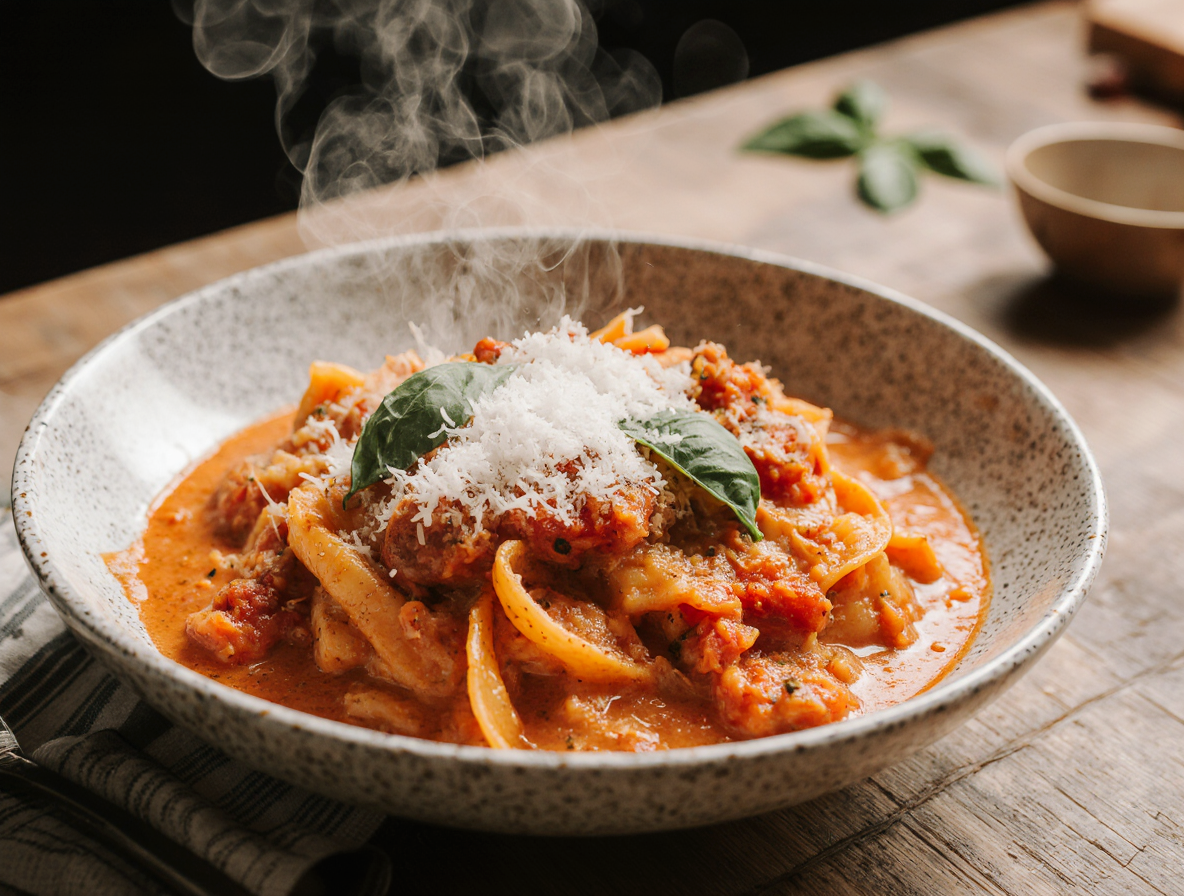
How to Make One-Pot Tomato Pasta: A No-Fail 30-Minute Recipe
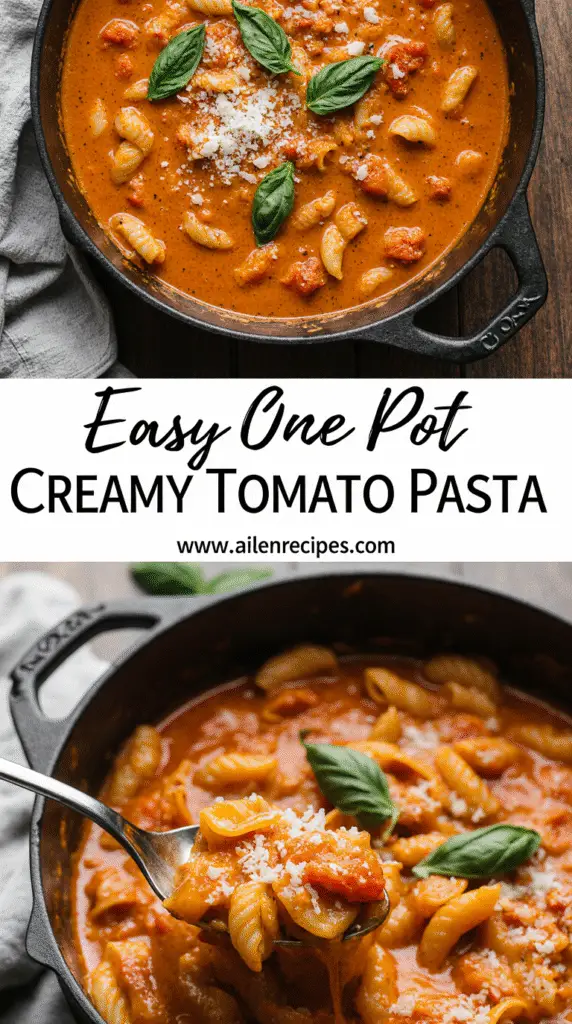
Are you tired of washing multiple pots and pans after dinner? One pot tomato pasta is about to become your new weeknight hero! Ready in under 30 minutes and requiring just a single pot from start to finish, this recipe is perfect for those busy evenings when time is short but you still want something delicious.
This creamy tomato pasta recipe combines everyday ingredients into a silky, flavorful sauce that’s sophisticated enough for adults yet mild enough for picky eaters. We love how versatile it is – you can use whatever tomato-based products you have on hand, whether that’s tomato paste, canned tomatoes, or your favorite jarred sauce. Additionally, you can easily customize your one pot tomato pasta recipe by adding protein like ground turkey or chicken for a more substantial meal.
The beauty of this dish lies in its simplicity. Just throw everything into a single pot and let it work its magic – the pasta cooks right in the sauce, absorbing all those amazing flavors while creating less cleanup for you. Indeed, it’s this combination of convenience, speed, and deliciousness that makes one pot tomato basil pasta a crowd favorite in countless households.
In this guide, we’ll walk you through exactly how to make this no-fail dish, along with tips for customizations and storage. Let’s get cooking!
Essential Ingredients for One-Pot Tomato Pasta
The success of any one pot tomato pasta starts with selecting the right ingredients. What makes this dish so appealing is its adaptability – you can create a delicious meal using items already in your pantry. Let’s break down the essential components that will guarantee a flavorful result every time.
Choosing the right pasta shape
For one pot tomato pasta recipes, the pasta shape matters significantly. Opt for hearty dried varieties with cooking times between 9-12 minutes on the package. Smaller quick-cooking pastas like angel hair won’t work well with this method, nor will fresh pastas as they’re too delicate. Instead, choose spaghetti, linguine, or fettuccine for strands, or small shapes like penne, rotini, or cavatappi. These shapes stand up well to the one-pot cooking process and absorb flavors beautifully. Furthermore, whole wheat or high fiber pasta options work excellently in this recipe, although they might require slight adjustments to water amounts.
Tomato options: paste, sauce, or canned
Your tomato base creates the foundation of flavor. Tomato paste offers concentrated tomato flavor since it’s made by cooking tomatoes until most water content is removed. It’s best added at the beginning with spices and aromatics to release maximum flavor. Tomato sauce, on the other hand, is milder and more versatile, made from lightly concentrated tomatoes or diluted tomato paste. For richer depth, consider using both – paste for intensity and sauce for volume. Alternatively, fire-roasted diced tomatoes can introduce a subtle smoky element that enhances the overall profile of your one pot tomato pasta recipe.
Creamy elements: cheese, cream, or vegan swaps
The creamy component transforms basic tomato pasta into something special. Traditional options include grated Parmesan, cream cheese, or a splash of heavy cream added near the end of cooking. For vegan versions, cashew cream (blended soaked cashews with water) creates remarkable richness, as does vegan cream cheese. Nutritional yeast adds “cheesiness” without dairy and provides vitamin B12. The pasta’s cooking process naturally releases starch into the water, which helps bind and thicken the sauce for additional creaminess.
Flavor boosters: garlic, onion, herbs
No tomato pasta is complete without aromatic flavor enhancers. Fresh garlic and onions (yellow or red) create an essential flavor base when sautéed before adding other ingredients. For herbs, Italian seasoning provides convenience, though individual herbs like oregano, thyme, and basil each bring distinctive notes. Fresh basil added at the very end brightens the entire dish. Red pepper flakes offer optional heat that balances perfectly with the acidity of tomatoes and the richness of the creamy elements.
Step-by-Step Cooking Instructions
The magic of one pot tomato pasta lies in the cooking technique. Let’s break down the process into manageable steps that will have dinner on the table in about 30 minutes.
Sauté aromatics for a flavor base
Begin by heating olive oil in a large, wide pot or deep skillet over medium heat. Add finely chopped onions and sauté until they become translucent, approximately 4-5 minutes. Next, add minced garlic and cook for another 30-60 seconds until fragrant, being careful not to burn it. For additional flavor dimension, consider adding red pepper flakes at this stage if you enjoy a hint of heat.
Add liquids and pasta to the pot
Pour in your liquid—typically a combination of broth and water—along with your pasta of choice. The perfect ratio is about 8 ounces of pasta to 2¼ cups of liquid. Add your tomato component (sauce, paste, or canned tomatoes) and stir everything together. Bring the mixture to a boil over medium-high heat, making sure the pasta is fully submerged.
Simmer until pasta is al dente
Once boiling, reduce heat to medium-low and maintain a steady simmer. Cook uncovered for 10-15 minutes, stirring every 2-3 minutes to prevent sticking. Throughout this process, the pasta gradually absorbs the liquid while releasing starch that naturally thickens your sauce. The pasta is ready when it’s al dente—tender yet with a slight bite.
Stir in cheese or cream for creaminess
After the pasta reaches al dente consistency, turn off the heat. This is the perfect time to add your creamy elements. Stir in Parmesan cheese, cream cheese chunks, or a splash of heavy cream. Mix thoroughly until completely melted and incorporated into the sauce, creating that signature silky texture.
Let it rest before serving
Finally, allow your one pot tomato pasta to rest for 3-5 minutes before serving. During this brief resting period, the sauce continues to thicken as the pasta absorbs any remaining liquid. This final step is crucial for achieving the perfect consistency—not too watery and not too dry. The result: a perfectly cohesive dish where every strand of pasta is coated in rich, flavorful sauce.
Customizations and Add-Ins
One of the greatest advantages of this versatile dish is how easily it can be customized to suit different tastes and dietary needs.
Add protein: chicken, sausage, or tofu
Transform your basic one pot tomato pasta into a hearty meal by adding protein. Cooked ground turkey, chicken, or Italian sausage can be browned first with the aromatics. For seafood lovers, tuna or hot-smoked salmon makes excellent additions. Vegetarians might prefer chickpeas or white beans, which add substantial protein without changing the cooking method. Moreover, tofu works wonderfully—simply sauté it first until lightly browned.
Toss in greens like spinach or arugula
Boost the nutritional value by incorporating greens. A large handful of fresh spinach or arugula stirred in just before serving will wilt perfectly from the residual heat. Alternatively, try zucchini, bell peppers, or mushrooms—sauté these heartier vegetables with the aromatics at the beginning. Even frozen spinach can work beautifully in this forgiving recipe.
Spice it up with chili flakes or pepper
Add a subtle kick with red pepper flakes or chili flakes. Just a pinch added alongside the garlic provides warmth without overwhelming heat. For those who prefer milder flavors, especially when cooking for children, simply omit the spice element entirely.
Make it vegan or gluten-free
For vegan versions, replace dairy with cashew cream, vegan cream cheese, or nutritional yeast for cheesiness. Consequently, most gluten-free pasta varieties work well, particularly the Jovial brand which maintains its texture throughout cooking.
Storage, Reheating, and Leftover Ideas
Making extra one pot tomato pasta intentionally means delicious leftovers with minimal effort. Proper storage and reheating techniques ensure your pasta remains as tasty as when freshly made.
How to store in fridge or freezer
Store leftover one pot tomato pasta in an airtight container in the refrigerator for up to 5 days. For longer preservation, freeze your pasta for up to 3 months[263]. When freezing, let the pasta cool completely first, then transfer to freezer-safe containers or zip-top bags. Label with the date to track freshness. Essentially, separating pasta from sauce before freezing yields better results, although this isn’t always practical with one-pot recipes.
Best ways to reheat without drying out
Prevent dry, clumpy pasta by adding moisture when reheating:
- Stovetop: Warm gently over medium heat with a splash of water, broth, or oil
- Microwave: Add a few tablespoons of water before heating in 1-minute intervals, stirring between each
- Oven: Place in an oven-safe dish, covered with foil, and bake at 350°F for 15-20 minutes[243]
Turn leftovers into a pasta bake
Transform yesterday’s one pot tomato pasta into today’s exciting pasta bake. Mix the leftover pasta with an egg, additional cheese, and Italian seasoning. Transfer to a baking dish and bake uncovered at 350°F for about 30 minutes. Subsequently, top with mozzarella cheese and bake for another 10 minutes until golden and bubbling. Plus, you can incorporate additional vegetables or protein to create an entirely new meal.
Conclusion
One-pot tomato pasta truly stands as the ultimate weeknight dinner solution for busy households. This 30-minute marvel eliminates the dreaded pile of dishes while delivering restaurant-quality flavor with minimal effort. Throughout this guide, we’ve seen how this versatile dish adapts to whatever ingredients you have on hand, whether you’re working with tomato paste, canned tomatoes, or your favorite jarred sauce.
Additionally, the customization options make this recipe endlessly adaptable. You can create countless variations by adding protein, incorporating nutritious greens, or adjusting the spice level to suit your family’s preferences. After all, the best recipes are those that flex to accommodate your needs rather than demanding specific ingredients you might not have.
Perhaps most importantly, this cooking method transforms ordinary pasta into something special through the natural starch release that creates a silky, flavorful sauce. The pasta actually tastes better because it cooks directly in the sauce, absorbing all those delicious flavors rather than being boiled separately in plain water.
This dish also solves the leftover dilemma beautifully. Stored properly, your one-pot pasta remains delicious for days, ready to be transformed into new meals like pasta bakes. Therefore, you might consider intentionally making extra for convenient future meals.
We hope this simple yet satisfying recipe becomes a regular part of your cooking rotation. The combination of convenience, flavor, and endless adaptability makes one-pot tomato pasta a true kitchen hero that deserves a permanent place in your weeknight dinner arsenal.
FAQs
Q1. How long does it take to make one-pot tomato pasta? This quick and easy meal can be prepared in about 30 minutes, making it perfect for busy weeknights.
Q2. Can I use any type of pasta for this recipe? It’s best to use dried pasta varieties with cooking times between 9-12 minutes, such as spaghetti, linguine, penne, or rotini. Avoid quick-cooking or fresh pastas as they may not work well with this method.
Q3. How can I make this dish vegetarian or vegan? To make it vegetarian, simply omit any meat additions. For a vegan version, use plant-based alternatives like cashew cream or vegan cream cheese instead of dairy products, and add nutritional yeast for a cheesy flavor.
Q4. Can I add vegetables to the one-pot tomato pasta? Absolutely! You can add vegetables like spinach, arugula, zucchini, bell peppers, or mushrooms. Leafy greens can be stirred in just before serving, while heartier vegetables should be sautéed with the aromatics at the beginning.
Q5. How should I store and reheat leftover one-pot tomato pasta? Store leftovers in an airtight container in the refrigerator for up to 5 days or freeze for up to 3 months. When reheating, add a splash of water or broth to prevent drying out. You can reheat on the stovetop, in the microwave, or in the oven.