
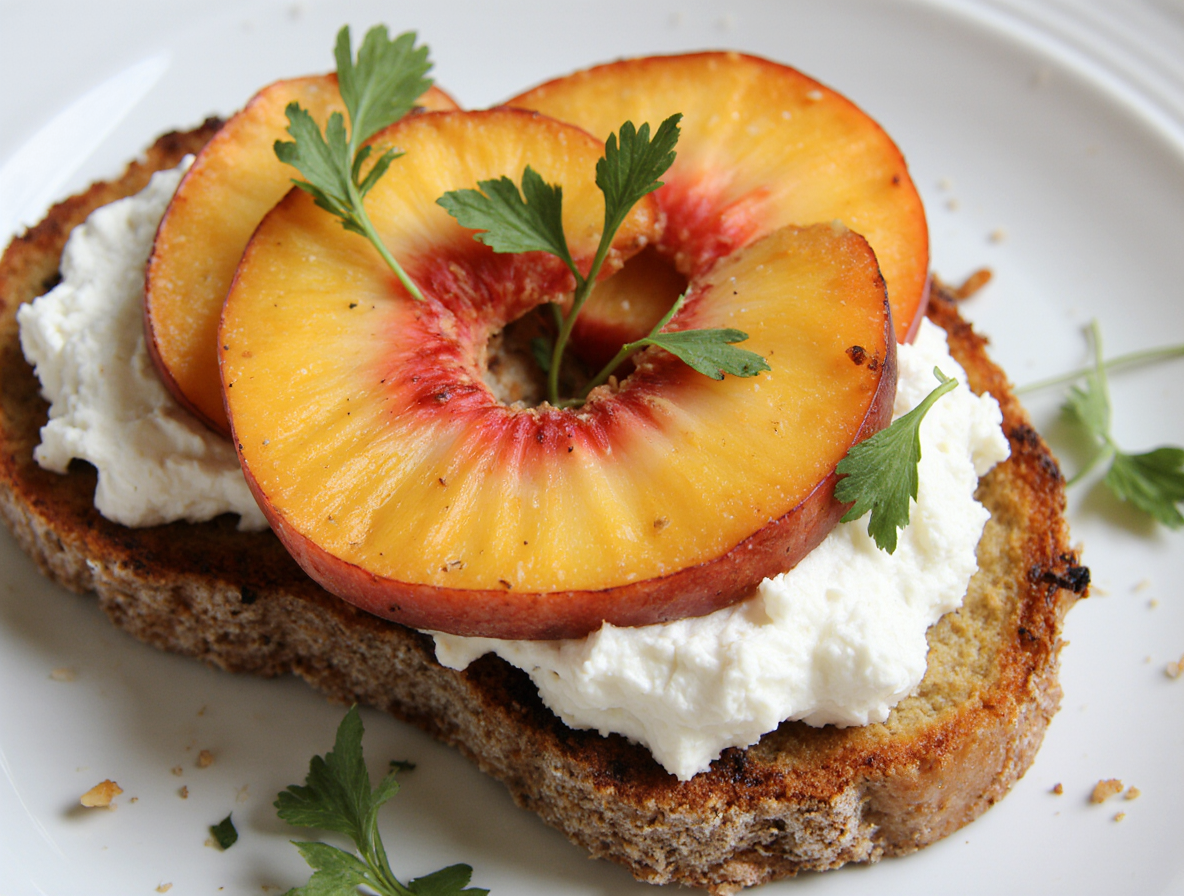
How to Make Perfect Peach Bruschetta: A Foolproof Summer Recipe

Ready in under 10 minutes, peach bruschetta is the ultimate summer appetizer that combines sweet, juicy peaches with creamy cheese on crispy toast. I’ve found this delightful dish to be perfect for everything from casual gatherings to elegant dinner parties, serving 8-12 people with minimal effort.
When it comes to creating the perfect whipped ricotta bruschetta, the magic lies in the balance of flavors and textures. The combination of creamy, whipped ricotta spread on toasted crostini and topped with fresh peaches creates a bite that’s simultaneously crispy, creamy, and sweet. Additionally, this peach bruschetta with whipped ricotta can be prepared in as little as 15 minutes total time for a quick version, though some variations might take up to 45 minutes depending on your preparation method[-4].
In this article, we’ll walk through everything you need to know about creating the perfect peach ricotta appetizer that will impress your guests. Whether you’re a seasoned chef or trying bruschetta with whipped ricotta for the first time, our foolproof recipe will ensure delicious results every time.
Gathering Ingredients for Peach Bruschetta
The foundation of a memorable peach bruschetta lies in selecting quality ingredients. Indeed, the right combination of peaches, bread, and cheese creates that perfect balance of sweet, tangy, and creamy flavors that make this appetizer irresistible.
Choosing ripe but firm peaches
For peach bruschetta, look for peaches that are ripe yet still maintain their structure. The ideal peach should feel firm with a slight give when gently pressed, without leaving any dent. Overripe peaches will create a soggy topping, while underripe ones lack the natural sweetness that makes this dish special. I typically twist the peach in half – if it separates easily, it’s ready to use.
Furthermore, you can substitute nectarines if peaches aren’t available, as they offer a similar flavor profile. White peaches are another option, but keep in mind they’re generally sweeter and softer than yellow varieties, potentially affecting the texture of your final dish.
Best bread for crostini
The bread serves as the essential foundation for your peach bruschetta. French baguettes cut into ½-inch thick slices are the traditional choice, primarily because their uniform shape creates consistent portions. However, ciabatta offers a wonderful alternative with its airy interior and crispy crust.
Essentially, any crusty bread works well – the key is slicing it on a diagonal to maximize surface area for toppings. This technique creates more space for the delicious peach mixture while maintaining structural integrity.
Whipped ricotta vs. regular ricotta
Regular ricotta is delicious, but whipped ricotta elevates your bruschetta to new heights. The whipping process incorporates air into the cheese, creating an ultra-creamy, spreadable texture. To make it, simply blend whole milk ricotta with a tablespoon of olive oil and a pinch of salt in a food processor for 2-3 minutes until light and fluffy.
If you prefer alternatives, goat cheese, cream cheese, or even mascarpone work beautifully in place of ricotta. Each cheese brings its unique flavor profile to complement the sweet peaches.
Optional toppings: basil, honey, balsamic glaze
Fresh basil is perhaps the most classic accompaniment, offering bright, aromatic notes that balance the sweetness of the peaches. Honey drizzled over the assembled bruschetta enhances the natural sweetness of the fruit while adding depth.
For a more complex flavor profile, balsamic glaze provides a tangy counterpoint that beautifully offsets the sweetness. You can purchase pre-made glaze or make your own by simmering balsamic vinegar with brown sugar until reduced by half.
Preparing the Components
Creating perfect peach bruschetta requires careful preparation of each component. Once you’ve gathered your ingredients, the next step involves transforming them into delicious, ready-to-assemble elements that will come together for a stunning appetizer.
How to toast the baguette slices
Toasting the bread correctly creates that crucial crispy base for your peach bruschetta. Preheat your oven between 375-425°F, depending on your oven’s strength. Slice your baguette into ½-inch thick pieces, preferably at a slight angle to maximize surface area for toppings.
First, brush both sides of each bread slice with olive oil – this ensures even browning and adds flavor. For extra depth, you can infuse the oil with minced garlic by briefly heating them together until aromatic.
Place the slices on a parchment-lined baking sheet and toast for 5-7 minutes on each side until golden brown and crisp. Alternatively, toast them on a preheated grill for 1-2 minutes per side for beautiful char marks and smoky flavor.
Making whipped ricotta at home
Whipped ricotta transforms ordinary bruschetta into something extraordinary. Start with whole milk ricotta for the creamiest results. In a food processor, combine 8 ounces of ricotta with 1 teaspoon of olive oil and a pinch of salt. Process for 1-2 minutes until incredibly smooth and airy.
For an even more luxurious version, first whip 1 ounce of heavy cream until slightly thickened, then blend it with the ricotta. This creates an ultra-silky texture that spreads beautifully on toast.
Mixing the peach topping
Meanwhile, prepare your peach mixture. Dice ripe peaches into ½-inch cubes for the perfect bite-sized pieces. Combine them in a bowl with freshly chopped basil or mint.
Toss the peaches gently with a tablespoon of olive oil, plus a tiny pinch of salt to enhance the natural sweetness. For extra flavor dimension, consider adding a touch of grated ginger or lemon zest.
Allow this mixture to rest at room temperature while you finish the other components – this brief marination allows the flavors to develop and the peaches to release their juices.
Assembling the Bruschetta
The assembly stage is where your peach bruschetta truly comes alive, transforming individual components into a harmonious appetizer that delights both the eye and palate.
Layering ricotta and peach topping
Once your bread is toasted to golden perfection, spread a generous layer of whipped ricotta on each slice. I’ve found that approximately 2 teaspoons of whipped ricotta per bread slice creates the perfect foundation. Next, gently spoon the peach mixture over the ricotta base. For optimal presentation, allow some of the creamy white ricotta to peek through around the edges.
Alternatively, if using brie or goat cheese instead of ricotta, place a thin slice directly on the warm toast so it slightly melts into the bread before adding peaches.
Drizzling with balsamic glaze
Subsequently, add a light drizzle of balsamic glaze across the top. The key word here is “drizzle” – just enough to add a glossy finish and tangy contrast without overwhelming the delicate peach flavors. For those preferring a sweeter profile, honey makes an excellent substitute. Notably, delay this final drizzling step until immediately before serving to maintain that fresh, appetizing appearance.
Serving options: pre-assembled or DIY platter
Your peach bruschetta can be presented in three primary ways:
- Fully assembled – Complete each piece and arrange on a serving platter. This works best for immediate consumption at formal gatherings.
- DIY station – Place toasted bread, whipped ricotta, and peach mixture in separate bowls, allowing guests to build their own. This interactive approach keeps the bread crisp throughout longer events.
- Partially assembled – Spread ricotta on bread pieces but serve the peach mixture separately, striking a balance between presentation and freshness.
Tips, Variations, and Storage
Beyond the basic recipe, peach bruschetta offers endless opportunities for customization and creative twists that showcase your personal style and preferences.
Flavor variations: add tomatoes, nuts, or herbs
Peaches and tomatoes create a remarkable flavor combination that highlights summer’s bounty. I’ve discovered this pairing works exceptionally well on bruschetta, as they complement each other perfectly. For added texture and nutty flavor, consider incorporating walnuts, which form a wonderful trio with peaches and basil. Alternatively, try pistachios, hazelnuts, or toasted almonds for different flavor profiles.
Herbs offer yet another dimension—although basil is classic, experiment with thyme or mint for unique aromatic notes. For those seeking variety, substitute nectarines, plums, or even fresh figs in place of peaches.
Can you make it ahead?
Fortunately, several components can be prepared beforehand. Both the peach mixture and cheese spread can be made a day ahead and refrigerated in airtight containers. Just remember not to add salt to the peach mixture until shortly before serving, as it draws out moisture. The bread can also be toasted in advance and stored at room temperature in an airtight container.
For optimal freshness, assemble 30-60 minutes before serving to prevent soggy bruschetta.
How to store leftovers
Leftover bruschetta is best consumed within 1-2 days, though the bread will inevitably lose its crispness in the refrigerator. Should you have excess peach topping, consider repurposing it—it makes an excellent accompaniment to grilled chicken, fish, or even as a delicious topping for yogurt with honey.
Conclusion
Peach bruschetta truly stands as the ultimate summer appetizer, combining simplicity with sophisticated flavors. Throughout this guide, we’ve explored how to select perfectly ripe peaches, choose the ideal bread, and create that luxuriously whipped ricotta that elevates this dish beyond ordinary crostini. Additionally, the assembly process allows for personal creativity while maintaining the essential balance of textures and tastes.
What makes this recipe particularly special is its versatility. Whether you prefer the classic combination with basil and balsamic or want to experiment with nuts, herbs, or even tomatoes, the foundation remains foolproof. Furthermore, the option to prepare components ahead of time makes this dish practical for entertaining without sacrificing quality.
After trying numerous variations over the years, I can confidently say that peach bruschetta has become my go-to summer recipe for gatherings of all kinds. The combination of sweet juicy peaches against creamy cheese and crispy bread creates a memorable bite that guests invariably praise. Most importantly, this dish celebrates seasonal ingredients at their peak – a reminder of summer’s bounty in each delicious mouthful.
Next time you need an impressive yet effortless appetizer, remember this peach bruschetta recipe. Your guests will surely appreciate the thoughtful balance of flavors, and you’ll enjoy the simplicity of preparation. Summer entertaining has never tasted so good!
FAQs
Q1. How long does it take to make peach bruschetta? Peach bruschetta can be prepared in as little as 15 minutes for a quick version, though some variations might take up to 45 minutes depending on your preparation method.
Q2. What type of bread is best for peach bruschetta? French baguettes cut into ½-inch thick slices are traditionally used, but ciabatta is also an excellent choice. Any crusty bread works well, as long as it’s sliced on a diagonal to maximize surface area for toppings.
Q3. Can I make peach bruschetta ahead of time? Yes, you can prepare some components in advance. The peach mixture and cheese spread can be made a day ahead and refrigerated. The bread can be toasted in advance and stored at room temperature. However, for best results, assemble the bruschetta 30-60 minutes before serving.
Q4. What can I use instead of ricotta for peach bruschetta? If you prefer alternatives to ricotta, you can use goat cheese, cream cheese, or mascarpone. Each cheese brings its unique flavor profile to complement the sweet peaches.
Q5. How can I add more flavor to my peach bruschetta? To enhance the flavor of your peach bruschetta, you can add fresh herbs like basil or mint, drizzle with honey or balsamic glaze, or incorporate nuts such as walnuts or pistachios. You can also experiment with adding tomatoes or substituting peaches with nectarines or plums.