
Quick and Flavorful Flatbread Delight
Introduction
Flatbreads have long been a staple in many cultures around the world. Their versatility and simplicity make them a popular choice for everything from snacks to main dishes. With various topping options and cooking methods, flatbreads can complement nearly any meal while adding a delightful touch. This recipe for Quick and Flavorful Flatbread Delight highlights the ease of creating a homemade version that is both delicious and satisfying.
Making flatbread at home means you can experiment with fresh, high-quality ingredients tailored to your preferences. There’s something remarkably gratifying about mixing, kneading, and cooking your own bread—especially when you can pair it with dips, pair it with soups, or serve it alongside grilled meats and vegetables. What makes this recipe truly accessible is its quick preparation time; it can be completed in under an hour, allowing you to enjoy freshly made flatbreads whenever you like.
These flatbreads are a fantastic addition to any gathering. Whether you serve them as an appetizer, snack, or alongside a hearty stew, their warm, soft texture will win over your guests. They’re also perfect for individual customization; feel free to let everyone choose their favorite toppings to create a personalized experience.
Recipe Overview
– Total Time: 40 minutes
– Yield/Servings: 6-8 flatbreads
– Difficulty: Not specified in the recipe
This flatbread recipe delivers a simple yet flavorful flatbread that can be enjoyed in various cuisines. The combination of all-purpose flour, salt, and baking powder results in a light, soft texture, while the olive oil brings richness and moisture. The beauty of this recipe lies in its adaptability; it can be a side for soups or stews, a base for wraps, or even a snack on its own.
Ingredients
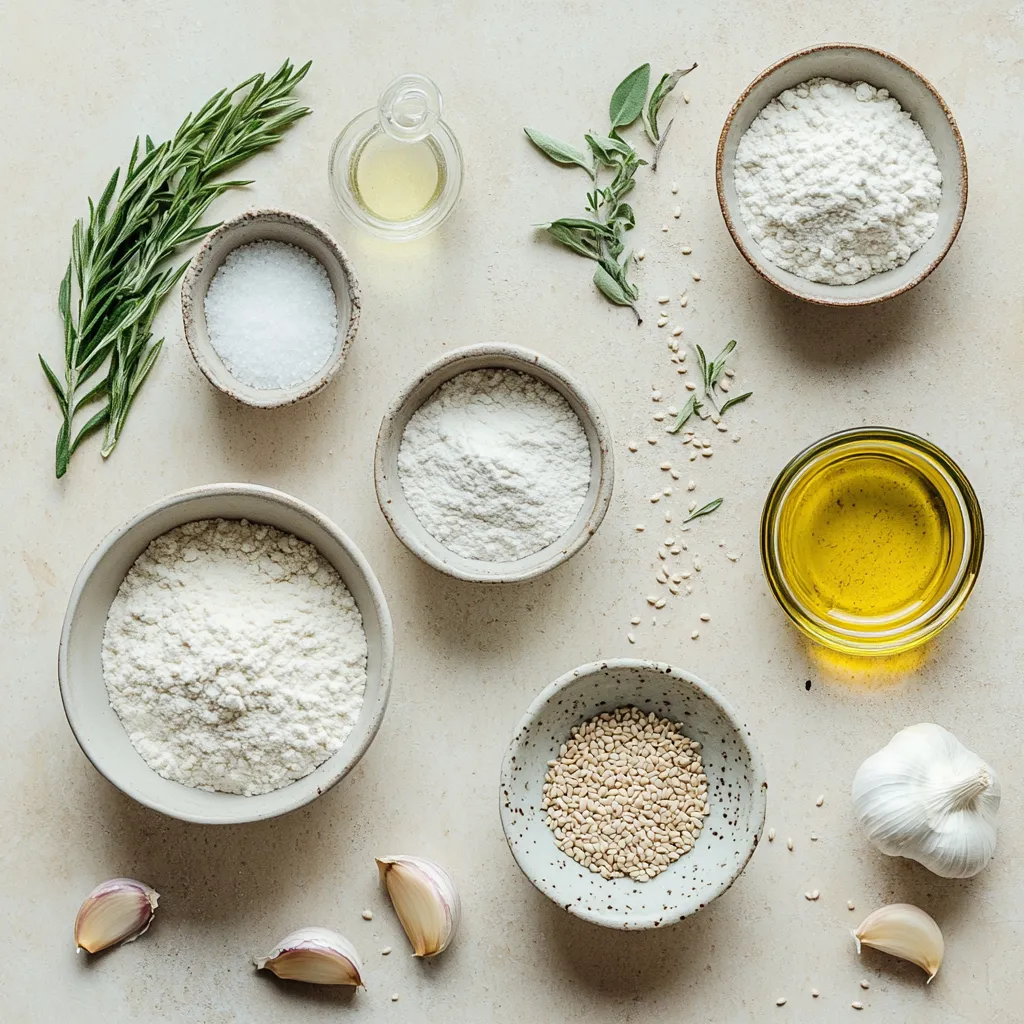
– 2 cups all-purpose flour
– 1 teaspoon salt
– 1 teaspoon baking powder
– 1 tablespoon extra virgin olive oil
– 3/4 cup warm water (adjust as needed)
Optional Toppings
– Fresh herbs (like rosemary or thyme)
– Minced garlic
– Toasted sesame seeds
Understanding the essential ingredients used in this flatbread recipe provides insight into the final product’s structure and flavor. All-purpose flour serves as the backbone of the dough, creating the desired chewy texture. Salt enhances the flavor, ensuring that each bite is seasoned well while baking powder acts as a leavening agent, contributing to the flatbread’s soft rise. Extra virgin olive oil not only adds moisture but also increases richness, making for a more decadent flatbread. The warm water is crucial for achieving the right dough consistency, allowing for better mixing and kneading.
Optional toppings elevate the flatbreads. Fresh herbs like rosemary or thyme not only add aromatic qualities but also beautiful visual appeal. Minced garlic imparts a robust flavor, while toasted sesame seeds introduce a delightful crunch and nutty richness. With these toppings, you can easily customize your flatbread to match your tastes or the meal you’re serving.
Instructions
1. In a large mixing bowl, whisk together the all-purpose flour, salt, and baking powder until they are thoroughly combined.
2. Create a well in the center of the dry mixture, then pour in the olive oil and warm water.
3. Using a wooden spoon or your hands, mix the ingredients until they start to form a cohesive dough.
4. Turn the dough out onto a lightly floured surface. Knead it for about 5–7 minutes until it becomes smooth and elastic. If the dough feels too sticky, gradually incorporate a bit more flour until the desired consistency is achieved.
5. Once kneaded, cover the dough with a clean kitchen towel and let it rest for 20 minutes. This resting period helps to relax the gluten, making the flatbread easier to roll out.
6. After the resting time, divide the dough into 6–8 equal portions based on how large you want your flatbreads to be.
7. Roll each portion into a ball, then flatten it using a rolling pin or your hands until it reaches a thickness of about 1/4 inch.
8. Preheat a skillet or griddle over medium-high heat. Once it’s hot, place a flatbread in the skillet.
9. Cook the flatbread for approximately 2–3 minutes on one side, or until bubbles form on the surface and the bottom is lightly browned. Flip it over and cook for another 1–2 minutes on the other side until golden.
10. Remove the cooked flatbread from the skillet and wrap it in a clean kitchen towel to keep it warm. Repeat this process with the remaining dough pieces.
11. For an extra touch of flavor, brush the warm flatbreads with a little olive oil and sprinkle your choice of fresh herbs, minced garlic, or toasted sesame seeds over the top.
The initial mixing of the dry ingredients is crucial; thorough whisking ensures an even distribution of salt and baking powder, which will ultimately affect the rise and flavor of the bread. Creating a well in the dry mixture allows the wet ingredients to be incorporated gradually, preventing clumps and ensuring a smooth dough.
Kneading the dough is another important step that allows gluten development. The visual and tactile cues you should look for include a smooth texture and elasticity, indicating that your dough is ready for fermentation. The resting period is essential, as it helps relax the gluten, making the dough easier to work with and roll out.
After resting, dividing the dough into equal portions ensures uniformity in size. Each flatbread should be rolled out to about 1/4-inch thickness for ideal cooking results. When shaping, consistency is key—the visual indicators for each piece’s thickness will align with the classic appearance of flatbreads.
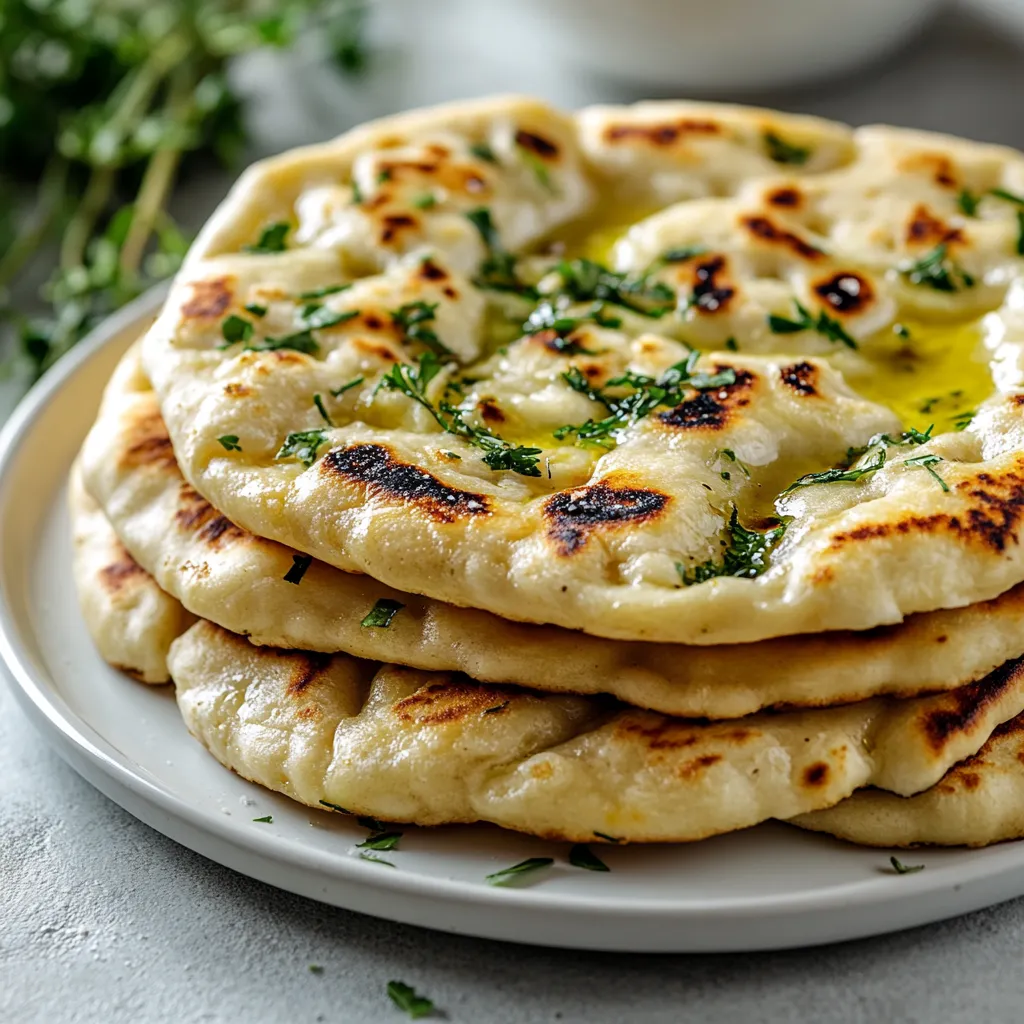
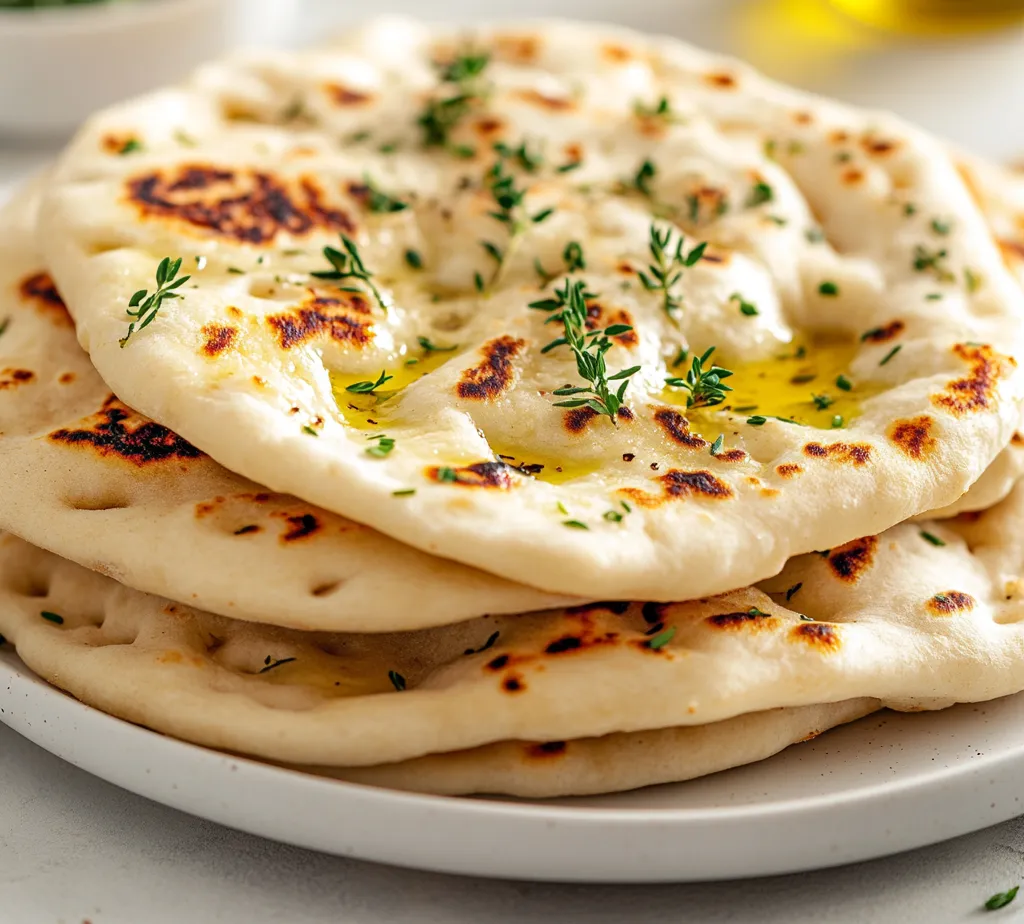
The cooking phase in a preheated skillet creates those beautiful brown marks associated with flatbreads, indicating perfect doneness. Wrapping them in a kitchen towel helps maintain warmth and moisture. For an added flavor boost, brushing the flatbreads with olive oil and sprinkling toppings provides a finishing touch that enhances their taste and appearance.
This step-by-step guide leads to delicious homemade flatbreads that can be served in a variety of contexts, from casual family dinners to festive gatherings.
Preparing the skillet or griddle
To achieve perfect flatbreads, it’s essential to prepare your skillet or griddle properly. Preheating is a crucial step that ensures the flatbreads cook evenly. As a rule of thumb, let your skillet heat over medium-high heat for about 5 minutes before adding the flatbreads. A properly preheated surface not only prevents sticking but also allows for an attractive golden-brown crust to form quickly.
Cooking techniques
When it’s time to cook the flatbreads, focus on the process for the best results. Remember to look for specific signs when flipping the bread. Bubbles forming on the surface are a clear indicator that it’s ready for a turn. You should also observe slight browning around the edges. Cooking times may vary depending on the thickness of the bread and the heat of your skillet. Thin flatbreads will cook in the lower end of the time range, while thicker ones might need a little longer.
Understanding cooking times for different textures is important as well. If you prefer a softer flatbread, you might choose to cook it for a shorter duration. In contrast, if you’re aiming for a slightly crispy texture, allow the flatbread to cook a bit longer until both sides exhibit a satisfying golden hue.
Keeping flatbreads warm
After the flatbreads are cooked, keeping them warm is key to maintaining their soft texture. The best practice is to wrap each cooked flatbread in a clean kitchen towel immediately after removing it from the skillet. This method works wonders for moisture retention, preventing them from becoming dry or tough as they sit.
For an effective plating technique, stack the wrapped flatbreads and place them in a covered dish. This not only helps in keeping them warm but also creates a lovely, inviting presentation for your table.
Adding flavor enhancements
Enhancing the flavor of flatbreads can elevate your culinary experience significantly. A simple brush with extra virgin olive oil while they’re still warm adds both moisture and a rich flavor. Olive oil also deepens the aroma and enhances the texture, resulting in a delightful mouthfeel.
When it comes to toppings, experimenting with different herbs brings potential for new dimensions of flavor. Fresh rosemary, thyme, or even oregano can enrich the bread. Also, consider combining minced garlic with the olive oil for a punchy aromatic infusion that can entice the palate.
Exploring variations with toppings allows for personalization; you can create flatbreads that fit various meal themes or occasions. For example, a sprinkle of toasted sesame seeds, paired with fresh herbs, offers a nutty taste while enhancing crunchiness.
Serving suggestions
Presentation plays a vital role in the enjoyment of food. For creative plating ideas, consider serving the flatbreads stacked neatly on a rustic wooden board, allowing the natural textures to shine through. Accompany them with a small bowl of olive oil for dipping, encouraging a communal and interactive dining experience.
Dipping options compatible with flatbread include hummus, tzatziki, or a balsamic reduction, all of which can enhance the flavors and provide contrasting textures. In addition to flavors, garnishing the presentation with coarse sea salt or colorful fresh herbs elevates the visual appeal, making the dish more inviting.
Nutritional benefits
Discussing the ingredients in this recipe reveals numerous health benefits. All-purpose flour provides carbohydrates, which are essential for energy. When using whole grain flour as a substitution, nutritional value is enhanced, offering more fiber, vitamins, and minerals.
Olive oil, known for its heart-healthy fats, is rich in antioxidants and has anti-inflammatory properties. The use of fresh herbs not only boosts flavor but also brings numerous vitamins and phytochemicals that offer health benefits. This recipe is suitable for a variety of dietary preferences, including vegetarian and vegan options, as all listed ingredients align with both diets.
Storage tips
For those who find themselves with leftover flatbreads, proper storage is essential to maintain their quality. The best method is to refrigerate the flatbreads, placing them in an airtight container to minimize exposure to moisture and air.
If you prefer to save them for longer periods, freezing is an option as well. Wrap individual flatbreads in plastic wrap or foil before placing them in a freezer bag. When you’re ready to enjoy them again, thaw them in the refrigerator or at room temperature.
Reheating instructions are equally important to achieve the same softness and freshness. The microwave is a quick method, but for best results, reheat them in a skillet over low heat, covering them with a lid to trap moisture, ensuring a soft, warm result.
Troubleshooting
Even experienced cooks may face challenges during the flatbread-making process. If you find that your dough is too sticky while kneading, gradually incorporate small amounts of flour until the ideal consistency is reached. Conversely, if the dough feels too dry, a touch of warm water can be added—just a teaspoon at a time—to help bind the mixture.
Another common issue arises with cooking times. If your flatbreads are puffing but not browning, check the heat level; it may need adjustment. If they’re browning too quickly while remaining uncooked inside, reduce the heat slightly to ensure that they cook evenly without burning.
Conclusion
This Quick & Flavorful Flatbread Delight recipe provides a straightforward method to create warm, homemade bread with a delightful texture and flavor. In under 40 minutes, you can enjoy soft, elastic flatbreads, making them an excellent side or snack option for any meal. The addition of fresh herbs or garlic enhances the taste, adding versatility in the kitchen.
Quick and Flavorful Flatbread Delight
Ingredients
- 2 cups all-purpose flour
- 1 teaspoon salt
- 1 teaspoon baking powder
- 1 tablespoon extra virgin olive oil
- ¾ cup warm water
- optional toppings: fresh herbs minced garlic, toasted sesame seeds
Instructions
- Whisk together flour, salt, and baking powder in a bowl.
- Make a well in the center and add olive oil and warm water.
- Mix until a cohesive dough forms.
- Knead on a floured surface for 5-7 minutes until smooth.
- Cover and let the dough rest for 20 minutes.
- Divide the dough into 6-8 portions and roll into balls.
- Flatten each ball to about ¼ inch thick.
- Preheat a skillet over medium-high heat and cook each flatbread for 2-3 minutes per side.
- Wrap cooked flatbreads in a towel to keep warm.
- Brush with olive oil and add toppings before serving.