
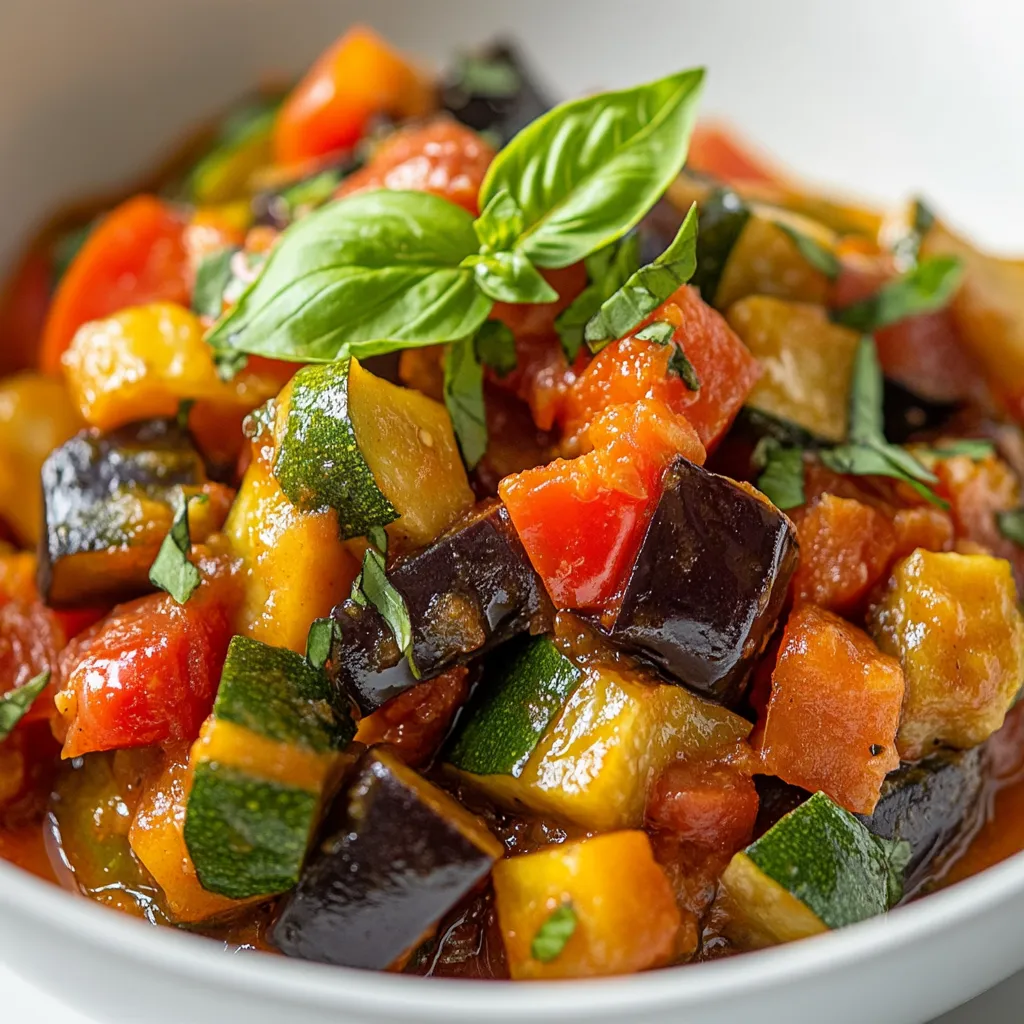
Rustic Ratatouille Delight Recipe for Seasonal Vegetables
Introduction
Ratatouille is a classic French dish known for its rich and robust flavors that celebrate the bounty of summer vegetables. Originating from the Provence region in France, this dish historically served as a way for home cooks to utilize surplus produce, highlighting the importance of fresh, seasonal ingredients. The harmony of vegetables like eggplant, zucchini, and tomatoes creates a vibrant mosaic of colors that entices the palate and fills the kitchen with an intoxicating aroma.
The joy of cooking seasonal vegetables lies in their freshness, flavor, and nutritional benefits. Rustic Ratatouille Delight is a simple approach to creating this staple dish, transforming humble ingredients into a delightful celebration of taste. By employing the right methods and allowing the ingredients to meld, this recipe results in a ratatouille that stands out not just for its visual appeal but also for a depth of flavor that resonates with each bite.
This rustic approach to ratatouille makes it perfect for a variety of occasions. Whether served as a side dish at a summer barbecue, a centerpiece on a vegetarian buffet, or as a comforting family meal, the intricacies of its preparation and presentation make it an engaging dish for cooks of all skill levels.
Recipe Overview
– Total Time: 50 minutes
– Prep Time: 20 minutes
– Cooking Time: 30 minutes
– Yield/Servings: 4
– Difficulty: Not specified in the recipe
Rustic Ratatouille Delight is a symphony of flavors and textures. The soft, creamy eggplant combines beautifully with the tender zucchini and the slight crunch of bell peppers. The rich, juicy tomatoes form a base that ties everything together, while the aromatic garlic and herbs elevate the dish to new heights.
Aside from its delightful flavor profile, this dish is brimming with nutritional benefits. Eggplant is a good source of fiber and antioxidants, zucchini is low in calories yet high in vitamins, and tomatoes provide a generous portion of vitamins C and K along with lycopene, a powerful antioxidant. Fresh herbs such as thyme and basil add not just flavor but also beneficial nutrients that enhance overall health.
Rustic Ratatouille Delight is ideal for various occasions. It can be enjoyed warm as a side dish, served over grains like quinoa for a filling main course, or presented as a light appetizer with crusty bread. Its versatility makes it suitable for casual family dinners or elegant gatherings, allowing you to impress your guests with minimal fuss.
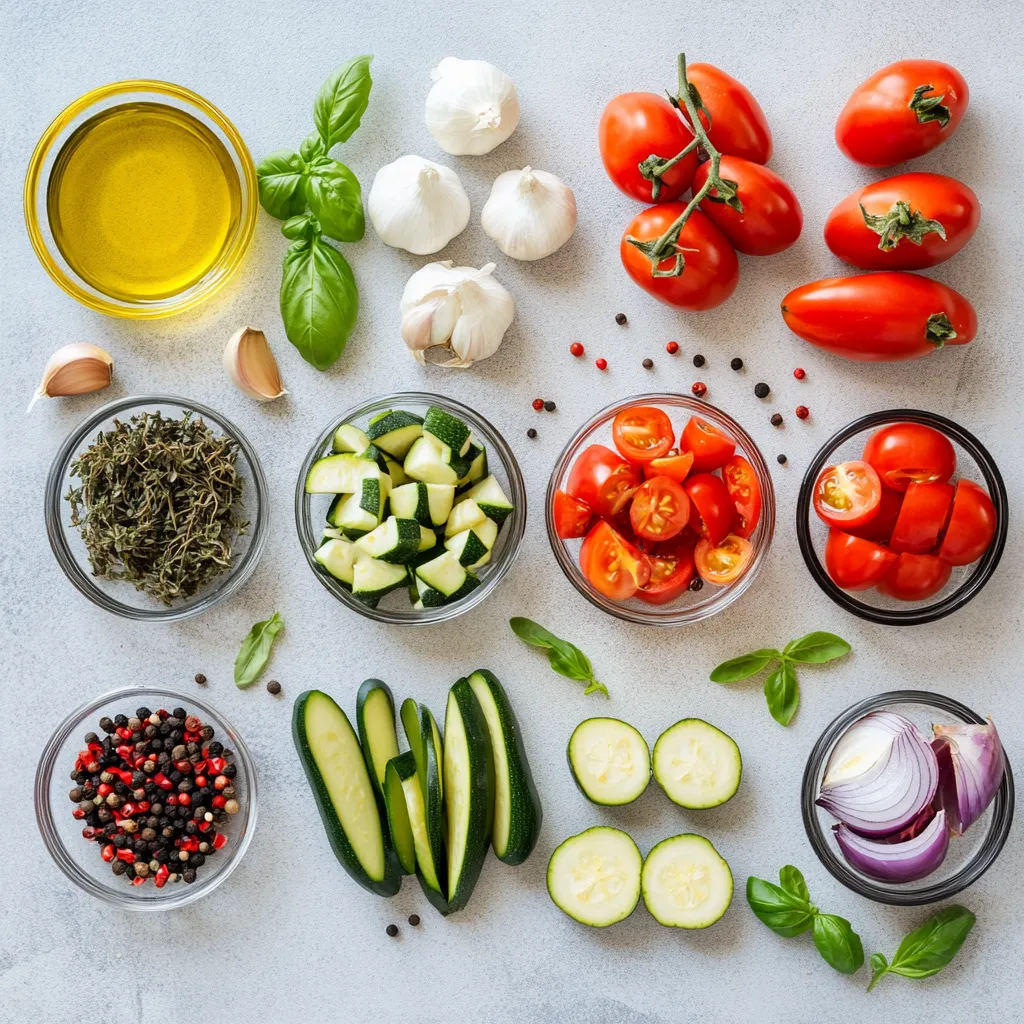
Ingredients
– 1 medium eggplant, cut into 1-inch cubes
– 2 medium zucchinis, sliced into half-moons
– 1 bell pepper (red or yellow), diced
– 1 medium onion, chopped
– 2 cloves of garlic, finely minced
– 4 medium ripe tomatoes, chopped
– 1 teaspoon dried thyme
– 1 teaspoon dried basil
– 1/4 cup extra virgin olive oil
– Salt and freshly ground black pepper, to taste
– Fresh basil leaves, for garnish
Each ingredient plays a vital role in crafting the final dish. The eggplant, the star ingredient, brings a creamy texture that absorbs the flavors around it. When selecting eggplants, look for ones that feel heavy for their size with smooth, glossy skin and a firm, slightly flexible stem.
Zucchini provides a light, fresh contrast, and cutting them into half-moons ensures they cook evenly while maintaining a pleasant texture. When selecting zucchinis, opt for ones that are firm and shiny without blemishes.
The choice of bell pepper—whether red or yellow—adds depth, sweetness, and vibrant color, enhancing the dish visually and flavor-wise. The onion and garlic compose the aromatic base, with onions becoming translucent and sweet when sautéed, and garlic delivering a burst of flavor.
Tomatoes are crucial for moisture and flavor, providing acidity to balance the dish. To achieve the best flavor, aim for ripe, in-season tomatoes. Dried thyme and basil enhance the ratatouille with earthy notes, making them perfect companions for the vegetables. The use of extra virgin olive oil not only adds richness but also infuses the dish with healthy fats. Seasoning with salt and freshly ground black pepper pulls everything together, while fresh basil leaves as a garnish offer a vibrant finish.
Instructions
1. Start by prepping all your vegetables: cut the eggplant into 1-inch cubes, slice the zucchinis into half-moons, dice the bell pepper and onion, and finely mince the garlic. Chop the tomatoes and set them aside for later use.
2. In a large skillet or Dutch oven, heat the extra virgin olive oil over medium heat. Once hot, add the chopped onion and minced garlic, sautéing them for about 3-4 minutes or until the onion turns translucent and fragrant.
3. Add the cubed eggplant to the skillet. Cook for an additional 5 minutes, stirring occasionally. The eggplant should soften and start to brown slightly, which enhances its flavor.
4. Incorporate the diced bell pepper and sliced zucchinis into the skillet. Continue to cook for another 5-7 minutes, until all the vegetables are tender and well combined.
5. Stir in the chopped tomatoes along with the dried thyme and dried basil. Season the mixture with salt and freshly ground black pepper to your liking.
6. Lower the heat to a gentle simmer, cover the skillet, and allow the ratatouille to cook for about 20-25 minutes, stirring occasionally. This slow cooking process will allow the flavors to meld beautifully.
7. After simmering, taste and adjust the seasoning if needed. Remove the skillet from heat and let it cool slightly before serving.
8. Serve the ratatouille warm, garnished with fresh basil leaves. It pairs wonderfully with crusty bread or can be served over a bed of fluffy quinoa or rice for a satisfying meal.
Preparation of flavorful rustic dishes like this one showcases the beauty of fresh, seasonal vegetables. Understanding how to prepare and cook these ingredients enhances the overall experience and ensures optimal taste in the finished dish.
Preparation of Vegetables
Preparing the vegetables correctly sets the stage for a successful Rustic Ratatouille Delight. The eggplant is a critical component due to its ability to absorb flavors, so cutting it into 1-inch cubes not only helps it cook evenly but also allows for a pleasing bite size when served. For the best results, choose firm, unblemished eggplants and consider salting them before cooking to draw out excess moisture and bitterness—a technique often recommended for eggplant.
Next, zucchini should be sliced into half-moons, with approximately half an inch in width striking the right balance for their tender texture. You can peel the zucchini if desired, but leaving the skin on adds color and additional nutrients to the dish. For uniform cooking, ensure your cuts are consistent.
When dicing the bell pepper and onion, aim for small, evenly sized pieces to achieve a balanced texture throughout the dish. Use a sharp knife for clean cuts and practice your knife skills for efficient prep work. The bell pepper can contribute varying sweetness based on its color, with red often being sweeter than yellow.
Garlic, finely minced, provides a strong aromatic punch. Opt for fresh garlic over jarred garlic for the most vibrant flavor; pressing down with the blade of your knife can help release its oils before finely mincing. Lastly, tomatoes should be chopped just before they’re added to the dish to preserve their juiciness; ripe tomatoes will provide the moisture that the ratatouille needs.
By employing these preparation techniques, you ensure that each vegetable enhances the overall flavor and texture of the ratatouille, allowing it to shine as the true star of the dish.
Cooking Process
The cooking process of Rustic Ratatouille Delight plays a pivotal role in developing its rich, complex flavors. Begin by heating the extra virgin olive oil in a large skillet or Dutch oven over medium heat. This initial step is crucial as it allows the oil to reach the optimal temperature for sautéing, leading to even cooking and a beautifully aromatic base.
Once the oil shimmers, introduce the chopped onions and minced garlic. Sauté these aromatics for about 3-4 minutes. Their sweet onset marks the beginning of flavor infusion. Keep an eye on them, stirring as needed, to prevent burning and to ensure that the onions turn translucent and fragrant—a sign they’re ready for the next ingredient.
Next, carefully add the cubed eggplant. This step is essential for browning the eggplant properly, which takes about 5 minutes. Stir occasionally to promote even cooking; as the eggplant releases moisture and absorbs the oil, it will begin to brown, contributing to the dish’s depth of flavor.
At this point, incorporate the bell pepper and zucchini. Sautéing these vegetables together allows their flavors to meld, and they should be cooked until tender—about 5-7 minutes. Observe their transformation as they soften and begin to integrate harmoniously in the skillet.
Subsequently, stir in the chopped tomatoes, dried thyme, and dried basil. This addition introduces moisture and richness, making the dish comforting. Season with salt and freshly ground black pepper to balance the flavors. Lowering the heat and covering the skillet is crucial now, allowing the ratatouille to simmer gently for 20-25 minutes. This slow cooking allows the various flavors to marry and develop into a cohesive dish.
As you approach the end of this cooking phase, be sure to taste and adjust the seasoning. Afterward, remove the skillet from the heat, enabling a gentle cooling down before serving. This methodical approach ensures a flavorful ratatouille where each vegetable contributes to a succulent and satisfying meal.
Stirring Techniques for Even Cooking
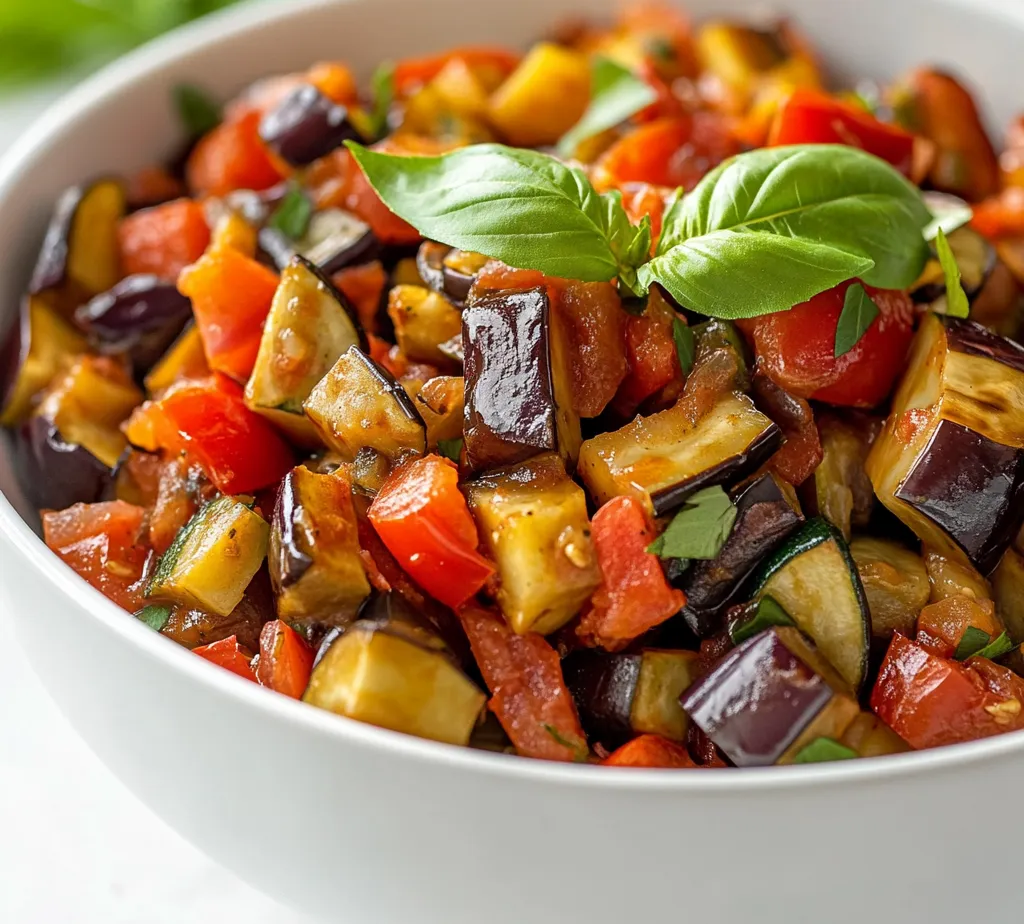
Achieving the perfect texture and flavor in your Rustic Ratatouille Delight largely relies on effective stirring techniques. As vegetables cook at different rates, it’s essential to maintain an even distribution of heat. When you add ingredients such as eggplant and zucchini, ensure you stir thoroughly so that each piece gets even exposure to the heat and oil. This prevents some vegetables from overcooking while others remain crunchy. A wooden spoon works well for this purpose, allowing you to gently scrape the bottom of the skillet, releasing any flavorful bits that may be stuck. Stirring frequently during the initial sauté process will help the moisture from the vegetables escape and contribute to a deliciously thick ratatouille.
The rhythmic motion of stirring—either clockwise or counterclockwise—allows heated oil to coat all ingredients uniformly. In the simmering phase, you need only occasionally stir; this helps retain the structure of the vegetables while still allowing flavors to meld together effectively.
The Role of Tomatoes, Thyme, and Basil in Rounding Out Flavors
The tomatoes, thyme, and basil have a key role in enhancing the flavor profile of this ratatouille. Fresh tomatoes bring acidity and sweetness, balancing the earthiness of eggplant and the brightness of bell peppers. Their juiciness contributes to the dish’s texture, ensuring it remains moist without becoming watery.
Thyme and basil are the aromatic backbone of your dish. Thyme offers deep herbal notes that pair beautifully with the various vegetables, while basil adds a fresh, slightly peppery element that lightens the overall effect. Using dried herbs in the mixture allows their oils to dissipate and infuse the ratatouille, making each bite rich and flavorful. When cooking, the fragrance will guide you; a well-executed ratatouille should welcome your guests with an inviting aroma.
Simmering Techniques
Simmering is a subtle yet significant technique that affects the final dish’s texture and taste. A gentle simmer means keeping the liquid just below a boiling point, allowing small bubbles to form periodically. This contrasts with boiling, which can cause the vegetables to break down too quickly, leading to a mushy consistency.
Covering the skillet during simmering is a strategic move that helps lock in moisture and heat. This is crucial for softening the vegetables and allowing the flavors to deepen and concentrate. If left uncovered, the steam escapes, causing the mixture to dry out and reducing the overall flavor intensity.
For good time management in your cooking process, check the ratatouille occasionally—every 5 to 10 minutes—to ensure it doesn’t stick to the bottom and to get a sense of its progress. If your vegetables are becoming too soft, you may reduce the simmering time.
Seasoning Adjustments
Throughout the cooking process, tasting is essential. It helps achieve the right balance of flavors, especially when it comes to seasoning. Keep a spoon handy and take a moment to sample the ratatouille once the tomatoes have broken down into a sauce.
Adjusting salt and pepper enhances the natural flavors of your ingredients. Remember that salt can amplify sweetness in tomatoes and mellow any bitterness from eggplants. If the dish feels too acidic due to the tomatoes, a pinch of sugar can balance it out without compromising the overall integrity of the dish.
Likewise, if you find the ratatouille overly sweet, a squeeze of lemon or a dash of vinegar at the end can bring brightness and fresh acidity, rounding out the complexity of flavors perfectly.
Serving Suggestions
Ratatouille shines when served warm, as the elevated temperature enhances the aromatic elements of the dish. Present the ratatouille in a rustic serving dish, allowing the colorful vegetables to showcase their natural beauty.
Garnishing with fresh basil is not only visually appealing but elevates the dish with an additional layer of flavor. Tear the basil leaves rather than chopping, as this releases natural essential oils that enhance the dish’s aroma.
Accompanying it with crusty bread is traditional, providing a delightful contrast in texture. Alternatively, serving it over fluffy quinoa or rice transforms it into a heartier meal. The nutty flavor of quinoa pairs particularly well with the vegetable mix. Explore different combinations, as the slight sweetness of the zucchini and the robust acidity of the tomatoes juxtapose beautifully against the chewiness of bread or the softness of grains.
Storage and Reheating
To extend the shelf life of your Rustic Ratatouille Delight, proper storage is key. Keep leftovers in an airtight container and refrigerate them promptly after cooling. When stored correctly, the ratatouille will last for up to three days.
When it comes to reheating, using the skillet is preferable, as it helps maintain texture and prevents the vegetables from becoming mushy. Simply add a small splash of olive oil and gently heat over low to medium heat, stirring occasionally. The stovetop method ensures even warming and allows the ratatouille to regain some of its original flavor.
If you must use a microwave, cover the container with a microwave-safe lid or wrap to trap steam, reheating in short bursts to avoid overcooking.
Dietary Considerations
The Rustic Ratatouille Delight is inherently vegetarian and vegan-friendly due to its composition of vegetables and olive oil. This allows it to fit comfortably within many dietary preferences.
For those needing gluten-free meals, this ratatouille meets those requirements, making it suitable for individuals with gluten sensitivities or Celiac disease.
Customizations for various diets are also allowable. For low-carb options, serve the ratatouille alongside grilled fish or chicken instead of bread or grains. If lower fat intake is desired, reducing the olive oil can still yield a delightful dish, just note that the depth of flavor may vary slightly.
Variations and Additions
For those looking to creatively twist this classic ratatouille, consider incorporating seasonal vegetables like squash, asparagus, or even mushrooms for an added depth of flavor. In some Mediterranean regions, chickpeas or lentils may be added to increase nutritional value and protein content.
Exploring regional variations can also provide different dimensions to the dish. Utilizing spices from Moroccan cuisine like cumin or coriander can transform the traditional flavor into something uniquely exotic.
Presentation Tips
To create an appealing presentation for your Rustic Ratatouille Delight, opt for a wide serving bowl to showcase the vibrant colors of the vegetables. Drizzled olive oil adds a glossy finish, making the dish look even more appetizing.
Finally, the importance of visual appeal can’t be overstated. A beautifully plated meal enhances the experience of dining, encouraging guests to indulge and savor each bite.
Conclusion
Rustic Ratatouille Delight offers a vibrant medley of flavors with its selection of fresh vegetables cooked to tender perfection. The aroma of sautéed onion and garlic combined with the sweetness of summer tomatoes creates a comforting dish that is both satisfying and nourishing. Overall, the preparation and cooking time ensures a delightful meal ready in under an hour, perfect for any occasion where hearty and wholesome flavors are desired.
Rustic Ratatouille Delight Recipe for Seasonal Vegetables
Ingredients
- 1 medium eggplant cut into 1-inch cubes
- 2 medium zucchinis sliced into half-moons
- 1 medium bell pepper red or yellow, diced
- 1 medium onion chopped
- 2 cloves garlic finely minced
- 4 medium ripe tomatoes chopped
- 1 teaspoon dried thyme
- 1 teaspoon dried basil
- ¼ cup extra virgin olive oil
- Salt and freshly ground black pepper to taste
- Fresh basil leaves for garnish
Instructions
- Prep all vegetables: cut eggplant, slice zucchinis, dice bell pepper and onion, mince garlic, and chop tomatoes.
- Heat olive oil in a large skillet over medium heat, then add onion and garlic, sautéing until translucent.
- Add cubed eggplant to the skillet and cook for 5 minutes, stirring occasionally.
- Incorporate diced bell pepper and sliced zucchinis, cooking for another 5-7 minutes until tender.
- Stir in chopped tomatoes, dried thyme, and dried basil; season with salt and pepper.
- Lower heat to a simmer, cover, and cook for 20-25 minutes, stirring occasionally.
- Taste and adjust seasoning if needed, then remove from heat and let cool slightly.
- Serve warm, garnished with fresh basil leaves.