
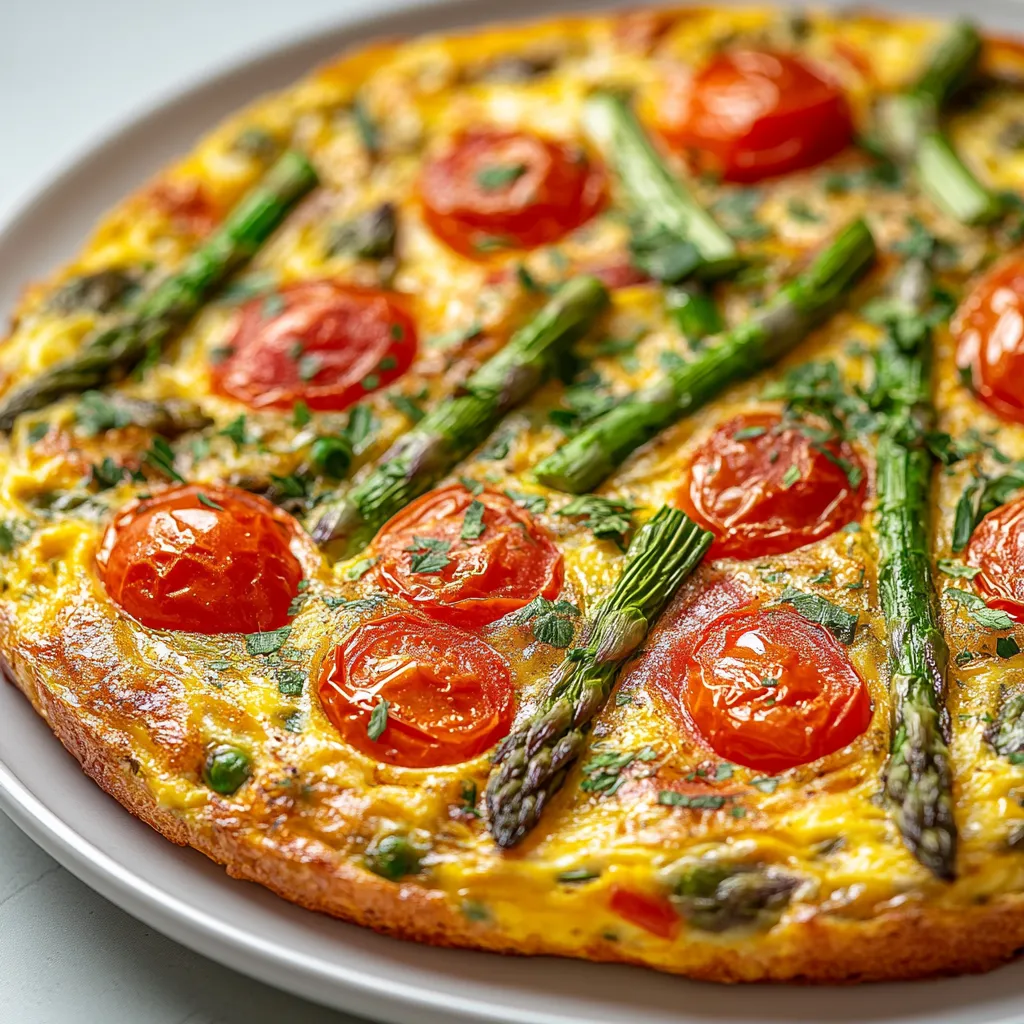
Asparagus Frittata Bliss Recipe
Introduction
Setting the stage for a delicious frittata requires an uplifting combination of fresh vegetables, rich eggs, and a touch of creamy cheese. The Asparagus Frittata is an excellent example of a dish that showcases seasonal produce while indulging your taste buds. The vibrant green asparagus, sweet cherry tomatoes, and fragrant herbs create a delightful medley that makes every bite special. This dish isn’t just about being a breakfast or brunch option; it can easily be enjoyed for lunch or even dinner, making it an incredibly versatile addition to your weekly meal plan.
This Asparagus Frittata is a must-try for anyone looking to explore the world of egg-based recipes. With its simple yet elegant flavor profile, it provides a nourishing meal that can be quickly whipped up any day of the week. Not only is it visually appealing, but it also ensures that you sneak in essential vitamins and minerals through the asparagus and tomatoes, making it a nutritious choice for your family and guests alike.
One of the numerous benefits of making frittatas at home is their adaptability. You can swap out ingredients depending on what you have on hand, allowing for creativity in your cooking. This dish can easily accommodate various toppings or adjustments, ensuring you never grow tired of the same recipe. Making it from scratch provides the satisfaction of cooking, and you have complete control over the quality of ingredients, allowing you to prioritize freshness and flavor.
Recipe Overview
– Total Time: 30 minutes
– Prep Time: 10 minutes
– Cooking Time: 20 minutes
– Yield/Servings: 4
– Difficulty: Not specified in the recipe
Ingredients
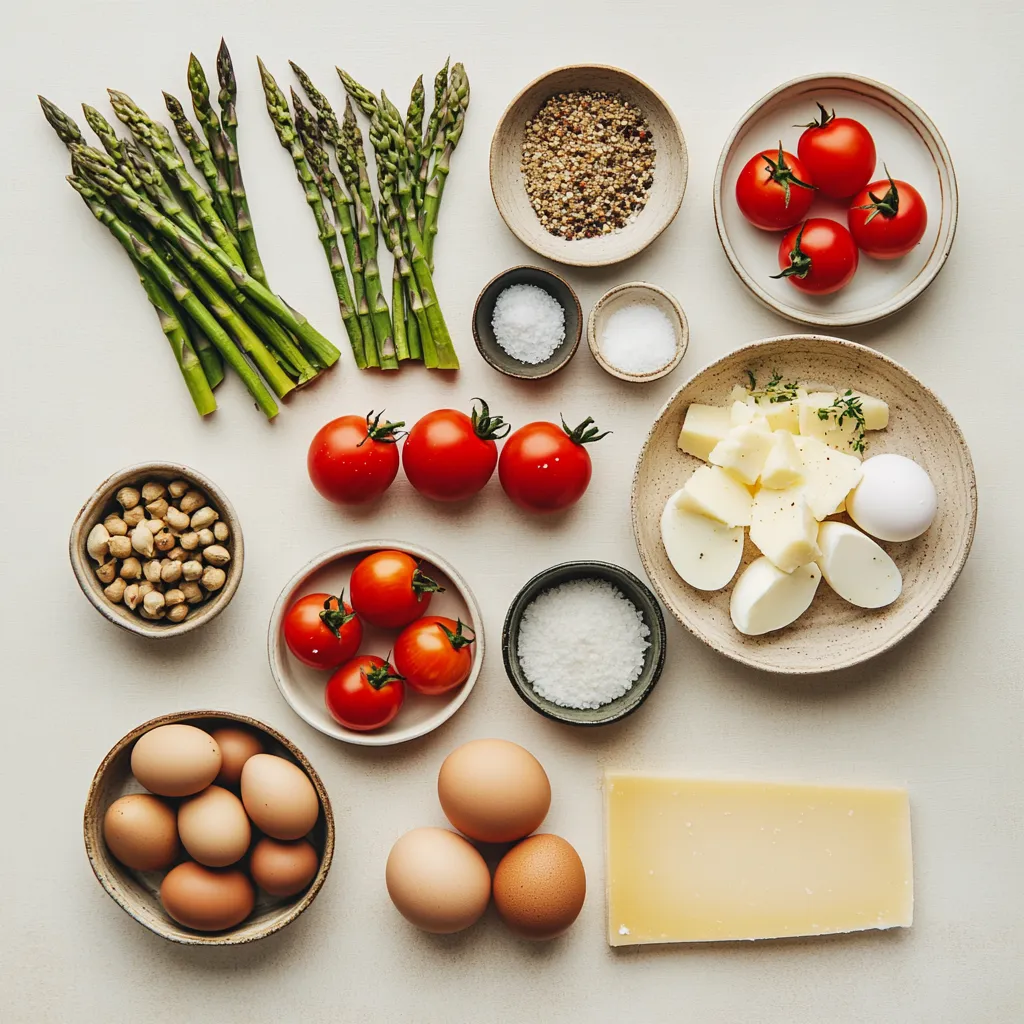
– 8 large eggs
– 1 cup fresh asparagus, trimmed and cut into 1-inch pieces
– 1/2 cup cherry tomatoes, halved
– 1/2 cup onion, finely chopped
– 1/2 cup bell pepper (red or yellow), diced
– 1/2 cup crumbled feta cheese or goat cheese
– 2 tablespoons extra virgin olive oil
– Salt and freshly ground black pepper to taste
– Chopped fresh herbs (such as parsley or chives) for garnish
Preparation Process
Preparing the ingredients for your Asparagus Frittata is the first crucial step to ensuring that everything comes together harmoniously. Start by trimming and cutting the asparagus into 1-inch pieces. This size allows the asparagus to cook evenly and helps it blend well with the other components of the frittata. Chopping the onion and bell pepper finely is essential for incorporating them into the egg mixture smoothly. Diced bell peppers (either red or yellow) add a sweet and colorful touch to the dish.
Having your cherry tomatoes halved will not only help in evenly distributing their flavor throughout the frittata but also enhance its aesthetic appeal. Utilizing fresh herbs, such as parsley or chives, will elevate the dish with their bright flavors. These herbs can be used as a garnish or mixed into the frittata for added flavor, but fresh is always the way to go for that extra burst of taste.
Pay close attention to whisking the eggs thoroughly in a mixing bowl. A well-whisked egg mixture incorporates air, which is critical for achieving a light and fluffy frittata. Whisk eggs vigorously until the yolks and whites are fully combined. Don’t skip the seasoning at this stage; adding salt and freshly ground black pepper enhances the overall flavor of the frittata.
Cooking Steps
Preheating your oven to 375°F (190°C) is an important step that should not be overlooked. This temperature allows for optimal baking of the frittata, ensuring that it cooks evenly throughout. Begin by heating the olive oil in a large, oven-safe skillet over medium heat. When the oil becomes hot, add the finely chopped onion and diced bell pepper. Sauté for approximately 5 minutes. During this time, the onions will become translucent and fragrant, while the bell peppers will soften, releasing their natural sweetness and flavor.
Next, it’s time to incorporate the asparagus into the skillet. Adding the asparagus pieces will impart a lovely crunch and bright green color to your frittata. Sauté the asparagus with the onion and bell pepper for an additional 3-4 minutes while stirring occasionally. The goal is for the asparagus to turn a vibrant green and to achieve a tender yet crisp texture, which will contribute to the overall profile of the frittata.
Now, you’re ready to move on to the egg mixture. In a separate mixing bowl, crack the eggs and whisk them vigorously until fully combined. Once the eggs are well-blended, season the mixture with salt and freshly ground black pepper to taste. This step is crucial as it ensures that the frittata has a balanced flavor throughout.
After whisking the eggs, carefully pour them over the sautéed vegetables in the skillet. Use a spatula to gently fold the vegetables into the egg mixture, ensuring that everything is evenly distributed. This technique helps in achieving a consistent flavor and texture across the entire frittata.
Scatter the halved cherry tomatoes and the crumbled feta or goat cheese across the top of the egg mixture. This not only adds delightful texture and taste but ensures the frittata is visually appealing, making it perfect for serving at brunch or any meal of the day.
Finally, allow the frittata to cook on the stovetop for about 2-3 minutes. This initial cooking time will help the edges set while leaving the center slightly runny. This is an essential part of the process as it allows for an optimal transition when baking in the oven.
By following these steps carefully, you’ll be well on your way to creating a luxurious Asparagus Frittata that is both satisfying and delicious, showcasing the freshness of your ingredients beautifully.
Understanding the Baking Process
Baking a frittata is a delicate balance of time and temperature, where the goal is to achieve a custardy texture without overcooking the eggs. The process begins on the stovetop to establish a foundation of flavor from the sautéed vegetables, which allows them to infuse their essence into the egg mixture. Transitioning to the oven ensures even heat distribution, creating a fluffy consistency while allowing the frittata to rise properly.
During the baking stage, the residual heat from the skillet continues to cook the outer edges of the frittata, sealing in moisture. By understanding how your oven heats and the importance of gradual cooking, you can master the baking of a frittata to perfection.
Signs of the Frittata Being Done
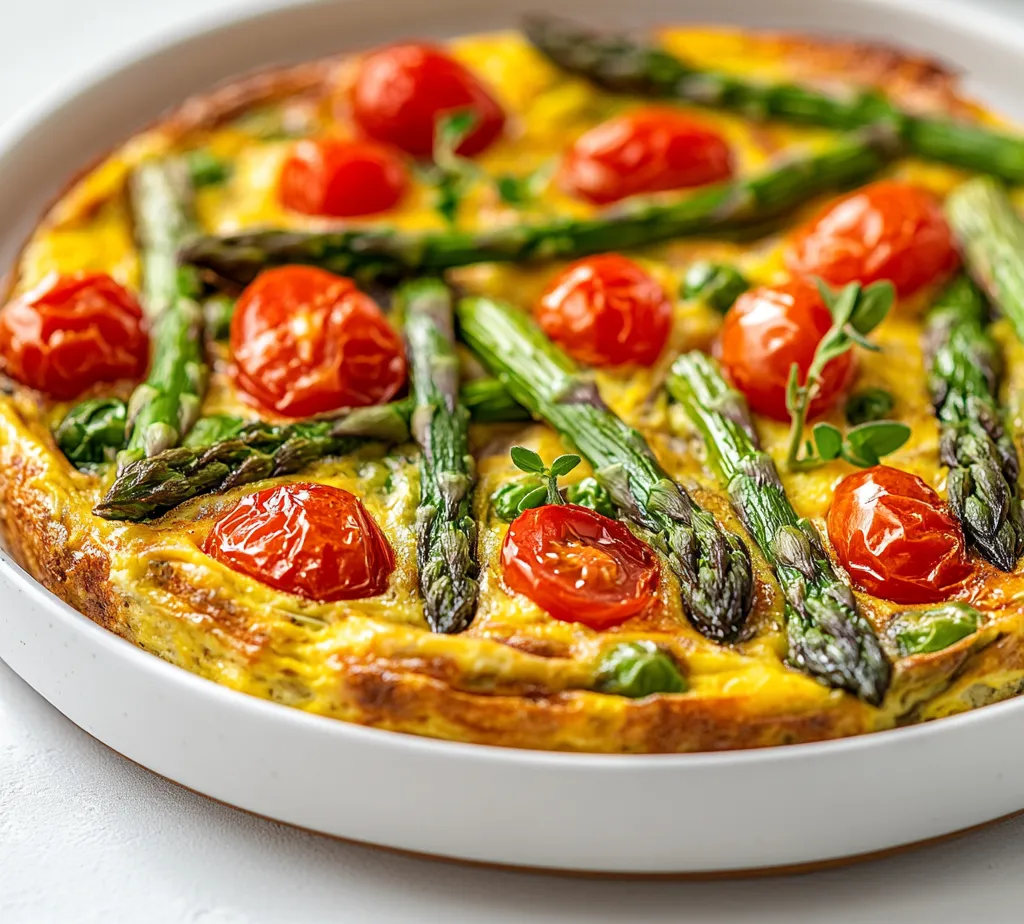
Monitoring the frittata as it bakes is crucial to achieving the right doneness. A fully cooked frittata will be puffed up, with the surface appearing firm and slightly golden. You may also notice the sides pulling away from the skillet, indicating that the frittata is ready to come out. The center should be set without any liquid egg remaining, achieving a light jiggle when gently shaken.
How to Use a Toothpick for Testing
To confirm the frittata is fully cooked, a toothpick serves as an excellent test tool. Insert it into the center of the frittata; if it comes out clean, the dish is done. If there are remnants of egg clinging to the toothpick, give the frittata an additional 2-3 minutes in the oven before testing again. Removing the frittata too early can lead to an undercooked center, which may not hold its shape when sliced.
Cooling Recommendations for Serving
Once out of the oven, it’s wise to let the frittata cool for a few minutes before slicing. This short resting period allows it to firm up slightly, making it easier to cut and serving neater portions. If expecting to serve it warm, consider transferring it to a cutting board for easier slicing while still retaining the warmth.
Garnishing and Serving Suggestions
Best Herbs to Complement the Flavor
The freshness of herbs can elevate the frittata’s taste. Chopped parsley or chives provide a subtle onion flavor that complements both the asparagus and the cheese. Dill can impart a unique zest, while basil introduces a sweet aroma. For a bolder flavor, consider using fresh oregano or thyme. Each of these herbs adds a distinct note that enhances the overall eating experience.
Creative Serving Ideas for Every Occasion
Frittatas are versatile and can be tailored for various occasions. For a brunch, serve wedges alongside vibrant seasonal fruit, pastries, or a yogurt parfait for a balanced offering. For a light lunch or dinner, place the frittata on a bed of mixed greens, incorporating slices of avocado or a drizzle of balsamic glaze for extra flavor. You can also serve individual slices with whole-grain toast or as part of a charcuterie board for entertaining guests.
Ideal Pairings: Sides and Drinks
Accompanying the frittata with complementary sides can enhance the meal further. A light citrus-based salad or roasted vegetables would provide freshness. For beverages, a chilled glass of white wine, such as Sauvignon Blanc, pairs beautifully, or opt for freshly squeezed juices for a non-alcoholic option that brightens the palate.
Storage and Reheating Tips
How to Store Leftover Frittata Properly
Leftover frittata can be stored efficiently to ensure it retains its texture and flavor. Allow the frittata to cool completely, then cover it with plastic wrap or transfer it to an airtight container. It can be refrigerated for up to three days. If you’ve prepared more than you can consume, consider freezing individual slices wrapped tightly in foil or plastic wrap for later enjoyment.
Best Methods for Reheating Without Drying Out
Reheating frittata requires care to prevent a dry outcome. The best method is to warm slices in a skillet over low heat, covering it with a lid to trap steam, which keeps the frittata moist. Alternatively, you can reheat in an oven set to 350°F (175°C) for about 10-15 minutes. If using a microwave, place a damp paper towel over the frittata slice to retain moisture and heat in short increments.
Creative Ways to Repurpose Leftovers
If you’re looking to revitalize leftover frittata, consider incorporating it into other dishes. Chop the frittata and add it to a salad for added protein or throw it into a wrap with fresh vegetables and a spread. You could also layer it in a grain bowl with quinoa, fresh greens, and a drizzle of lemon dressing for a wholesome meal.
Variations and Substitutions
Exploring Different Vegetables and Add-ins
Frittatas are easily customizable based on seasonal ingredients or personal preferences. Spinach, kale, or zucchini can be substituted for asparagus, allowing for a colorful presentation and different flavor profiles. You can also experiment by adding cooked potatoes, sweet corn, or mushrooms to create an earthy depth.
Cheese Alternatives for Unique Flavor Profiles
While feta and goat cheese provide a delightful tang, feel free to swap these with other cheese varieties. Cheddar offers a sharper flavor, while Gruyère introduces a nutty essence. For a creamier texture, consider using ricotta. Adjusting the cheese can significantly alter the frittata’s overall taste, making it a delightful surprise each time.
Creating a Vegetarian or Vegan Version
For a vegetarian-friendly frittata, simply omit any meat products while retaining the wealth of vegetables and cheese. To create a vegan version, use an egg substitute, such as a chickpea flour mixture or silken tofu blended with nutritional yeast for flavor. These options maintain the texture and heartiness of the dish, allowing more people to enjoy it.
Health Benefits of Ingredients
Nutritional Benefits of Asparagus
Asparagus is not only a star ingredient but packed with vitamins A, C, E, and K, along with folate and antioxidants. Its low calorie count coupled with a high fiber content makes it a great choice for any health-conscious meal while supporting digestion and overall health.
Advantages of Including Eggs in Your Diet
Eggs are an excellent source of high-quality protein, essential vitamins, and minerals. They’re rich in choline, whichsupports brain health, and are beneficial for eye health due to their lutein and zeaxanthin content. Their versatility in recipes makes them a staple in many diets.
The Role of Olive Oil and Fresh Vegetables
Extra virgin olive oil not only enhances flavor but is also rich in heart-healthy fats and antioxidants, aiding overall wellness. The inclusion of fresh vegetables, such as onions and bell peppers, contributes additional vitamins and minerals, creating a nutrient-dense meal.
Common Mistakes to Avoid
Overcooking the Vegetables: How to Prevent It
To prevent overcooking vegetables, ensure to sauté them just until they are tender yet still vibrant. Monitoring the cooking time closely will help retain their texture and flavor, contributing positively to the frittata’s overall outcome.
Egg Mixture Mistakes to Watch Out For
When mixing the eggs, avoid over-whisking, as it can incorporate too much air and lead to a rubbery texture when baked. Instead, whisk gently just until combined for a fluffy result.
Tips to Avoid a Soggy Frittata
To avoid a soggy frittata, ensure that the vegetables are not releasing excessive liquid into the egg mixture. Cooking them thoroughly before adding the eggs helps mitigate this issue. Additionally, baking at the correct temperature ensures the eggs set properly without excess moisture remaining.
Conclusion
The asparagus frittata is a flavorful and satisfying dish that perfectly balances the freshness of vegetables with the richness of eggs. With a golden, puffed-up texture and a harmonious blend of ingredients, it can be enjoyed warm or cold. In just 30 minutes, you can prepare a delightful meal that is both nutritious and eye-catching.
Asparagus Frittata Bliss Recipe
Ingredients
- 8 large eggs
- 1 cup fresh asparagus trimmed and cut into 1-inch pieces
- ½ cup cherry tomatoes halved
- ½ cup onion finely chopped
- ½ cup bell pepper red or yellow, diced
- ½ cup crumbled feta cheese or goat cheese
- 2 tablespoons extra virgin olive oil
- Salt and freshly ground black pepper to taste
- Chopped fresh herbs such as parsley or chives for garnish
Instructions
- Preheat your oven to 375°F (190°C).
- Heat olive oil in a large, oven-safe skillet over medium heat.
- Add finely chopped onion and diced bell pepper; sauté for about 5 minutes until softened.
- Incorporate asparagus pieces and cook for an additional 3-4 minutes until tender.
- Whisk eggs in a separate bowl, seasoning with salt and pepper.
- Pour whisked eggs over the sautéed vegetables and fold gently.
- Scatter halved cherry tomatoes and crumbled cheese on top.
- Cook on the stovetop for 2-3 minutes until edges set.
- Transfer skillet to the oven and bake for 15-20 minutes until puffed and set.
- Cool for a few minutes, slice into wedges, and garnish with fresh herbs before serving.