
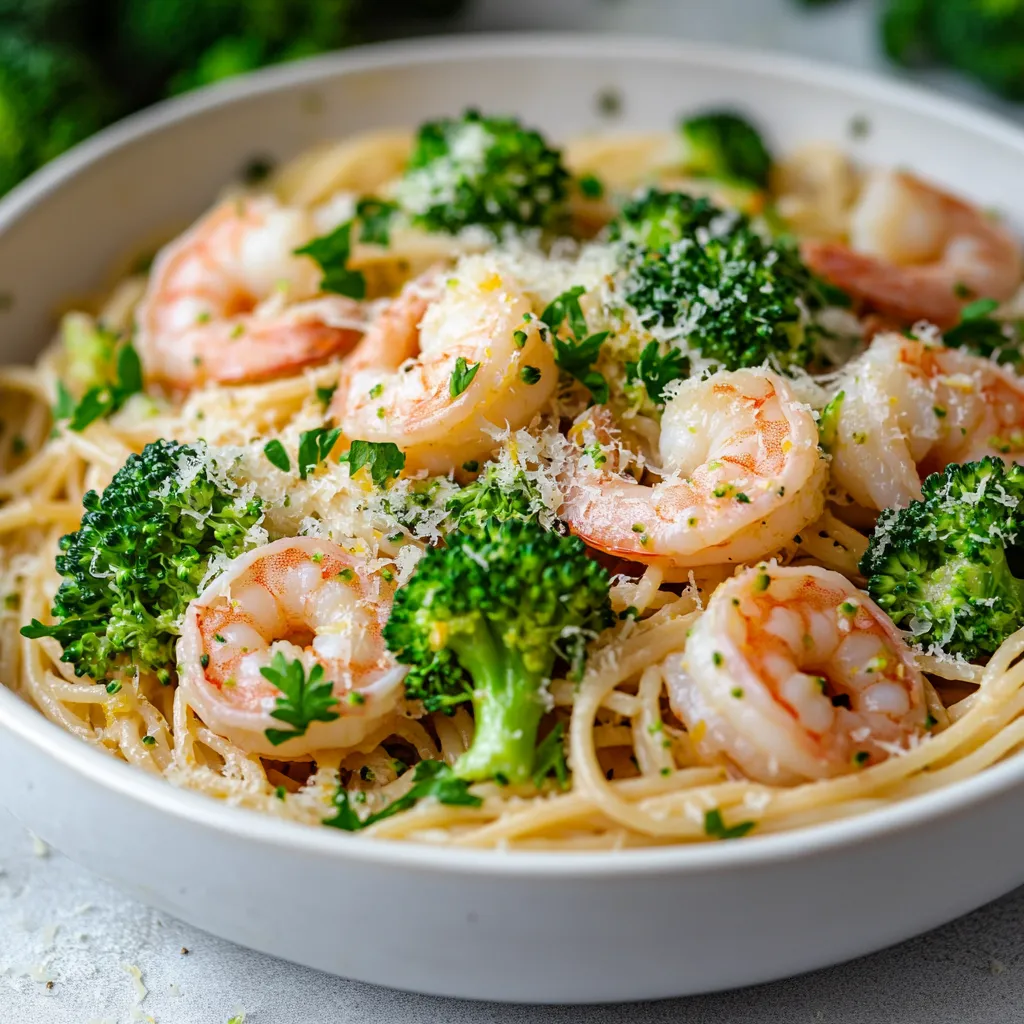
Lemon and Broccoli Pasta with Shrimp Recipe
Introduction
Lemon and Broccoli Pasta with Shrimp is a delightful dish that combines the bright, citrusy zing of lemon with tender, succulent shrimp and fresh broccoli florets. This recipe brings together the refreshing taste of lemon and the earthy crunch of broccoli, making it a vibrant option for dinner that is both delicious and visually appealing. The pasta serves as the ideal base, soaking in all the flavorful elements, making each bite a delightful experience.
This dish is perfect for a variety of occasions. Whether you’re preparing a cozy family dinner, hosting friends, or need a quick yet impressive meal for a date night, Lemon and Broccoli Pasta with Shrimp fits the bill. Its inviting flavors and colors can elevate any dining experience while remaining simple enough for weeknight meals. Additionally, the ingredients are packed with health benefits that deliver both nourishment and satisfaction.
The primary components of this dish not only taste amazing but also contribute to a well-rounded meal. Shrimp is a great source of high-quality protein and essential omega-3 fatty acids, while broccoli is rich in vitamins and fiber. A splash of lemon juice adds a boost of vitamin C, enhancing the dish nutritionally. Together, they create a balanced, flavorful meal that you can feel good about serving to your loved ones.
Recipe Overview
– Total Time: 30 minutes
– Prep Time: 10 minutes
– Yield: Serves 4
– Difficulty: Not specified in the recipe
Ingredients
– 8 oz spaghetti or linguine
– 2 cups broccoli florets
– 1 lb large shrimp, peeled and deveined
– 3 cloves garlic, finely minced
– 1/4 cup extra virgin olive oil
– Zest and juice of 1 large lemon
– 1/2 tsp red pepper flakes (optional for heat)
– Sea salt and freshly cracked black pepper to taste
– 1/2 cup freshly grated Parmesan cheese
– Fresh parsley, finely chopped for garnish
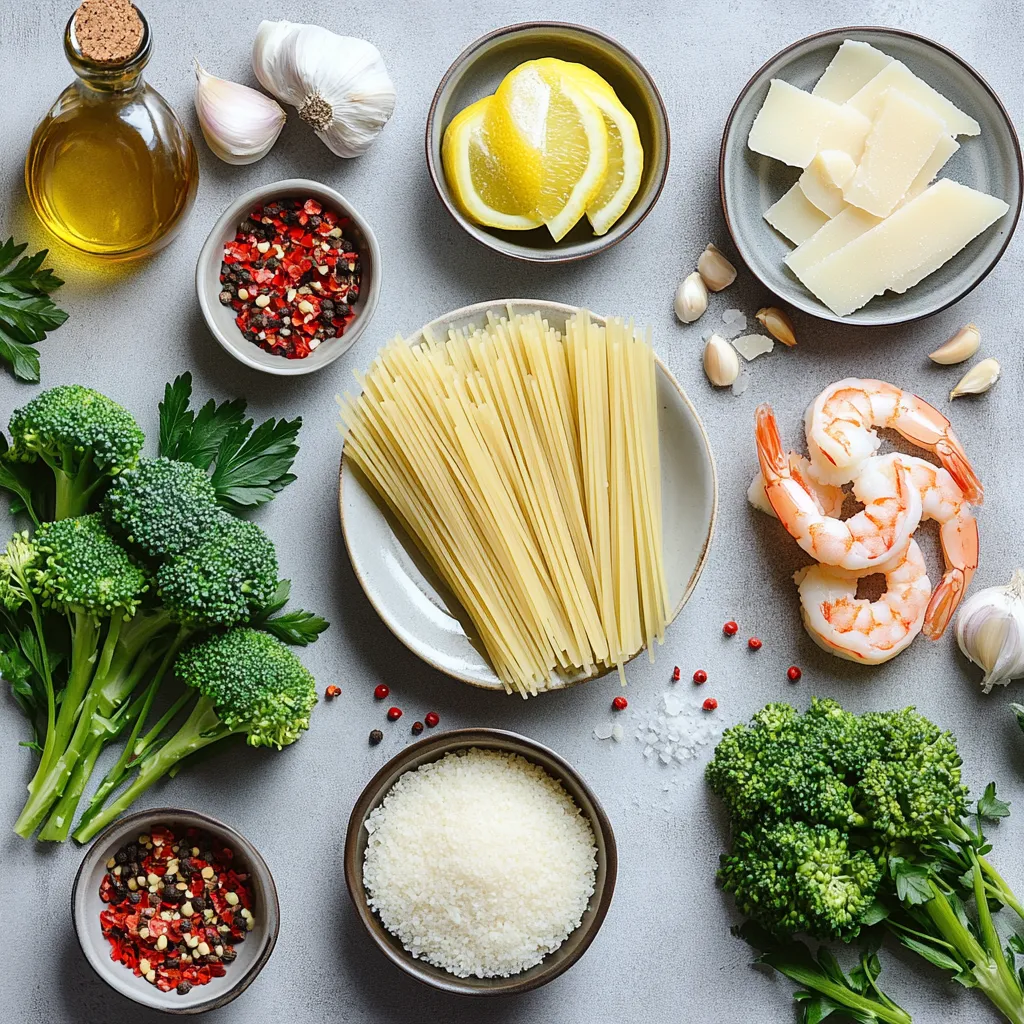
Each ingredient in this dish plays a pivotal role. The spaghetti or linguine forms the pasta base, while broccoli adds nutrition and crunch. The large shrimp contributes protein and a delightful texture, and the minced garlic brings in a robust flavor. Extra virgin olive oil not only helps sauté but also enriches the dish with its healthy fats. The lemon zest and juice are vital for that bright and fresh taste, while red pepper flakes can provide an optional kick of heat. Finally, Parmesan cheese adds depth and creaminess, and fresh parsley gives a burst of color and freshness upon serving.
Instructions
1. Cook the Pasta: Begin by bringing a large pot of salted water to a rolling boil. Add the spaghetti or linguine and cook according to package instructions until al dente. In the final 3 minutes of cooking, add the broccoli florets to the pot. Once cooked, drain the pasta and broccoli, reserving 1/2 cup of the starchy pasta water for later use. Set the drained pasta and broccoli aside.
2. Sauté the Shrimp: In a spacious skillet, heat the extra virgin olive oil over medium heat. Once hot, add the minced garlic and red pepper flakes (if using), sautéing for approximately 1 minute until the garlic is fragrant but not browned. Add the shrimp to the skillet, seasoning with sea salt and freshly cracked black pepper. Cook the shrimp for 2-3 minutes on each side, or until they turn a lovely pink and opaque. Once cooked, remove the shrimp from the skillet and set aside.
3. Combine Ingredients: In the same skillet where you cooked the shrimp, add the drained pasta and broccoli. Pour in the fresh lemon juice and sprinkle the lemon zest over the top. Toss the ingredients together gently to combine. If the mixture appears dry, gradually add a bit of the reserved pasta water until you reach your desired consistency.
4. Incorporate Shrimp and Cheese: Return the sautéed shrimp to the skillet and sprinkle the freshly grated Parmesan cheese over the entire dish. Toss everything together thoroughly until evenly combined and heated through. Taste and adjust the seasoning with additional salt, pepper, or lemon juice as needed.
5. Serve: Transfer the pasta to serving plates, garnishing each with a sprinkle of fresh parsley and an extra dash of grated Parmesan if desired. Delight in the fresh and vibrant flavors of your Lemon and Broccoli Pasta with Shrimp!
Cooking the Pasta
Cooking pasta to perfection is an art that enhances any pasta dish, and it’s crucial to start with salted water. By adding salt to the boiling water, the pasta absorbs some of the salt as it cooks, ensuring that it carries flavor throughout. To achieve the perfect al dente texture, monitor the cooking time closely, as you want the pasta to have a slight bite. It’s recommended to follow the package directions, but testing a strand a minute or two before the timer goes off will guarantee the best results.
Adding broccoli florets in the last three minutes of cooking not only provides a wonderful contrast in texture but also infuses some of the pasta’s starchy water into the broccoli, enriching its flavor. After draining, be sure to set aside that reserved pasta water; it can be vital for adjusting the sauce later in the recipe, ensuring the dish maintains a silky consistency that’s neither too dry nor overly watery.
Preparing the Shrimp
When it comes to preparing shrimp for your Lemon and Broccoli Pasta, using large shrimp enhances the bite and texture of the dish. It’s essential to peel and devein the shrimp for both cleanliness and taste—this involves removing the shell and the dark vein along the back of the shrimp. If you’re not familiar with this technique, simply make a shallow cut along the back and use your fingers or a small tool to extract the vein.
Sautéing the shrimp correctly is key to achieving juicy and tender results. The olive oil should be hot before you add the shrimp so they sear properly, creating a deliciously tender exterior while keeping the inside moist. Additionally, be cautious not to overcrowd the skillet, as this can lead to steaming rather than sautéing, which would change the texture of the shrimp. Cooking for the specified 2-3 minutes on each side allows them to turn a vibrant pink and become opaque—signs that they are perfectly cooked.
Sautéing Garlic and Chili
Garlic is a cornerstone of flavor in this dish, and its timing during the cooking process is critical. Adding it to the pan while the oil is still hot allows the garlic to release its aroma without burning—overcooked garlic becomes bitter and off-putting. Sautéing garlic for only about a minute is often sufficient to achieve the desired flavor without overdoing it.
If opting to include red pepper flakes for an added kick, this is the perfect moment to introduce them, as they will infuse the oil with their heat, creating a flavorful base for the shrimp. This step ensures that the aromatics of the dish are robust and inviting, setting the tone for the fresh and lively flavors to come. Adjust the amount of red pepper flakes to your own spice preference, as this optional ingredient provides flexibility to suit various palates.
Techniques to Ensure Even Coating of Pasta and Vegetables
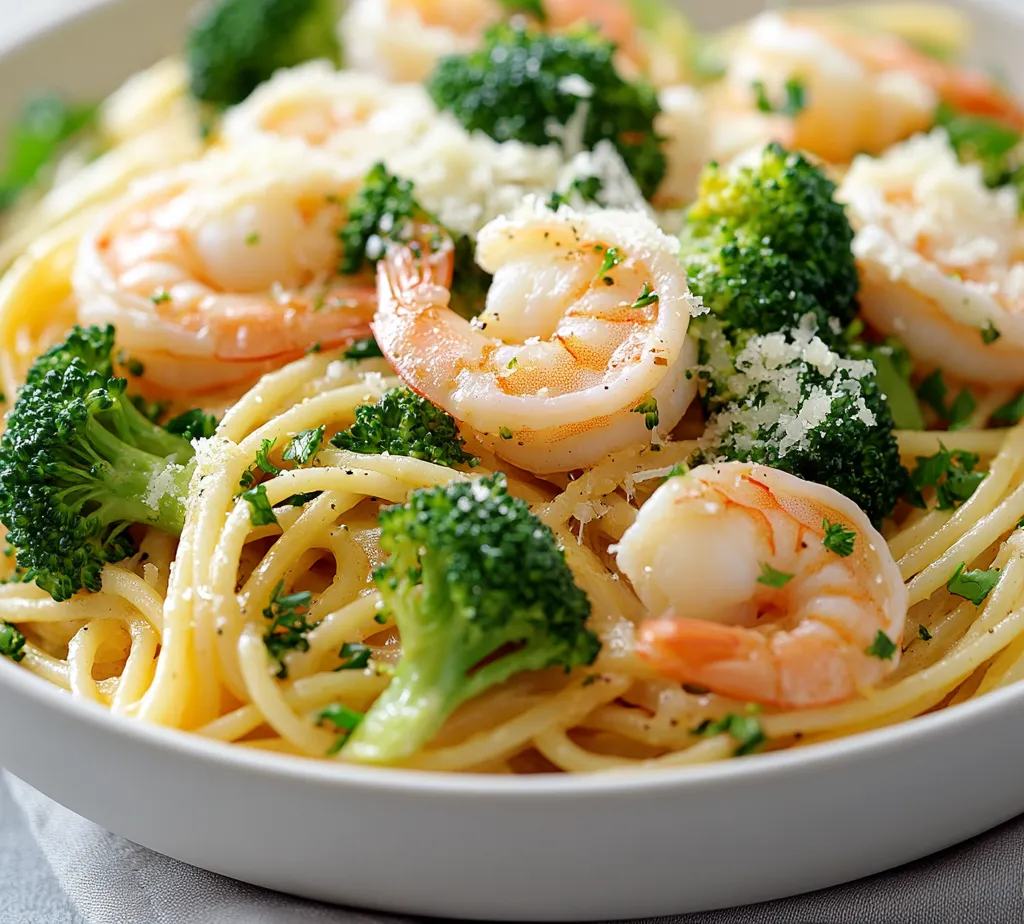
To achieve an even coating of pasta and vegetables in your Lemon and Broccoli Pasta with Shrimp, it’s vital to toss everything thoroughly in the skillet. Begin by ensuring the pasta and broccoli are not overcrowded in the skillet; if necessary, work in batches. This prevents any clumping and ensures that every strand of pasta and piece of broccoli is coated with the flavorful olive oil and lemon juice. Using tongs can help you lift and mix the ingredients gently, allowing for an even distribution of the dressing without breaking the pasta.
Another effective technique is to spread the pasta and broccoli in a single layer in the skillet before you begin tossing. Adding the reserved pasta water gradually also aids in this process, as it helps to loosen any sticking ingredients and allows for a smoother blend. The starchiness of the reserved water not only enriches the sauce but also helps it cling better to the pasta and vegetables.
Importance of Using Reserved Pasta Water for the Correct Consistency
The reserved pasta water plays a critical role in achieving the perfect consistency for your dish. Since it’s rich in starch, it creates a silky texture that helps bind the sauce to the pasta. When you add the reserved water a little at a time, it allows you to control the thickness of the sauce, ensuring that it is not too dry or too watery.
A common mistake is to skip this step and add oil or lemon juice directly, which can lead to a slippery sauce that doesn’t adhere well. Instead, start incorporating the reserved water gradually; this will not only enhance the overall flavor but also help create a cohesive dish. If you find the mixture still isn’t achieving the desired sauciness, an extra splash of the reserved water can be added, giving you full control over the dish’s outcome.
Role of Lemon Juice and Zest in Enhancing Flavor
Lemon juice and zest are essential components of this dish, bringing a bright acidity that balances the richness of the shrimp and olive oil. The juice adds moisture while the zest contributes intense flavor without extra liquid. When combined, these citrus elements enhance other flavors without overpowering them, creating a vibrant taste profile.
To maximize the flavors, be sure to use fresh lemons rather than bottled lemon juice, as the latter often contains preservatives that dull the brightness. It is also beneficial to zest the lemon before juicing it, as this allows you to extract the maximum amount of aromatic oils from the peel. Incorporating both the juice and zest right before serving will ensure that the flavors are at their most vibrant.
Adding the Shrimp and Cheese
Techniques for Reintroducing Cooked Shrimp to Maintain Texture
When it’s time to add the cooked shrimp back to the dish, it’s essential to do so carefully to preserve their texture. After sautéing, shrimp can become rubbery if overcooked, so it’s vital to reincorporate them gently. Stir them back into the pasta mixture just before you add the Parmesan cheese. This approach ensures they are heated through without further cooking, maintaining their juiciness and tender texture.
Additionally, consider layering the shrimp on top of the pasta before tossing if you feel it may get overmixed. This lets the shrimp remain intact while still allowing the flavors to meld without compromising their integrity.
The Melting Process of Parmesan and How It Enriches the Dish
Parmesan cheese adds a creamy, savory element to your pasta that enhances the overall flavor profile. When you sprinkle freshly grated Parmesan over the warm pasta and shrimp, the heat from the dish helps melt the cheese, creating a coat of creaminess that binds the ingredients together.
For optimal melting, ensure the cheese is grated finely, as larger shards may not melt adequately, resulting in a grainy texture. Tossing the cheese in with the pasta off the heat allows it to incorporate smoothly, enriching the dish while allowing the ingredients to remain light and fresh rather than overly heavy.
How to Adjust Seasoning to Achieve Balance in Flavor
Tasting and adjusting seasoning is crucial to achieving a well-balanced dish. After adding the shrimp and Parmesan, taste the pasta to assess flavors. If the dish lacks saltiness, a touch more sea salt can enhance the overall profile without overshadowing the delicate flavors of the shrimp and lemon. A pinch of freshly cracked black pepper can also elevate the taste.
If you’re looking for added brightness, a squeeze of fresh lemon juice can help balance richness, especially if you’ve added more Parmesan. Regularly tasting and adjusting will ensure that each component shines through while maintaining harmony.
Serving Suggestions
Ideas for Plate Presentation to Enhance Visual Appeal
Presentation can play a significant role in the enjoyment of a dish. For an appealing presentation, consider serving the pasta in warm, shallow bowls. Twirling the pasta with a fork can create a nest-like shape in each bowl, showcasing the vibrant colors of the shrimp and broccoli. Garnishing with freshly chopped parsley not only adds a pop of color but also a touch of freshness.
Additional garnishes like a sprinkle of extra Parmesan, a few lemon wedges, or even a light drizzle of additional olive oil can elevate the dish’s visual and flavor appeal. Consider using herbs like basil or chives for a variation that adds more color and flavor complexity.
Suggestions for Additional Garnishes Beyond Parsley
While parsley is a classic garnish, there are several options to further enhance your dish’s appearance and flavor. Lemon zest can be used as a final sprinkle for added brightness. Toasted pine nuts or chopped walnuts add a delightful crunch that contrasts with the smooth texture of the pasta. For those preferring a bit of heat, thinly sliced fresh chili peppers can also be sprinkled over the top.
Companion Dishes or Salads That Pair Well with the Pasta
To complete your meal, consider pairing your Lemon and Broccoli Pasta with a refreshing salad. A simple arugula salad dressed lightly with olive oil and balsamic vinegar provides a peppery contrast to the dish’s flavors. Alternatively, grilled or roasted vegetables as a side can add a wholesome touch. A light seafood dish such as grilled fish could complement the shrimp as well, ensuring a cohesive seafood-themed meal.
Flavor Enhancements
Explore Additional Spices or Herbs That Can Be Incorporated
While the recipe already includes garlic and red pepper flakes, consider adding other spices and herbs to elevate the flavor. Fresh dill or tarragon can provide an aromatic quality that pairs beautifully with shrimp and lemon. A pinch of smoked paprika might introduce a subtle warmth, enriching the dish without overwhelming it.
Discussing the Option of Adding Vegetables for More Nutrition
Feel free to enhance the nutritional value by including additional vegetables. Peas, spinach, or asparagus can be added to the mix, brightening the heartiness of the dish while increasing fiber. These added elements should be introduced during the last few minutes of the pasta-cooking phase or lightly sautéed in the skillet alongside the garlic to ensure they maintain their vibrant color and texture.
Suggestions for Different Cheese Options for Varied Flavors
Though Parmesan is traditional, varying the cheese can create interesting flavor profiles. For a sharper taste, consider Pecorino Romano, or for a creamy texture, try using mascarpone or ricotta. Goat cheese could also add a tangy richness, providing a different dimension to this seafood pasta.
Storage and Reheating Tips
Best Practices for Storing Leftovers to Maintain Freshness
To retain the freshness of your Lemon and Broccoli Pasta with Shrimp, store leftovers in an airtight container in the refrigerator. Ensure the pasta is cooled completely before sealing to prevent steam from collecting and moisture buildup, which can lead to sogginess. This dish can last in the fridge for up to three days without compromising flavor.
Recommended Reheating Methods for Optimal Texture
When reheating, a gentle method is preferred. Consider using a skillet over low heat, adding a splash of olive oil or a bit of the reserved pasta water to help revive the dish’s moisture. Stirring occasionally allows for even warming while preventing the shrimp from overcooking. For convenience, the microwave can be used, but be sure to cover the dish to retain moisture and heat it in short intervals, stirring in between.
How Long the Dish Can Be Stored Without Compromising Quality
As mentioned, this dish is best consumed within three days. Its quality may decline after this period, as the pasta can become too soft due to moisture absorption. To ensure you enjoy the best pasta experience, adhere to the recommended storage time.
Nutritional Information
Overview of the Nutritional Benefits of the Dish
This pasta dish is a well-rounded option, providing a mix of protein from the shrimp, fiber from the broccoli, and carbohydrates from the pasta. The incorporation of olive oil adds healthy fats, while the lemon juice contributes vitamin C. Overall, the dish offers a satisfying balance of macronutrients while remaining light and fresh.
Breakdown of Key Nutrients Provided by the Ingredients
The shrimp provides high-quality protein and is low in calories, while broccoli adds essential vitamins like K, C, and A, along with various antioxidants. Whole wheat versions of the pasta could also contribute more fiber. The olive oil serves as a source of monounsaturated fats, which are beneficial for heart health. The cheese, while adding richness, also contributes calcium and protein, rounding out nutrient intake.
Possible Dietary Considerations for Different Preferences
For individuals following a gluten-free diet, gluten-free pasta can be substituted without affecting the overall flavor significantly. Additionally, for those who prefer a vegetarian option, consider omitting shrimp and using chickpeas or tofu for protein. Ensure that the cheese used is vegetarian-friendly if necessary.
Conclusion
Lemon and Broccoli Pasta with Shrimp offers a delightful combination of flavors and textures, bringing a light and fresh meal to the table. The dish balances savory shrimp, vibrant broccoli, and zesty lemon, all harmonized by a base of al dente pasta. With a total cooking time of just 30 minutes, it stands as a deliciously quick option for various culinary occasions.
Lemon and Broccoli Pasta with Shrimp Recipe
Ingredients
- 8 oz spaghetti or linguine
- 2 cups broccoli florets
- 1 lb large shrimp peeled and deveined
- 3 cloves garlic finely minced
- ¼ cup extra virgin olive oil
- 1 large lemon zest and juice
- ½ tsp red pepper flakes
- sea salt to taste
- freshly cracked black pepper to taste
- ½ cup freshly grated Parmesan cheese
- fresh parsley finely chopped for garnish
Instructions
- Cook the pasta in salted boiling water according to package instructions, adding broccoli in the last 3 minutes.
- Drain the pasta and broccoli, reserving ½ cup of pasta water.
- In a skillet, heat olive oil over medium heat and sauté garlic and red pepper flakes for 1 minute.
- Add shrimp, season with salt and pepper, and cook until pink and opaque, about 2-3 minutes per side.
- Remove shrimp from the skillet and set aside.
- In the same skillet, combine drained pasta and broccoli with lemon juice and zest.
- Toss gently, adding reserved pasta water as needed for consistency.
- Return shrimp to the skillet and sprinkle with Parmesan cheese, tossing to combine.
- Taste and adjust seasoning with salt, pepper, or lemon juice as needed.
- Serve garnished with parsley and extra Parmesan if desired.