
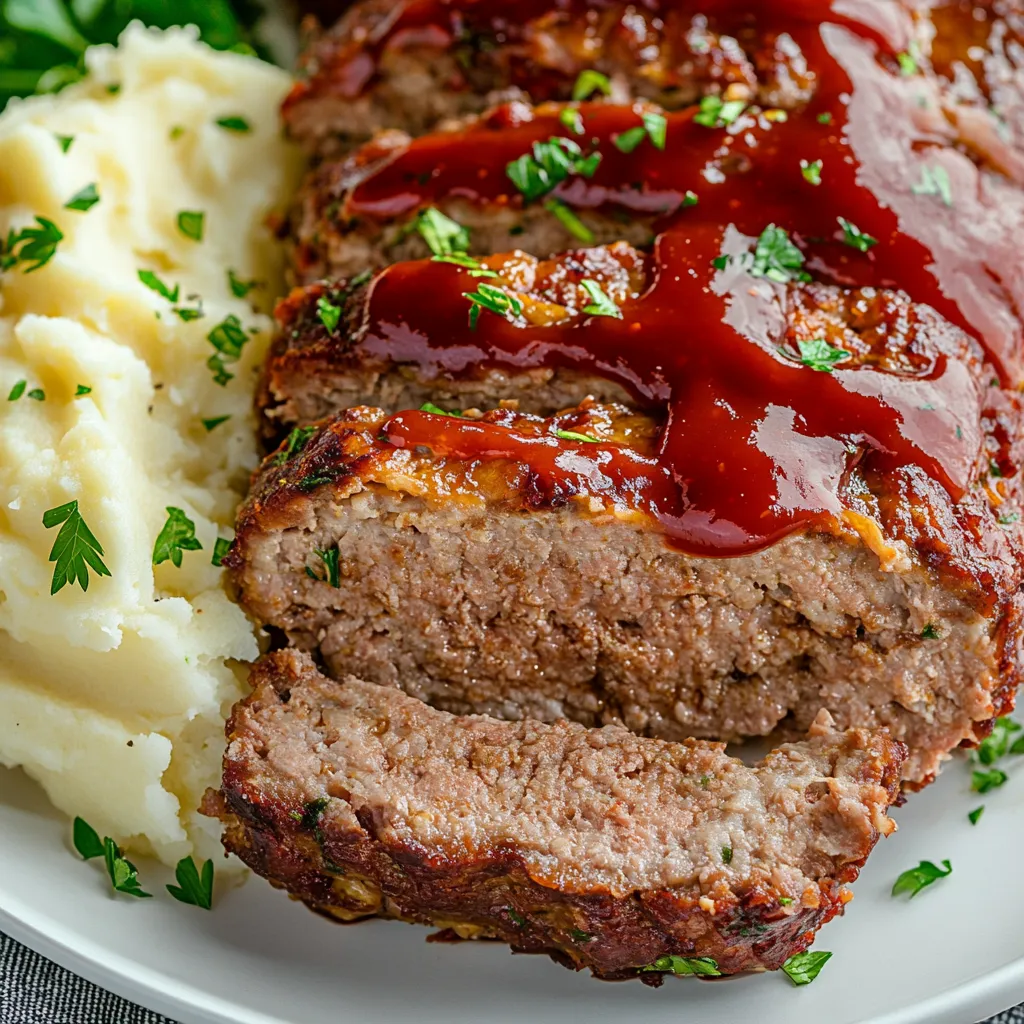
Savory Comfort Meatloaf Recipe with Ground Beef and Herbs
Introduction
A warm, hearty serving of meatloaf is often a staple in family dinners, offering both comfort and satisfaction. This traditional Savory Comfort Meatloaf recipe combines rich flavors and a delightful texture, making it a crowd-pleaser at the dinner table. The combination of ground beef and optional pork creates a robust foundation, while the assortment of herbs and spices elevates its taste profile, making it much more than just a simple staple. In this article, we will delve into the art of crafting the perfect meatloaf, exploring tips, variations, and serving suggestions that will inspire you to incorporate this comforting dish into your culinary repertoire.
Meatloaf serves as an ideal meal for many occasions. From Sunday family dinners to casual weeknight meals, it provides a homely touch that is often accompanied by fond memories. Pair it with creamy mashed potatoes or roasted vegetables, and you’ve got a satisfying dish that warms both the body and soul. Whether you are cooking for a small family or hosting friends for dinner, this Savory Comfort Meatloaf is an excellent choice that balances richness with wholesome ingredients, ensuring that everyone at the table will leave happy and satisfied.
Recipe Overview
– Total Time: 1 hour 15 minutes
– Servings: 6
– Difficulty: Not specified in the recipe
Ingredients
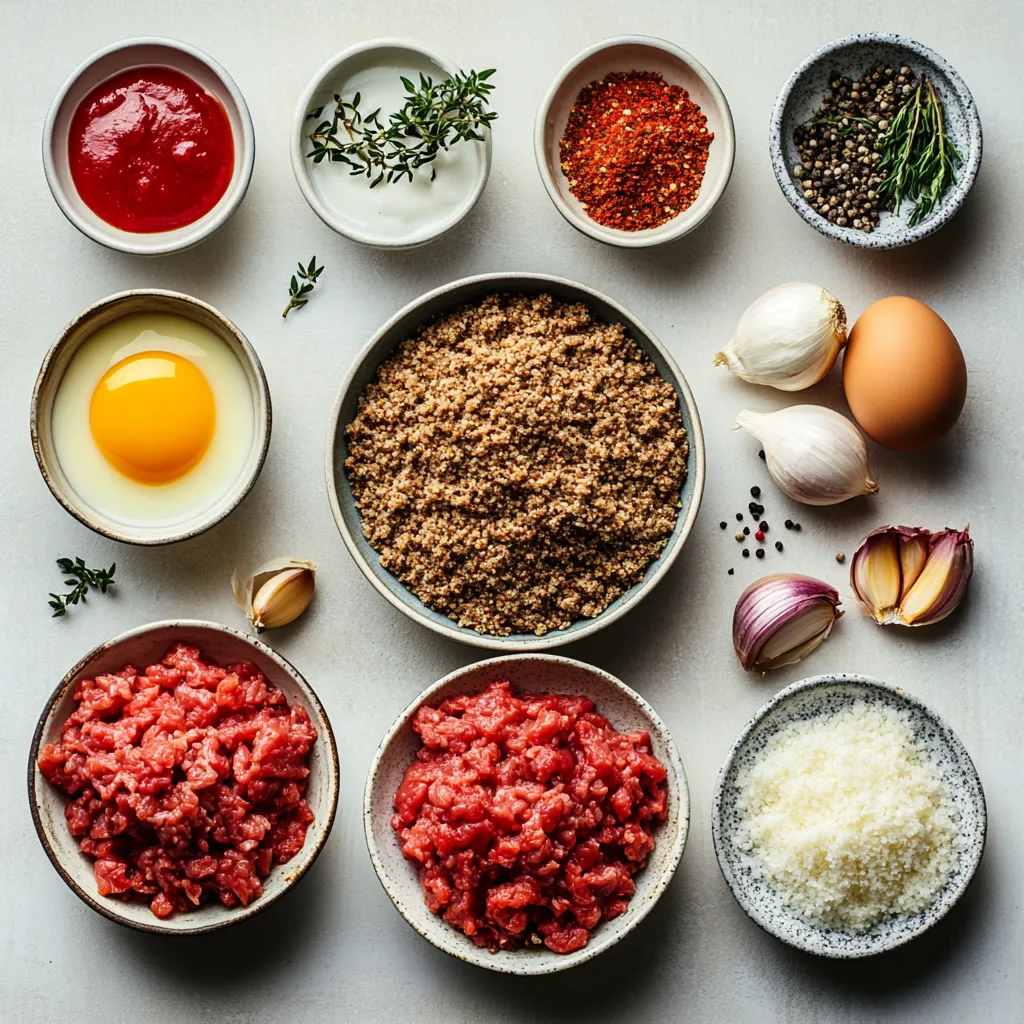
– 1 ½ pounds ground beef (or a combination of beef and pork for a richer flavor)
– 1 cup breadcrumbs (preferably homemade or panko for extra crunch)
– 1 small onion, finely chopped
– 2 cloves garlic, minced
– 1 large egg, lightly beaten
– ¾ cup milk (whole or low-fat)
– 2 tablespoons Worcestershire sauce
– 1 tablespoon ketchup (plus additional for a flavorful topping)
– 1 teaspoon salt
– ½ teaspoon black pepper
– 1 teaspoon dried thyme
– 1 teaspoon dried oregano
– ½ teaspoon smoked paprika (optional, for a hint of smokiness)
– Fresh parsley, chopped (for garnish)
Instructions
1. Preheat the Oven: Begin by preheating your oven to 350°F (175°C) to ensure it’s hot enough for even baking. This step is crucial as it prevents the meatloaf from cooking unevenly and helps develop a lovely crust on the exterior.
2. Prepare the Mixture: In a large mixing bowl, combine the ground beef, breadcrumbs, finely chopped onion, minced garlic, beaten egg, milk, Worcestershire sauce, ketchup, salt, black pepper, dried thyme, dried oregano, and smoked paprika (if using). Mix thoroughly with your hands or a spatula until all ingredients are well-blended. It is important to ensure that the mixture is unified, as this will affect the final texture of your meatloaf.
3. Shape the Meatloaf: Transfer the mixture into a loaf pan, or form it into a loaf shape on a lined baking sheet. Make sure to smooth the top and pack it tightly for better structure during baking. Shaping the loaf correctly not only affects its cooking time but also its aesthetics when it’s served.
4. Add Topping: Generously spread a thin layer of ketchup over the top of the meatloaf. This not only enhances the flavor but also creates a beautiful glaze as it bakes, contributing to both the taste and the visual appeal of the dish.
5. Bake: Place the meatloaf in the preheated oven and bake for approximately 1 hour, or until the internal temperature reaches 160°F (70°C). Use a meat thermometer for accuracy; this will help you avoid overcooking, which can lead to a dry meatloaf.
6. Rest and Slice: After baking, remove the meatloaf from the oven and let it rest for about 10 minutes. This resting period allows the juices to redistribute, keeping the meatloaf moist when sliced. Cutting into it too soon can lead to unintended juiciness escaping, which is never desirable.
7. Garnish and Serve: Slice the meatloaf into thick portions, garnish with freshly chopped parsley for a pop of color, and serve warm alongside creamy mashed potatoes or your favorite vegetable side dish. The garnish not only enhances the flavor but also makes the dish more visually appealing.
Preparing for the Meatloaf
Before embarking on this meatloaf adventure, it’s vital to set the stage by doing some preparation. Getting everything organized will help make the cooking process smooth and enjoyable.
Preheating the Oven
Starting off by preheating the oven is an essential step in baking. Preheating to 350°F (175°C) ensures that your meatloaf will cook evenly. This temperature allows for the Maillard reaction to occur, giving your meatloaf that fantastic browned exterior while the inside remains juicy and tender. A hot oven is critical for baking, and skipping this step often leads to uneven cooking, which can be detrimental to the taste and texture of the meatloaf.
Gathering Tools and Equipment
Having the right tools can make all the difference when preparing your meatloaf. Essential kitchen tools include a large mixing bowl for combining your ingredients, a spatula for mixing, and a loaf pan or lined baking sheet for shaping your meatloaf. Additionally, a meat thermometer will be invaluable to ensure that your meatloaf is cooked to perfection. Each tool plays a key role in ensuring that the mixing and baking processes are efficient.
Mixing the Meatloaf Ingredients
Achieving the perfect meatloaf involves careful mixing of the ingredients. Each component contributes to the final texture and flavor, so taking your time during this step is essential.
Combining Main Ingredients
Start by placing the ground beef into your mixing bowl. If you’re using a combination of beef and pork, add it in at this stage to create a more robust flavor profile. Then, add the breadcrumbs. These serve as a binding agent and help to maintain the shape of your loaf while providing texture. The even distribution of these ingredients is vital; aim for a mixture where you can see no stark differences between the different components.
Adding Vegetables and Seasonings
Next, introduce the finely chopped onion and minced garlic. The onion will provide moisture and sweetness, while the garlic adds a distinctive aromatic flavor that enhances the meat’s natural taste. Mix these ingredients until they are thoroughly combined. This ensures that the flavors meld into every bite.
Binding with Egg and Milk
Now, it’s time to incorporate the beaten egg and milk. Whisk them into your mixture as they enhance the moisture and binding quality of your meatloaf. The egg acts as a crucial binder, giving the meatloaf structure, while the milk keeps it moist. Whisking beforehand helps ensure an even blend throughout the mixture.
Final Mixing Technique
Finally, using your hands or a spatula, mix everything together until you reach a homogeneous consistency. This step is essential for achieving the desired texture in your meatloaf—too little mixing can lead to a crumbly loaf, while overmixing might create a dense one. Aim for a well-integrated blend that maintains a slight moisture without being too wet.
Shaping the Meatloaf
With your mixture perfectly blended, the next step is to shape it into the ideal loaf for baking. This will affect not just how it bakes but also how it will look on the serving plate.
Transferring and Forming
Transfer your meat mixture to a loaf pan or shape it on a lined baking sheet. If you prefer a rustic look, shaping it on a baking sheet can give you a more traditional presentation. Use your hands to gently form the mixture into a loaf shape, ensuring that it’s packed tightly to avoid breaking during baking. A loaf pan is handy for an easy shape but may not provide as appealing a crust.
Achieving the Right Structure
It’s important to smooth the top of the meatloaf to facilitate even baking and enhance its appearance. Make sure to pack it tightly, as this ensures that your meatloaf retains its shape while baking. Also, being mindful of the structure helps keep the moisture locked in, resulting in a tender meatloaf every time.
As you shape your meatloaf, you lay the groundwork for a delicious dish that reflects both your cooking skill and thoughtful preparation. Each step leads you closer to a meatloaf that is not only comforting but also aesthetically pleasing and flavorful.
Packing the Loaf Tightly
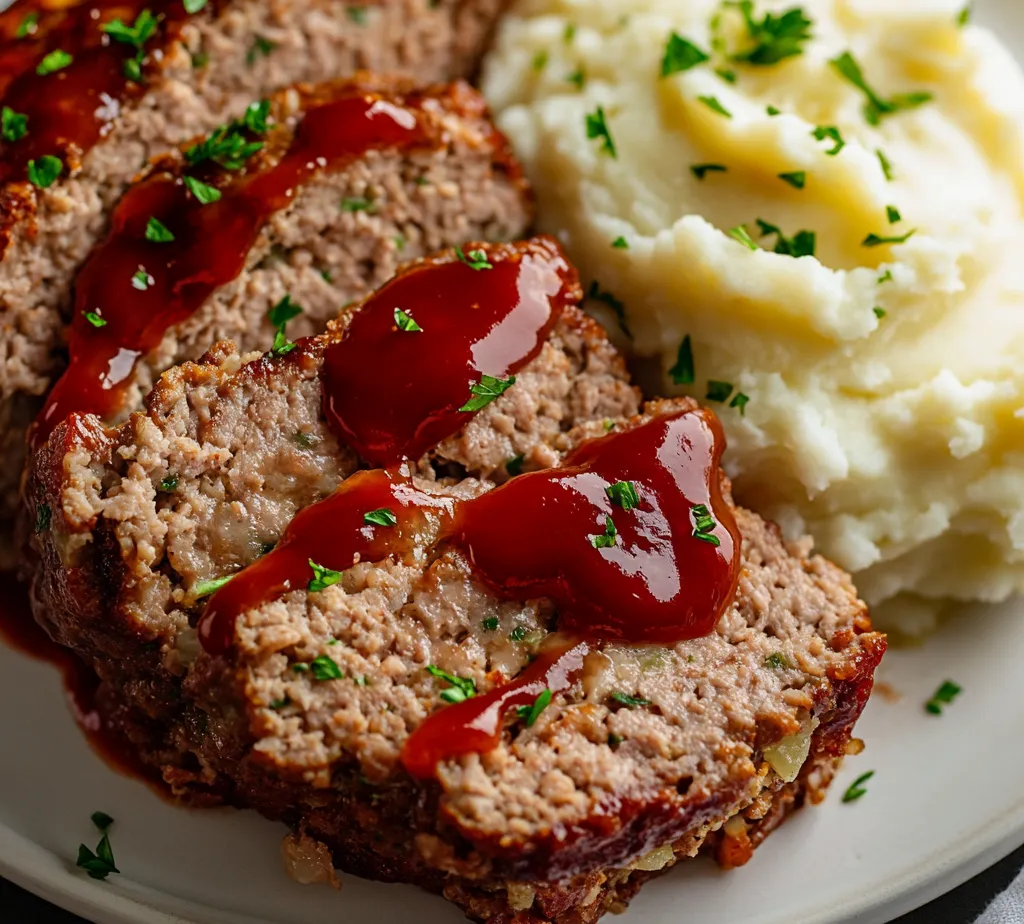
Packing the meatloaf mixture tightly is essential for preventing it from crumbling during baking. When the ingredients are compacted, they adhere to one another better, which helps maintain the loaf’s shape and ensures that it holds together when sliced. If you leave gaps in the mixture, it may lead to a less cohesive final product, resulting in crumbling when you attempt to serve it. This technique not only contributes to the integrity of the meatloaf but also promotes even cooking.
Adding Toppings for Flavor
Enhancing the flavor of the meatloaf can be achieved in various delicious ways. The right topping not only adds taste but also provides an appealing visual layer that can elevate the overall meal experience.
Ketchup as a Glaze
Spreading ketchup on top of the meatloaf before baking contributes significantly to the dish’s flavor profile. The ketchup caramelizes slightly in the oven, forming a sweet and tangy glaze that complements the savory meat. It’s a classic choice that evokes nostalgia while providing a beautiful glossy finish to the meatloaf.
Variations on Toppings
While ketchup is a tried-and-true favorite, exploring additional toppings can result in exciting flavor variations. Consider using shredded cheese, such as cheddar or mozzarella, for a gooey, melty layer on top. BBQ sauce offers an irresistible smoky sweetness, while a mustard glaze can provide a tangy zing. Experimenting with different toppings allows you to personalize the meatloaf experience to your liking.
Baking the Meatloaf
Understanding the baking process is crucial to achieving a perfect meatloaf. The steps involved are straightforward but require attention to detail to ensure delicious results.
Setting the Oven Temperature
Baking at a consistent temperature of 350°F (175°C) is essential for evenly cooking the meatloaf. The steady heat allows the meat to cook through without burning the exterior, ensuring that every slice is cooked to perfection. Make sure your oven is preheated before placing the meatloaf inside, as this helps create a nice crust on the outside while allowing for moist cooking on the inside.
Monitoring Internal Temperature
Using a meat thermometer is one of the most reliable methods to check doneness. For safe consumption, the internal temperature should reach 160°F (70°C). Insert the thermometer into the center of the meatloaf to ensure an accurate reading. This step prevents undercooking, which can lead to foodborne illness, and overcooking, which can result in a dry and less enjoyable meal.
Baking Time
The approximate baking duration for the meatloaf is around one hour. However, baking times may vary slightly depending on your oven’s characteristics and the shape of your meatloaf. If you’re making a larger loaf, you may need to adjust the time accordingly. Always rely on the internal temperature for the best results, as it is the most accurate indicator of doneness.
Resting and Slicing the Meatloaf
Allowing the meatloaf to rest after baking is vital for preserving its juiciness and texture before serving.
Reasons to Allow Resting
Resting permits the juices to redistribute throughout the loaf. If you cut into the meatloaf immediately after baking, the juices tend to escape, leading to a drier texture. By allowing the meatloaf to rest for about 10 minutes, you ensure that it retains moisture, making each slice tender and flavorful.
Slicing Techniques
For the best presentation, use a sharp knife to slice the meatloaf. Aim for even, thick portions—about 1 inch each—to maintain a balance of flavor in every bite. If there are crusty edges, you can start your first slice from the center, which tends to be the most moist. A gentle sawing motion will yield cleaner cuts without crumbling the meatloaf.
Serving Suggestions
Pairing the meatloaf with complementary sides enhances the overall dining experience and creates a well-rounded meal.
Classic Accompaniments
One of the most cherished pairings for meatloaf is creamy mashed potatoes. The smooth, buttery texture perfectly contrasts the hearty meatloaf, providing comfort in every bite. For a twist, consider adding roasted garlic or cream cheese to your mashed potatoes for added depth of flavor.
Vegetable Side Dishes
Serving roasted vegetables offers both color and nutrition to the plate. Consider options like sweet carrots, Brussels sprouts, or golden potatoes, seasoned and roasted until tender. Their slight caramelization from roasting pairs beautifully with the savory flavors of the meatloaf.
Rustic Presentation Ideas
For an inviting table setting, serve the meatloaf on a wooden cutting board, which adds a rustic touch. This presentation invites guests to help themselves to portions and makes for an attractive serving style. Garnish the platter with sprigs of fresh parsley or colorful roasted vegetables for an appealing display.
Storing and Reheating Tips
Proper storage and reheating techniques are essential for enjoying leftovers to their fullest potential.
Refrigeration Guidelines
Leftover meatloaf is best stored in an airtight container in the refrigerator, where it will keep for up to three to four days. Ensure the meatloaf has cooled completely before sealing, as residual heat can create condensation, which may result in a soggy texture.
Reheating for Optimal Flavor
When it comes to reheating, the oven is the preferred method for maintaining quality. Preheat your oven to 350°F (175°C), place the slices on a baking sheet, and cover them with foil to prevent drying out. Heat for about 15-20 minutes, or until warmed through. Alternatively, you can use the microwave for a quicker option, but be cautious to heat in short intervals to avoid overcooking, which may result in a rubbery texture.
Variations and Customization Ideas
Creating a signature meatloaf can involve simple substitutions and enhancements.
Protein Substitutions
If you’re seeking a healthier alternative, ground turkey can replace the beef while still delivering a satisfying flavor. Keep in mind that turkey is leaner, which may require the addition of extra moisture, perhaps through additional eggs or milk. For a vegetarian option, plant-based ground meat can also be used, adapting the recipe while maintaining flavor integrity.
Flavor Enhancements
Incorporating ingredients such as chopped bell peppers, grated carrots, or diced celery adds flavor and nutrition to the meatloaf. Each of these ingredients introduces moisture and texture, alongside visual appeal.
Herb and Spice Variations
Feel free to experiment with different herbs for a distinctive flair. Fresh herbs like rosemary or sage can bring unique flavor characteristics to the dish. Additionally, varying the spice profile with ingredients like cumin or chili flakes can present exciting twists on the classic recipe.
Conclusion
This Savory Comfort Meatloaf is a warm, tender, and flavorful dish that beautifully blends a variety of textures. With careful attention to packing the loaf, baking it at the right temperature, and implementing proper storage techniques, you can savor this meal in multiple enjoyable ways throughout the week.
Savory Comfort Meatloaf Recipe with Ground Beef and Herbs
Ingredients
- 1 ½ pounds ground beef
- 1 cup breadcrumbs
- 1 small onion finely chopped
- 2 cloves garlic minced
- 1 large egg lightly beaten
- ¾ cup milk
- 2 tablespoons Worcestershire sauce
- 1 tablespoon ketchup
- 1 teaspoon salt
- ½ teaspoon black pepper
- 1 teaspoon dried thyme
- 1 teaspoon dried oregano
- ½ teaspoon smoked paprika
- fresh parsley chopped
Instructions
- Preheat your oven to 350°F (175°C).
- In a large mixing bowl, combine ground beef, breadcrumbs, onion, garlic, egg, milk, Worcestershire sauce, ketchup, salt, black pepper, thyme, oregano, and smoked paprika.
- Mix thoroughly until well blended.
- Transfer the mixture into a loaf pan or shape it on a lined baking sheet.
- Spread a thin layer of ketchup over the top of the meatloaf.
- Bake for approximately 1 hour, until the internal temperature reaches 160°F (70°C).
- Let the meatloaf rest for about 10 minutes after baking.
- Slice into thick portions, garnish with parsley, and serve warm.