
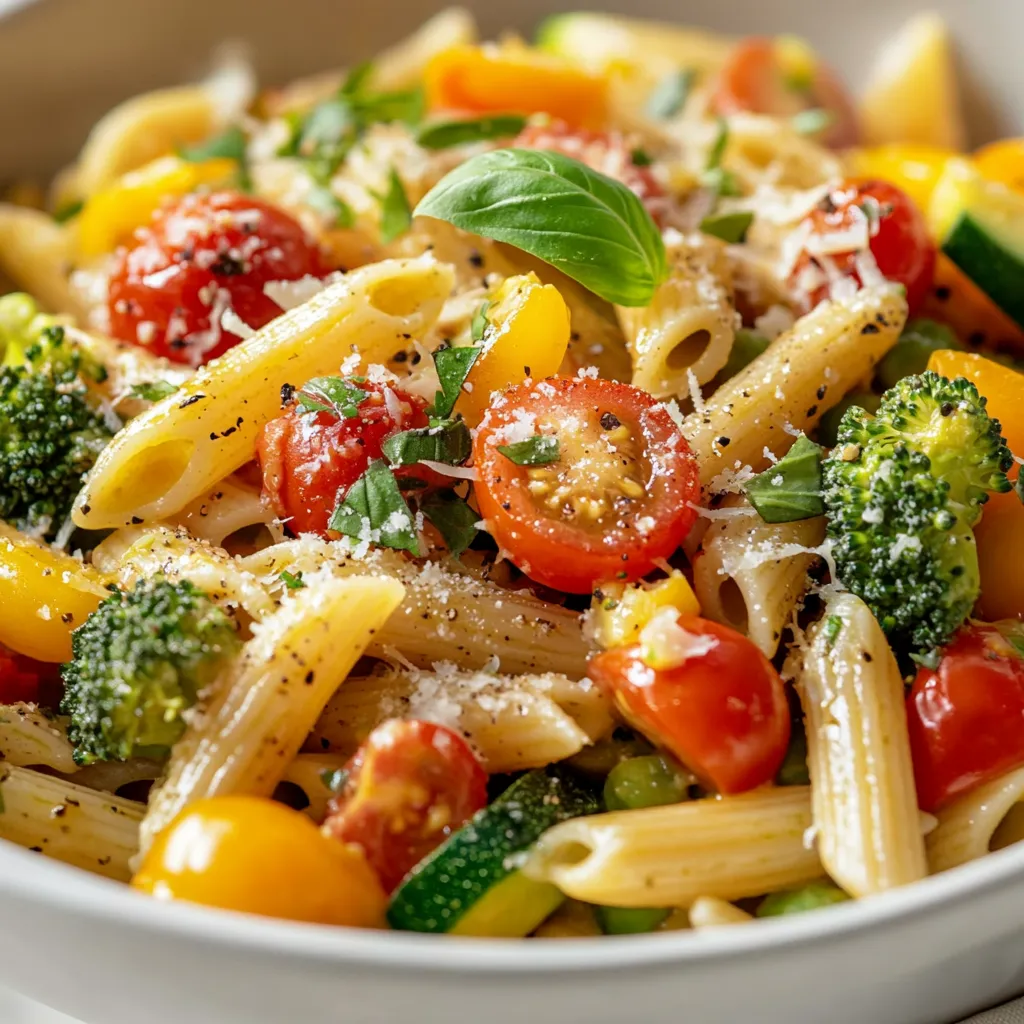
Vibrant Vegetarian Pasta Primavera Recipe
Introduction
Vibrant Vegetarian Pasta Primavera is a dish that brilliantly showcases a colorful medley of fresh vegetables combined with al dente pasta. This delicious recipe is a true celebration of seasonal produce, making it not only visually appealing but also a nutritious meal option. The crisp textures and bright flavors of the vegetables harmonize beautifully with the pasta, creating an inviting dish that is both satisfying and healthy.
Whether you’re looking for a quick weeknight dinner or want to impress guests during a dinner party, this recipe fits the bill. It is inherently vegetarian, yet its abundance of flavors is sure to please even the most ardent meat enthusiasts. The fragrant addition of basil and a zesty squeeze of lemon juice elevates this homemade pasta dish, making it a refreshing choice that can be enjoyed in any season, particularly during the summer when vegetables are at their peak.
Recipe Overview
– Total Time: Approximately 30 minutes
– Yield: Serves about 4 people
– Difficulty: Easy
Vibrant Vegetarian Pasta Primavera is a delightful combination of pasta and a variety of seasonal vegetables, all lightly dressed in a garlic-infused olive oil sauce. This dish is versatile enough for both adults and kids alike, and you can easily modify the vegetables based on what’s in your pantry or what is currently in season.
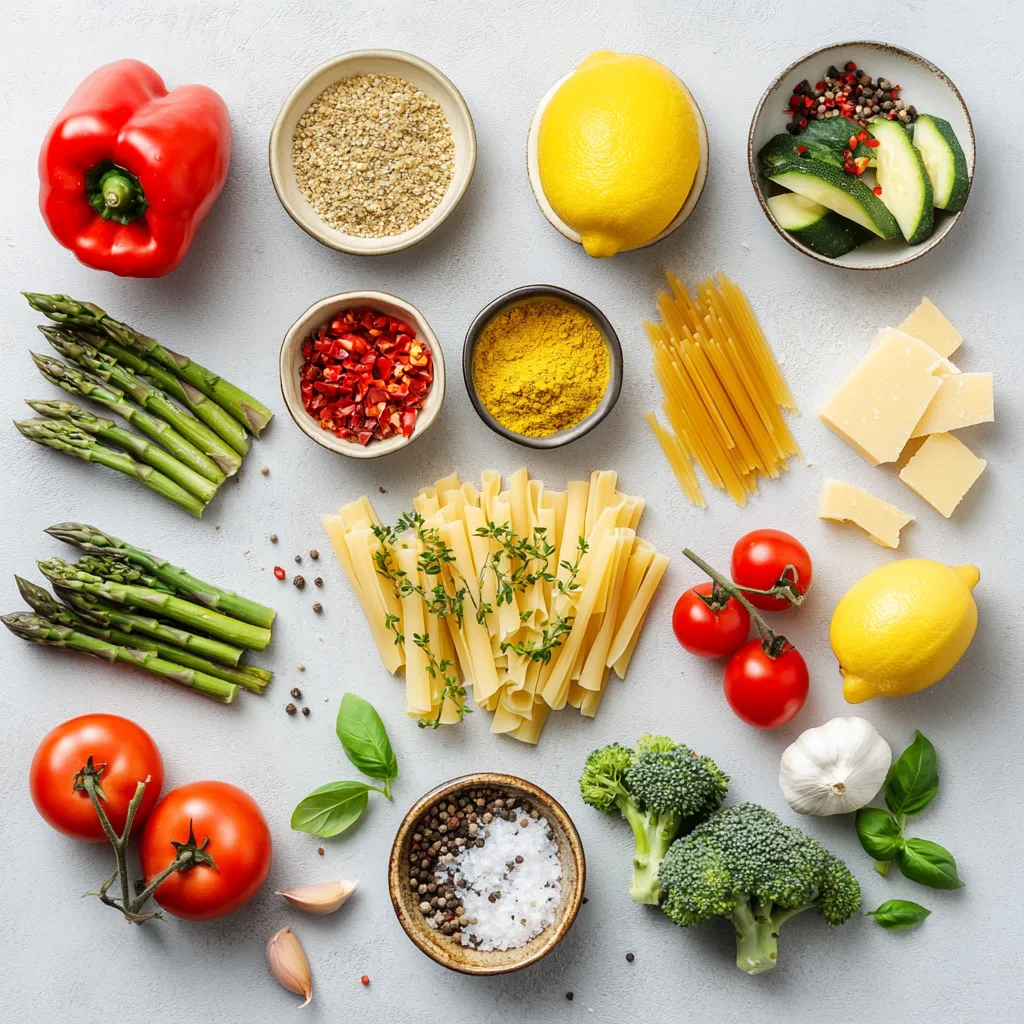
Ingredients
– 8 oz (225g) pasta (penne or fettuccine)
– 1 cup cherry tomatoes, halved
– 1 cup assorted bell peppers (red, yellow, or green), sliced into strips
– 1 cup zucchini, sliced into half-moons
– 1 cup broccoli florets, cut into bite-sized pieces
– 1 cup asparagus, trimmed and cut into 2-inch pieces
– 3 cloves garlic, minced
– 1/4 cup extra virgin olive oil
– 1 tsp dried oregano
– 1/2 tsp red pepper flakes (optional, for heat)
– Salt and freshly ground black pepper, to taste
– 1/4 cup grated Parmesan cheese (optional, for richness)
– Fresh basil leaves, for garnish
– Lemon wedges, for a zesty finish
Instructions
1. Cook the Pasta: Fill a large pot with water, add a generous amount of salt, and bring it to a rolling boil. Add the pasta and cook it according to the package instructions until it reaches al dente. Before draining, reserve 1 cup of the pasta water for later use. Drain the pasta and set it aside in a colander.
2. Sauté the Vegetables: In a large skillet or frying pan, heat the olive oil over medium heat. Once the oil is shimmering, add the minced garlic and sauté for about 1 minute until fragrant and slightly golden, being careful not to burn it.
3. Add the Veggies: Incorporate the cherry tomatoes, bell peppers, zucchini, broccoli, and asparagus into the skillet. Stir well to coat the vegetables in the garlic-infused oil. Cook for about 5-7 minutes, stirring occasionally until the vegetables are tender yet remain crisp and vibrant.
4. Season the Mixture: Sprinkle the dried oregano and red pepper flakes (if using) over the sautéed vegetables. Season with salt and freshly ground black pepper to taste. Stir to combine and allow it to cook for an additional 2 minutes, letting the flavors meld together.
5. Combine Pasta and Veggies: Add the drained pasta to the skillet with the sautéed vegetables. Pour in approximately 1/4 cup of the reserved pasta water to help create a light sauce. Toss everything together gently until the pasta is well coated with vegetables and the sauce.
6. Finish with Cheese: If desired, sprinkle the grated Parmesan cheese over the pasta. Toss again until the cheese melts and creates a creamy coating on the pasta. If the mixture seems too dry, gradually add more reserved pasta water until you achieve your preferred consistency.
7. Serve: Transfer the pasta primavera to serving plates. Garnish generously with fresh basil leaves for a burst of flavor and color. Serve with lemon wedges on the side, allowing diners to squeeze fresh lemon juice over their plates for an added zesty touch.
Cooking Preparation
Gathering Ingredients
Before you dive into cooking, ensure you have all your ingredients ready. Start by washing the vegetables thoroughly to remove any dirt or residues. Once cleaned, proceed to cut the assorted bell peppers into strips, slice the zucchini into half-moons, cut broccoli into bite-sized florets, and trim and chop the asparagus into 2-inch pieces. Additionally, measure out the pasta to confirm you have the right amount needed for the dish.
Kitchen Tools Needed
To prepare this delightful pasta primavera, you’ll need to gather a few kitchen tools. A large pot is essential for boiling the pasta, as it helps in cooking the pasta evenly. A colander is necessary for draining the pasta after cooking, allowing excess water to escape. Additionally, you’ll require a large skillet or frying pan where the vegetables will be sautéed and combined with the pasta.
Cooking the Pasta
Boiling the Water
For optimal pasta cooking, fill a large pot with water, ensuring there’s enough space for the pasta to cook without sticking together. One crucial step is adding a generous amount of salt to the water; this not only flavors the pasta but also enhances its overall taste. Once salted, bring the water to a rolling boil, as this guarantees even cooking and prevents the pasta from becoming mushy.
Cooking the Pasta
When the water reaches a rolling boil, add the pasta, following the cooking instructions provided on the package to achieve that perfect al dente texture. Remember to reserve 1 cup of the pasta water before draining it; this starchy liquid will help create a light and silky sauce later in the dish. After draining, set the pasta aside in a colander until it’s ready to be combined with the sautéed vegetables.
Sautéing the Vegetables
Heating the Oil
To bring out the full flavors of the vegetables, start by heating the olive oil in a large skillet over medium heat until it shimmers. Adding garlic to hot oil is a classic technique used to infuse the oil with flavor, resulting in a fragrant base that will enhance the overall dish. It’s important to carefully monitor the garlic as you sauté; you want it to become fragrant and slightly golden, achieving a rich flavor without letting it burn.
In summary, the Vibrant Vegetarian Pasta Primavera is not just a simple meal; it is a colorful celebration of fresh vegetables paired with pasta that embodies nutrition and delightful flavors, making it suitable for a variety of occasions.
Cooking the Garlic
Sautéing the minced garlic is a crucial step in developing the dish’s aromatic foundation. As you heat the olive oil over medium heat, wait until it shimmers to signal that it’s hot enough. Adding the garlic at this stage will bring out its pungent and savory qualities. Sauté for about one minute, stirring constantly to prevent it from burning. Burnt garlic can impart a bitter taste to your dish, ruining the overall flavor profile. Look for the garlic to turn a light golden brown, which indicates it’s released its oils and flavor without crossing into bitterness.
Introducing the Vegetables
Next comes the vibrant array of vegetables that bring this dish its lively character. Start by adding the cherry tomatoes, bell peppers, zucchini, broccoli, and asparagus into the skillet once the garlic is fragrant. Make sure you stir well to coat the vegetables in the garlic-infused olive oil, maximizing flavor infusion. The goal is to achieve a tender crunch—a balance between soft and crisp textures. Cook these vegetables for around 5 to 7 minutes. A crucial part of this cooking stage is to watch the colors; they should be bright and lively, signaling that they are cooked but still retaining their nutritional value and bite.
Enhancing Flavor
Adding Seasonings
Once the vegetables are tender, it’s time to amplify the flavors with seasonings. Sprinkling dried oregano adds an earthy note, while red pepper flakes, if used, contribute heat and complexity. Season generously with salt and freshly ground black pepper. These seasonings not only enhance the vegetables’ natural flavors but also elevate the entire dish. Stir the pot to mix these seasonings thoroughly, letting them cook for an additional 2 minutes. This short cooking time allows the spices to properly meld with the vegetables, ensuring a harmonious taste.
Adjusting Flavor Profile
After the additional cooking time, don’t forget to taste your vegetable mixture. Everyone’s palate is unique, and you may find that a pinch more salt or a little more red pepper is necessary to achieve a balanced flavor. This step is critical for personalizing the dish and ensuring every bite is seasoned to perfection.
Combining Pasta and Vegetables
Merging Ingredients
With your perfectly cooked pasta and seasoned vegetables ready, it’s time to unite them. Gently add the drained pasta to the skillet, taking care not to break the strands of fettuccine or the penne. Pour in about 1/4 cup of the reserved pasta water; this starchy liquid helps create a light, silky sauce that adheres to the pasta and vegetables. The warmth from the skillet will help integrate these elements smoothly.
Tossing for Coating
Delicately toss all the ingredients together, ensuring every piece of pasta is well-coated in the colorful vegetable medley and garlic-infused sauce. This step is essential for proper flavor distribution. If you find that your dish is looking a bit dry, continue to add reserved pasta water, a spoonful at a time, until you achieve your desired consistency. The pasta should appear moist and glossy without being swimming in water.
Finishing Touches
Adding Cheese
For those opting to include cheese, this is the point to add the optional grated Parmesan. Sprinkle it over the pasta and toss again. The heat from the pasta will help the cheese melt, creating a creamy coating. If the mixture still doesn’t have that ideal creamy texture, further adjust with more reserved pasta water until you have something deliciously velvety.
Garnishing the Dish
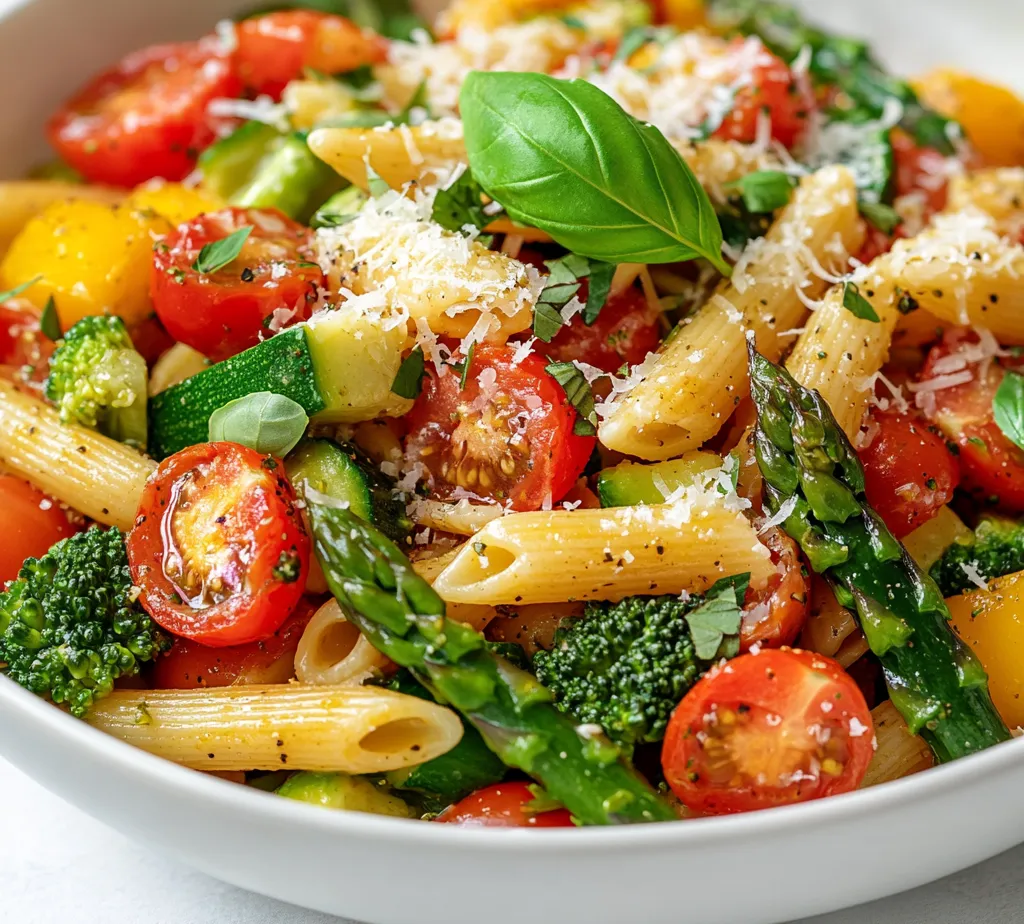
Once fully combined, it’s on to presentation. Transfer the pasta primavera to serving plates or bowls, and garnish each serving generously with fresh basil leaves to enhance color and aroma. The last flourish can be lemon wedges on the side. These additions provide guests with the option to squeeze fresh lemon juice over the dish, adding a vibrant zest that complements the vegetables beautifully.
Presentation Ideas
Elegant Serving Suggestions
To elevate your dining experience, consider serving your pasta primavera in shallow bowls rather than traditional deep plates. The shallow surface allows the vibrant colors of the dish to shine and offers a fancier feel. A light drizzle of additional olive oil over the top not only enhances flavor but can also impart a glossy finish that looks appealing.
Colorful Accents
You can also add depth to your presentation by including a sprinkle of freshly cracked black pepper on top. To make the dish visually striking, consider the strategic placement of several extra halved cherry tomatoes around the pasta. This adds pops of color and texture, making your dish irresistible.
Nutritional Benefits
Healthful Ingredients
This recipe showcases fresh vegetables packed with vitamins, minerals, and antioxidants that are essential for a balanced diet. Ingredients like bell peppers and asparagus are high in Vitamin C and fiber, while broccoli contributes calcium and various phytochemicals beneficial for health. Using whole grain pasta keeps the dish hearty without compromising nutritional value.
Vegetarian and Plant-Based Advantages
As a vegetarian option, this pasta primavera aligns well with plant-based eating patterns. The fiber-rich vegetables and whole grains can help maintain energy levels and digestive health. Additionally, the use of simple, wholesome ingredients makes this dish accessible and an excellent addition to both everyday meals and special occasions.
Conclusion
Vibrant Vegetarian Pasta Primavera is a culinary delight that masterfully combines the textures of al dente pasta with crisp, colorful vegetables. The dish achieves a perfect balance of freshness and richness from the optional cheese and olive oil, while the quick cooking time makes it an ideal choice for a weeknight meal or a festive gathering. Its delightful flavors and visual appeal ensure it will be a hit at the dinner table.
Vibrant Vegetarian Pasta Primavera Recipe
Ingredients
- 8 oz pasta penne or fettuccine
- 1 cup cherry tomatoes halved
- 1 cup assorted bell peppers sliced into strips
- 1 cup zucchini sliced into half-moons
- 1 cup broccoli florets cut into bite-sized pieces
- 1 cup asparagus trimmed and cut into 2-inch pieces
- 3 cloves garlic minced
- ¼ cup extra virgin olive oil
- 1 tsp dried oregano
- ½ tsp red pepper flakes
- Salt and freshly ground black pepper to taste
- ¼ cup grated Parmesan cheese
- Fresh basil leaves for garnish
- Lemon wedges for a zesty finish
Instructions
- Cook the pasta in salted boiling water until al dente, reserving 1 cup of pasta water before draining.
- In a skillet, heat olive oil over medium heat and sauté minced garlic until fragrant.
- Add cherry tomatoes, bell peppers, zucchini, broccoli, and asparagus to the skillet and stir to coat.
- Cook the vegetables for 5-7 minutes until tender yet crisp.
- Season with oregano, red pepper flakes, salt, and pepper, cooking for an additional 2 minutes.
- Combine the drained pasta with the sautéed vegetables and add reserved pasta water to create a light sauce.
- If desired, sprinkle grated Parmesan cheese over the pasta and toss until melted.
- Serve garnished with fresh basil leaves and lemon wedges on the side.