
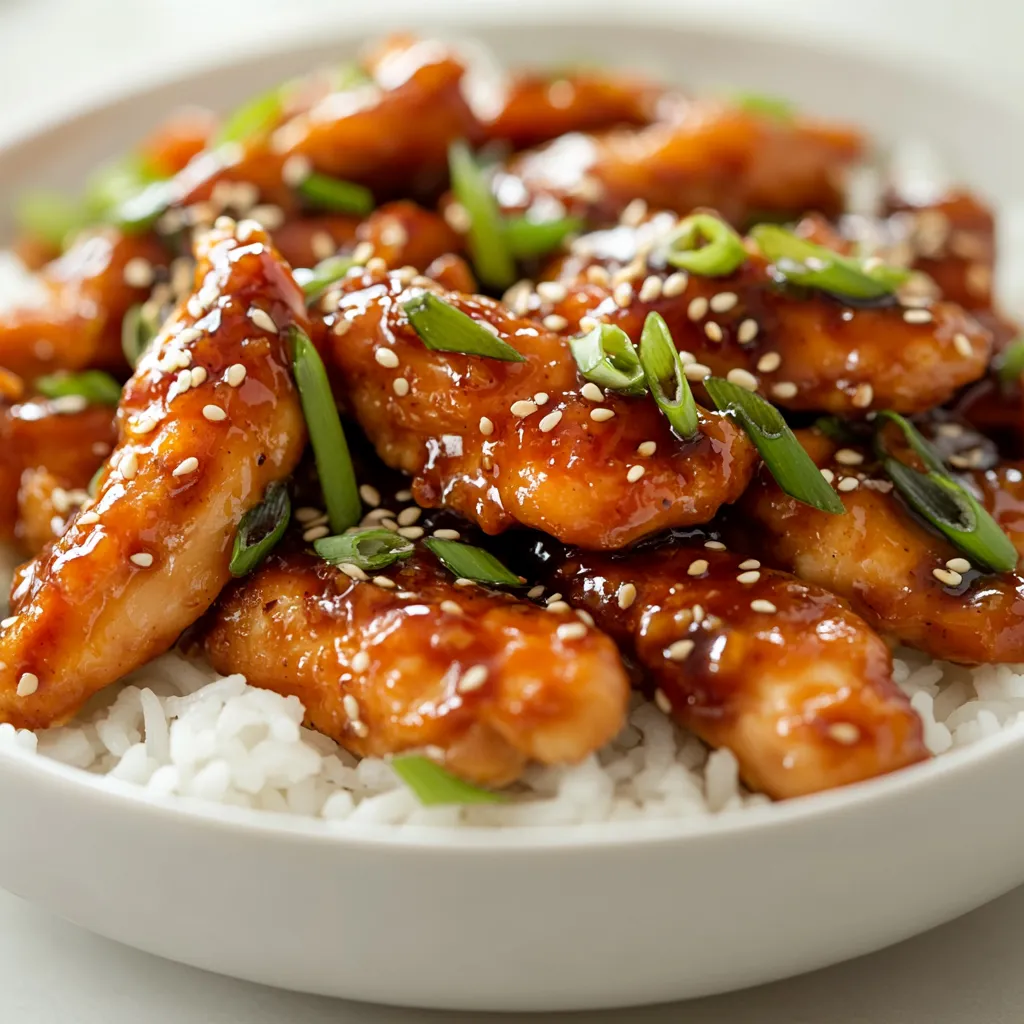
Mongolian Chicken Delight Recipe
Introduction
Exploring the rich and bold flavors of Mongolian cuisine, this article presents a detailed recipe for Mongolian Chicken Delight. This dish is a perfect representation of the delightful fusion of savory and sweet flavors, creating an unforgettable experience for your palate. The combination of tender chicken thighs, crisped to perfection, married with a robust sauce packed with umami and a hint of sweetness, makes it a standout recipe. Whether you’re a seasoned chef or a novice in the kitchen, this dish offers a straightforward yet delicious way to bring a taste of Mongolia to your home.
Mongolian Chicken Delight is particularly well-suited for busy weeknights when you crave a satisfying meal that doesn’t demand hours of preparation. With its quick cooking time and minimal cleanup, it allows you to serve up something special, all while keeping it simple. Serve it over steaming bowls of rice or nestle it atop a bed of noodles for a hearty meal. Each bite promises to be a burst of flavor that satisfies hunger and delights the senses.
Recipe Overview
– Total Time: 30 minutes
– Prep Time: 15 minutes
– Cook Time: 15 minutes
– Yield/Servings: 4
– Difficulty: Not specified in the recipe
Mongolian Chicken Delight features tender, juicy chicken thighs coated in a crispy exterior, complemented by a flavorful sauce that adds depth and warmth to each bite. Perfect for a busy weeknight dinner, this dish can be served over rice or noodles, making it versatile and satisfying.
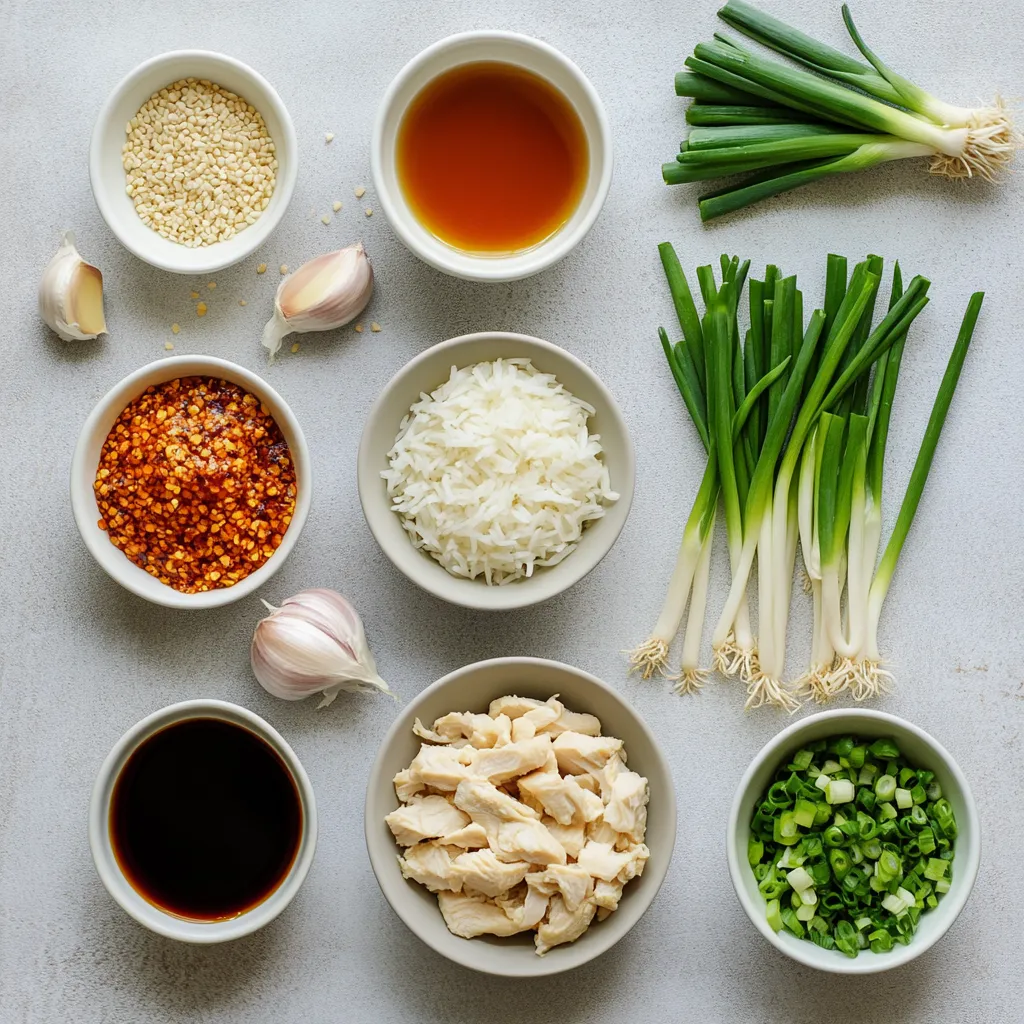
Ingredients
– 1 pound boneless, skinless chicken thighs, thinly sliced
– 1/4 cup cornstarch
– 3 tablespoons vegetable oil
– 1/2 cup green onions, chopped (separate the white and green parts)
– 4 cloves garlic, finely minced
– 1 tablespoon fresh ginger, finely minced
– 1/4 cup soy sauce
– 1/4 cup hoisin sauce
– 2 tablespoons brown sugar
– 1 tablespoon rice vinegar
– 1 teaspoon sesame oil
– 1/2 teaspoon crushed red pepper flakes (optional for heat)
– Cooked rice or noodles, for serving
– Sesame seeds, for garnish (optional)
Instructions
1. Prepare the Chicken: In a large mixing bowl, add the sliced chicken thighs and sprinkle the cornstarch over them. Toss well until all the chicken pieces are evenly coated. This step will help create a crispy exterior when cooked.
2. Heat the Oil: In a large skillet or wok, pour in the vegetable oil and heat it over medium-high heat until it shimmers, indicating it’s ready for cooking.
3. Cook the Chicken: Carefully add the cornstarch-coated chicken strips to the skillet in a single layer. Allow them to cook undisturbed for about 4-5 minutes, then stir occasionally until they turn golden brown and are thoroughly cooked. Once done, remove the chicken from the skillet and set it aside on a plate.
4. Sauté Aromatics: In the same skillet, add the chopped white parts of the green onions, minced garlic, and minced ginger. Sauté these ingredients for approximately 1-2 minutes, or until they become fragrant and the onions begin to soften.
5. Make the Sauce: In a small bowl, combine the soy sauce, hoisin sauce, brown sugar, rice vinegar, sesame oil, and crushed red pepper flakes. Whisk together until the sugar dissolves. Pour this flavorful sauce into the skillet with the sautéed aromatics and bring it to a gentle simmer.
6. Combine Chicken and Sauce: Return the previously cooked chicken to the skillet. Toss the chicken in the sauce, ensuring every piece is well-coated. Continue to cook for an additional 2-3 minutes, allowing the flavors to meld and the chicken to heat through.
7. Finish and Serve: Remove the skillet from heat and stir in the green parts of the chopped green onions for a fresh finish. Serve the Mongolian chicken over bowls of warm rice or noodles and sprinkle with sesame seeds for an elegant touch if desired.
Preparing the Chicken
Preparing the chicken for Mongolian Chicken Delight begins with high-quality, boneless, skinless chicken thighs, which provide a tender and juicy base for the dish. The key to achieving a beautifully crispy coating lies in the use of cornstarch. Once the chicken is sliced thinly, dusting it evenly with cornstarch is essential. This process not only enhances the crispiness but also prevents the chicken from becoming soggy when cooked. Tossing the pieces thoroughly ensures that every inch is covered, creating a crunchy texture that contrasts beautifully with the savory sauce.
This preparation step is fundamental, setting the stage for both texture and flavor. The act of coating the chicken is simple yet critical; it allows for a delightful crunch that elevates the overall eating experience. A detailed coating of cornstarch also helps lock in moisture during cooking, resulting in succulent thighs that remain juicy on the inside while crisp on the outside.
Heating the Oil
The next stage in crafting the perfect Mongolian Chicken Delight involves heating the vegetable oil. Using a large skillet or wok is vital, as it provides ample surface area for cooking the chicken evenly. The correct temperature is crucial; you want the oil to shimmer, indicating that it’s ready for the chicken. This visual cue ensures that the oil is hot enough to immediately sear the chicken, creating those crispy edges while leaving the inside moist and tender.
When the oil is at the right temperature, carefully add the chicken in a single layer. This arrangement prevents overcrowding, which can lead to steaming rather than frying. Maintaining a medium-high heat throughout this step is important for achieving that desired golden-brown color on the chicken exterior.
Cooking the Chicken
Cooking the chicken is the most satisfying part of the process. After the oil reaches the right temperature, add the cornstarch-coated chicken strips in a single layer. Leave them undisturbed for about 4-5 minutes. This crucial time allows a lovely golden crust to form. Once they start to develop color, it’s essential to turn them occasionally to ensure all sides are cooked evenly. Not only does this step contribute to the chicken’s texture, but it also enhances the overall flavor of the dish.
Signs that the chicken is thoroughly cooked include a uniform golden brown color and an internal temperature reaching 165 degrees Fahrenheit. Once done, it’s equally important to remove the chicken and set it aside promptly. This action keeps the meat from becoming overcooked and rubbery before you incorporate it back into the sauce.
Sautéing the Aromatics
Aromatics play an indispensable role in shaping the flavors of Mongolian Chicken Delight. The combination of chopped white parts of green onions, minced garlic, and fresh ginger sautéed together transforms the dish entirely, infusing it with warmth and fragrance. These ingredients are delicate, and they should be cooked briefly to achieve the right balance. Sautéing them for just 1-2 minutes allows their natural oils to release, filling your kitchen with an inviting aroma.
Timing is critical here; garlic has a tendency to burn quickly, which can lead to a bitter flavor. Therefore, once the mixture becomes fragrant and the green onions begin to soften, it’s time to move on to the next step. This technique not only enhances the dish but sets the stage for the sauce that follows.
Techniques for Sautéing
Mastering the art of sautéing this mix of aromatics is integral to the overall success of the dish. Begin with a hot skillet to achieve flavorful results, ensuring that the oil is adequately heated before adding your aromatics. Stirring gently but consistently will keep the ingredients moving, preventing any from sticking to the bottom of the pan or burning. It’s also beneficial to use a wooden spoon or silicone spatula to mix them, as these tools offer gentle yet effective stirring. A keen eye on the coloring and aroma will be your best guides for knowing when to transition to the next phase of your cooking process.
Discussion on the flavors of soy sauce and hoisin sauce
Soy sauce is a staple in many Asian cuisines, providing umami flavor and depth. The saltiness of soy sauce enhances the overall flavor profile of the dish, making it key for binding the distinct flavors together. Hoisin sauce, on the other hand, is thicker and sweeter; it often combines soy sauce, vinegar, sesame oil, and various spices. This versatility adds complexity and richness to dishes, balancing out the saltiness of soy sauce with notes of sweetness and a hint of spice. In the context of Mongolian Chicken Delight, the harmonious blend of these two sauces creates a well-rounded taste that elevates the dish.
Role of sugar and vinegar in balancing flavors
In this recipe, brown sugar plays a significant role in adding sweetness that balances the saltiness of the soy sauce. The sugar helps to round out the sharp notes, ensuring that the sauce is rich but not overwhelmingly salty. Rice vinegar introduces acidity to the mix, providing a light tartness that cuts through the richness of the sauce, enhancing the overall complexity. Together, these elements create a balanced flavor profile that ensures the dish is pleasing to the palate.
Combining Ingredients
Whisking techniques for smooth sauce preparation
When preparing the sauce, it’s essential to whisk the ingredients thoroughly to achieve a smooth and homogenous mixture. Start with the soy sauce and hoisin, adding the brown sugar to allow it ample time to dissolve. Use a whisk or fork to blend the mixture until the sugar granules have disappeared, creating a cohesive sauce that will coat the chicken evenly.
Importance of simmering for flavor meld
Once the sauce is prepared, bringing it to a gentle simmer is crucial. This step activates the flavors, allowing them to meld together beautifully. Simmering enhances the overall taste by breaking down the components into a unified flavor, ensuring that every bite of the chicken is equally delicious.
Combining Chicken and Sauce
Ensuring Even Coating
Techniques for tossing chicken in sauce
To ensure the chicken is evenly coated with the sauce, use tongs or a large spatula to gently toss the chicken in the skillet once added. Make sure to turn the pieces frequently, so every inch picks up the flavorful sauce. This helps not only with flavor distribution but also in achieving a consistent texture throughout the dish.
Signs that the chicken is ready to serve
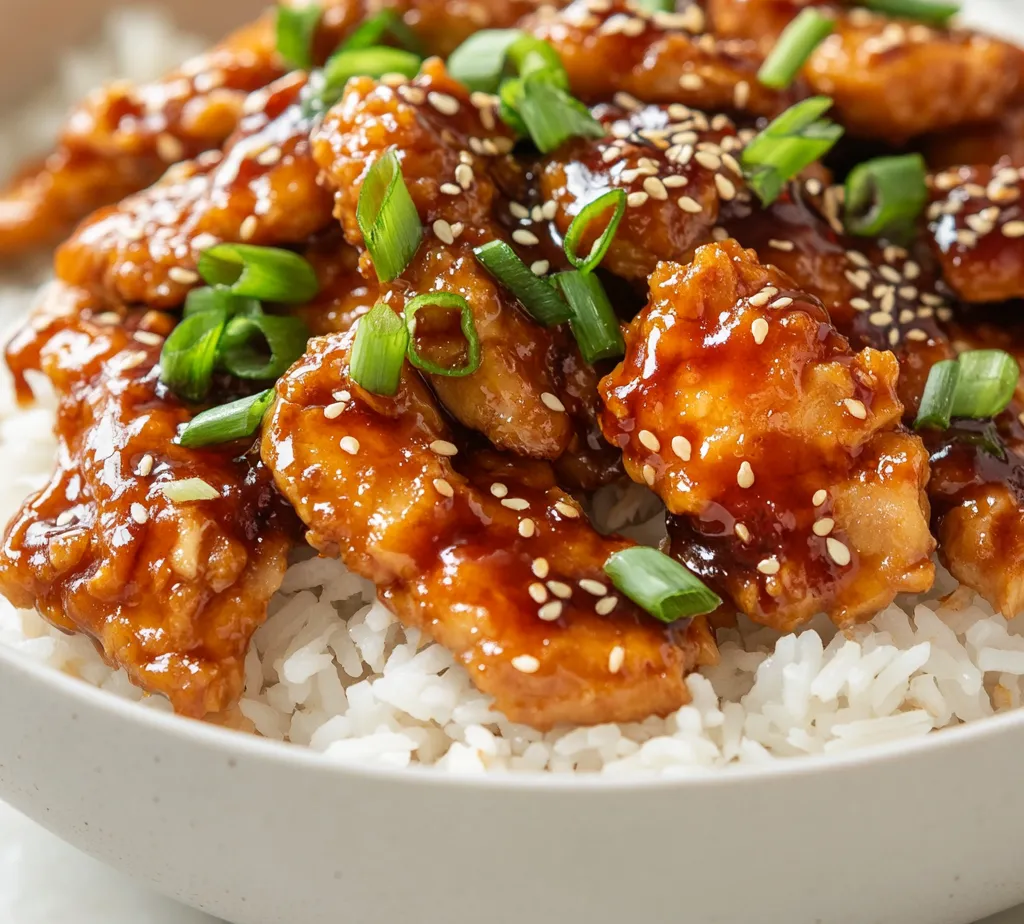
The chicken should have a caramelized exterior, glistening with the sweet sauce, and should be tender yet firm to the bite. The sauce should have thickened slightly, clinging beautifully to the chicken pieces. Ensuring there is no visible pink in the chicken is crucial, indicating that it has reached the safe cooking temperature.
Final Cooking Tips
Optimal cooking time for flavor enhancement
After returning the chicken to the skillet, a cooking time of 2-3 minutes is optimal. This time allows the chicken to absorb the flavors of the sauce without becoming tough. Keep a close eye during this phase, as an extra minute can make a difference in the texture of the chicken.
Monitoring heat to prevent overcooking
Maintaining medium to medium-low heat during the final cooking stage is crucial. High heat can lead to overcooking the chicken, resulting in a dry texture. Adjust the heat accordingly to promote gentle cooking while still achieving caramelization on the sauce.
Finishing Touches
Adding Green Onions
The role of green onion tops in presentation and flavor
The green tops of the green onions add a fresh, vibrant element to the dish. They not only enhance the appearance with their bright color but also impart a mild onion flavor that complements the richness of the sauce. Their addition just prior to serving keeps them crisp, adding a textural contrast to the tender chicken.
Timing for adding fresh ingredients
Adding the green tops shortly before serving ensures they maintain their freshness and crunch, enhancing the overall presentation and flavor. This final touch elevates the dish, making it visually appealing and flavorful.
Serving the Dish
Techniques for plating Mongolian Chicken Delight
To plate the Mongolian Chicken Delight, spoon a generous portion of the chicken and sauce over a bed of warm rice or noodles. Ensure a good amount of sauce is included, as it provides moisture and depth to the base.
Suggestions for garnishing with sesame seeds
To enhance the visual appeal, sprinkle sesame seeds over the top just before serving. This adds a nutty flavor and a delicate crunch that rounds out the dish’s textural elements.
Pairing Recommendations
Rice or Noodles
Texture and flavor contrasts with the chicken
Serving Mongolian Chicken Delight over rice or noodles offers a delightful contrast in texture. The tender, crispy chicken pairs beautifully with the soft chewiness of the noodles or the fluffy nature of the rice.
Best types of rice or noodles for serving
Long-grain rice, such as jasmine or basmati, or wide rice noodles are excellent choices. These options absorb the sauce well, allowing for a harmonious balance of flavors. Egg noodles can also be used to enhance flavor and add richness.
Side Dishes
Recommendations for steamed vegetables
Pair the dish with a side of steamed vegetables, such as broccoli, bok choy, or bell peppers. These add a splash of color and crunch while providing additional nutrients.
Suggestions for complementary side dishes
For a complete meal, consider serving a light cucumber salad with rice vinegar dressing, which can provide a refreshing contrast to the savory chicken.
Variations and Modifications
Altering Spice Levels
Adjusting the heat with or without crushed red pepper flakes
For those preferring a milder dish, the crushed red pepper flakes can be reduced or omitted entirely. Conversely, for those who enjoy more heat, adding additional flakes or garnishing with fresh sliced chilies before serving can enhance the spicy profile without compromising the dish’s core flavors.
Substituting sauces for personalized flavor profiles
Individuals may choose to substitute teriyaki or black bean sauce for hoisin, creating variations that suit personal tastes while still maintaining the essential sweetness and richness of the dish.
Protein Alternatives
Options for different types of chicken or meat
Chicken breasts could be used as an alternative to thighs for a leaner option, though it may lead to a different texture. For variety, try beef or shrimp for a different protein.
Vegetarian substitutions for a meatless version
To make a vegetarian version of the dish, consider using tofu as a protein source. Firm tofu can be cut into cubes, pressed to remove excess moisture, and sautéed until golden before combining with the sauce.
Storage and Reheating
Storing Leftovers
Best practices for refrigerating Mongolian Chicken Delight
Leftovers should be stored in an airtight container in the refrigerator. Ensure it cools completely before sealing to prevent condensation.
Duration for safe storage
The dish can be safely stored for up to 3-4 days, after which flavor and texture may degrade.
Reheating Methods
Recommended reheating techniques for maintaining flavor and texture
Reheating in a skillet over low heat with a splash of water or broth helps maintain moisture while allowing even heating.
Avoiding over-drying of chicken during reheating
Microwaving can be done on a lower setting to avoid over-drying; cover the dish to retain steam and moisture.
Conclusion
Mongolian Chicken Delight is a harmonious blend of sweet and savory flavors, providing a satisfying quick meal in only 30 minutes. The crispy chicken and vibrant sauce create a delightful taste and texture experience that pairs exceptionally well with rice or noodles. This dish showcases both convenience and versatility, making it a delicious option for any dinner table.
Mongolian Chicken Delight Recipe
Ingredients
- 1 pound boneless skinless chicken thighs, thinly sliced
- ¼ cup cornstarch
- 3 tablespoons vegetable oil
- ½ cup green onions chopped (separate the white and green parts)
- 4 cloves garlic finely minced
- 1 tablespoon fresh ginger finely minced
- ¼ cup soy sauce
- ¼ cup hoisin sauce
- 2 tablespoons brown sugar
- 1 tablespoon rice vinegar
- 1 teaspoon sesame oil
- ½ teaspoon crushed red pepper flakes optional for heat
- Cooked rice or noodles for serving
- Sesame seeds for garnish (optional)
Instructions
- In a large mixing bowl, add the sliced chicken thighs and sprinkle the cornstarch over them. Toss well until evenly coated.
- In a large skillet or wok, heat the vegetable oil over medium-high heat until it shimmers.
- Add the cornstarch-coated chicken strips to the skillet in a single layer. Cook undisturbed for 4-5 minutes, then stir occasionally until golden brown and cooked through.
- Remove the chicken from the skillet and set aside on a plate.
- In the same skillet, add the chopped white parts of the green onions, minced garlic, and minced ginger. Sauté for 1-2 minutes until fragrant.
- In a small bowl, combine the soy sauce, hoisin sauce, brown sugar, rice vinegar, sesame oil, and crushed red pepper flakes. Whisk until the sugar dissolves.
- Pour the sauce into the skillet with the sautéed aromatics and bring to a gentle simmer.
- Return the cooked chicken to the skillet and toss in the sauce until well-coated. Cook for an additional 2-3 minutes.
- Remove from heat and stir in the green parts of the chopped green onions.
- Serve over warm rice or noodles and sprinkle with sesame seeds if desired.