Norwegian Pannekaken Recipe: Easy Thin Pancakes
Introduction
Exploring the delicious world of Norwegian Pannekaken brings us a taste of tradition and comfort. These thin pancakes not only serve as a delightful breakfast option but also double as a versatile dish ideal for brunch or dessert. Made from a handful of simple ingredients, they yield a tender, rich flavor that appeals to all ages, making them a beloved choice in many households.
The beauty of Pannekaken lies in its ease of preparation and the endless possibilities for customization. Whether you enjoy them plain or piled high with toppings, these pancakes provide a warm, inviting meal that can be tailored to fit various occasions. Traditionally, they are served in Norway as a stand-alone dish or accompanied with an array of fresh fruits, spreads, and even savory options, showcasing their versatility.
In this article, we will dive deeper into the recipe, exploring its origins, flavor profile, serving suggestions, and detailed steps to achieve the perfect Norwegian Pannekaken. Let’s embark on this culinary journey!
Recipe Overview
– Total Time: 1 hour
– Prep Time: 10 minutes
– Yield/Servings: 8-10 pancakes
– Difficulty: Not specified in the recipe
Ingredients
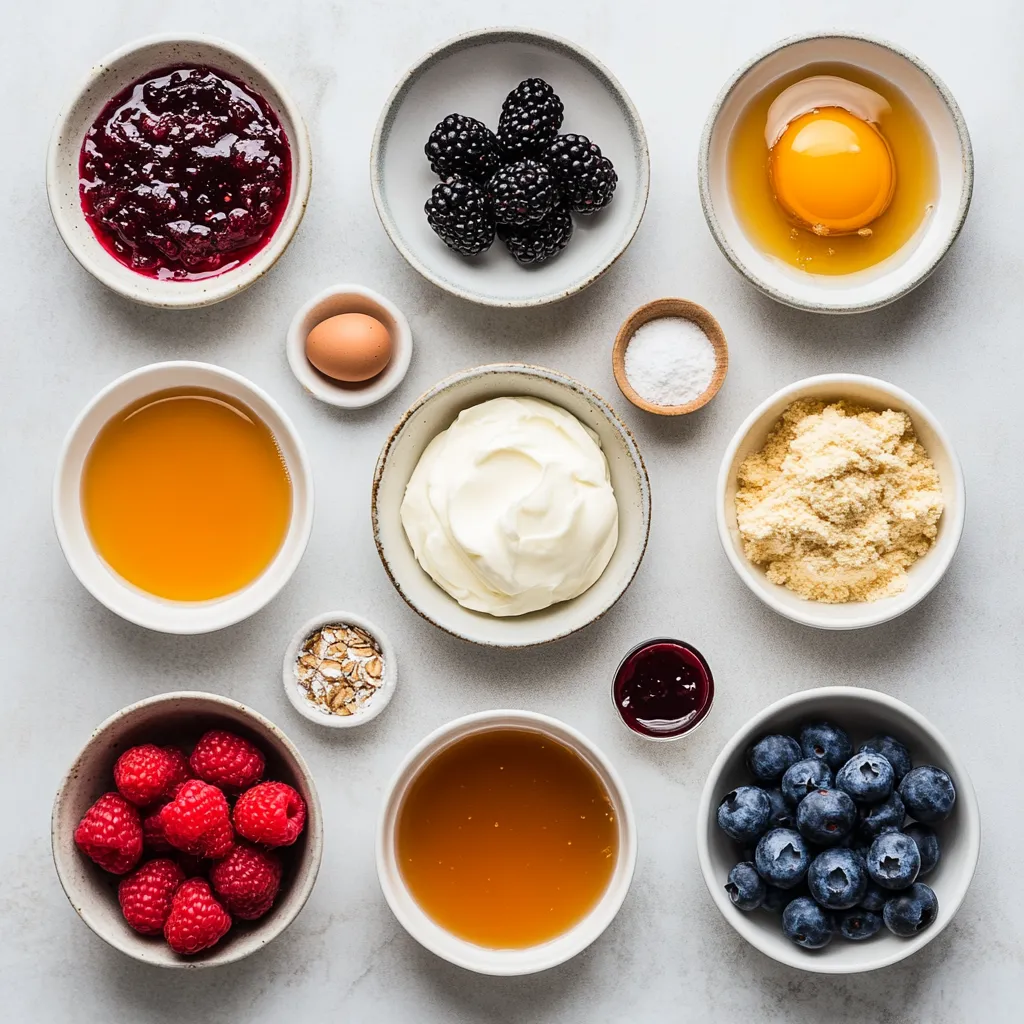
– 2 cups all-purpose flour
– 4 cups milk
– 4 large eggs
– 1/4 cup granulated sugar
– 1/2 teaspoon salt
– 1 teaspoon vanilla extract
– 4 tablespoons unsalted butter, melted (plus additional for cooking)
– Optional toppings: fresh berries, fruit preserves, sour cream, or maple syrup
Instructions
1. In a large mixing bowl, combine the all-purpose flour, granulated sugar, and salt. Whisk them together until the mixture is uniform and free of lumps.
2. In a separate bowl, crack the eggs and whisk them thoroughly. Then, add the milk and vanilla extract, mixing until the ingredients are completely blended and smooth.
3. Gradually incorporate the wet mixture into the dry ingredients, whisking continuously to ensure a lump-free batter forms.
4. Once combined, stir in the melted butter until the batter is silky and homogenous. Allow the batter to rest for about 30 minutes; this resting period helps the flour absorb the liquid for better texture.
5. Preheat a non-stick skillet or crepe pan over medium heat. Add a small pat of butter to the pan, allowing it to melt and coat the surface.
6. Pour a ladleful of the batter into the skillet, tilting the pan to create a thin, even layer of batter.
7. Cook the pancake for approximately 1-2 minutes, or until the edges begin to lift and the underside turns a golden brown. Carefully flip the pancake and cook for an additional minute on the opposite side until set.
8. Remove the pancake from the skillet and keep it warm on a plate. Repeat the process with the remaining batter, adding more butter to the pan as necessary to prevent sticking.
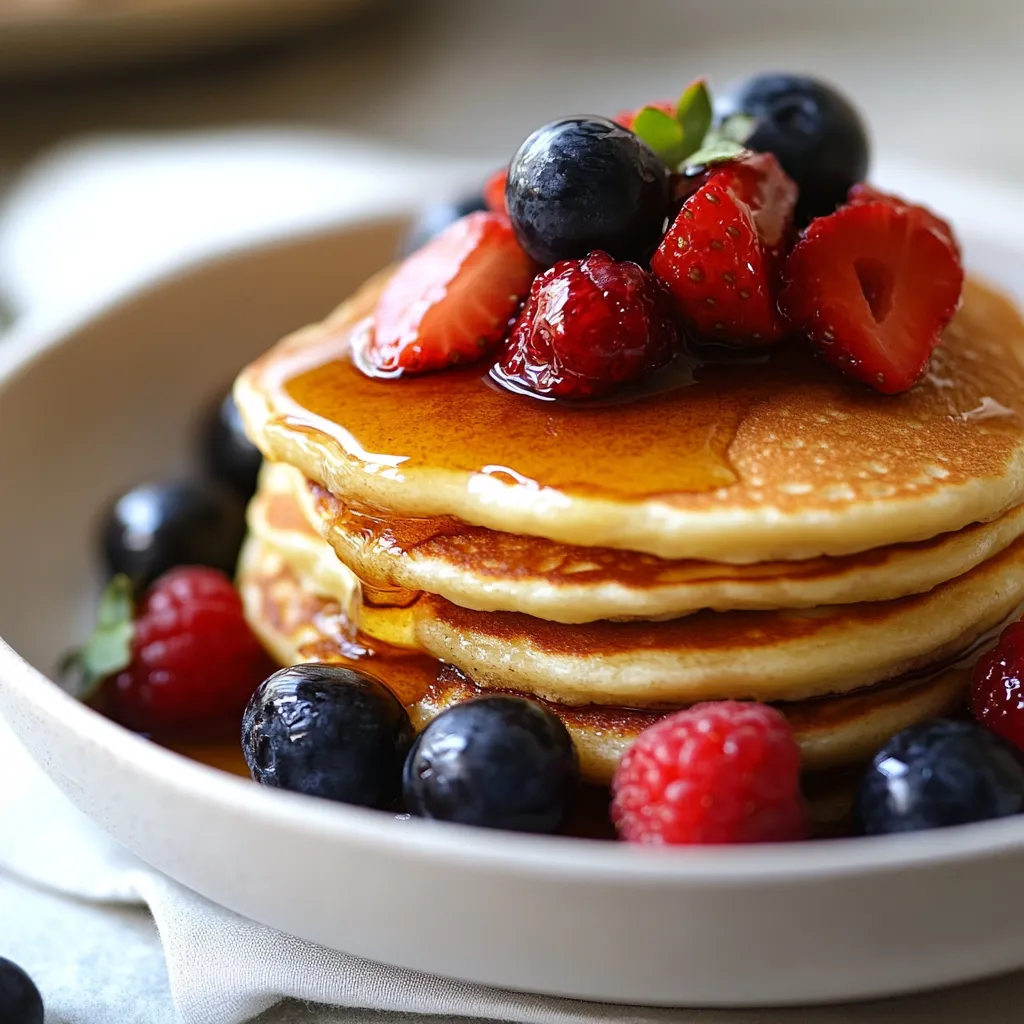
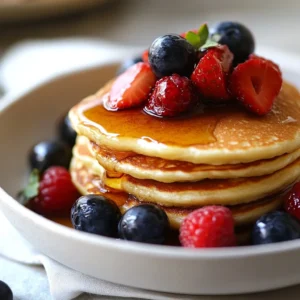
9. Serve the warm Pannekaken stacked on a plate, adorned with your choice of toppings such as vibrant fresh berries, luscious fruit preserves, a dollop of sour cream, or a generous drizzle of maple syrup.
Origin of Pannekaken
Pannekaken, or Norwegian pancakes, are deeply rooted in the culinary traditions of Norway. Originating from a time when simple and accessible ingredients were essential for sustaining families, these pancakes represent the ingenuity of using basic staples to create delightful meals. Unlike their thicker American counterparts, Norwegian pancakes are thinner and lighter, often resembling French crêpes. They have been enjoyed by generations of Norwegians, served as a preferred breakfast after a hearty meal or as a sweet dessert after dinner.
The pancake-making tradition in Norway has also evolved, with families cherishing their recipes and developing unique variations. Their universal appeal is found in their adaptability—Pannekaken can be savored with an assortment of toppings, from sweet to savory, illustrating their cultural significance in celebrations and family gatherings.
Texture and Flavor Profile
The appeal of Norwegian Pannekaken lies not only in its taste but also in its delightful texture. This dish is characterized by its light and airy consistency, making each pancake a thin, tender layer that is surprisingly satisfying. The subtle sweetness from the granulated sugar allows the pancakes to stand alone or complement a variety of toppings beautifully.
The use of vanilla extract adds a gentle aromatic quality, enhancing the overall flavor profile without overpowering it. Each bite delivers a comforting warmth, perfectly balanced by an array of toppings. Fresh berries bring a burst of tartness, while creamy sour cream adds richness, and maple syrup introduces a sweet depth, ensuring that every serving feels like a celebration.
Serving Suggestions
Norwegian Pannekaken offers countless serving styles, allowing for creativity and personalization. A popular option is to stack the pancakes high on a serving plate, which not only looks elegant but also creates a visually appealing centerpiece for brunch tables.
For an even more delightful experience, consider creating a pancake bar where guests can customize their servings. Provide a selection of optional toppings that include fresh berries, fruit preserves, whipped cream, and maple syrup. This interactive approach encourages everyone to indulge in their preferred combinations, making it a fun and memorable occasion.
Don’t shy away from the possibility of savory options—while sweet toppings are traditional, ingredients like sautéed mushrooms or a dollop of crème fraîche can turn them into an extraordinary meal. No matter how you choose to serve them, Norwegian Pannekaken invites you to savor every moment.
Continue exploring the detailed preparation steps, ensuring clarity and ease for novice cooks. Techniques and tips for mixing the dry and wet ingredients, as well as proper cooking methods, will be essential in achieving the perfect pancake that honors this cherished Norwegian dish.
Pouring and Spreading the Batter
When preparing the Norwegian Pannekaken, achieving the signature thin layer comes down to technique. After allowing the batter to rest, first ensure your ladle or measuring cup is clean to avoid contamination. Gently stir the batter before scooping to re-incorporate any settled ingredients, especially the melted butter at the bottom. To create a uniform thin layer, pour the batter into the center of the skillet and then immediately tilt and swirl the pan to spread it outwards. The faster you do this, the thinner the pancake will be. Ideally, you want a layer that is nearly transparent but without any holes. Practice may be needed for the perfect execution, but it’s a skill that improves with each pancake.
Cooking Time and Tips
The cooking time is critical for achieving the perfect texture of your Pannekaken. After pouring the batter, watch closely as the edges begin to lift and the surface starts to bubble slightly; this is typically a sign that the pancake is ready to be flipped. Expect to cook each side for about 1-2 minutes. The first side will take a little longer due to the skillet heating up, whereas the second side usually cooks faster. For optimal texture, make sure to flip gently with a thin spatula to avoid tearing. If you find the pancakes are browning too quickly, adjust the heat slightly lower to ensure they cook evenly without burning.
Toppings and Presentation
Enhancing your Pannekaken doesn’t just come down to the batter; the toppings play a significant role in the flavor profile and presentation of the dish. Traditional Norwegian toppings often include fresh berries and fruit preserves, but creativity can elevate this classic dish.
Fruit and Preserve Options
Fresh berries such as blueberries, strawberries, and raspberries are ideal for topping Pannekaken. Their natural tartness balances beautifully with the sweetness of the batter. You could also opt for fruit preserves like raspberry or strawberry jam, which offers a spreadable sweetness that complements the soft texture of the pancakes. Additionally, consider using caramelized apples or sautéed peaches for a warm twist that adds depth and flavor to each bite.
Cream and Syrup Pairings
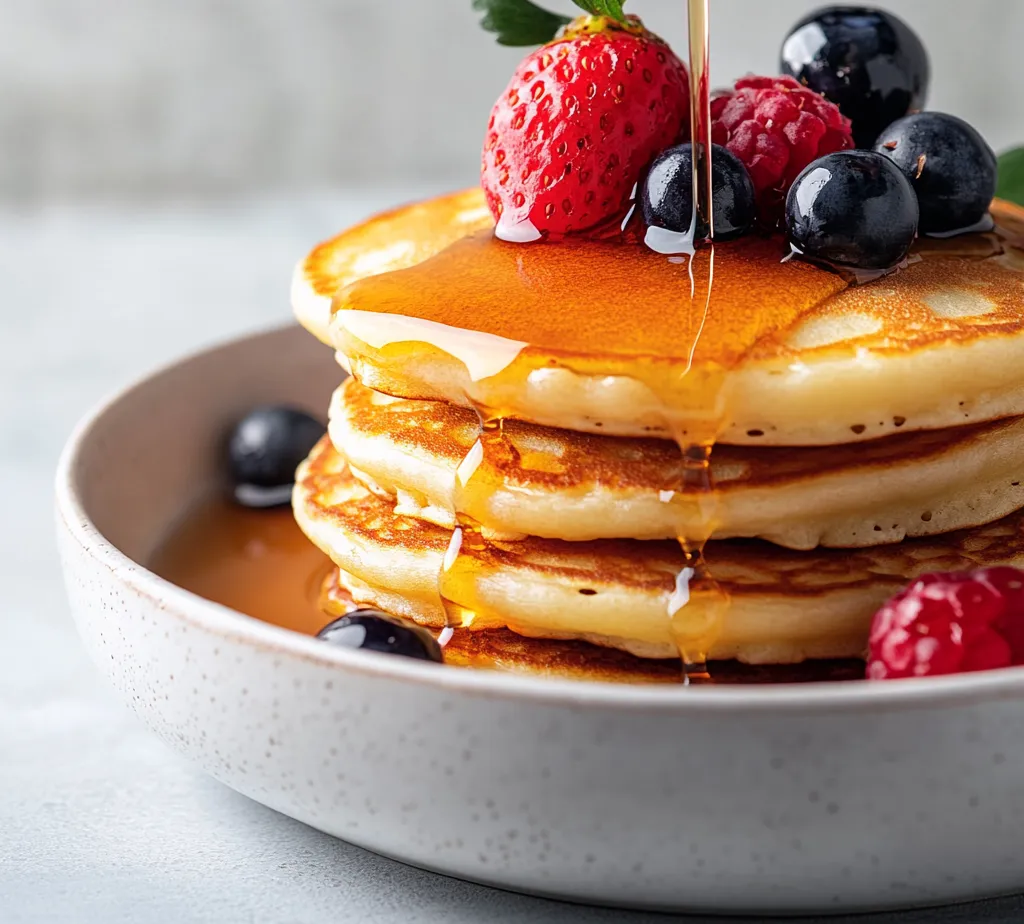
Sour cream is a classic accompaniment, lending a tangy richness that enhances the sweetness of the pancakes. A drizzle of pure maple syrup not only adds sweetness but also an earthy undertone that harmonizes with the vanilla flavor in the batter. The contrast of warm pancakes, cold sour cream, and a hint of syrup creates a delightful experience for the palate.
Elegant Presentation Ideas
For an appetizing appearance, stacking the Pannekaken high creates a visually appealing plate. Dusting the top with powdered sugar adds a touch of elegance, while a few fresh berries as garnish can elevate the dish from a simple breakfast to a brunch centerpiece. Consider using a layer of preserves or sour cream between each pancake for added flavor and visual appeal.
Serving the Pannekaken
Serving is an art as much as it is a science, particularly when hosting family or friends. Maintaining warmth and freshness can enhance the dining experience significantly.
Plating Techniques
When plating, stack three to four Pannekaken and garnish with your chosen toppings in a visually pleasing manner. Consider placing a few berries on top and possibly a sprig of mint for color contrast. If serving multiple people, prepare individual plates in advance to keep the serving streamlined and enjoyable.
Creating a Pancake Bar
Setting up a pancake bar offers an interactive experience for guests. Provide a variety of toppings, including fresh fruits, jams, whipped cream, and nuts. Lay out the toppings in separate bowls, and let guests customize their pancakes to their preferences. This not only enhances the meal but also fosters a communal and enjoyable atmosphere.
Storing Leftovers
If you find yourself with leftover Pannekaken, storing them properly ensures that they retain their flavor and texture for future enjoyment. Allow the pancakes to cool completely before stacking them with parchment paper between layers to prevent sticking. Store them in an airtight container in the refrigerator if consuming within a few days. For longer storage, they can be frozen, placed in a freezer-safe bag with parchment paper between each pancake to keep them from sticking together.
Adjusting the Recipe
While the classic recipe for Pannekaken is delightful, there are various adjustments you can make to cater to different tastes or dietary needs.
Flavor Variations
Enhance the flavor of your batter by incorporating spices such as ground cinnamon or nutmeg. A teaspoon of lemon zest adds a refreshing brightness, while a splash of almond extract can deepen the pancake flavor beyond that of the vanilla.
Vegan Adaptations
For a plant-based version of Pannekaken, substituting eggs is one of the main adjustments. A common replacement is using flaxseed meal mixed with water (1 tablespoon of flaxseed meal combined with 2.5 tablespoons of water to replace 1 egg) or using commercial egg substitutes available in stores. Additionally, replace cow’s milk with almond, oat, or soy milk and opt for vegan butter substitutes for a completely dairy-free pancake.
Gluten-Free Options
To make Pannekaken gluten-free, swap the all-purpose flour with a gluten-free blend specifically designed for baking. These blends typically contain a combination of rice flour, potato starch, and tapioca, allowing for a similar texture without gluten. Be mindful that some gluten-free flours may absorb liquids differently, so you might need to adjust the amount of milk accordingly.
Nutritional Information
Understanding the nutritional content of your Pannekaken can help you make informed decisions about ingredients and portion sizes.
Caloric Count and Macronutrients
A typical serving of Norwegian Pannekaken contains approximately 200-250 calories per pancake, depending on thickness and toppings used. Each pancake provides a balanced amount of carbohydrates from the flour, sugars, and some protein from the eggs, helping sustain energy levels throughout the day.
Vitamins and Minerals
Pannekaken offers essential nutrients from the primary ingredients. Eggs contribute protein and vitamins such as B12 and D, while milk adds calcium and vitamin B2. The use of fresh fruit toppings can further enhance the nutritional profile by adding fiber, vitamins C and K, and antioxidants.
Health Considerations
While Pannekaken can be a delicious addition to your diet, it’s wise to enjoy them in moderation. Adjusting the sugar content or opting for healthier toppings such as chia seeds or Greek yogurt can provide nutritional benefits without compromising the enjoyable flavor of this classic dish.
Conclusion
Norwegian Pannekaken represent a perfect blend of simplicity and rich flavor. The delicate, thin texture and golden color create a delightful pancake experience, whether served simply or with an array of toppings. With a preparation time of just 10 minutes, they easily fit into any mealtime routine, making them a versatile addition to your culinary repertoire.
Norwegian Pannekaken Recipe: Easy Thin Pancakes
Ingredients
- 2 cups all-purpose flour
- 4 cups milk
- 4 large eggs
- ¼ cup granulated sugar
- ½ teaspoon salt
- 1 teaspoon vanilla extract
- 4 tablespoons unsalted butter melted
- optional toppings: fresh berries fruit preserves, sour cream, or maple syrup
Instructions
- In a large mixing bowl, combine the flour, sugar, and salt.
- In a separate bowl, whisk the eggs, then add milk and vanilla extract.
- Gradually mix the wet ingredients into the dry ingredients until smooth.
- Stir in the melted butter and let the batter rest for 30 minutes.
- Preheat a non-stick skillet over medium heat and add butter.
- Pour a ladleful of batter into the skillet, tilting to create a thin layer.
- Cook for 1-2 minutes until edges lift and underside is golden brown.
- Flip and cook for an additional minute until set.
- Keep pancakes warm on a plate and repeat with remaining batter.
- Serve stacked with toppings of your choice.