
Hummus Pasta Delight Recipe
Introduction
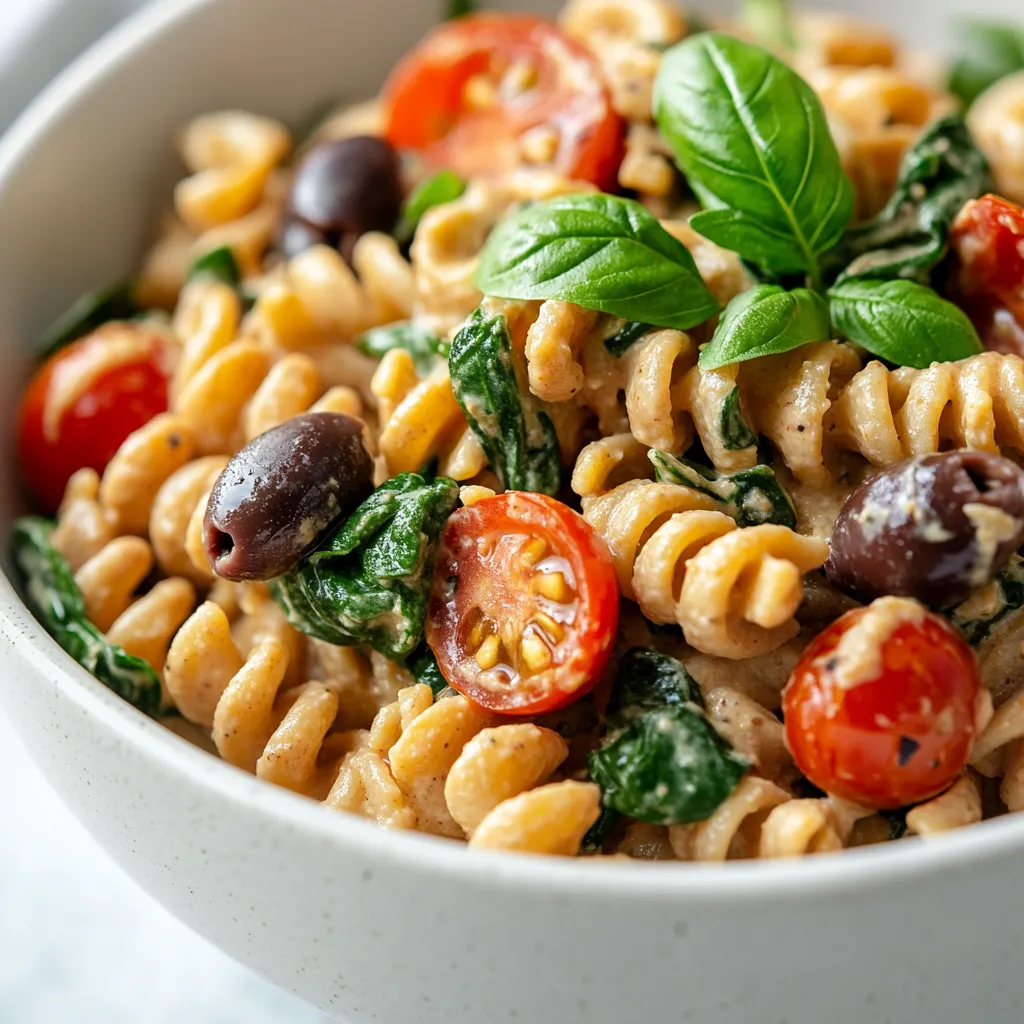
Crafting a noodle dish that balances flavor with nutrition can be a delightful challenge. Hummus Pasta Delight brings together the creamy richness of hummus, vibrant vegetables, and perfectly cooked pasta, creating a dish that’s both satisfying and wholesome. This recipe is not only quick to prepare but also versatile, allowing for various dietary preferences. With just a few simple ingredients, it makes for an excellent weeknight meal or a cozy gathering amongst friends.
The unique combination of hummus and pasta makes this dish a standout. Unlike traditional pasta sauces that can be heavy, hummus offers a creamy, plant-based alternative that is both nourishing and delightful on the palate. The freshness from the cherry tomatoes and spinach adds brightness, while the olives provide a briny contrast, resulting in a well-rounded dish. Hummus Pasta Delight is ideal for serving at a casual lunch or dinner and can even make an impressive addition to a potluck.
Whether you’re seeking a quick meal or something that brings a bit of excitement to your dinner table, this dish is sure to impress. The simplicity of the ingredients, paired with the variety of textures and flavors, makes it a comforting experience. Particularly suitable for those following vegetarian or vegan diets, this dish caters to various dietary restrictions while still delivering on taste.
Recipe Overview
– Total Time: 25 minutes
– Prep Time: 10 minutes
– Servings: 4
– Difficulty: Not specified in the recipe
Ingredients
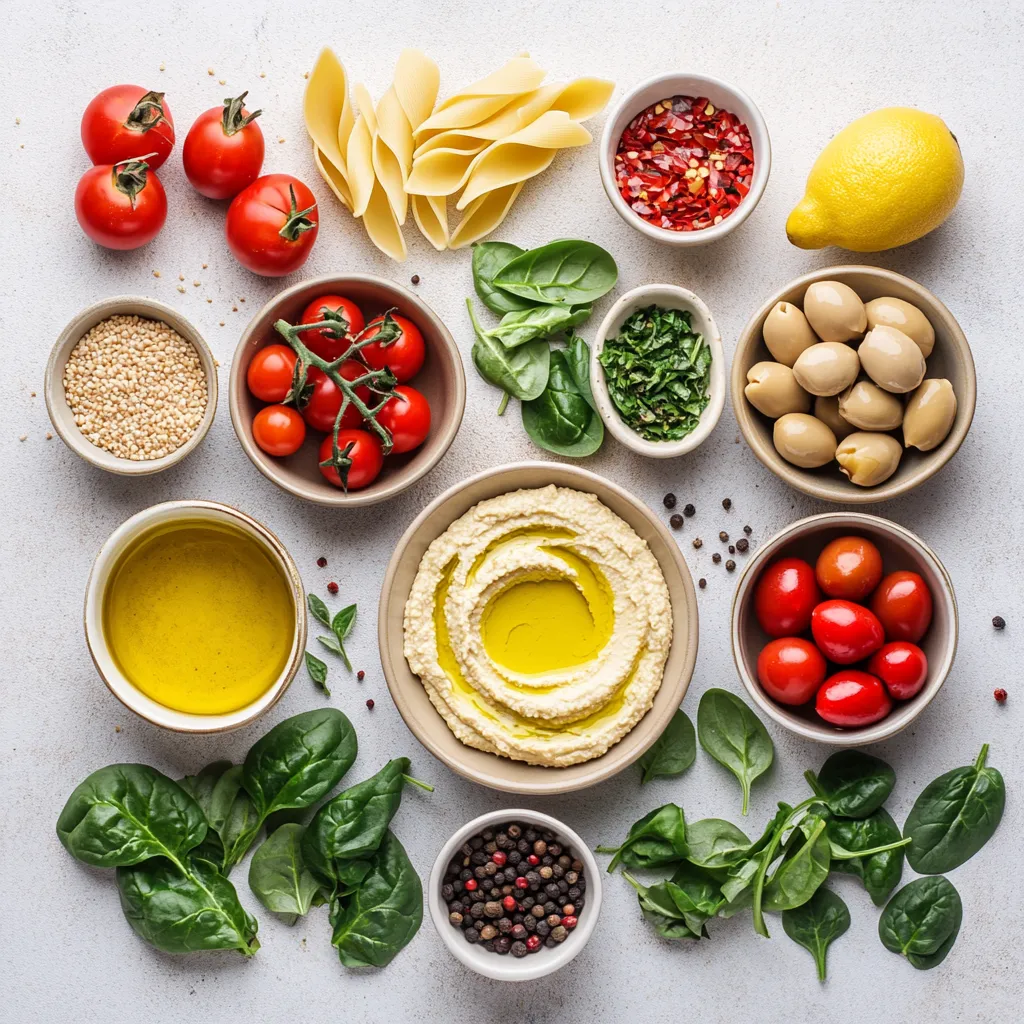
– 8 oz (225g) of your preferred pasta (whole wheat, chickpea, or gluten-free)
– 1 cup of hummus (store-bought or homemade)
– 1 cup of cherry tomatoes, halved
– 1 cup of fresh spinach, chopped
– 1/2 cup of olives, sliced (black or green based on your preference)
– 2 cloves of garlic, minced
– 2 tablespoons of extra virgin olive oil
– 1 tablespoon of fresh lemon juice
– Salt and freshly ground pepper, to taste
– Fresh basil or parsley leaves, for garnish
– Red pepper flakes (optional, for a spicy kick)
Instructions
1. Cook the Pasta: Begin by bringing a large pot of salted water to a rolling boil. Add the pasta and cook according to the package instructions until it reaches an al dente texture. Remember to reserve 1/2 cup of the pasta cooking water before draining the pasta. Set the drained pasta aside.
2. Sauté the Vegetables: In a large skillet, pour in the olive oil and heat it over medium heat. Once hot, add the minced garlic and sauté for about 1 minute, or until it becomes aromatic. Next, introduce the halved cherry tomatoes to the skillet and cook for approximately 3-4 minutes, until they begin to soften and release their juices.
3. Combine Ingredients: Stir in the chopped spinach and sliced olives, mixing everything together until the spinach wilts down, which should take about 2 minutes.
4. Incorporate the Hummus: Reduce the heat to low and add the cooked pasta to the skillet. Gently stir in the hummus and fresh lemon juice, ensuring everything is well combined. If the mixture appears too thick, gradually add the reserved pasta water until you achieve a creamy consistency that coats the pasta nicely.
5. Season to Perfection: Taste your dish and adjust the seasoning with salt, freshly cracked pepper, and red pepper flakes, if desired, for a bit of heat. Stir everything thoroughly until heated through.
6. Serve with Style: Spoon the hummus pasta into serving bowls. For an extra touch, garnish with fresh basil or parsley leaves and a light drizzle of olive oil.
Nutritional Benefits
Hummus Pasta Delight is not just an enjoyable dish; it also comes packed with numerous nutritional benefits thanks to its carefully selected ingredients.
Nutrients in Hummus
Hummus serves as a base rich in protein, making it an excellent choice for those looking to incorporate more plant-based options into their diet. The chickpeas used in hummus are packed with protein and fiber, contributing to satiety and digestive health. Additionally, hummus contains tahini, which adds healthy fats to the mix, promoting heart health and helping to absorb fat-soluble vitamins.
Benefits of Adding Vegetables
The vegetables in this dish, particularly spinach and cherry tomatoes, deliver vital vitamins and antioxidants. Spinach is an excellent source of iron, calcium, and vitamins A, C, and K, while cherry tomatoes provide lycopene and vitamin C, both known for their health-promoting properties. Olives also contribute beneficial fats and antioxidants that support cardiovascular health. This combination not only enhances the flavor profile but also significantly boosts the dish’s overall nutritional value.
Choosing Whole Grain or Alternative Pasta
Selecting the right type of pasta can further enhance the health benefits of Hummus Pasta Delight. Whole wheat pasta offers more fiber, which aids digestion and makes you feel fuller for longer. Alternatively, chickpea pasta presents a higher protein content and is gluten-free, making it suitable for those with gluten intolerances or those aiming to maintain a gluten-free diet. It’s essential to choose a pasta that aligns with your dietary preferences while also complementing the other ingredients in the dish.
Adapting for Dietary Restrictions
Gluten-free pasta options
For those with gluten sensitivities or celiac disease, there are numerous gluten-free pasta options available. Brands now offer pasta made from lentils, brown rice, quinoa, or chickpeas. Always ensure to select a pasta specifically labeled as gluten-free to avoid cross-contamination.
Low-sodium alternatives for added salt
To keep the dish heart-healthy while retaining flavor, consider using low-sodium olives and opting for a salt-free hummus if preparing homemade. Additionally, use herbs and spices, like garlic powder or onion powder, which can infuse flavor without needing to add salt.
Flavor Enhancements
Using different herbs and spices
Although the recipe already shines with garlic and lemon, experimenting with various seasonings can elevate the dish. Consider adding fresh dill or oregano, which complement the hummus beautifully. Smoked paprika can lend a subtle depth, while fresh herbs like cilantro can provide a bright twist.
Experimenting with different olive varieties
Olives not only contribute to flavor but also texture. Green olives have a firmer bite and a more tangy taste compared to their black counterparts. You might even consider using marinated olives for an extra flavor punch or stuffed olives, which can introduce new dimensions to the dish.
Ingredient Storage Tips
Storing Leftover Hummus
Best practices for keeping hummus fresh
To maximize freshness, always store hummus in an airtight container. A thin layer of olive oil on top can help seal in moisture and prevent browning. Always use a clean utensil when scooping out portions to avoid contamination.
Timeframes for refrigerator storage
Hummus can typically be stored in the refrigerator for about 4 to 7 days. However, its texture and flavor might diminish over time, so consuming it within the first 3 days is ideal.
Preserving Fresh Vegetables
How to properly store spinach and cherry tomatoes
Fresh spinach should be stored in the refrigerator, preferably in a breathable bag to maintain its moisture without causing spoilage. Cherry tomatoes should be kept at room temperature until they fully ripen; after that, they can be refrigerated, but their flavor might slightly diminish.
Tips for keeping olives usable longer
Olives can be stored in their original brine in the refrigerator, which extends their shelf life significantly. If they have been removed from their brine, a splash of olive oil along with a tightly sealed container can help maintain their flavor and prevent dryness.
Pasta Storage Post-Cooking
Methods for storing cooked pasta
Once cooked, pasta should be cooled and stored in an airtight container. A light drizzle of olive oil can prevent it from sticking together. Consume within 3 to 5 days for the best taste and texture.
Reheating tips while maintaining texture
To reheat cooked pasta, add a splash of water or olive oil to the pasta before microwaving it or heating it in a skillet. This technique helps to revive moisture and prevent it from becoming mushy.
Serving Suggestions
Pairing with Sides
Salad options that complement the dish
A fresh arugula salad with a simple lemon vinaigrette would provide a peppery contrast to the creamy hummus pasta. Alternatively, a Mediterranean-style cucumber salad can intertwine beautifully with flavors, incorporating feta, red onion, and parsley.
Bread choices to enhance the meal
Serve with warm pita bread or crusty whole grain bread to scoop up any remaining hummus pasta sauce. Consider garlic knots or focaccia, which would complement the dish’s Mediterranean vibe splendidly.
Making It a Complete Meal
Additional protein options (tofu, chickpeas, etc.)
To transform the dish into a protein-rich meal, consider adding roasted chickpeas or diced grilled tofu. These additions not only provide substance but also integrate seamlessly into the flavors of the dish.
Incorporating healthy fats and fibers
To enhance nutrition, you can toss in some avocado slices post-cooking or mix in artichoke hearts for added fiber and taste. Both options contribute healthy fats that enrich the meal’s profile.
Presentation Techniques
Arranging the dish visually
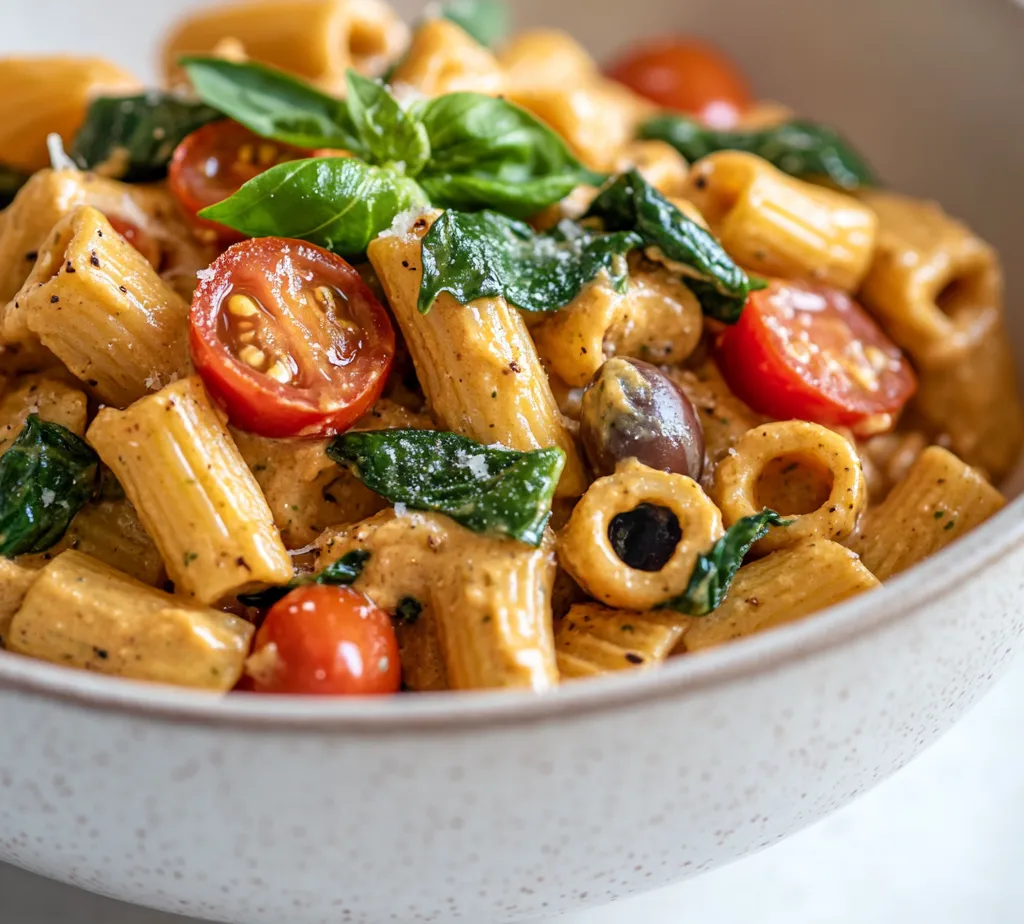
To create a stunning presentation, plate the hummus pasta in the center of a white bowl, allowing the vibrant colors of the spinach and cherry tomatoes to shine. A sprinkle of red pepper flakes on top adds a pop of color and hints at flavor.
Garnishing ideas for an appealing look
Finishing touches like a drizzle of balsamic glaze or a sprinkle of nutritional yeast can elevate the visual appeal along with taste. A few whole olives and a scattering of microgreens add sophistication and freshness to the dish.
Variations for Seasonal Ingredients
Spring and Summer Twists
Seasonal vegetable replacements
During spring and summer, consider incorporating fresh zucchini or bell peppers, which can be sautéed along with the garlic for a refreshing twist. Farmers’ markets often feature seasonal produce that can enhance the dish’s flavor.
Utilizing farmers’ market finds
Fresh, local produce such as asparagus or snap peas can also be great additions. Simply blanch them and toss them in with the pasta and hummus for a burst of color and crunch.
Fall and Winter Adaptations
Adding roasted vegetables for deeper flavor
As the seasons change, you might opt for roasted butternut squash or Brussels sprouts, which add a sweet, caramelized flavor that pairs well with the creaminess of the hummus. Their heartiness complements the pasta beautifully.
Incorporating hearty greens like kale
Kale can be an excellent substitute for spinach in colder months. It holds up well during cooking, bringing a slightly more robust texture and adding winter warmth to the dish.
Adjusting Flavor Profiles
Infusions like roasted garlic or sun-dried tomatoes
For a rich new flavor, try roasting garlic until golden and soft, which can be stirred into the pasta mixture, imparting a sweet, nutty essence. Sun-dried tomatoes can add a tangy sweetness, enhancing the overall deep flavor profile.
Adding acids like balsamic reduction or different citrus
A fruity balsamic reduction can add an upscale touch, drizzled over the top just before serving. Alternatively, a splash of orange juice can introduce a bright, refreshing note that complements the hummus.
Troubleshooting Common Issues
Avoiding Overcooked Pasta
Signs of undercooked versus overcooked
Under-cooked pasta will still have a hard center, while overcooked pasta becomes mushy and loses its shape. Aim for an al dente texture, where the pasta retains a slight firmness in the bite.
Tips for perfect al dente texture
Set a timer according to package instructions, testing the pasta a minute or two before the suggested cooking time. Once at the desired consistency, promptly drain and rinse with cold water to halt cooking.
Ensuring Creamy Consistency
Troubleshooting thick hummus mixtures
If the hummus mixture becomes too thick, gradually add reserved pasta water in small increments until reaching the desired creaminess. A little goes a long way in achieving the right consistency.
Adjusting with the right amount of pasta water
To maintain a creamy texture, try to add enough pasta water without making it watery. Gradually add the water while mixing, allowing quick adjustments before the mixture becomes too loose.
Addressing Off Flavors
Balancing acidity with more lemon juice
If the dish tastes flat, a touch more lemon juice can elevate the acidity and brighten the overall flavor profile. Strive for a balance where the flavors harmonize without overpowering the dish.
Tips for enhancing flavors with fresh herbs
Fresh herbs serve as essential flavor enhancers. If the dish seems a bit bland, adding freshly chopped herbs like basil or parsley just before serving can enliven and enhance the entire dish.
Ethical and Local Ingredient Choices
Sourcing Sustainable Pasta Options
Information on local brands producing alternative pastas
A variety of local companies provide sustainable alternative pasta options. Researching small artisan brands or checking local grocery stores for products made from organic grains can significantly impact the environment.
Highlighting organic versus non-organic choices
Opting for organic ingredients supports sustainable farming methods, which can ultimately lead to better flavor and a healthier ecosystem. Whenever possible, choose organic pasta and vegetables, as they are grown without harmful pesticides.
Supporting Local Farmers
Benefits of sourcing local tomatoes and spinach
Purchasing from local farmers not only supports the community but often provides fresher, tastier produce. Visiting a farmers’ market or local co-op is an excellent way to find the best seasonal options.
Building community connections through ingredients
Supporting local farms fosters a connection to the community and often enhances the quality of the ingredients you are using. It encourages sustainable practices, creating a more robust local economy.
Eco-Friendly Packaging Considerations
Choosing brands with minimal packaging
Seek out brands that prioritize minimal, recyclable packaging to reduce waste. This conscious effort not only helps the environment but often supports companies that emphasize sustainability.
Encouraging recycling
After preparing the meal, make it a practice to recycle any packaging. Educating those around you about recycling or reusing containers can create a ripple effect for encouraging eco-conscious habits.
In conclusion, this Hummus Pasta Delight offers a delightful combination of creaminess and taste, with the wonderful textures of fresh vegetables and pasta that make it satisfying. The total preparation and cooking time are easy for a weekday meal, providing nourishment and flavor in every bite. Whether enjoyed as is or modified to suit seasonal ingredients, it appeals to diverse palates.
Hummus Pasta Delight Recipe
Ingredients
- 8 oz preferred pasta
- 1 cup hummus
- 1 cup cherry tomatoes
- 1 cup fresh spinach
- ½ cup olives
- 2 cloves garlic
- 2 tablespoons extra virgin olive oil
- 1 tablespoon fresh lemon juice
- Salt and freshly ground pepper
- Fresh basil or parsley leaves
- Red pepper flakes optional
Instructions
- Cook the pasta in salted boiling water until al dente, reserving ½ cup of cooking water before draining.
- In a skillet, heat olive oil over medium heat and sauté minced garlic for 1 minute.
- Add halved cherry tomatoes and cook for 3-4 minutes until softened.
- Stir in chopped spinach and sliced olives, cooking until spinach wilts.
- Reduce heat to low, add cooked pasta, hummus, and lemon juice, mixing well.
- If too thick, add reserved pasta water gradually until creamy.
- Season with salt, pepper, and red pepper flakes to taste.
- Serve in bowls, garnished with basil or parsley and a drizzle of olive oil.