
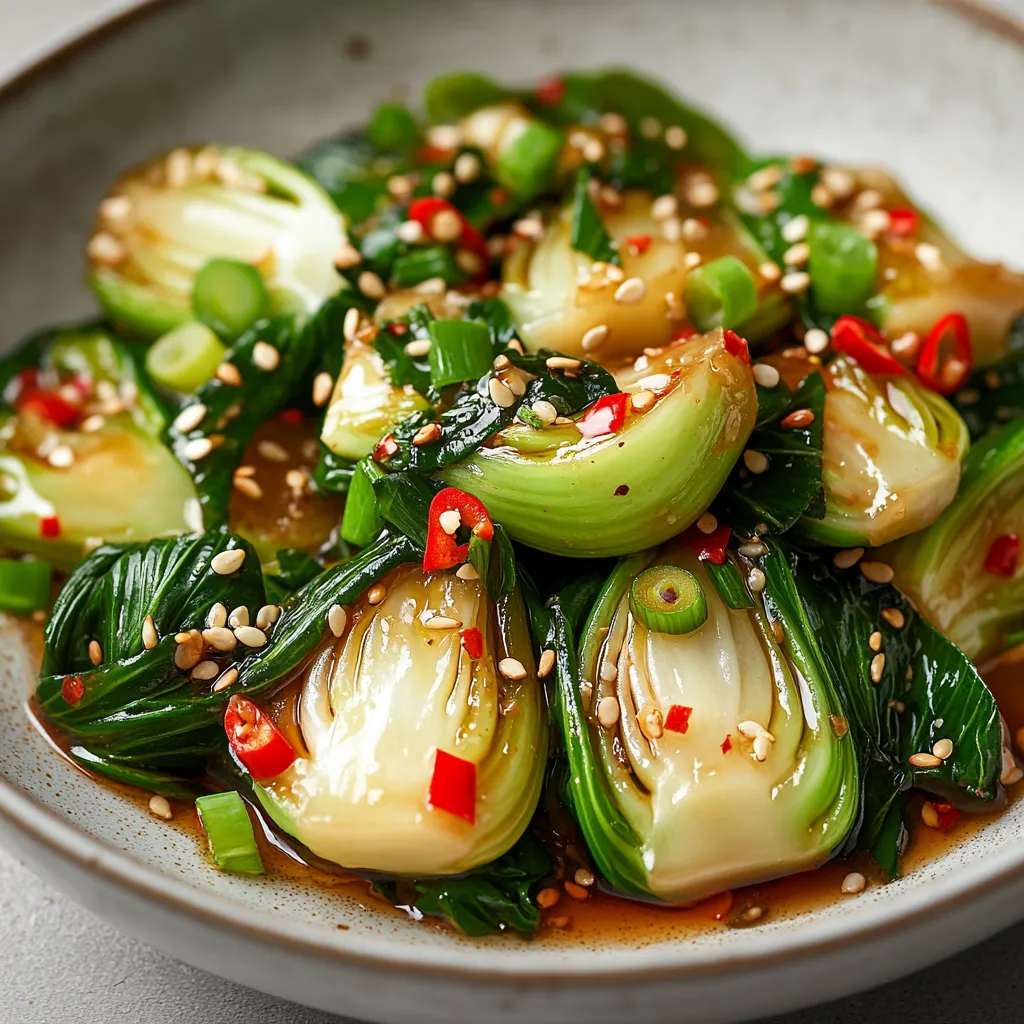
Spicy Ginger Bok Choy Delight Recipe
Introduction
Bok choy, a staple in Asian cuisine, boasts a unique, crisp texture and a subtle flavor that pairs beautifully with various ingredients. Its versatility and health benefits make it a popular choice not only in traditional dishes but also in modern recipes that seek to balance flavor and nutrition. Packed with vitamins A and C, bok choy is an excellent source of dietary fiber and antioxidants, making it a powerhouse ingredient in any meal.
In this Spicy Ginger Bok Choy Delight, we embrace the natural essence of baby bok choy while adding layers of bold flavors from fresh ginger, aromatic garlic, and the zesty heat of red chili peppers. This dish is not only visually appealing but also a wholesome addition to any dining table. Whether served as a side dish or a vibrant main course over rice, this recipe highlights how simple yet flavorful ingredients can come together to create something truly delightful.
When you take the time to prepare this dish, you’re not just cooking; you’re crafting an experience that heightens your senses. The spicy and savory elements meld wonderfully to give each bite a captivating taste, inviting you to savor every moment. This is a perfect choice for a weeknight dinner or a special gathering, ensuring your guests will be impressed by your culinary skills.
Recipe Overview
– Total Time: 15 minutes
– Yield/Servings: Serves 4
– Difficulty: Not specified in the recipe
This Spicy Ginger Bok Choy Delight recipe incorporates key ingredients that not only enhance flavor but also contribute to health benefits. The combination of fresh ginger and garlic offers anti-inflammatory properties, while the addition of honey adds a touch of sweetness, balancing the overall flavor profile. This dish can be enjoyed on its own or served alongside your favorite protein, making it a versatile option for various occasions.
Ingredients
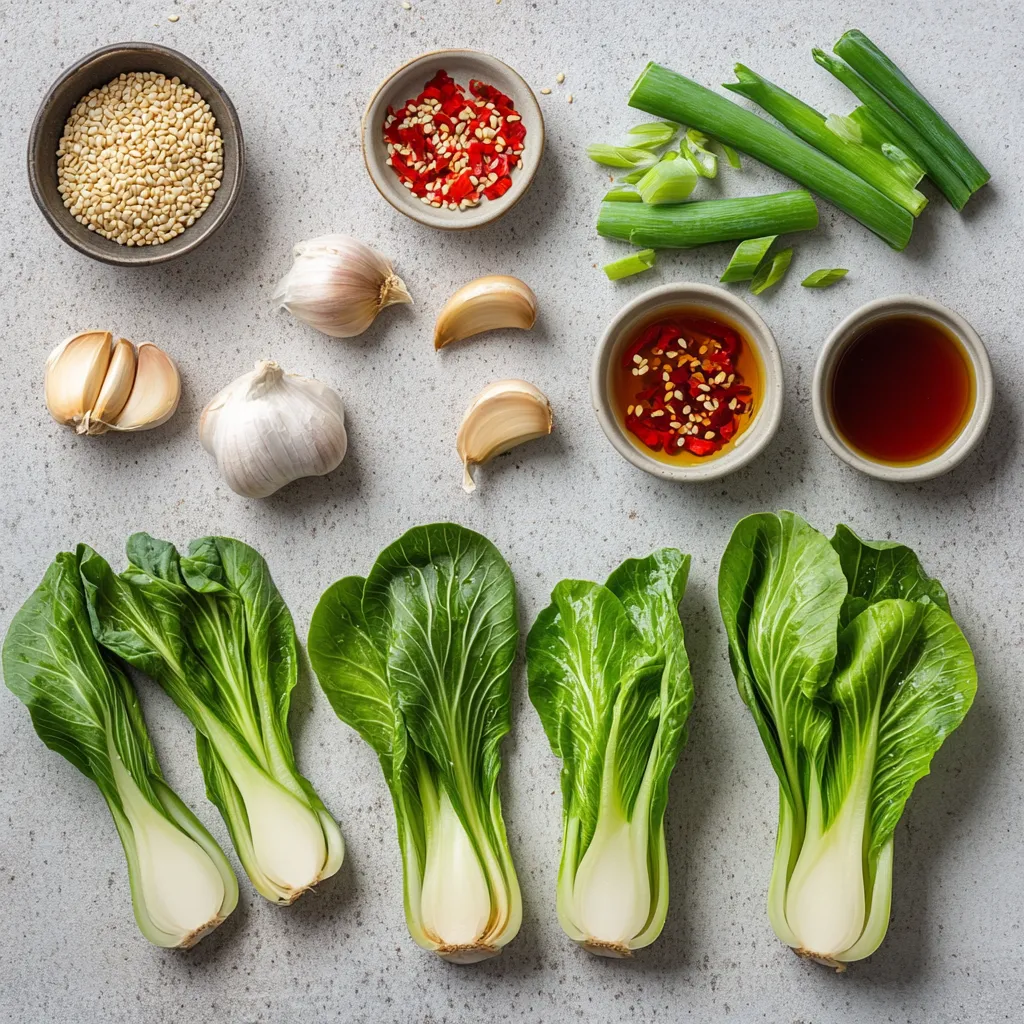
– 1 lb baby bok choy, halved
– 2 tablespoons extra virgin olive oil
– 3 cloves garlic, finely minced
– 1 tablespoon fresh ginger, freshly grated
– 1-2 red chili peppers, finely chopped (adjust to your preferred spice level)
– 2 tablespoons low-sodium soy sauce
– 1 tablespoon rice vinegar
– 1 teaspoon sesame oil
– 1 tablespoon honey (or maple syrup for a vegan alternative)
– Sesame seeds, for garnish
– Chopped green onions, for garnish
The quality and freshness of each ingredient play a crucial role in maximizing the dish’s flavor. Opting for fresh garlic and ginger adds vibrancy and aromatic punch, while baby bok choy provides a tender crunch, creating a delightful contrast in texture. For those with dietary restrictions, the recipe allows for flexibility with the use of honey or maple syrup, catering to both traditional and vegan preferences.
Instructions
1. Begin by thoroughly rinsing the baby bok choy under cold running water to eliminate any dirt or grit. Cut each bok choy in half lengthwise and set them aside for later use.
2. In a large skillet or wok, heat the extra virgin olive oil over medium-high heat. Once the oil is shimmering, add the minced garlic, freshly grated ginger, and finely chopped red chili peppers. Sauté the mixture for about 1-2 minutes until it becomes aromatic, taking care not to let the garlic burn.
3. Carefully place the bok choy in the skillet, cut side down. Allow it to cook for 2-3 minutes, or until the leaves start to wilt and the stems become tender yet crisp.
4. In a small mixing bowl, whisk together the low-sodium soy sauce, rice vinegar, sesame oil, and honey until the ingredients are well incorporated. Pour this flavorful sauce over the bok choy, gently tossing to ensure all pieces are evenly coated. Continue cooking for an additional 1-2 minutes to warm through.
5. Once done, remove the skillet from heat and transfer the bok choy onto a serving platter. Generously sprinkle sesame seeds and chopped green onions on top for a fresh and vibrant finish.
6. Serve the dish immediately as a delightful side or over a bed of rice for a wholesome meal. Savor the bold flavors of your Spicy Ginger Bok Choy Delight!
Preparation Steps
To start, the first step in preparing the Spicy Ginger Bok Choy Delight is thorough rinsing. It is essential to wash the baby bok choy under cold running water to rid it of any dirt or grit. This step is often overlooked but is crucial for leafy greens, which can trap soil in their folds. After washing, cut the bok choy in half lengthwise; this technique not only allows for better cooking but also helps the bok choy absorb the flavors from other ingredients. Proper cutting ensures that the halves cook evenly, allowing for a perfect balance of tenderness and crispness.
Next, transferring the bok choy to a large skillet or wok is paramount. The use of extra virgin olive oil adds a richness to the dish and enhances the overall flavors. By heating the oil over medium-high heat, you ensure it’s ready for the next step. An effective way to check if the oil is hot enough is to watch for slight shimmering or ripples on the surface. This preparatory work sets the stage for the aromatic sautéing phase, which elevates the dish’s flavor profile significantly.
In cooking the bok choy, the cut side down technique is an essential step. This method promotes browning and caramelization, leading to the development of deep, complex flavors. Monitoring the cooking time here is crucial; you want the bok choy to wilt without losing its crispness. Signs that the bok choy is perfectly cooked include wilted leaves and tender stems—indicative of a delightful crunch that pairs well with the spicy dressing.
Sautéing Aromatics
Sautéing the aromatics in this recipe is what transforms the dish into a flavor-packed delight. Begin by observing the changes in the oil as you add the minced garlic, ginger, and red chili peppers. The olive oil should shimmer, indicating that it’s hot enough to release the essential oils from each aromatic ingredient. The combination of these three ingredients creates a rich and inviting scent, filling your kitchen with warmth and anticipation for the dish ahead.
Timing is critical when sautéing; garlic in particular can burn easily, which would impart a bitter flavor to the dish. It’s advisable to keep a close eye and stir continuously for about 1-2 minutes. As the ingredients mingle, they begin to release their vibrant flavors into the oil, creating a delightful foundation for the bok choy. This careful attention ensures that the spiciness of the chili peppers infuses the dish without overwhelming it, allowing the other flavors to shine through.
The aromatic properties of garlic and ginger, known for their health benefits, also contribute to the dish’s overall appeal. Garlic is celebrated for its immune-boosting qualities, while ginger provides a warming effect, making this dish not only delicious but also nourishing. Therefore, managing the sautéing time and temperature effectively ensures that these benefits are preserved as you create a sumptuous meal.
Cooking the Bok Choy
Once the aromatics are perfectly sautéed, it’s time to introduce the bok choy into the skillet. Placing the bok choy cut side down is paramount as it allows for optimal contact with the hot surface of the skillet. This method encourages the leaves to wilt beautifully while the stems retain a delightful crunch, creating an appealing texture dynamic.
The importance of monitoring cooking time cannot be overstated in this recipe. Typically, bok choy should cook for about 2-3 minutes, longer than that can lead to mushiness, which detracts from the texture that this dish aims to achieve. Observing the bok choy closely during this period is vital; you’re looking for the leaves to begin wilting and the stems to leave tender yet crisp.
Once the desired doneness is achieved, combining the sauce—made of low-sodium soy sauce, rice vinegar, sesame oil, and honey—enhances the overall flavor experience. The sauce serves to glaze the bok choy, imparting a unique, savory depth that elevates every bite. Thus, finishing with this delicious mixture ensures the bold flavors are encapsulated evenly on each piece of bok choy, leaving you with a harmonious balance of heat, sweetness, and umami.
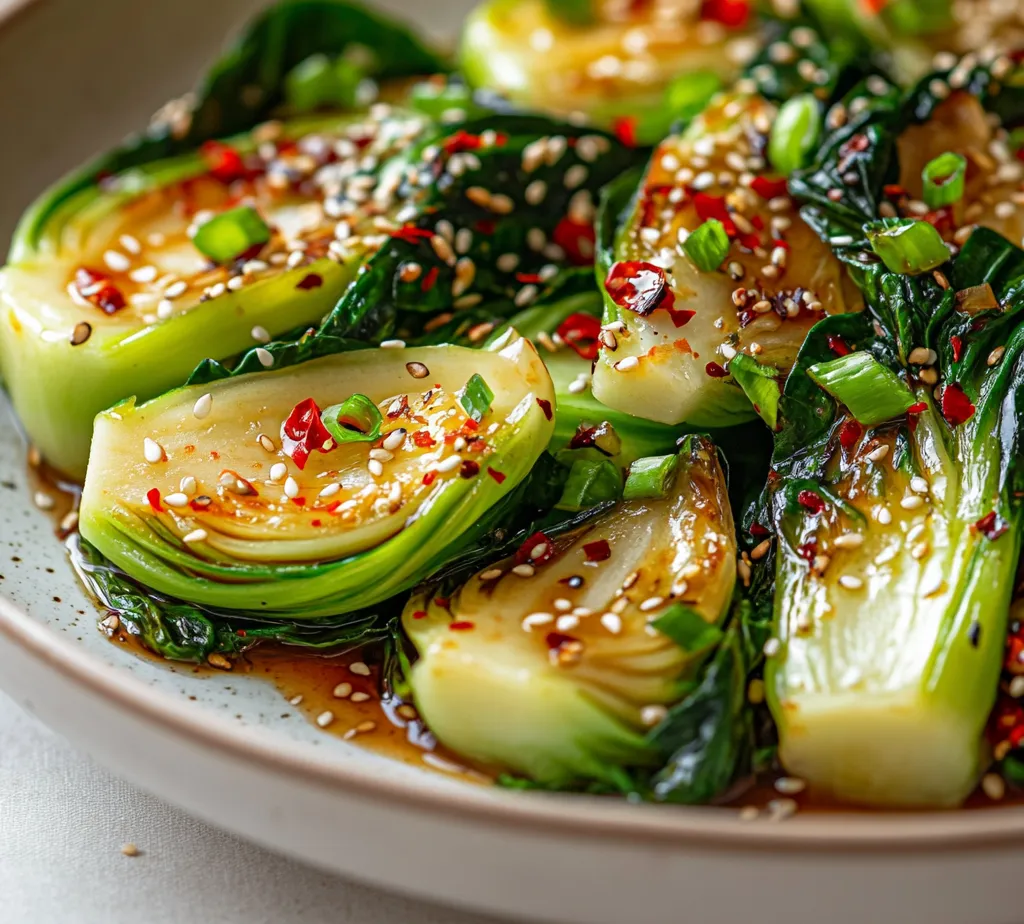
Adjusting Soy Sauce and Vinegar for Personal Taste
The combination of soy sauce and rice vinegar serves as the backbone for the savory aspect of the Spicy Ginger Bok Choy Delight. However, individual taste preferences may vary. If you prefer a sweeter flavor, consider increasing the honey slightly; this will not only balance the saltiness of the soy sauce but also enhance the overall depth of the dish. Conversely, for a sharper kick, a little more rice vinegar can bring out a tangy underpinning, balancing the richness of the olive oil and sesame oil.
Incorporating the Sauce into the Dish
To achieve maximum flavor absorption, it is crucial to incorporate the sauce at the right moment. After cooking the bok choy for a few minutes, waiting until it’s partially tender allows the vegetable to soak in the sauce’s flavors more effectively. When pouring the sauce over the vegetables, consider tilting the skillet slightly to allow the liquid to pool. Gently toss the bok choy to ensure that all surfaces are coated without breaking the delicate leaves.
Techniques for Even Distribution of Sauce
To ensure an even distribution of the sauce, use a spatula to efficiently stir the bok choy while maintaining its shape. You can also use tongs; grasp the bok choy and lift it, allowing the sauce to drizzle back into the pan. This technique allows for even coverage without mashing or crushing the leaves, preserving the elegant texture of the dish.
Effects on Flavor Profile with Additional Cooking
If you choose to extend the cooking time once the sauce is added, be mindful that this may intensify the flavors. The garlic and ginger can become stronger, altering the overall flavor profile. While this can lead to a bolder dish, overcooking can diminish the freshness of the bok choy. It is ideally served when the leaves remain vibrant and tender yet maintain a crisp bite.
Garnishing
Using Sesame Seeds for Texture
Sesame seeds elevate the visual appeal and texture of the Spicy Ginger Bok Choy Delight. Their delicate crunch adds a pleasant contrast to the tender greens. When choosing sesame seeds, consider lightly toasting them in a dry pan for a minute before garnishing. This not only enhances their flavor but also deepens the color, giving your dish an added layer of allure.
Nutritional Benefits of Sesame Seeds
In addition to their delightful crunch, sesame seeds are packed with nutrients, including calcium, iron, and magnesium. They also possess healthy fats and antioxidants, making them a beneficial addition to your diet. Incorporating sesame seeds into your meals can boost overall nutrition while providing a nutty flavor that complements many dishes.
Different Ways to Use Seeds in Garnishing
While sesame seeds are classic for Asian-style dishes, various seeds can also work well. For instance, sunflower seeds or chopped nuts can add a different texture and flavor. If you’re aiming for a more unique garnish, consider using pumpkin seeds, which will offer a slightly sweeter note while maintaining a satisfying crunch.
Green Onions for Color and Flavor
Chopped green onions add an appealing brightness to Spicy Ginger Bok Choy Delight. Their vibrant green color not only enhances presentation but also introduces a mild onion flavor that harmonizes with the dish’s spiciness. The use of both white and green parts creates visual interest, while their crisp texture offers delightful contrasts with the soft bok choy.
How Green Onions Elevate the Dish Visually
Sprinkling the dish with chopped green onions right before serving creates a fresh and inviting appearance. Their bright hue and height when cut give the dish a lift, making it visually tantalizing. Consider slicing the green onions at varying lengths to create a more dynamic and attractive garnish.
Alternatives to Green Onions for Garnishing
If green onions aren’t available, alternatives such as finely chopped chives or parsley can provide similar visual appeal and a fresh flavor. Mint can also work, although it will alter the flavor profile slightly. In a pinch, a dash of freshly grated lemon zest can add brightness and enhance the dish’s aromatic quality.
Serving Suggestions
Ideas for Side Dish Pairings
Spicy Ginger Bok Choy Delight makes an excellent side dish for a variety of meals. Consider pairing it with grilled proteins like chicken, shrimp, or tofu to create a well-rounded meal. It also pairs beautifully with other Asian-inspired dishes such as stir-fried noodles or Asian-style rice bowls that unite similar flavors.
Complementary Flavors that Enhance the Dish
To enhance the flavors of the Spicy Ginger Bok Choy Delight, consider serving it alongside dishes featuring soy, ginger, or garlic. A side of teriyaki chicken or sesame-crusted salmon would complement the dish’s profile. Alternatively, a citrus-based salad can provide a refreshing contrast.
Serving Over Rice Options
Serving the bok choy over rice creates a satisfying and wholesome meal. Jasmine or basmati rice works well because of their fragrant qualities, but feel free to use brown rice or quinoa for a nutritious alternative. The rice absorbs the sauce’s flavors, melding beautifully with the spicy and savory notes of the bok choy.
Presentation Techniques
How to Create an Appealing Arrangement
For an attractive presentation, arrange the bok choy halved in a circular or fan-like pattern on the serving platter. Drizzle with a bit of sauce for gloss and visual interest before adding sesame seeds and green onions. This organized approach makes the dish more enticing and highlights the vibrant colors of the ingredients.
Affordable Serving Dish Ideas for Different Occasions
When hosting, consider using white dinnerware to let the colorful dish shine. A rustic wooden platter can add warmth for casual meals, while an elegant glass or ceramic dish lends sophistication for formal occasions. Ultimately, the choice of serving dish can enhance your meal’s aesthetic without overspending.
Nutritional Information
Breakdown of Macronutrients Per Serving
The Spicy Ginger Bok Choy Delight per serving is relatively low in calories, making it a healthy addition to any diet. Estimated macronutrients include approximately 100 calories, with 3 grams of protein, 8 grams of fat, and 9 grams of carbohydrates. This dish is an excellent source of dietary fiber, particularly from the bok choy.
Health Benefits of Bok Choy and Ginger
Bok choy is bursting with vitamins A, C, and K, making it a fantastic option for maintaining a healthy immune system and skin health. It is also rich in calcium, promoting strong bones. Ginger is known for its anti-inflammatory properties and aids in digestion, making this dish not only delicious but also functional.
Comparison with Other Greens and Vegetative Sides
Compared to other leafy greens, bok choy stands out for its unique flavor and nutritional profile. It provides a heartier texture than spinach or lettuce while being lower in calories, making it a great choice for those watching their caloric intake. Its ability to absorb flavors from spices and sauces also allows it to shine in a variety of dishes.
Storage Tips
Proper Storage for Leftovers
To maintain the freshness of leftovers, store the Spicy Ginger Bok Choy Delight in an airtight container in the refrigerator. It is best consumed within 2-3 days for optimal texture and flavor. Ensure the container is not overcrowded to minimize moisture accumulation.
Guidelines for Refrigeration to Maintain Freshness
When refrigerating, allow the dish to cool to room temperature before sealing to prevent condensation buildup, which can lead to sogginess. Keep in mind the bok choy may soften slightly during storage, but it should retain its flavor if stored properly.
Reheating Methods for Optimal Texture
Reheat leftovers on the stove over low heat, stirring gently to avoid overcooking the bok choy. Alternatively, you can microwave them in short intervals (30 seconds) until warmed through. Be cautious, as reheating too long can lead to mushy greens.
Tips for Meal Prep with Bok Choy
When preparing meals ahead of time, consider washing and cutting bok choy but wait to cook until closer to serving. This approach ensures maximum freshness and retains its crisp texture. You can also group ingredients in separate containers to speed up the cooking process.
Bulk Preparation and Variation Options
While bok choy is delicious, feel free to experiment with batch cooking different vegetables that can be mixed in to create variety, such as snap peas or bell peppers. These can be added during the sauté process for added flavor and texture without compromising the primary recipe.
Common Mistakes to Avoid
Issues with Overcooking Bok Choy
Overcooking bok choy can lead to a mushy texture and a muted flavor profile. It’s important to keep an eye on the cooking time as described in the instructions. The goal is to achieve tender greens without losing their signature bite.
How to Identify Overcooked Greens
If your bok choy turns a dull olive green or begins to collapse, it indicates overcooking. The leaves should be vibrant with a crisp texture. Pay close attention during the sautéing process to ensure optimal doneness.
Best Practices for Preventing Mushiness
Maintain the heat at medium-high for the sautéing process. Cooking in smaller batches may allow for even, rapid cooking, preventing overcrowding of the pan, which can cause the bok choy to steam instead of sauté.
Balancing Spice Levels
If you’re sensitive to spice, adjust the amount of red chili pepper according to your preference. Remember that seeds can intensify the heat, so thoroughly removing the seeds will help in managing the spiciness.
Tips for Adjusting Heat Based on Preference
Consider taste testing the dish before adding the sauce; this will enable you to control the spice level better. Incorporate additional chili pepper gradually to avoid overpowering the dish.
Handling Spicy Ingredients Correctly
When working with red chili peppers, it’s advisable to wear gloves while chopping to avoid skin irritation. Wash your hands thoroughly afterward, especially before touching your face or eyes.
Conclusion
Spicy Ginger Bok Choy Delight offers a vibrant, flavorful experience that melds spice and freshness beautifully. This quick dish can be a versatile addition to any meal, providing a satisfying texture and taste in just 15 minutes. The balance of savory and spicy notes makes it a standout side or a light main course over rice.
Spicy Ginger Bok Choy Delight Recipe
Ingredients
- 1 lb baby bok choy
- 2 tablespoons extra virgin olive oil
- 3 cloves garlic
- 1 tablespoon fresh ginger
- 1-2 pieces red chili peppers
- 2 tablespoons low-sodium soy sauce
- 1 tablespoon rice vinegar
- 1 teaspoon sesame oil
- 1 tablespoon honey
- sesame seeds
- chopped green onions
Instructions
- Rinse the baby bok choy under cold water and halve them lengthwise.
- Heat olive oil in a skillet over medium-high heat.
- Add minced garlic, grated ginger, and chopped chili peppers; sauté for 1-2 minutes.
- Place bok choy cut side down in the skillet and cook for 2-3 minutes.
- Whisk together soy sauce, rice vinegar, sesame oil, and honey in a bowl.
- Pour the sauce over the bok choy and toss gently.
- Cook for an additional 1-2 minutes to warm through.
- Transfer to a serving platter and garnish with sesame seeds and green onions.
- Serve immediately as a side or over rice.