
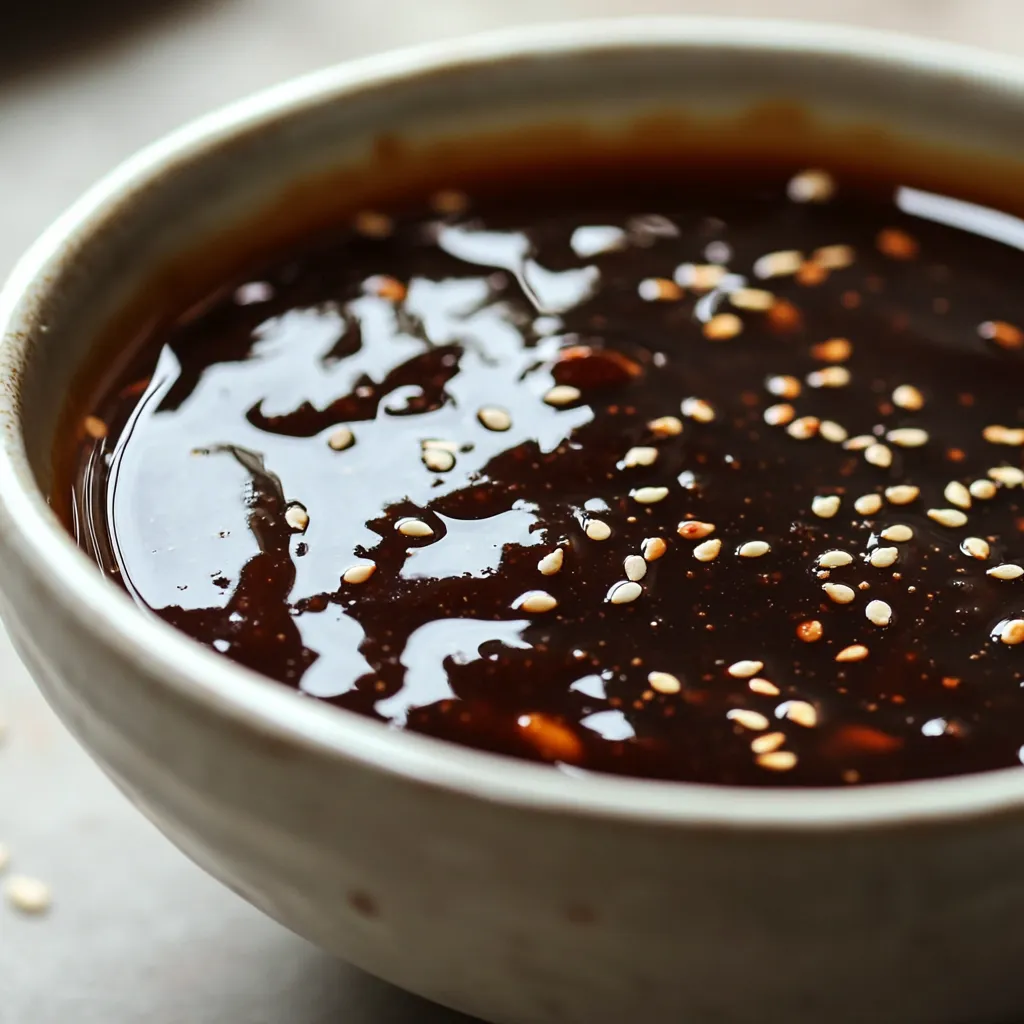
Savory Teriyaki Sauce Recipe
Introduction
The delightful balance of sweet, salty, and umami flavors in teriyaki sauce makes it a beloved addition to many dishes. This savory teriyaki sauce recipe is quick and easy to prepare, offering a homemade alternative that enhances everything from grilled chicken to stir-fried vegetables. In just 15 minutes, you can create a versatile sauce that elevates your meals and satisfies your taste buds.
Teriyaki sauce is commonly associated with Asian cuisine, where it serves as a marinade, glaze, or dipping sauce. It is particularly popular for grilling meats, complementing the flavors with a rich, glossy finish. Whether you are whipping up a weekday dinner or preparing for a weekend barbecue, this simple sauce will add an exceptional touch to your culinary creations.
The versatility of teriyaki sauce extends beyond just a condiment; it can be blended into various dishes, making it an all-round winner in the kitchen. Not only is this recipe easy to follow, but it also uses readily available ingredients, making it accessible for home cooks at any skill level.
Recipe Overview
This section covers the essential elements of the teriyaki sauce recipe, including prep and cook time, yield, and the versatility of the sauce.
Preparation and Cooking Timings
– Total Time: 15 minutes
– Prep Time: 5 minutes
– Cooking Time: 10 minutes
Yield Information
– Approximately: 1 cup of sauce
Versatility of Teriyaki Sauce
– Uses in Various Dishes: Teriyaki sauce can be used to enhance grilled meats, vegetables, rice bowls, and even salads. The sweet and savory profile pairs well with proteins, making it an excellent choice for marinades.
– Ideal for Marinades, Glazes, and Dipping Sauces: The sauce not only works great as a glaze for meats but also makes for a tasty dipping sauce for appetizers like spring rolls or dumplings.
Ingredients
A detailed breakdown of each ingredient used in the recipe, emphasizing their roles and significance in the flavor profile.
– Soy Sauce: The base of the teriyaki sauce, providing a salty umami flavor that is essential in Asian cuisine. The quality of soy sauce can greatly influence the taste of your sauce; opt for high-quality brands for the best results.
– Brown Sugar: This ingredient enhances the sauce’s sweetness while contributing depth and color. Brown sugar contains molasses, which adds a rich flavor profile that balances the saltiness of the soy sauce.
– Honey: Serving as a natural sweetener, honey brings a complexity of flavors that enriches the teriyaki sauce. It adds a distinct floral note that complements the other flavors beautifully.
– Rice Vinegar: This ingredient introduces tangy notes, balancing the sweetness and saltiness. Rice vinegar’s mild flavor makes it an ideal choice, as it does not overpower the dish.
– Sesame Oil: A few drops of sesame oil impart a nutty flavor that enhances the overall taste. Depending on the type used, it can be either toasted or regular, with toasted offering a deeper flavor.
– Garlic: Freshly minced garlic provides aromatic depth and contributes to a well-rounded flavor, enhancing the savory notes of the sauce.
– Ginger: Grated fresh ginger adds zest and warmth, complementing the richness of the other ingredients while also providing health benefits.
– Cornstarch: This ingredient is used to thicken the sauce, making it less watery and more viscous, allowing it to cling beautifully to whatever it coats.
– Cold Water: Mixed with cornstarch to create a slurry, this helps to achieve the desired thickness of the sauce.
– Optional: Sesame Seeds: These can be sprinkled on top as a garnish. They add a crunchy texture and a slightly nutty flavor, enhancing both the visual appeal and taste of the dish.
Soy Sauce
The importance of quality soy sauce cannot be overstated. Regular soy sauce offers a bold flavor, while low-sodium versions allow for more control over the saltiness of the dish. In a savory sauce like teriyaki, the quality directly affects the overall flavor profile. Choosing a naturally brewed variety typically yields better taste and depth.
Brown Sugar
The role of brown sugar in this recipe goes beyond just sweetening; it adds body and caramel color to the sauce. When cooked, the sugar melts and melds with the other ingredients, creating a rich, cohesive flavor. Additionally, it contributes to the glossy finish that is characteristic of well-crafted teriyaki sauce.
Honey
Using honey not only adds sweetness but also provides a unique fusion of flavors that can vary depending on its source. From wildflower to clover, different types of honey bring different nuances to the sauce, enriching it and adding to its complexity.
Rice Vinegar
Rice vinegar, with its mild tang, stands out in this sauce by balancing the sweet profiles of honey and brown sugar. Compared to other vinegar types, such as apple cider or white wine vinegar, rice vinegar yields a smoother taste that is essential for a well-balanced teriyaki sauce.
Sesame Oil
The nutty flavor of sesame oil elevates the taste of the sauce. While both regular and toasted varieties offer unique taste profiles, toasted sesame oil is generally preferred for its strong aroma and flavor. A little goes a long way, ensuring the sauce remains rich and flavorful.
Garlic and Ginger
Fresh garlic and ginger enhance the teriyaki sauce by bringing brightness and aromatic qualities. Both ingredients are well-regarded for their health benefits as well, providing antioxidants while adding layers of flavor that permeate the entire sauce.
Cornstarch and Water Mixture
The purpose of cornstarch in this recipe is to thicken the sauce to a desirable consistency. When combined with cold water, it forms a slurry that prevents clumping when added to the warm sauce. This method is pivotal in achieving the perfect thickness without compromising flavor.
Optional Toppings
Lastly, while sesame seeds are optional, they serve as a perfect finishing touch. Not only do they add visual appeal, but they also provide a slight crunch and nutty flavor that can elevate the entire dish, making your homemade teriyaki sauce not just a cooking element but a centerpiece of your meal.
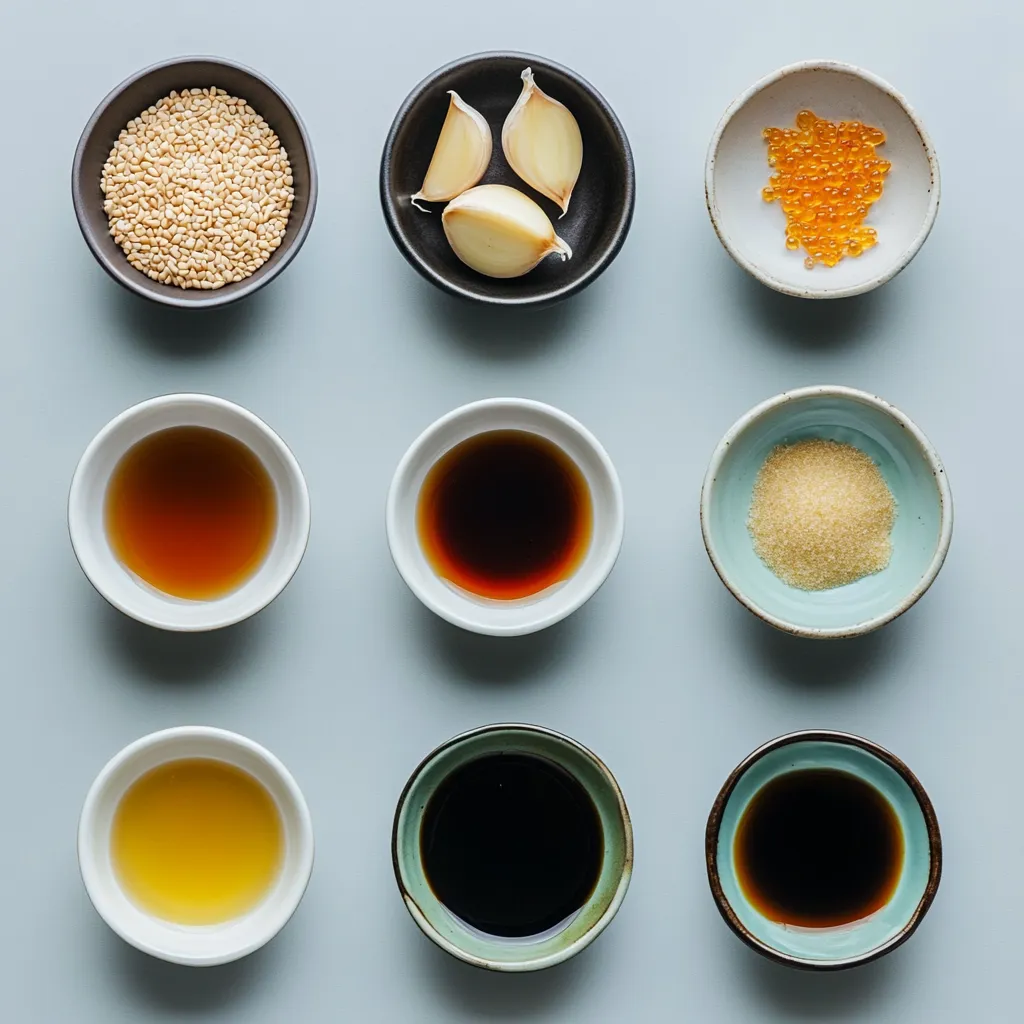
Steps for Making Savory Teriyaki Sauce
A comprehensive guide to the cooking process, broken down into precise steps for clarity.
Combining the Ingredients
Start by taking a medium-sized saucepan and adding in the soy sauce, brown sugar, honey, rice vinegar, sesame oil, minced garlic, and grated ginger. It is crucial to mix these ingredients thoroughly to ensure they incorporate well, allowing the flavors to meld perfectly. A good mix addresses any clumps of sugar and fully dissolves the ingredients together.
Heating the Mixture
Once combined, place the saucepan over medium heat. Begin bringing the mixture to a gentle simmer, stirring occasionally. This prevents the sauce from sticking to the bottom of the pan and allows the flavors to develop as it heats up. The goal here is to result in a steady simmer and not a rolling boil.
Preparing the Thickening Agent
While the sauce is heating, take a separate small bowl and whisk together the cornstarch and cold water until you achieve a smooth consistency. This mixture will serve as the thickening agent for your sauce. Ensuring there are no lumps early on guarantees a smooth texture in the final product.
This detailed guide lays the foundation for creating a savory teriyaki sauce that is both delicious and versatile.
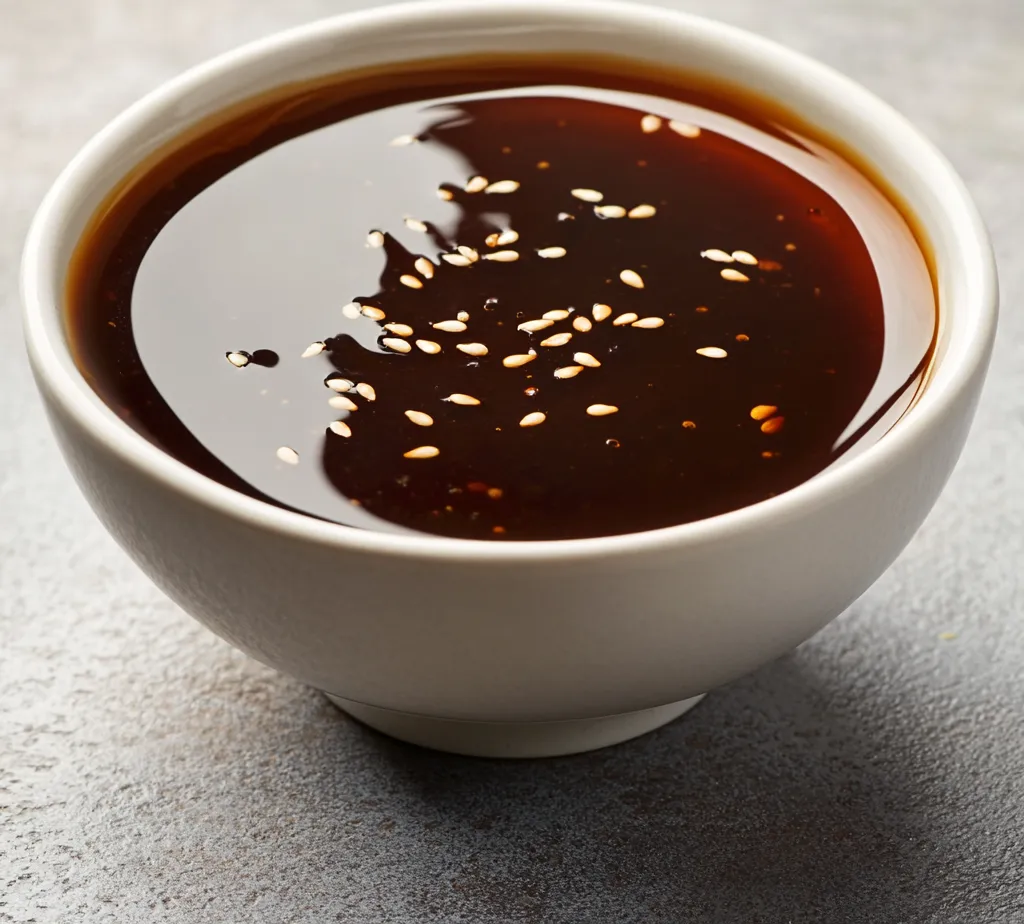
Importance of achieving a smooth consistency
Creating a smooth consistency in your teriyaki sauce is crucial for an appealing texture and mouthfeel. It ensures that each component of the sauce is well incorporated so that flavors blend seamlessly, providing a balanced taste. Any lumps or graininess can detract from the overall experience, making your dish less enjoyable. Emphasizing this smoothness can elevate your sauce from ordinary to extraordinary, enhancing every meal it accompanies.
Thicken the Sauce
Step-by-step process for adding the cornstarch mixture to the saucepan
Once your teriyaki sauce reaches a simmer, it’s time to incorporate the cornstarch mixture. This step is essential for achieving that signature thick consistency. Slowly pour the cornstarch slurry into the saucepan while stirring constantly with a whisk or wooden spoon. It’s important to pour gradually; this helps to prevent clumping and ensures an even distribution of the thickening agent throughout the sauce.
Timing and stirring techniques for the perfect texture
Continue stirring as you add the cornstarch mixture to activate the thickening agents effectively. Cooking the sauce for an additional 2-3 minutes after adding the slurry is crucial. This brief cooking time allows the cornstarch to thicken the sauce fully; if not stirred properly, you may end up with pockets of thickened cornstarch, resulting in an unfavorable texture. Keep an eye on the sauce—it should become notably thicker yet still pourable.
Cooling the Sauce
Description of how the sauce thickens further upon cooling
Once removed from the heat, the cooling process continues to aid in thickening the teriyaki sauce. As it cools, the starch molecules in the cornstarch will continue to absorb the liquid, leading to a creamier texture. Allow the sauce to cool slightly in the saucepan for about 5 to 10 minutes before transferring it to an airtight container. This cooling step is essential for achieving and maintaining the rich and velvety consistency that makes teriyaki sauce so delicious.
Recommendations for storage options
After cooling entirely, the teriyaki sauce should be stored in an airtight container to preserve its flavor and texture. Depending on the humidity and temperature of your environment, letting the sauce cool at room temperature ensures that condensation doesn’t dilute the flavors.
Serving Suggestions
Exploration of various dishes and occasions to use teriyaki sauce
Savory teriyaki sauce can be utilized in many delightful ways, making it a versatile addition to your culinary repertoire. Its sweet and tangy flavor profile pairs ideally with various proteins, vegetables, and even as a marinade.
Pairing with Proteins
Recommended proteins like chicken, beef, and tofu
When it comes to proteins, teriyaki sauce shines most brightly with chicken, beef, and tofu. Chicken, with its mild flavor, easily absorbs the sauce’s sweetness, making it a top choice for grilling or stir-frying. Beef, whether in the form of strips or meatballs, caramelizes beautifully with teriyaki glaze, highlighting its rich umami. Tofu absorbs flavors exceptionally well, making it an ideal candidate for marinating in teriyaki sauce before cooking.
Cooking methods to complement the sauce
Grilling, stir-frying, and baking are all excellent methods to utilize this sauce effectively. For chicken, marinating for at least 30 minutes before grilling can infuse the meat with incredible flavor. With beef, a quick sauté with teriyaki sauce can transform simple cuts into a gourmet meal. Tofu can be baked or air-fried after marinating for an added crunch, perfect for salads or grain bowls.
Adding to Vegetables
Ideal vegetables to pair with teriyaki sauce
Colorful vegetables such as bell peppers, broccoli, snap peas, and carrots create a delightful dish when tossed in teriyaki sauce. They not only add nutritional value but also enhance the visual appeal of your meal.
Stir-frying and roasting tips for enhanced flavor
Stir-frying vegetables with teriyaki sauce over high heat helps lock in flavors and create a vibrant, crunchy texture. Alternatively, roasting vegetables tossed in teriyaki sauce brings out their natural sweetness and requires less hands-on time, making it a convenient option for busy evenings.
Utilizing in Dips and Marinades
Creative ways to use teriyaki as a dip
Teriyaki sauce can double as a delicious dip for spring rolls, chicken wings, or grilled vegetables. Its sweet and savory flavor makes it an enticing option for parties or casual dinners.
Marinading tips for maximum flavor infusion
For optimal flavor infusion, allow meats to marinate in teriyaki sauce for at least 30 minutes—an overnight soak magnifies the flavor depth even more. Vegetables can also benefit from a brief marinade before grilling or roasting for an explosion of taste.
Storage Guidelines
Essential tips on how to properly store the teriyaki sauce for longevity
Proper storage is key to ensuring the longevity and flavor of your homemade teriyaki sauce.
Refrigeration
How long the sauce lasts in the fridge
When stored in an airtight container, teriyaki sauce will last up to a week in the refrigerator. It’s crucial to ensure that the container is not opened frequently to maintain the optimal flavor and freshness.
Tips for preserving flavor and texture
For the best results, it’s advisable to keep the teriyaki sauce away from strong-smelling foods in the fridge, as it can absorb odors and compromise its own flavor.
Freezing Options
Instructions for freezing the sauce
If you wish to store the teriyaki sauce for a longer duration, it can be frozen. Pour the cooled sauce into an ice cube tray or freezer-safe container, making sure to leave some space for expansion. Once frozen, transfer the cubes into a resealable freezer bag for space-saving storage.
Best practices for thawing and reheating
Thawing can be done overnight in the refrigerator or quickly in the microwave, depending on urgency. When reheating, use the microwave in short bursts or warm it gently on the stovetop, stirring frequently to avoid splitting.
Advanced Tips and Variations
Expand your teriyaki sauce with alternative methods and flavors for versatility
Adding Spices
Suggestions for incorporating additional spices
To elevate the flavor profile of your teriyaki sauce, consider incorporating additional spices. Ground black pepper, allspice, or five-spice powder can provide complexity and depth.
Experimenting with heat, like adding red pepper flakes
For those who enjoy a spicy kick, adding red pepper flakes or sriracha can elevate the sauce into a sweet-spicy delight, complimenting the dish without overshadowing its core sweetness.
Experimenting with Sweeteners
Alternative sweeteners to consider
While brown sugar and honey are staples for sweetness, you may explore alternative sweeteners such as agave syrup, maple syrup, or coconut sugar. These can add unique flavors while keeping the sauce rich and delicious.
Impact on flavor when using maple syrup or coconut sugar
These substitutions might alter the flavor slightly; for example, maple syrup will impart a distinct earthy note, while coconut sugar lends a deeper caramel-like flavor.
Unique Ingredient Swaps
Exploring other vinegar options
Rice vinegar is traditional, but experimenting with apple cider vinegar or white wine vinegar can offer differing degrees of acidity and flavor.
Using alternative oils for a different twist
While sesame oil is a great choice, alternatives like avocado oil or peanut oil may impart unique notes and enhance the overall flavor of the teriyaki sauce, depending on your dish.
Health Benefits of Homemade Teriyaki
Highlighting the health advantages of making teriyaki sauce from scratch
Lower Sugar Content
Comparison to store-bought versions
One of the significant benefits of making teriyaki sauce at home is the ability to control sugar content. Store-bought versions often conceal added sugars that can elevate calorie counts significantly.
Benefits of controlling sugar levels
By using natural sugars like honey or adjusting the amount of brown sugar, you can tailor the sweetness to your preference while creating a healthier alternative.
Fresh Ingredients
Nutritional benefits of fresh garlic and ginger
Using fresh garlic and ginger in your sauce not only enhances the flavor but also provides numerous health benefits, including anti-inflammatory properties and aiding digestion.
Overview of healthier ingredients used
The homemade nature allows you to boost nutritional value, ensuring no preservatives or artificial additives are present in your sauce.
Customizing Ingredients
Addressing dietary needs and preferences
Homemade teriyaki sauce can easily adapt to dietary requirements. Using gluten-free soy sauce, for example, addresses those with gluten sensitivities without sacrificing flavor.
Gluten-free and sugar-free variations
For individuals seeking sugar-free options, consider using sugar substitutes like erythritol or stevia, allowing you to enjoy the same savory teriyaki flavor without the added sugars.
Conclusion
This savory teriyaki sauce brings together a delightful balance of sweet and salty flavors while achieving a rich, velvety texture that enhances any dish. With its quick preparation time and versatility, this homemade sauce can easily adapt to various dietary needs and culinary applications, ensuring an enjoyable experience at mealtimes.
Savory Teriyaki Sauce Recipe
Ingredients
- ½ cup soy sauce
- ¼ cup packed brown sugar
- ¼ cup honey
- 2 tablespoons rice vinegar
- 1 tablespoon sesame oil
- 2 cloves garlic finely minced
- 1 teaspoon fresh ginger grated
- 1 tablespoon cornstarch
- 2 tablespoons cold water
- sesame seeds for garnish
Instructions
- In a medium-sized saucepan, combine the soy sauce, brown sugar, honey, rice vinegar, sesame oil, minced garlic, and grated ginger.
- Mix thoroughly to ensure all ingredients are well incorporated.
- Place the saucepan on medium heat and bring the mixture to a gentle simmer, stirring occasionally.
- In a separate small bowl, whisk together the cornstarch and cold water until smooth.
- Once the sauce simmers, gradually pour the cornstarch mixture into the saucepan while stirring continuously.
- Allow the sauce to cook for an additional 2-3 minutes, stirring, until it thickens.
- Remove the saucepan from heat and let the sauce cool slightly; it will thicken further as it cools.
- Serve warm over your favorite dishes or store in the refrigerator.