

Almond Flour Biscuit Bliss: Gluten-Free Delights
Introduction
Almond flour biscuits offer a wonderful gluten-free alternative to the traditional biscuit, embracing the rich flavor profile and enticing texture that almond flour brings. These biscuits are incredibly versatile, making them perfect for a variety of occasions—whether you want something sweet to accompany your breakfast or a savory option to enhance a dinner meal. Their delightfully nutty flavor pairs well with both sweet and savory toppings, providing endless possibilities in your culinary repertoire.
The beauty of almond flour biscuits lies in their simplicity and ease of preparation. With just a handful of ingredients, you can create biscuits that are not only delicious but also appeal to those looking for healthier options. Whether served warm with a drizzle of honey or alongside a bowl of soup, they are sure to be a hit at your dining table.
Recipe Overview
– Total Time: Approximately 30–40 minutes
– Yield/Servings: Not specified in the recipe
– Difficulty: Not specified in the recipe
Almond flour biscuits feature a unique blend of nutty flavors and a hearty texture that makes them incredibly satisfying. The baking time of 15-20 minutes allows for a golden-brown finish, giving them that perfect crisp outer layer while maintaining a tender, chewy inside. This recipe is approachable for home cooks of all skill levels, allowing anyone to enjoy the benefits of homemade biscuits.
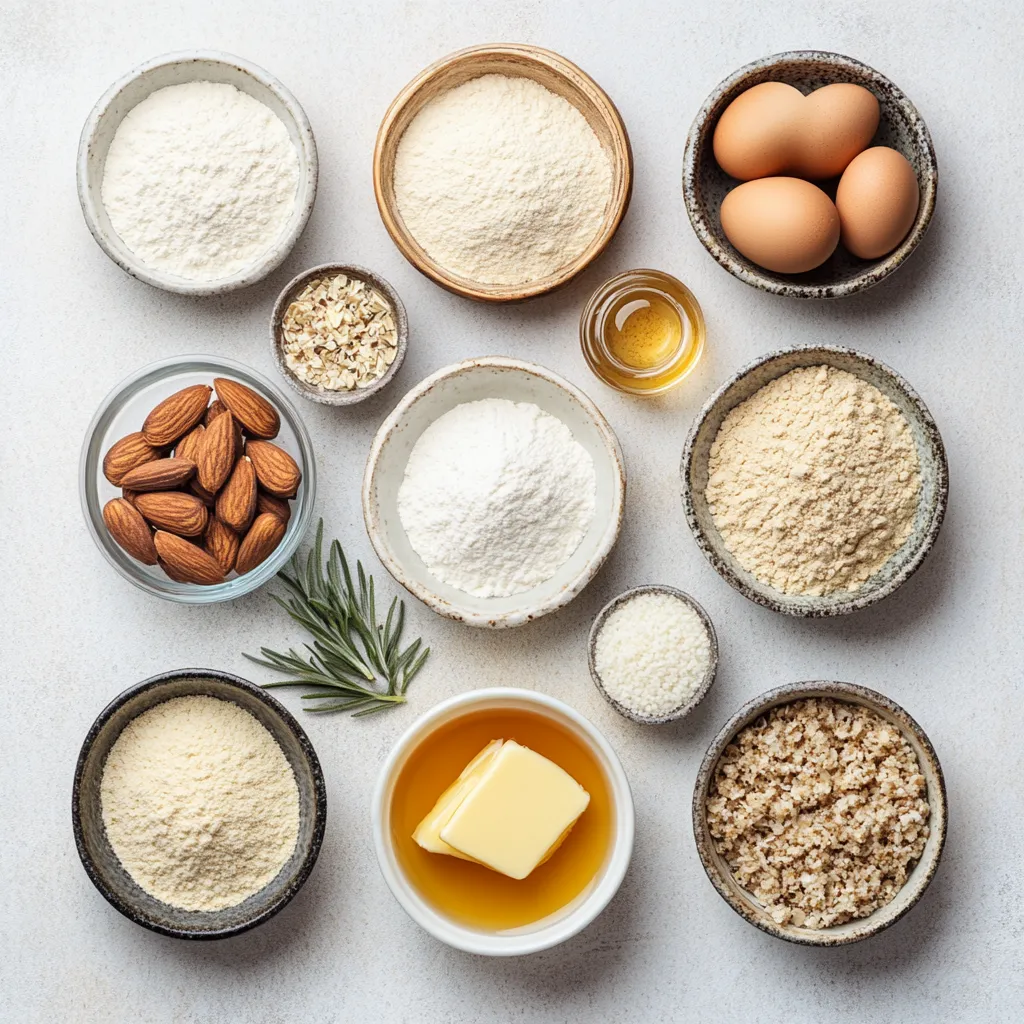
Ingredients
– 2 cups almond flour
– 1/2 teaspoon baking soda
– 1/2 teaspoon baking powder
– 1/4 teaspoon salt
– 1/4 cup unsalted butter, melted (or substitute with coconut oil for a dairy-free option)
– 2 large eggs
– 1 tablespoon honey or maple syrup (optional, for a touch of sweetness)
– 1 teaspoon garlic powder (optional, for a savory kick)
– 1 teaspoon dried herbs (such as rosemary or thyme, optional for added flavor)
Almond Flour
Almond flour is the star ingredient in this recipe, providing a gluten-free base that is both nutritious and flavorful. Composed of finely ground almonds, this flour is rich in healthy fats, minerals, and vitamin E, making it a delightful choice for those seeking healthier alternatives to all-purpose flour. Unlike conventional flour, almond flour offers a slightly sweet and nutty taste, which not only enhances the overall flavor of the biscuits but also contributes to a moist and tender crumb.
Leavening Agents
The inclusion of baking soda and baking powder plays a crucial role in achieving the perfect biscuit texture. Baking soda acts as a base, reacting with the acidity present in ingredients such as honey or maple syrup, to produce carbon dioxide bubbles that help the biscuits rise. Baking powder, on the other hand, contains both an acid and a base that activate when wet, ensuring the biscuits achieve the desired lightness and fluffiness. Together, these leavening agents work synergistically to create biscuits that are both airy and satisfying.
Salt
Salt may seem like a minor component in baking, but it holds a significant role in enhancing flavors. It elevates the natural taste of almond flour, balancing sweetness, and rounding out the flavors present in savory variations of the biscuit. A mere 1/4 teaspoon added to the mixture can elevate the overall flavor profile, ensuring each bite is packed with deliciousness.
Unsalted Butter/Coconut Oil
For this recipe, you have the option to use either unsalted butter or coconut oil. Unsalted butter brings a rich, creamy flavor that is hard to beat, creating a delectable taste that transcends into the biscuits. Alternatively, substituting with coconut oil provides a dairy-free option while imparting a subtly sweet flavor. Both options contribute to the moistness of the biscuits and create a delightful crumb texture.
Eggs
Eggs serve as a binding agent in this recipe, playing an essential role in holding together the various components of the biscuit dough. They also add moisture and richness, contributing to the overall tender texture of the biscuits. This makes the biscuits easier to work with and enhances their structure as they bake.
Sweeteners
You have the option to include honey or maple syrup to introduce a touch of sweetness to your almond flour biscuits. These natural sweeteners can modify the flavor profile, balancing the nuttiness of the almond flour and creating a more complex taste experience. While they are optional, they offer a delightful dimension, especially in sweet variations of the biscuits that can be enjoyed at breakfast or as a snack.
Garlic Powder and Dried Herbs
For those looking to experiment with flavors, garlic powder and dried herbs such as rosemary or thyme can be added to the biscuit dough. These optional ingredients enhance the savory aspect of the biscuits, making them a fantastic accompaniment to soups, stews, or savory spreads. The aroma produced during baking is irresistible, and the combination of garlic and herbs creates a comforting flavor profile that is sure to please any palate.
Instructions
1. Begin by preheating your oven to 350°F (175°C). Line a baking sheet with parchment paper to prevent sticking.
2. In a large mixing bowl, combine the almond flour, baking soda, baking powder, and salt. Whisk these dry ingredients together until they are thoroughly blended.
3. In a separate bowl, whisk together the melted butter, eggs, and honey or maple syrup (if you choose to include it) until well combined.
4. Gradually pour the wet mixture into the bowl of dry ingredients. Stir gently until the mixture is just combined. If you’re adding garlic powder or dried herbs, gently fold them into the dough at this point.
5. Using a spoon or your hands, scoop out portions of dough and roll them into small balls, roughly 1-2 inches in diameter. Place each ball on the prepared baking sheet, leaving some space between them for expansion.
6. Gently flatten each ball with your fingers or the bottom of a glass to create a biscuit shape.
7. Place the baking sheet in the preheated oven and bake for 15-20 minutes, or until the biscuits are golden brown around the edges.
8. Once baked, remove the biscuits from the oven and allow them to cool on the baking sheet for a few minutes before transferring them to a wire rack to cool completely.
Preheating the Oven
Preheating your oven to 350°F (175°C) is an essential first step in baking these almond flour biscuits. This ensures that your biscuits start to cook evenly from the moment they go in, which is crucial for achieving that golden-brown exterior and tender inside. Additionally, lining the baking sheet with parchment paper is a simple yet effective way to prevent sticking, making the biscuit transfer seamless once baked.
Mixing Dry Ingredients
When combining the dry ingredients, it’s important to whisk them together thoroughly. This activity ensures that the baking soda, baking powder, and salt are evenly distributed throughout the almond flour, which is vital for consistent rising and flavor in each biscuit. Take care to avoid clumping, as this could lead to uneven textures in the final product.
Incorporating Wet Ingredients
In a separate bowl, whisking the melted butter, eggs, and optional sweeteners together creates a smooth mixture that binds well with the dry ingredients. It’s crucial to blend these wet ingredients thoroughly to avoid any pockets of unmixed butter which could affect the consistency of your final biscuits.
Combining Mixtures
When it’s time to bring together the wet and dry ingredients, do so gently to avoid overworking the dough. Overmixing might result in denser biscuits, contrary to the light and fluffy texture desirable in this recipe. The goal is to mix until just combined, allowing for any optional ingredients like garlic powder or herbs to be folded in afterward, ensuring they are well integrated for an even flavor throughout.
Shaping the Biscuits
Shaping these almond flour biscuits is both a fun and rewarding process.
Portioning Dough
Accurately scooping out the biscuit dough into small balls is key for ensuring even cooking and consistent size. A spoon or even your hands can be used for this, as long as the portions are roughly 1-2 inches in diameter. Space them out on the baking sheet to allow for expansion while they bake; this will help maintain their shape and texture without crowding each other.

Flattening the Dough
Achieving the perfect biscuit shape is crucial for both aesthetics and baking consistency. When rolling out the dough into balls, aim for uniformity in size—approximately 1 to 2 inches in diameter. This will not only ensure even cooking but will also provide a pleasing presentation. To flatten the dough, you can use your fingers or the bottom of a glass. When pressing down, try to create patties that are about ½ to ¾ inch thick. This thickness allows for the biscuits to rise beautifully while still achieving a slight crispness on the outside and a tender, chewy texture on the inside. The broader surface area helps with even baking, allowing more contact with the hot air of the oven, which promotes that sought-after golden-brown crust.
Baking the Biscuits
Baking is where the magic really happens with these almond flour biscuits. The process transforms simple ingredients into a delicious treat with a comforting aroma.
Baking Time
Monitoring the doneness of the biscuits is essential, as baking times can vary based on your oven and the thickness of your biscuits. The suggested baking time is between 15-20 minutes, but keep an eye on visual cues. The edges should turn a lovely golden brown while the centers should look set but slightly soft. A good rule of thumb is to poke the center lightly with your finger; if it springs back, they are baked to perfection. If the edges are brown but the center appears undone, bake for an additional 2-3 minutes, but be careful not to overbake as that can lead to a dry biscuit.
Cooling Process
Once the biscuits are out of the oven, patience is key. Allow them to cool on the baking sheet for about 5 minutes. This resting period helps set the structure without falling apart. Then, transfer them to a wire rack, which promotes even cooling and prevents the bottoms from becoming soggy. If you are tempted to bite into them right away, note that the texture and flavor improve once they have cooled slightly, allowing the flavors to settle.
Serving Suggestions
These almond flour biscuits can elevate your meal or serve as a delightful snack on their own.
Enjoying Warm
Serving the biscuits warm enhances their flavor and texture. The warmth releases the buttery aroma, creating an inviting ambiance. Pair them with a tantalizing herbed butter spread or simply serve them as is. Their soft interior and slightly crisp exterior balance beautifully with the heat, delivering a warm and comforting experience.
Creative Pairings
Enhance your biscuit experience by pairing them with thoughtful accompaniments. For a savory take, herbed butter made from softened butter mixed with chopped fresh herbs, like chives or dill, brings a fresh, aromatic lift that complements the nutty flavor of almond flour. Alternatively, drizzling warm honey or maple syrup on top adds a hint of sweetness that contrasts nicely with the savory flavors, especially if you opted to include garlic powder or herbs in your biscuit. These combinations create diverse taste experiences, making each bite exciting.
Storage Tips
Proper storage ensures your biscuits maintain their delightful freshness and texture.
Short-term Storage
If you plan to enjoy your biscuits over the next few days, store them in an airtight container at room temperature. This helps retain moisture, keeping them soft and chewy. Layering parchment paper between the biscuits can prevent them from sticking together. Consume them within 2-3 days for optimal taste and texture.
Long-term Storage
For those looking to preserve their biscuits over a longer period, freezing is an excellent option. Allow the biscuits to cool completely, then place them in a single layer on a baking sheet and freeze until solid (about 1-2 hours). Once frozen, transfer them to a freezer-safe bag or container, removing as much air as possible to prevent freezer burn. Properly stored, these biscuits can last several months in the freezer. When you’re ready to enjoy them, thaw at room temperature and reheat in the oven at 350°F (175°C) for 5-10 minutes to regain their original texture.
Nutritional Benefits
These almond flour biscuits not only appeal to the taste buds but also provide notable nutritional advantages.
Almond Flour Benefits
Almond flour is a nutrient-dense choice, providing healthy fats, protein, and fiber. Unlike traditional wheat flour, almond flour is lower in carbohydrates and high in monounsaturated fats, which can support heart health. Its protein content contributes to satiety, making these biscuits a more filling option compared to their wheat-based counterparts.
Health-Conscious Ingredients
Opting for coconut oil as a substitute for butter introduces additional health benefits, particularly for those following a dairy-free diet. Coconut oil contains medium-chain triglycerides (MCTs), known for their energy-boosting properties. Moreover, using natural sweeteners like honey or maple syrup allows for a wholesome touch of sweetness, steering clear from processed sugars. This choice supports a healthier lifestyle, making these biscuits a guilt-free addition to any meal.
Variations and Substitutions
Creativity can shine through when adapting the recipe to fit different dietary needs or taste preferences.
Different Flavors
The base recipe is versatile, inviting a range of herbs and spices to enhance flavor profiles. Consider incorporating spices like paprika or cumin for added warmth or sweeter elements such as cinnamon for a breakfast treat. Experimenting with different dried herbs allows for customization while introducing unique tastes to suit your palate.
Vegan Option
For a vegan adaptation, replace the eggs with a flaxseed egg or chia egg, which can be made by mixing 1 tablespoon of ground flaxseeds or chia seeds with 2.5 tablespoons of water and letting the mixture sit for about 5 minutes until it thickens. This substitution not only caters to vegan diets but also maintains the binding properties needed for the biscuits, allowing you to enjoy them while adhering to dietary preferences.
Conclusion
Almond flour biscuits deliver a delightful combination of a slightly crisp exterior and a soft, tender interior. The use of almond flour not only contributes to their unique texture but also infuses them with a rich nutty flavor. With a preparation time of just about 20 minutes, these biscuits make for an easy and delicious addition to any meal. Their versatility allows for endless variations, making them a favorite for any occasion.

Almond Flour Biscuit Bliss: Gluten-Free Delights
Ingredients
- 2 cups almond flour
- ½ teaspoon baking soda
- ½ teaspoon baking powder
- ¼ teaspoon salt
- ¼ cup unsalted butter melted
- 2 large eggs
- 1 tablespoon honey or maple syrup
- 1 teaspoon garlic powder
- 1 teaspoon dried herbs
Instructions
- Preheat your oven to 350°F (175°C) and line a baking sheet with parchment paper.
- In a large bowl, combine almond flour, baking soda, baking powder, and salt.
- In a separate bowl, whisk melted butter, eggs, and honey or maple syrup until combined.
- Gradually pour the wet mixture into the dry ingredients and stir gently until just combined.
- If using, fold in garlic powder and dried herbs into the dough.
- Scoop portions of dough and roll into balls, placing them on the baking sheet.
- Flatten each ball to create a biscuit shape.
- Bake for 15-20 minutes until golden brown around the edges.
- Allow biscuits to cool on the baking sheet for a few minutes before transferring to a wire rack.