
Coconut Knots Delight: A Sweet Tropical Treat
Introduction
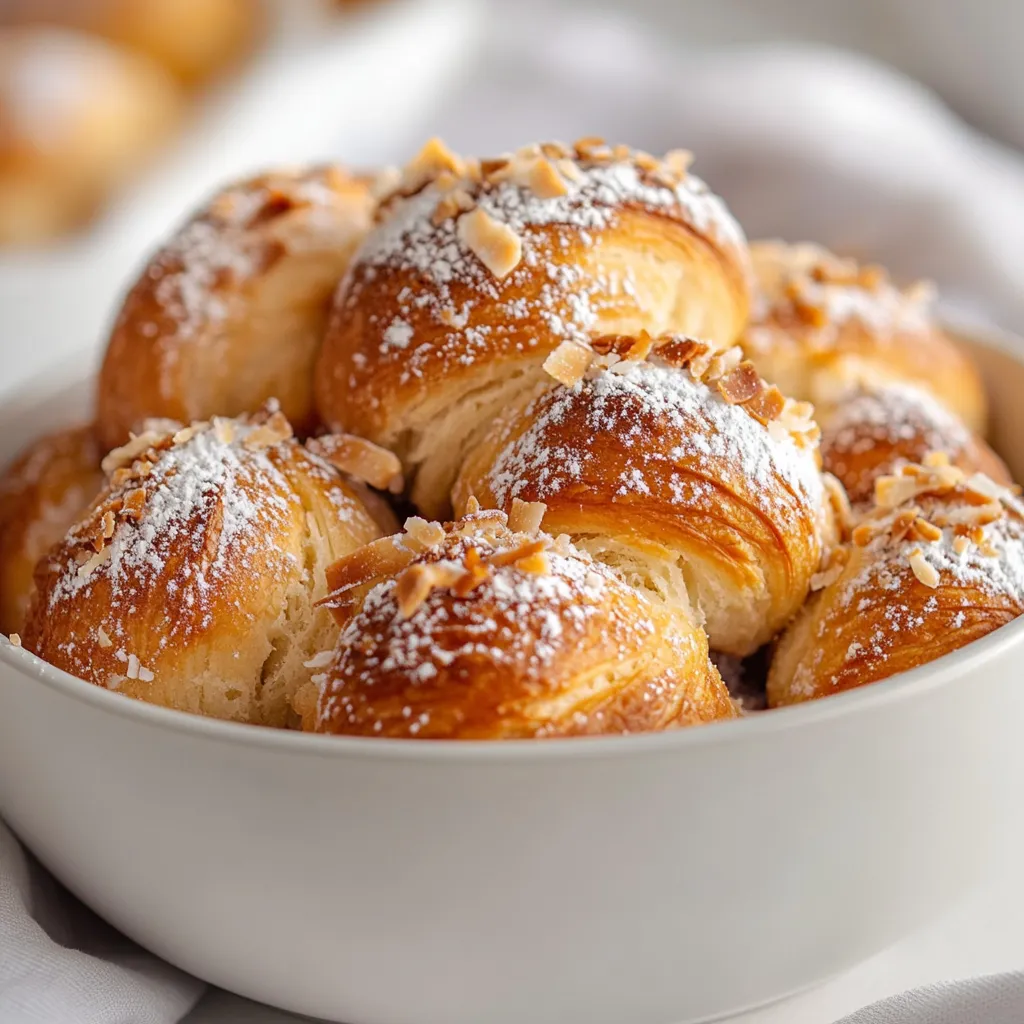
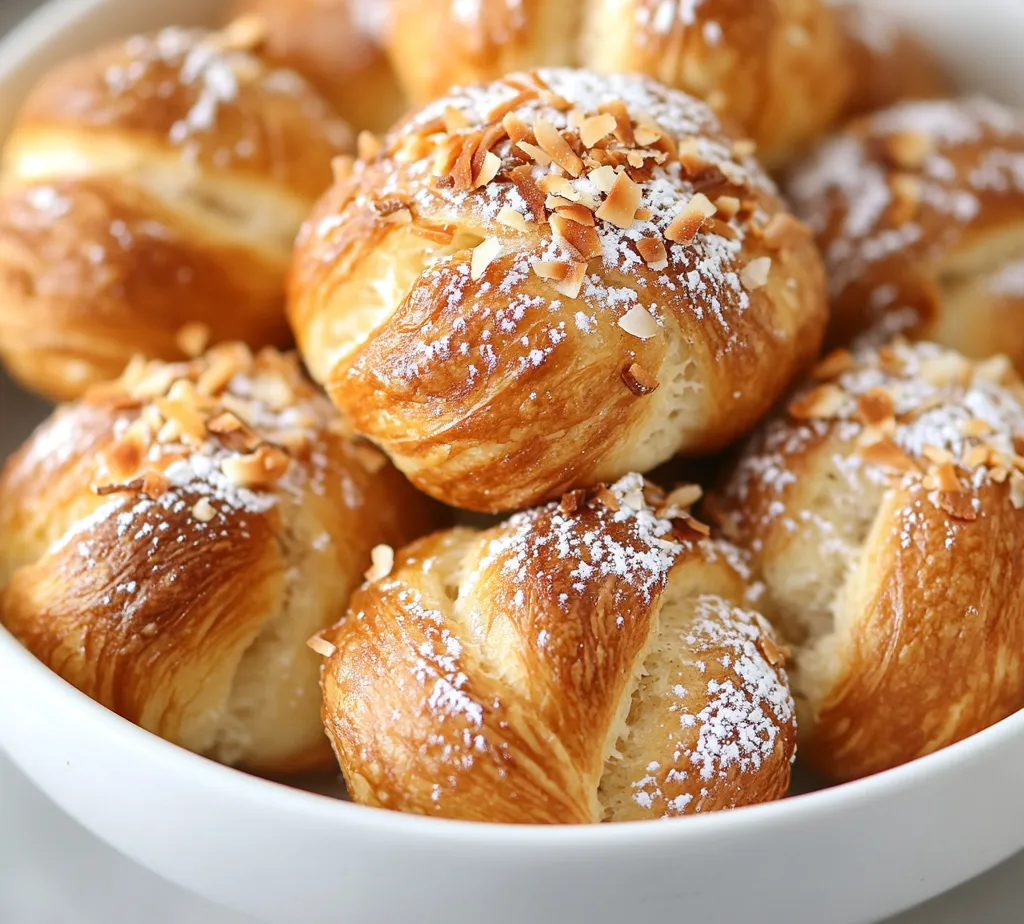
Coconut Knots Delight is a charming and indulgent recipe that brings the tropical flavors of coconut right to your kitchen. Combining the rich taste of coconut with a soft, slightly sweet dough, these knots offer a delightful experience with each bite. Once baked to a golden perfection and topped with powdered sugar and toasted coconut flakes, these treats not only taste amazing but also have an inviting appearance that is sure to impress family and friends.
This recipe is incredibly versatile, making it suitable for various occasions. Whether you are hosting a casual gathering, celebrating a special event, or simply indulging in a sweet treat at home, Coconut Knots Delight is perfect for any setting. Best served warm or at room temperature, these knots remain soft and flavorful, making them an excellent choice for dessert or as a snack throughout the day.
Recipe Overview
– Total Time: 35 minutes
– Prep Time: 15 minutes
– Servings: 12
– Difficulty: Not specified in the recipe.
Ingredients
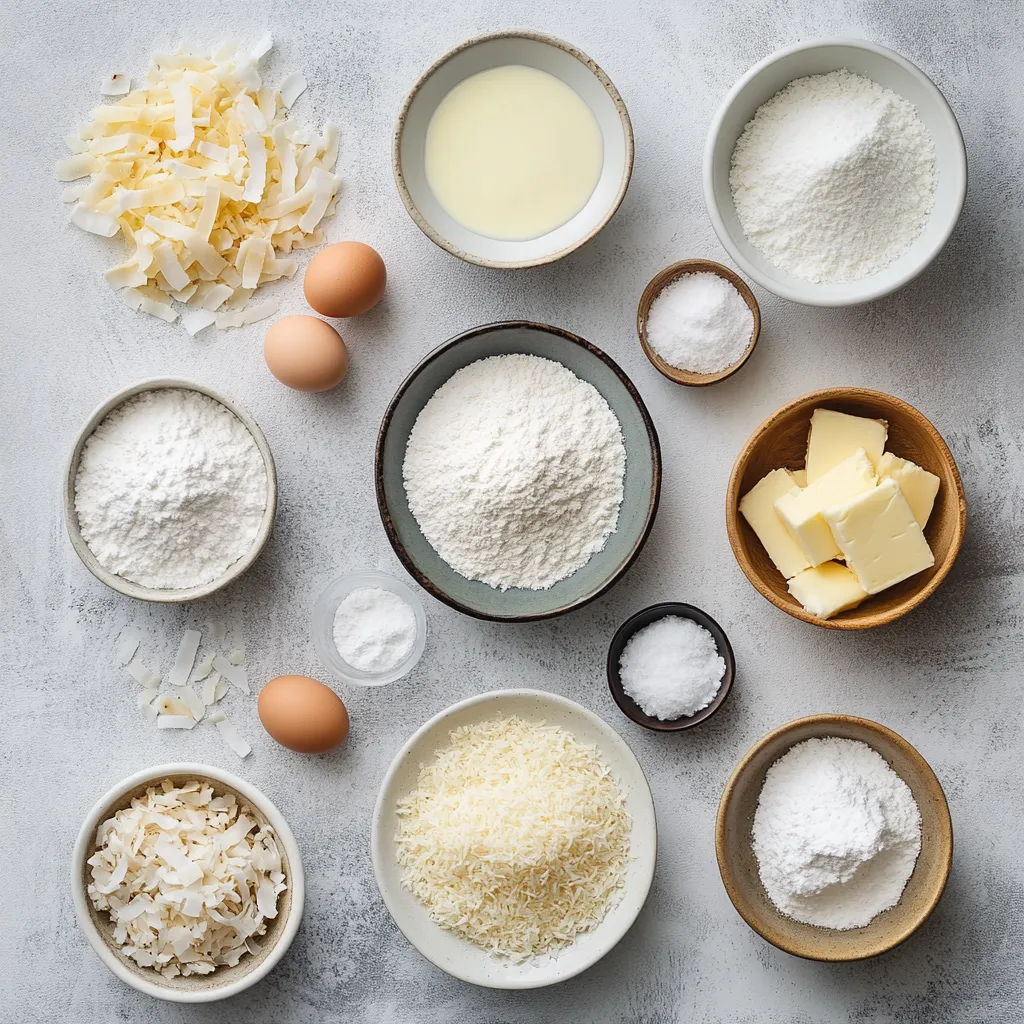
– 2 cups all-purpose flour
– 1 cup unsweetened shredded coconut
– 1/2 cup granulated sugar
– 1/2 cup coconut milk
– 1/4 cup unsalted butter, melted
– 2 large eggs
– 1 tablespoon baking powder
– 1/2 teaspoon salt
– 1 teaspoon vanilla extract
– 1/4 cup powdered sugar (for finishing)
– 1/4 cup toasted coconut flakes (for garnish)
Brief Description of Coconut Knots Delight
Coconut Knots Delight features a unique blend of simple yet flavorful ingredients. The dough’s softness comes from the combination of all-purpose flour, eggs, and coconut milk, while shredded coconut enhances the texture and provides a chewy bite. The delightful twist of the knot shape not only makes them visually appealing but also helps to create more surface area for the toppings, ensuring each bite is as delicious as the last.
Perfect Occasions for Serving
These Coconut Knots are particularly well-suited for events like brunches, baby showers, birthday parties, or festive gatherings. Their sweet, tropical flavor pairs perfectly with a cup of coffee or tea, making them an ideal companion for afternoon treats. You can even present them at holiday celebrations as a fresh take on traditional cookies. Their lovely appearance and delightful taste are sure to attract guests of all ages.
Nutritional Benefits of Ingredients
The primary ingredients of Coconut Knots Delight provide various nutritional benefits. Unsweetened shredded coconut is rich in healthy fats and fiber, helping promote a sense of fullness. Coconut milk adds a creamy texture while being a dairy-free alternative. Eggs are an excellent source of protein and essential nutrients, contributing to the overall richness of the knots. The use of all-purpose flour ensures the knots have the desired structure while allowing the delightful flavors to shine through.
Prepping the Oven
Importance of Preheating
Preheating the oven is a crucial step in the baking process. It ensures that the Coconut Knots are exposed to consistent heat right from the beginning, allowing them to rise and bake evenly. When you bake without preheating, the dough may not rise as intended, affecting the texture and final outcome of your treats.
Optimal Temperature Settings
For this recipe, the oven should be preheated to 350°F (175°C). This temperature is optimal for most baked goods, providing the right balance of heat to bake the knots through without burning the exterior. Maintaining the correct temperature is essential for achieving that golden-brown color that makes Coconut Knots so appealing.
Lining the Baking Sheet: Best Practices
Lining your baking sheet with parchment paper is a recommended best practice for baking. This simple step prevents the knots from sticking to the pan, ensuring they can be removed easily once baked. Parchment paper also facilitates cleanup, making the overall baking process more enjoyable. Additionally, for a touch of creativity, consider using decorative parchment or presenting the baked knots on a vibrant platter to enhance their visual appeal.
Preparing the Dry Ingredients
Selecting the Right Flour
When making Coconut Knots Delight, selecting the right flour is important. All-purpose flour is recommended as it provides a good balance of structure and tenderness. This type of flour contains a moderate amount of protein which helps create the soft, chewy knots without making them too dense. If a gluten-free option is desired, it could be substituted with a gluten-free all-purpose blend.
Benefits of Using Shredded Coconut
Unsweetened shredded coconut brings an essential tropical flavor to this recipe. It lends both flavor and texture, enhancing the overall experience of the Coconut Knots. Using unsweetened coconut avoids the addition of unnecessary sugars, allowing you to control the sweetness level of your baked goods. Plus, shredded coconut carries healthy fats and fiber, making your treats just a little more nutritious.
Incorporating Baking Powder and Salt
Baking powder is a key ingredient that will contribute to the rise of the Coconut Knots. It acts as a leavening agent, creating air bubbles in the dough during the baking process, leading to a light and fluffy texture. Meanwhile, the addition of salt enhances the overall flavor by balancing the sweetness. This is crucial in baked goods as it prevents them from tasting flat or overly sweet.
Mixing the Wet Ingredients
Types of Coconut Milk to Use
For Coconut Knots Delight, you can utilize canned or carton coconut milk depending on what you have on hand. Canned coconut milk typically has a creamier consistency and richer flavor, which enriches the dough. Alternatively, carton coconut milk, which is often lighter, can be used if you prefer a less coconut-forward taste. Regardless of the type of coconut milk, aim for unsweetened versions to keep the flavor profile balanced.
Importance of Melted Butter
Melted butter plays a significant role in this recipe by adding moisture and richness to the dough. It helps create a satisfying texture and enhances flavor. When mixing the wet ingredients, melted butter should be whisked thoroughly to combine well with the coconut milk, eggs, and vanilla extract. This process ensures even distribution of flavor throughout the batter, contributing to the indulgent quality of the Coconut Knots.
Eggs and Their Role in Texture
Eggs are an essential component in Coconut Knots Delight, providing both structure and moisture. They assist in binding the ingredients together while also incorporating air into the dough, which aids in achieving a lighter texture. It’s important to beat the eggs well before adding them to the wet mixture, ensuring they contribute to a cohesive and buttery dough that will create delicious knots.
Combining Mixtures
Techniques for Mixing Wet and Dry Ingredients
When combining the wet and dry mixtures in this recipe, gentle mixing is crucial. Gradually adding the wet ingredients to the dry ones while stirring with a spatula or wooden spoon helps to achieve a soft dough without overmixing. Overmixing can lead to tough knots as it develops gluten within the flour. Mixing until just combined, allowing for some lumps to remain, is the ideal approach to maintain the soft texture of the finished product.
Signs of Properly Mixed Dough
When preparing the dough for Coconut Knots Delight, there are specific indicators to determine whether the mixture is adequately combined. You should aim for a cohesive dough that is slightly tacky but does not stick excessively to your hands or the mixing bowl. The dough should be smooth without visible dry flour remnants. If it appears too crumbly, it likely needs a little more moisture—consider adding a small amount of coconut milk, one teaspoon at a time.
Common Mistakes to Avoid
A few common pitfalls can affect the final texture and flavor of your coconut knots. One mistake is overmixing the dough, which can lead to a denser product because it develops the gluten in the flour too much. It is essential to mix just until the ingredients are combined. Another mistake can be inadequate measuring of the flour; using too much can make the knots dry. Always fluff the flour in its container before scooping it into your measuring cup for accuracy.
Shaping the Knots
Techniques for Rolling Dough
To achieve the perfect shape for your coconut knots, focus on rolling the dough into evenly sized ropes. Start by using your palms to gently roll a piece of dough on a floured surface. Apply even pressure and use a back-and-forth motion to maintain a consistent thickness. Aim for an 8-10 inch length for each rope, ensuring the thickness remains uniform to promote even baking.
Step-by-Step Guide to Knotting
Knotting the rope requires a gentle approach to avoid tearing the dough. Once you have your rope ready, make a loop, crossing the strand over itself. Then, take the tail end of the rope and tuck it under the base of the loop, pulling through to create a knot. Ensure that the dough is not overly stretched, as this can lead to cracking during baking.
Importance of Uniform Size in Knots
Uniformity in size is critical for even baking. If knots are of varying sizes, the smaller ones may bake too quickly and dry out, while larger knots may not cook through properly. Aim to utilize a kitchen scale if necessary; this ensures that each piece of dough is about the same weight, promoting consistency across your baking sheet.
Baking Process
Baking Time and Temperature Guidelines
The established baking temperature of 350°F (175°C) should be maintained consistently throughout the baking process. Depending on your specific oven, the baking time can range from 15 to 20 minutes. It is advisable to check your knots at the lower end of this range, particularly if your oven runs hot.
Tips for Achieving Golden Brown Color
To achieve a golden-brown color, ensure that the knots are spaced out on the baking sheet. Proper air circulation will assist in promoting an even bake. Also, check for browning on the undersides of the knots, as this indicates that they are a suitable color. If you notice the tops browning too quickly, you can tent them lightly with aluminum foil midway through baking.
How to Test Doneness with a Toothpick
To test for doneness, insert a toothpick into the center of a knot. If it comes out clean or with just a few dried crumbs, the knots are ready. If any wet batter clings to the toothpick, return them to the oven for another few minutes. This method is reliable and should be used to ensure that your knots have baked through completely.
Cooling and Finishing Touches
Proper Cooling Techniques
Once your Coconut Knots are out of the oven, let them cool on the baking sheet for about 5-10 minutes before transferring them to a wire rack. Cooling on a rack allows air to circulate around the knots, preventing moisture build-up on the base, which could render them soggy.
Dusting with Powdered Sugar
Dusting with powdered sugar not only adds aesthetic appeal but also offers a delightful sweetness that complements the coconut flavor. To dust evenly, use a fine mesh sieve or a powdered sugar shaker, ensuring an even coating.
Adding Toasted Coconut Flakes for Presentation
After dusting with powdered sugar, generously sprinkle toasted coconut flakes over the knots. This enhances the presentation, adding texture and a visual cue to the key flavor in your treats. For best results, use freshly toasted coconut flakes, giving a warm and crispy bite.
Serving Suggestions
Best Ways to Enjoy Coconut Knots Delight
Coconut Knots Delight can be enjoyed on their own or accompanied by various spreads. Consider pairing them with coconut whipped cream or a tropical fruit jam for an extra layer of flavor. Serving them warm enhances the flavors, but they are just as enjoyable at room temperature as part of a brunch table.
Pairing Ideas with Beverages
Beverages play a crucial role in complementing these coconut knots. They pair beautifully with a mild tea, like chamomile or green tea, as well as with coffee. For a tropical flair, serve with fresh coconut water or a fruity smoothie, creating a cohesive coconut experience.
Creative Plating Techniques
For an appealing presentation, consider stacking knots in a pyramid on a rustic wooden board, or placing them in a large basket lined with a linen cloth. This not only looks inviting but also encourages guests to serve themselves, making it a perfect addition to gatherings.
Storage and Reheating Tips
How to Store Leftover Coconut Knots
To keep your Coconut Knots fresh, store them in an airtight container at room temperature. They will maintain good quality for 2-3 days. For longer storage, consider wrapping them in plastic wrap and placing them in a sealed zip-top bag before refrigerating.
Best Methods for Reheating
When ready to enjoy leftovers, gentle reheating is key. You can warm the knots in a preheated oven at 300°F (150°C) for about 5-10 minutes, or until warmed through. Alternatively, a microwave can be used for about 15-20 seconds, but be cautious not to overheat them, as this might lead to a rubbery texture.
Shelf Life Considerations
Coconut Knots Delight, when stored properly, should remain fresh for up to one week if refrigerated. If freezing, they can last for up to 2 months. Ensure they are fully cooled before freezing to prevent moisture retention, which can affect texture upon reheating.
Conclusion
Coconut Knots Delight offer a unique blend of textures and flavors, with a soft and slightly chewy interior complemented by a crisp exterior. Baked to a golden perfection in just 35 minutes, these treats serve well both warm and at room temperature, making them an irresistible snack any time of day.
Coconut Knots Delight: A Sweet Tropical Treat
Ingredients
- 2 cups all-purpose flour
- 1 cup unsweetened shredded coconut
- ½ cup granulated sugar
- ½ cup coconut milk
- ¼ cup unsalted butter melted
- 2 large eggs
- 1 tablespoon baking powder
- ½ teaspoon salt
- 1 teaspoon vanilla extract
- ¼ cup powdered sugar for finishing
- ¼ cup toasted coconut flakes for garnish
Instructions
- Preheat your oven to 350°F (175°C) and line a baking sheet with parchment paper.
- In a large bowl, combine flour, shredded coconut, sugar, baking powder, and salt; whisk until blended.
- In another bowl, whisk together coconut milk, melted butter, eggs, and vanilla until smooth.
- Gradually add wet ingredients to dry ingredients, stirring gently until a soft dough forms.
- Lightly flour a surface, knead the dough gently for 1 minute, then divide into 12 pieces.
- Roll each piece into a rope, twist, and tie into a knot; arrange on the baking sheet.
- Bake for 15-20 minutes until golden brown and a toothpick comes out clean.
- Cool on the baking sheet for a few minutes, then dust with powdered sugar and sprinkle with toasted coconut.
- Serve warm or at room temperature as a delightful snack.