

Delightful 4-Ingredient Pizza Dough Recipe
Introduction
There’s something incredibly rewarding about making your own pizza from scratch, and it all starts with the crust. This delightful 4-ingredient pizza dough is the perfect foundation for your favorite pizza toppings, providing a crispy and chewy texture that is simply irresistible. Imagine serving up a piping hot pizza with a crust that you’ve carefully crafted in your own kitchen – it’s an experience that elevates mealtime into a fun and engaging event.
Homemade pizza, particularly with this easy-to-follow dough recipe, is not only super satisfying but also allows for endless customization. You can adjust the toppings to suit your family’s taste or try different sauces to keep it exciting. Whether it’s a casual weeknight dinner or a pizza party with friends, this dough will impress everyone with its homemade touch.
This 4-ingredient pizza dough recipe focuses on simplicity and quality ingredients. With just flour, yeast, salt, and warm water, you can create an unforgettable pizza base that will have everyone asking for more. The process is straightforward, making it easy for anyone to dive into the world of homemade pizza, regardless of their culinary skills.
The Allure of Homemade Pizza
There’s an undeniable charm to enjoying a meal that you’ve prepared from the ground up. Making pizza at home allows you to experiment with flavors and showcase your creativity, making each pizza unique. Furthermore, the aroma of freshly baked dough wafting through your kitchen is an experience in itself—a sensory delight that simply can’t be replicated with store-bought alternatives. With this homemade dough recipe, you’ll enjoy not just the taste of a wonderful pizza but also the process of making it.
Why Homemade Pizza Is the Best
The reasons for making pizza at home are manifold. First, you have complete control over the ingredients you use, which can lead to a healthier meal. With store-bought dough, you may not know what additives or preservatives might be present. Making your own allows you to skip those. Additionally, homemade pizza is often more affordable, especially when feeding a crowd. A little flour, yeast, salt, and water can produce a crust that rivals your favorite pizzeria, giving you a chance to enjoy high-quality food without the restaurant price tag.
Overview of the 4-Ingredient Pizza Dough Recipe
This delightful pizza dough recipe is accessible to everyone, including beginners. With just a brief 10 minutes of prep and one hour of rising time, you can have fresh pizza dough ready for your next culinary adventure. The use of instant yeast means that the rising process is simplified, allowing for a quicker turnaround on your pizza night. The resulting dough is not only versatile and easy to handle but also deliciously flavorful, making it a fantastic choice for various pizza styles.
Recipe Overview
– Total Time: 1 hour 10 minutes
– Prep Time: 10 minutes
– Rising Time: 1 hour
– Yield: Serves 1 pizza
– Difficulty: Not specified in the recipe
Ingredients
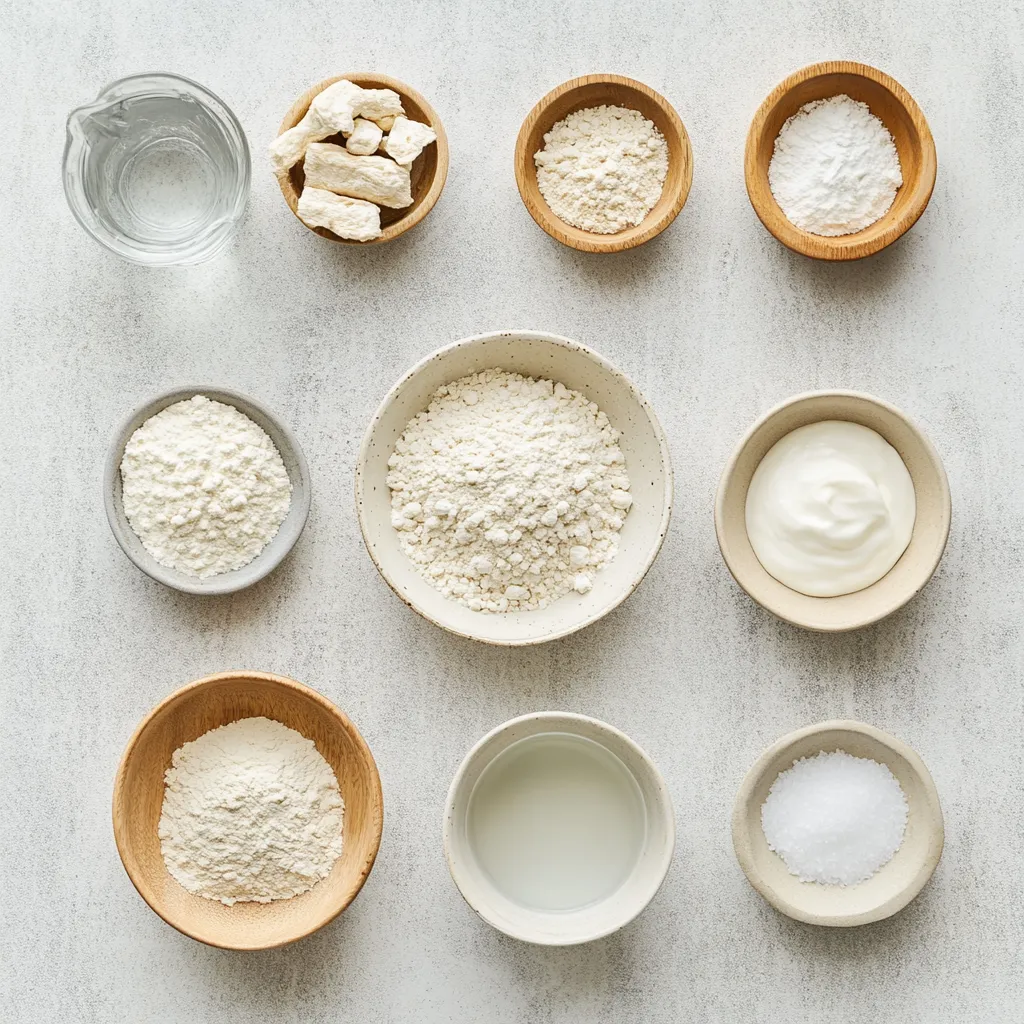
– 2 cups all-purpose flour
– 1 teaspoon instant yeast
– 1 teaspoon salt
– 3/4 cup warm water (approximately 110°F or 43°C)
Equipment Needed
Preparation of this pizza dough requires minimal equipment, commonly found in most kitchens:
Mixing Bowl
A spacious mixing bowl is crucial for combining your ingredients. It provides enough room to ensure each component mixes well without spilling.
Whisk or Fork
Utilizing a whisk or a fork allows for the ideal blending of the dry ingredients. This step ensures that the yeast and salt are evenly distributed throughout the flour, leading to a more consistent rise.
Wooden Spoon or Spatula
A wooden spoon or spatula helps incorporate the warm water into the dry mixture without creating a mess. This tool is perfect for stirring until the dough begins to come together.
Floured Surface for Kneading
You’ll need a clean, floured surface to knead your dough, which is crucial for developing gluten and achieving that desirable elastic texture.
Preparation Steps
Preparation is key to a successful pizza dough. Follow these steps to ensure your dough comes out perfectly:
Combining Dry Ingredients
Begin by placing the 2 cups of all-purpose flour, 1 teaspoon of instant yeast, and 1 teaspoon of salt into your mixing bowl. Use your whisk or fork to combine these dry ingredients. Take care to mix them thoroughly; a well-blended mixture helps ensure that the yeast activates evenly when the warm water is added.
Adding Warm Water
Slowly pour 3/4 cup of warm water into your dry mixture. The water should feel comfortably warm to the touch, ideally around 110°F (43°C). As you add the water, stir with your wooden spoon or spatula until the mixture starts to come together. You are aiming for a shaggy, dough-like consistency. This is the initial step, where you’ll see the dry ingredients transitioning into a cohesive mixture.
Kneading the Dough
Once the dough begins to hold its shape, transfer it onto your previously floured surface. This is where the magic happens. Knead the dough for about 5-7 minutes, applying a gentle firm pressure with the heel of your hand. Fold it over and push it down repeatedly. Continue this process until the dough transforms into a smooth and elastic texture. Kneading is a vital step, as it develops gluten, giving the pizza crust its necessary structure.
Dough Rising Process
After kneading, the dough needs time to rise, which is crucial for developing flavor and texture.
Preparing a Greased Bowl
Shape the kneaded dough into a ball and place it in a lightly greased bowl. Ensuring that the bowl is greased will prevent the dough from sticking and allow it to rise freely. Take a moment to roll the dough ball in the oil, coating it evenly to help prevent drying out during the rising period.
Covering the Dough
To retain warmth and moisture, cover the bowl with a clean kitchen towel or plastic wrap. This simple step creates a warm environment for the dough, essential for the yeast to activate efficiently.
Ideal Rising Conditions
For optimal rising, place the covered dough in a warm location. A turned-off oven with just the light on or a sunny spot on the countertop can work well. Allow the dough to rise for approximately 1 hour, or until it has doubled in size. This generous rising time fills the dough with air, contributing to the light and fluffy texture of the final product.

Why Punching is Important
Punching down the dough after it has risen is an essential step in the pizza-making process. This action serves multiple purposes: it redistributes the yeast and gases throughout the dough, which helps develop a uniform texture and flavor. Additionally, it prevents the formation of large air bubbles that can disrupt the structure of the crust. By releasing excess air, you create a more manageable dough that can rise again when rolled out, resulting in a perfectly airy yet sturdy base for your pizza.
Techniques for Punching Down
To effectively punch down your dough, start by lightly flouring your hands to prevent sticking. Gently press down on the risen dough using your fingers or fist. Aim to flatten it to about half its original size, which helps eliminate large air pockets without overworking it. You can also fold the dough over on itself a couple of times, which redistributes the yeast. Once you’ve achieved a smooth and even texture, the dough is ready for the next steps in your pizza-making process.
Baking Preparation
Preheating the Oven
Proper oven preheating is crucial for achieving that perfect golden crust. It’s recommended to preheat your oven to 475°F (245°C) for at least 30 minutes before baking. This allows time for the oven to reach the right temperature and ensures that the heat is evenly distributed. If you’re using a pizza stone, place it in the oven while it preheats. This will help create an evenly cooked crust with a nice, crispy exterior.
Rolling Out the Dough
When rolling out the dough, start with a lightly floured surface to prevent sticking. Use a rolling pin or your hands to stretch the dough into your desired shape—be it round, rectangular, or any other form you prefer. For a thicker crust, leave the dough more substantial, while a thinner roll will yield a crispy base. Pay attention to maintaining an even thickness to ensure uniform cooking.
Transferring to Baking Surface
To transfer your rolled-out dough to the baking surface with ease, consider using a pizza peel sprinkled with flour or cornmeal. This technique allows the dough to slide off smoothly into the oven. If you don’t have a peel, carefully lift the edges of the dough using your hands and place it onto a baking sheet lined with parchment paper. Ensure that the dough does not fold over on itself to avoid tearing.
Topping Ideas
Essential Pizza Sauces
Selecting the right sauce can elevate your pizza significantly. Traditional tomato sauce is a classic choice, but consider varieties like marinara, pesto, or a white sauce made with oil and garlic for different flavor profiles. For a quicker option, store-bought sauces are available, but feel free to enhance them with herbs and spices to personalize the taste.
Cheese Options
Choosing the right cheese is critical to achieving that gooey, melty texture many pizza lovers crave. Mozzarella is the traditional choice, particularly the fresh variety for its superior melting capability. However, blending cheeses such as provolone, parmesan, or gouda can introduce deeper flavors. For lactose-free options, look for plant-based cheese or those made from almond milk to keep the dish rich without dairy.
Creative Toppings Combinations
The toppings you choose can express your creativity, and options are virtually endless! Classic combinations like pepperoni and bell peppers satisfy traditionalists, while gourmet choices such as arugula, prosciutto, or figs can impress guests. For a veggie-packed offering, combine mushrooms, onions, olives, and fresh spinach. If you’re feeling adventurous, try unexpected flavors like zucchini ribbons or goat cheese for a fresh twist.
Baking the Pizza
Timing for Perfect Crust
Once you’ve assembled your pizza, it’s time to place it in the oven. Expect baking time to vary between 12 and 15 minutes. For the best results, keep an eye on the dough for visual clues: the crust should appear golden-brown, and the cheese should be bubbling. If you prefer a softer crust, you might want to reduce the baking time slightly.
Signs of Doneness
To determine if your pizza is fully cooked, look for several signs: the crust should be golden and crispy, the cheese should be melted and slightly browned, and any toppings like vegetables should be cooked through. If you’re using a pizza stone, you may notice that the bottom of the crust is especially crisp, indicating a well-baked pizza.
Cooling Before Serving
Letting the pizza cool for a few minutes after it comes out of the oven allows the cheese to set and makes cutting easier. If you serve it immediately, the cheese may slide off when sliced. A short cooling period also ensures that the flavors have a moment to meld together for a better taste experience.
Presentation Tips
Garnishing with Fresh Herbs
Elevate your pizza’s appearance and flavor by garnishing it with fresh herbs post-baking. Fresh basil, parsley, or oregano sprinkled atop the pizza adds a burst of color and freshness that can make your homemade masterpiece look restaurant-quality.
Serving Suggestions
When serving your pizza, consider slicing it into various shapes—triangles or squares can make for easy handling, especially at gatherings. Accompany it with a side of marinara or ranch dressing for dipping, adding another layer of flavor that complements the dish beautifully.
Pairing with Dipping Sauces
Dipping sauces can enhance the overall dining experience of your homemade pizza. Classic marinara, garlic butter, or spicy ranch can all provide different tastes that perfectly pair with the basic pizza flavors. Offering a selection of dipping sauces can cater to various palates and preferences, making the meal feel more special.
Troubleshooting Common Issues
Dough Too Sticky or Dry
If the dough feels overly sticky, this may indicate excessive moisture. Adding a little flour while kneading can help achieve the right consistency. Conversely, if the dough is too dry, you can incorporate small amounts of warm water, a teaspoon at a time, until you reach the desired texture.
Rising Time Concerns
If your dough has not risen sufficiently after one hour, it may be due to inadequate warmth or inactive yeast. Consider moving the dough to a warmer spot in the kitchen to facilitate rising. If your yeast has expired or been improperly stored, it may fail to activate, leading to poor rising.
Baking Failures to Avoid
To avoid a soggy crust, ensure your oven is adequately preheated and the dough is rolled out evenly. Pre-baking the crust for a couple of minutes before adding toppings can further prevent moisture from causing flatness.
Versatile Uses for Pizza Dough
Alternate Flavors and Textures
This pizza dough is not limited to just pizzas; its versatility allows for creative uses. Consider seasoning the dough with herbs like rosemary or garlic powder before rolling it out for enhanced flavor. Stuff it with cheese or meats to create delightful calzones or breadsticks.
Beyond Pizza: Creative Recipes
Beyond traditional pizza, this dough can be used for other applications. Use it to create mini tart shells or dough for savory handheld pastries. The pliability of the dough makes it suitable for both sweet and savory dishes, expanding its usability.
Storing Leftover Dough
If you have leftover dough, lightly coat it with oil, cover it with plastic wrap, and store it in the refrigerator for up to 2 days. To freeze, wrap the dough tightly in plastic, then place it in an airtight freezer bag, where it can be stored for up to 3 months. When ready to use, simply thaw it overnight in the refrigerator before allowing it to come to room temperature before rolling out.
Conclusion
This delightful four-ingredient pizza dough delivers a beautifully golden and crispy crust perfect for a variety of toppings. Its straightforward preparation allows you to enjoy homemade pizza in just over an hour, producing a satisfying meal that balances flavor and texture. The possibilities for customization make it an enjoyable dish for any occasion.

Delightful 4-Ingredient Pizza Dough Recipe
Ingredients
- 2 cups all-purpose flour
- 1 teaspoon instant yeast
- 1 teaspoon salt
- ¾ cup warm water
Instructions
- Combine flour, yeast, and salt in a mixing bowl.
- Slowly add warm water and stir until a shaggy dough forms.
- Knead the dough on a floured surface for 5-7 minutes until smooth.
- Shape the dough into a ball and coat it with oil in a greased bowl.
- Cover the bowl and let the dough rise for 1 hour until doubled.
- Punch down the dough to release air bubbles.
- Preheat the oven to 475°F (245°C).
- Roll out the dough to desired thickness and transfer to a baking sheet.
- Add sauce, cheese, and toppings, then bake for 12-15 minutes.
- Slice and serve the pizza immediately.