
Fluffy Delight Crepes Recipe
Introduction
Fluffy Delight Crepes are a timeless favorite that effortlessly blend simplicity and elegance, making them an exceptional choice for any meal. Their versatility allows them to be enjoyed both as sweet or savory dishes, catering to a wide range of tastes and preferences. Whether you’re whipping up a quick breakfast for the family or impressing guests at an elegant brunch, these crepes serve as a delightful canvas for creativity.
Homemade crepes have a unique charm; there’s something special about cooking them from scratch. As you pour the batter into the pan, the aroma fills the kitchen, hinting at the deliciousness to come. From comforting Nutella-stuffed options to savory fillings like ham and cheese, the possibilities are endless. These crepes can play a starring role in a carefully curated meal or simply act as an easy way to elevate your morning routine.
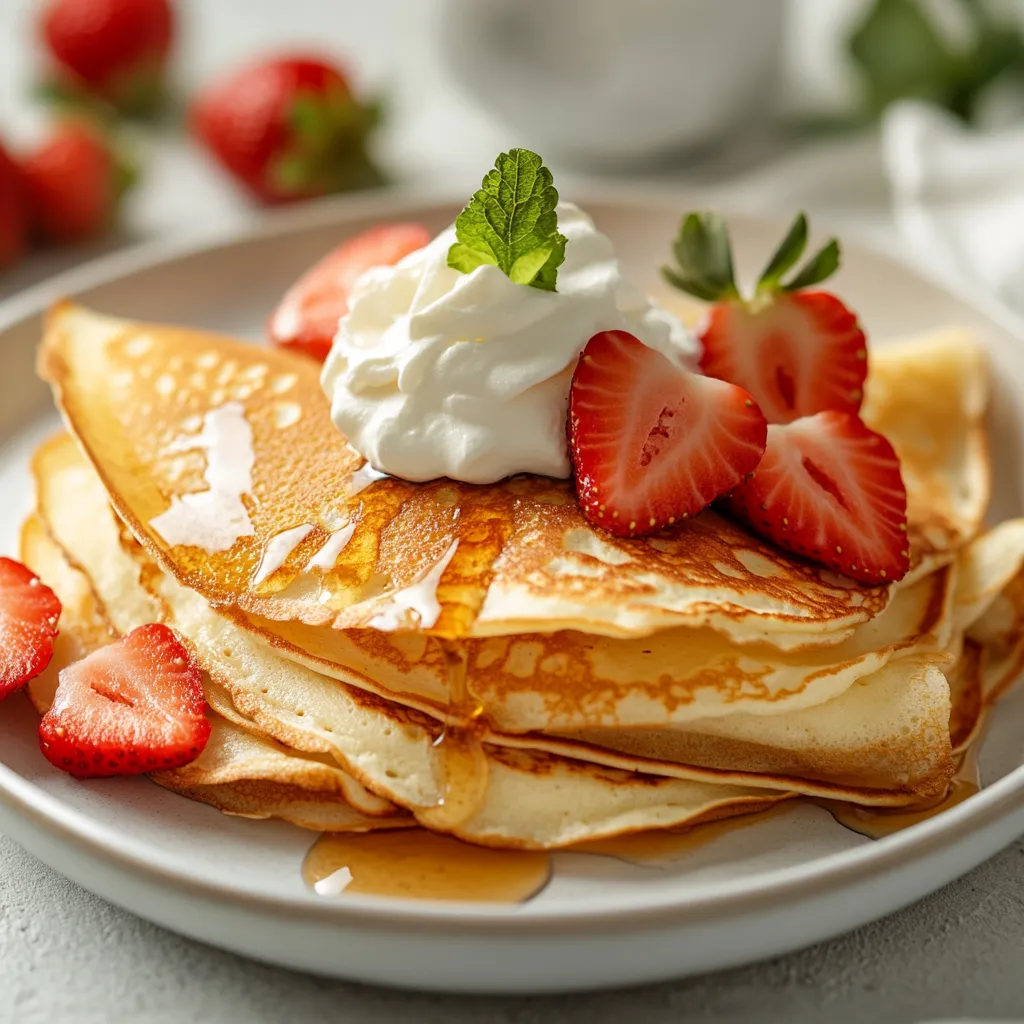
Whether served with fresh fruits, whipped cream, or just a drizzle of maple syrup, Fluffy Delight Crepes bring a touch of indulgence to any occasion. Perfect for casual breakfasts, picturesque brunches, or special events, experiencing these delightful crepes unleashes a world of flavors and textures that will leave everyone wanting more.
Recipe Overview
– Total Time: 40 minutes
– Prep Time: 10 minutes
– Yield/Servings: 8 crepes
– Difficulty: Not specified in the recipe
Fluffy Delight Crepes are not only quick to prepare but also provide a delightful way to experiment with fillings and presentations. The recipe yields a generous batch of crepes, and each one can be customized according to personal preferences, allowing for a creative culinary experience that suits various occasions. Enjoy the ability to pair these crepes with your favorite ingredients, whether you prefer classic sweet fillings or more innovative savory options.
Ingredients
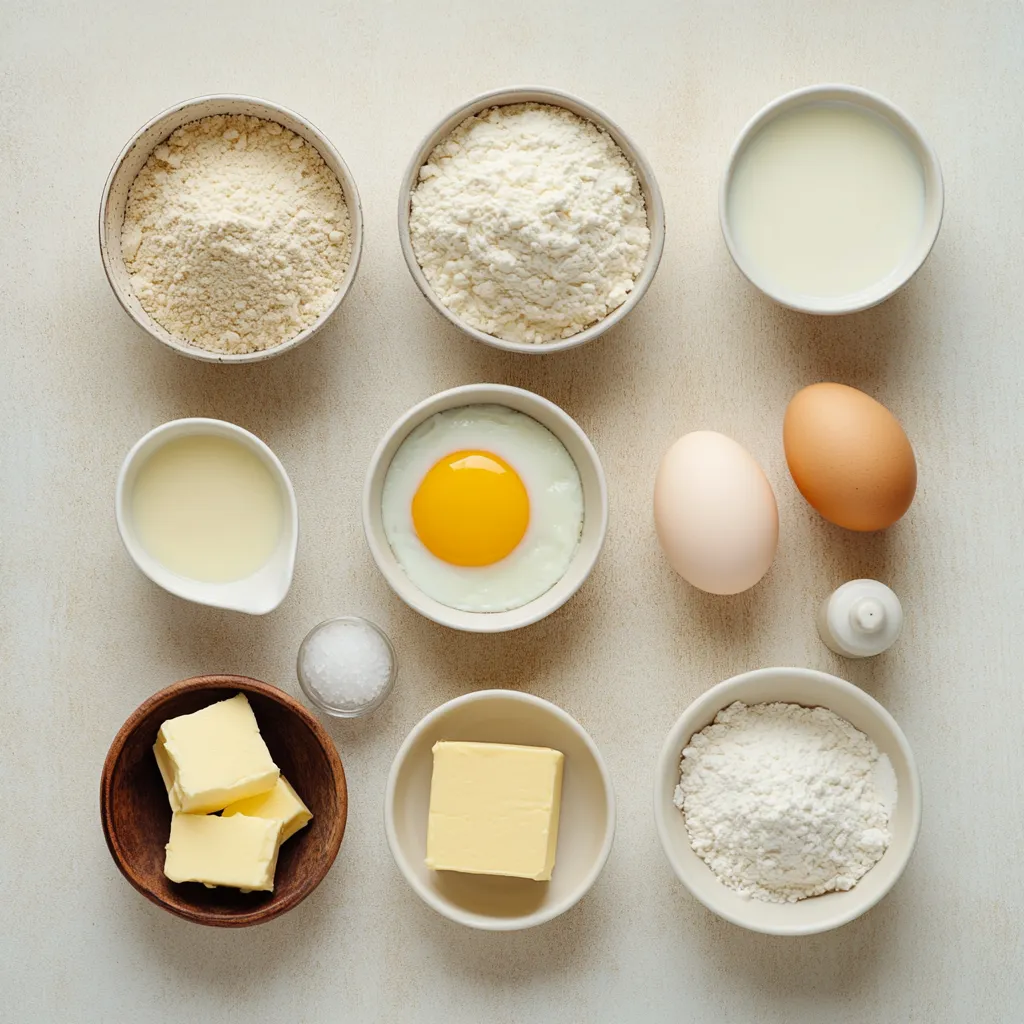
– 1 cup all-purpose flour
– 2 large eggs
– 1 1/2 cups milk
– 2 tablespoons melted butter (plus extra for cooking)
– 1 tablespoon granulated sugar
– 1/2 teaspoon pure vanilla extract
– A pinch of salt
Instructions
1. In a spacious mixing bowl, combine the all-purpose flour, granulated sugar, and a pinch of salt. Create a small well in the center of the mixture.
2. In a separate bowl, vigorously whisk the eggs until well beaten. Then, add the milk and melted butter to the eggs, followed by the pure vanilla extract. Mix thoroughly until well blended.
3. Gradually pour the wet mixture into the well of the dry ingredients. Whisk the combined ingredients until the batter is smooth and free of lumps. Allow the batter to rest for approximately 30 minutes, which will help the gluten relax and yield tender crepes.
4. Preheat a non-stick skillet or crepe pan over medium heat. Add a small dollop of butter to the pan, allowing it to melt and coat the surface.
5. For each crepe, pour around 1/4 cup of batter into the center of the pan. Quickly tilt and swirl the pan to spread the batter into a thin, even layer.
6. Cook the crepe for 1-2 minutes, or until the edges begin to lift and the bottom turns a light golden brown. Carefully flip the crepe using a spatula and cook for an additional minute on the opposite side.
7. Once cooked, transfer the crepe to a plate. Repeat the process with the remaining batter, adding more butter to the pan as necessary to prevent sticking.
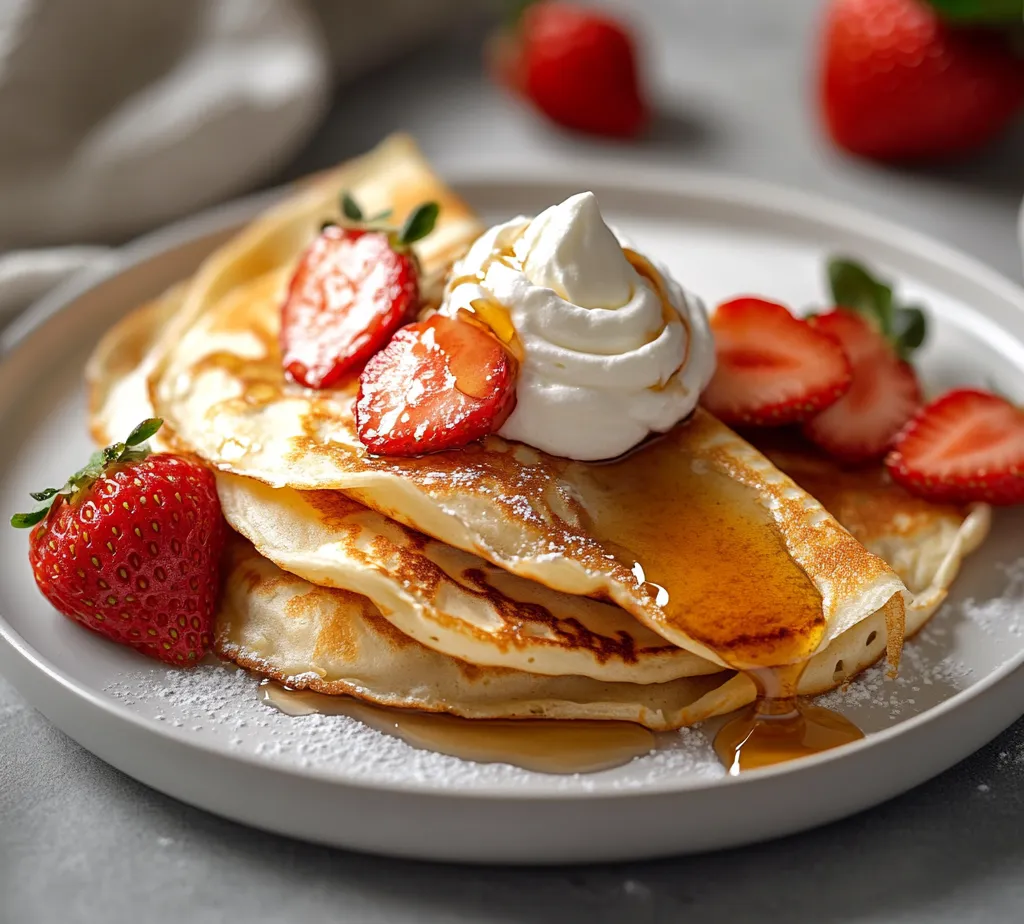
8. Serve the crepes warm, accompanied by your favorite fillings such as fresh fruits, whipped cream, Nutella, or a drizzle of maple syrup for a sweet touch.
All-Purpose Flour
All-purpose flour serves as the foundation of the crepe batter, playing a pivotal role in achieving that perfect light and airy texture that defines a quality crepe. The protein content of all-purpose flour provides structure, while also allowing for flexibility in the crepe’s form. For those with gluten sensitivities, several alternatives may offer a suitable substitute—rice flour or a dedicated gluten-free blend can create a comparable texture, resulting in gluten-free crepes that everyone can enjoy.
Eggs
The role of eggs in this recipe extends beyond mere binding; they enrich the batter with flavor and contribute to the overall richness and texture of the crepes. Fresh eggs are highly recommended, as their quality has a direct impact on the final product. Fresh eggs enhance the taste and structural integrity of the crepe, leading to a more delightful experience with each crepe you prepare.
Milk
Milk is a crucial component, affecting the consistency and flavor of the batter. The recipe could utilize various types of milk, including whole, low-fat, or even non-dairy alternatives like almond or oat milk, depending on dietary preferences. The milk helps achieve a smooth batter, ensuring that the crepes cook evenly and maintain their delicate texture. The percentage of fat in the milk can also play a role in the richness of the final crepe.
Melted Butter
Incorporating melted butter into the batter not only enhances its flavor but also adds richness that elevates the overall taste. For those looking to reduce saturated fats, vegetable or canola oil can serve as a substitute without sacrificing too much flavor. Nonetheless, the signature buttery note of traditional crepes is hard to surpass, making melted butter a staple in this recipe.
Granulated Sugar
Granulated sugar isn’t just a sweetness booster; it helps balance the flavors in the crepes. The sugar contributes a subtle taste, which complements a variety of fillings, whether they are sweet or savory. If you’re planning to prepare more savory options, you might consider reducing the amount of sugar or omitting it altogether, allowing the accompanying flavors to shine through.
Pure Vanilla Extract
Pure vanilla extract infuses the batter with a warmly aromatic flavor that transforms the crepes from basic to extraordinary. If pure vanilla extract isn’t available, alternatives such as vanilla bean paste or simply omitting it may still yield delightful results—though the nuances of vanilla certainly add a special touch.
Salt
Salt may seem like a minor addition, but it plays a significant role in enhancing the overall flavor profile of the crepes. A pinch of salt will balance the sweetness from the batter and any toppings, providing depth to each bite. While table salt is commonly used, sea salt can provide a nuanced texture and taste, elevating your homemade crepes even further.
Mixing the Batter
Creating the perfect crepe batter involves careful mixing of ingredients to ensure a smooth consistency. The blending process requires a thoughtful approach to maximize flavor and texture.
Preparing the Dry Ingredients
To start, meticulously sift the all-purpose flour to break up any lumps, ensuring a uniform texture. Measure the flour precisely—too much flour can result in dense crepes, while too little may lead to structural deficiencies. Combine the flour with the granulated sugar and salt in a spacious bowl, creating an inviting well in the center for the wet ingredients. This technique allows for more efficient mixing as the ingredients come together.
Whisking the Wet Ingredients
In a separate mixing bowl, focus on whisking the eggs vigorously until they become frothy, achieving a light and airy texture. Next, introduce the milk and melted butter to the eggs, adding the vanilla extract as you mix. This combination should be blended until you achieve a cohesive liquid mixture, free of lumps. A smooth wet mixture is vital for the final integrity of the crepes; this smoothness is what allows for that delicate texture prized in crepes.
Combining Wet and Dry Ingredients
When the wet ingredients are perfectly mixed, gradually pour them into the dry ingredients’ well, using a whisk to combine the two mixtures gently. Take care not to overmix, as doing so can lead to a tougher texture. The resting period for the batter is an essential step, allowing the gluten in the flour to relax, resulting in tender and pliable crepes once cooked. Cover the bowl and set aside for about 30 minutes, giving the flavors a chance to meld while the batter adjusts for optimal performance in the skillet.
Cooking the Crepes
Cooking Fluffy Delight Crepes requires precision and attentiveness to achieve that beautifully golden finish.
Preparing the Pan
Select a non-stick skillet or crepe pan that is well-suited for even cooking. Preheat the pan slowly over medium heat, ensuring that it reaches an optimal temperature for cooking. It’s important not to rush this step, as a well-heated pan promotes an even cook on the crepes. Once heated, add a small dollop of butter, allowing it to melt and coat the surface adequately—this ensures that your crepes will slip right out once cooked.
Pouring the Batter
When ready to cook, it’s time to pour the batter. Using a measuring cup, pour approximately 1/4 cup of batter into the center of the hot pan. Quickly tilt and swirl the pan to distribute the batter in a thin and even layer. The goal is to achieve a delicate, transparent look; a crepe that is too thick can turn out chewy instead of tender. Monitor the edges, which should lift conveniently from the pan, signaling that it’s time to flip the crepe and achieve that perfect cooking on both sides.
Flipping the Crepes
To achieve perfectly cooked crepes, knowing when to flip is essential. Look for the edges of the crepe to start lifting from the pan and the surface to appear set, with just a few bubbles forming. This is usually around 1–2 minutes after pouring the batter.
When flipping, use a flexible spatula that can slide under the crepe seamlessly. Gently lift one edge of the crepe, then slide the spatula underneath from the side, and with confidence, flip it over. This technique minimizes tears and helps keep the crepe intact for a beautiful presentation.
Maintaining the Right Temperature
Cooking crepes requires careful temperature management. If the skillet is too hot, the crepes can burn quickly, while a pan that is not hot enough results in a dense and inconsistent texture. It’s advisable to start with medium heat and adjust as needed once you notice the first crepe cooking.
Adding butter between each crepe is crucial. It not only prevents sticking but also enhances flavor and browning. Use just enough to lightly coat the skillet—too much fat can lead to greasy crepes.
Serving Suggestions
Fluffy Delight Crepes can be served in numerous delightful ways, catering to various tastes and preferences. Here are some creative ideas:
Sweet Fillings
For a sweet twist, consider fresh strawberries, bananas, or blueberries paired with a dollop of whipped cream or a drizzle of Nutella and maple syrup. The sweetness from fruits can beautifully offset the buttery flavor of the crepes.
Combining flavors can elevate the experience. For example, a banana and Nutella crepe garnished with a sprinkle of chopped nuts adds both texture and visual appeal, while a simple lemon sugar crepe finishes off with a squeeze of fresh lemon juice balances sweetness with tartness.
Savory Fillings
Savory crepes are equally delicious and can include fillings such as shredded cheese, sautéed spinach, herbs, or even cooked bacon. A classic combination is ham and cheese, complemented by a sprinkle of fresh arugula for added flavor.
Balancing flavors is key; consider adding rich ingredients like creamy goat cheese paired with roasted vegetables, or a blend of herbs to add brightness to denser fillings.
Presentation Tips
Presentation enhances the dining experience. Stack cooked crepes slightly offset to create height, and dust with powdered sugar for a charming touch. Consider garnishing with colorful berries or a sprig of fresh mint for visual appeal. Serve with elegant utensils and larger serving plates that allow for multiple filling options, inviting guests to customize their own crepe.
Storage and Reheating
Proper storage and reheating techniques can prolong the enjoyment of your crepes.
Proper Storage Techniques
To store leftover crepes, stack them with parchment paper between each layer to prevent sticking. Wrap the stack in plastic wrap or aluminum foil and place them in an airtight container. This helps to keep them fresh and prevents moisture loss, which can lead to sogginess.
Reheating Options
Reheating can be done either in a skillet or a microwave. For skillet reheating, place the crepe in a preheated pan over low heat, covering it with a lid to create steam, which helps to maintain moisture. This method refreshes the flavor and texture beautifully.
If using a microwave, place the crepe on a microwave-safe plate and cover it with a damp paper towel. Heat for 15–30 seconds at a time, checking frequently to prevent it from becoming chewy.
Frequently Asked Questions
Can I Make the Batter Ahead of Time?
Yes, you can prepare the batter up to 24 hours in advance. Store it in the refrigerator in a sealed container. Before using, give it a good whisk as it may settle during storage.
Why Are My Crepes Sticking to the Pan?
Sticking can happen due to several reasons. If the pan is not hot enough or if there’s insufficient fat used, the crepes may adhere. Ensure the skillet is well-preheated and coated with butter before pouring in the batter for best results.
How Thin Should the Batter Be?
The ideal crepe batter consistency is similar to heavy cream. It should be pourable and smooth, allowing it to spread evenly across the pan when tilted. If your batter seems too thick, adding a small amount of milk can help achieve the right consistency.
Variations on the Recipe
Exploring variations can introduce new flavors and textures to your crepes.
Vegan Crepes
For a vegan version, substitutes for eggs and dairy must be made. Flaxseed meal mixed with water can act as an egg replacement, while almond or oat milk can replace dairy milk. Adjustments may be needed in cooking time to ensure they are cooked through without drying out.
Whole Wheat Crepes
Substituting all-purpose flour with whole wheat flour can impart a nuttier flavor to your crepes. It’s essential to note that whole wheat flour absorbs more liquid, so slightly increase the amount of liquid in the recipe for the desired lightness.
Flavor Infusions
Adding spices or zests to your batter creates unique flavor profiles. Consider incorporating cinnamon or cardamom for sweet crepes, or fresh herbs like parsley or basil for savory ones.
Conclusion
Fluffy Delight Crepes provide a soft, tender texture and versatile flavor that can be adapted for various meals. With a reasonable preparation time, they are enjoyable to make and serve, whether sweet or savory. The skilled balance of flavors and ingredients ensures these crepes will be a delightful addition to any table setting.

Fluffy Delight Crepes Recipe
Ingredients
- 1 cup all-purpose flour
- 2 large eggs
- 1 ½ cups milk
- 2 tablespoons melted butter
- 1 tablespoon granulated sugar
- ½ teaspoon pure vanilla extract
- a pinch salt
Instructions
- In a mixing bowl, combine flour, sugar, and salt. Create a well in the center.
- In a separate bowl, whisk eggs until beaten. Add milk, melted butter, and vanilla extract. Mix well.
- Pour the wet mixture into the well of dry ingredients. Whisk until smooth and lump-free.
- Let the batter rest for about 30 minutes.
- Preheat a non-stick skillet over medium heat and add butter to coat the surface.
- Pour ¼ cup of batter into the center of the pan and swirl to spread it thin.
- Cook for 1-2 minutes until edges lift and bottom is golden brown. Flip and cook for another minute.
- Transfer the cooked crepe to a plate and repeat with remaining batter, adding butter as needed.
- Serve warm with your favorite fillings like fruits, whipped cream, or syrup.