
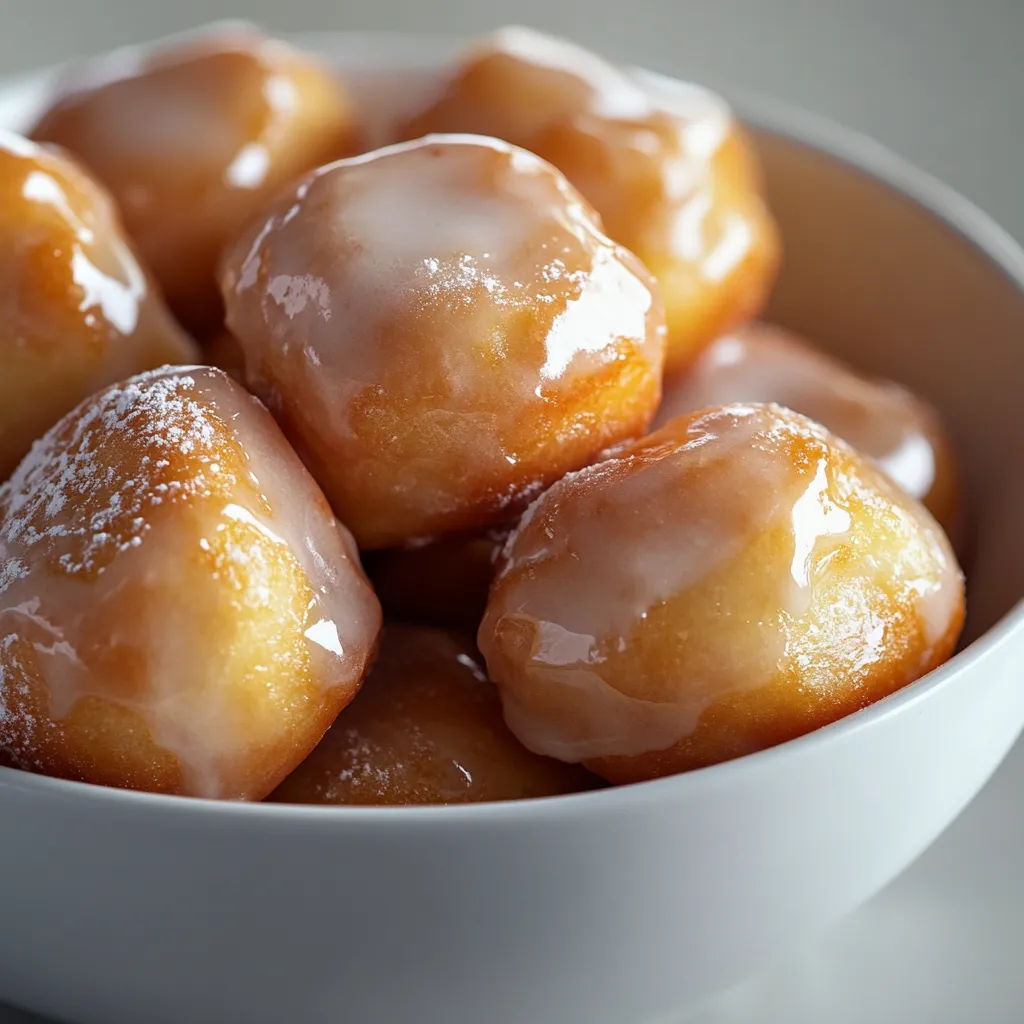
Glazed Buttermilk Beignets Recipe: Irresistibly Sweet Delights
Introduction
Beignets are an iconic treat cherished in many cultures, particularly celebrated in New Orleans, where they are often served dusted with powdered sugar and paired with a warm cup of chicory coffee. The allure of these pillowy, deep-fried pastries lies in their soft texture and slightly sweet flavor, making them a favorite for breakfast or dessert. Among the various types of beignets, glazed buttermilk beignets stand out as truly indulgent delights, offering a unique twist on the classic version with a rich, sweet glaze that elevates their flavor and presentation.
Homemade glazed buttermilk beignets skillfully recreate the joy of this beloved treat in the comfort of your own kitchen. There’s something special about preparing these delights yourself: the aroma that fills your home, the thrill of frying dough, and the satisfaction of biting into a warm, fluffy beignet drizzled with glaze. While store-bought versions might tempt you, the homemade variety brings freshness, quality, and, most importantly, love into each bite, making them incomparable.
Recipe Overview
– Total Time: 1 hour 15 minutes
– Prep Time: 30 minutes
– Yield/Servings: 12 beignets
– Difficulty: Not specified in the recipe
This recipe highlights the essentials of crafting delicious glazed buttermilk beignets by focusing on the techniques and methods necessary for a successful outcome.
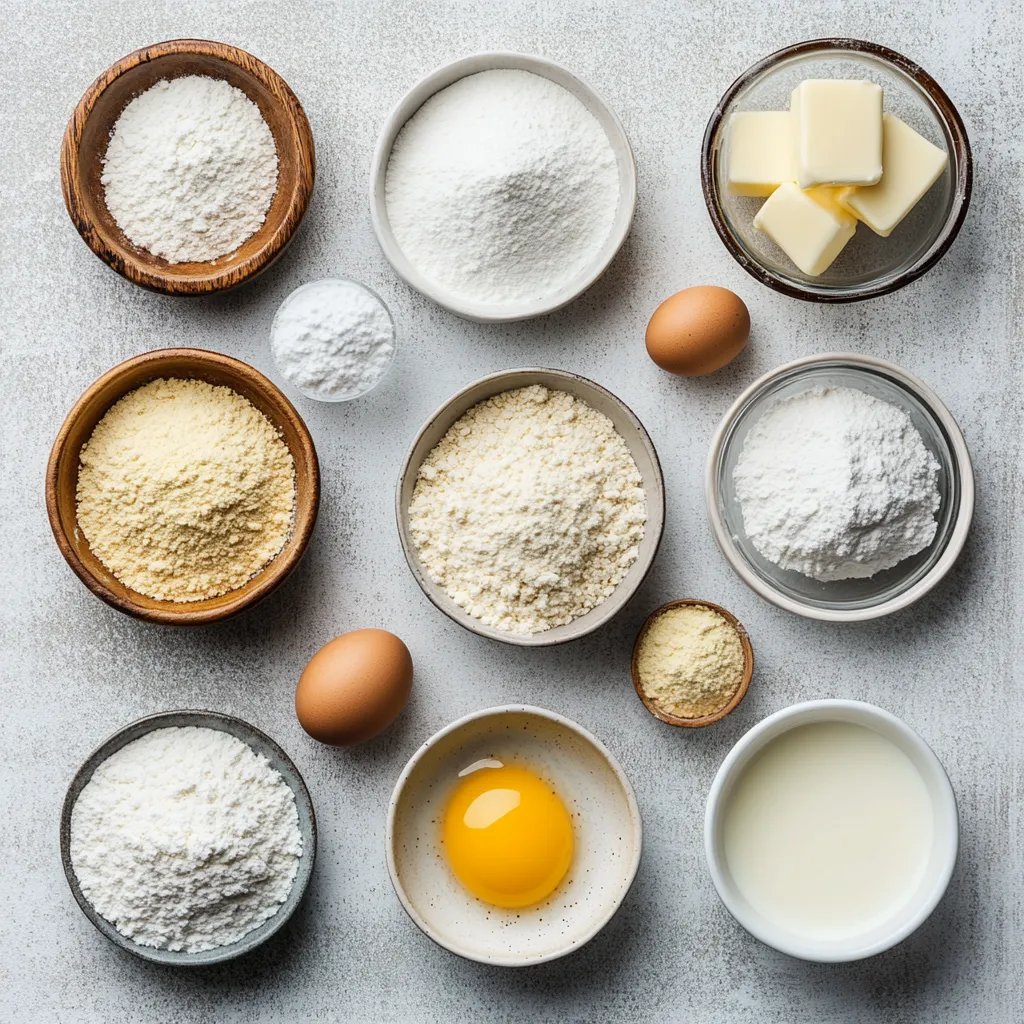
Ingredients
– 2 cups all-purpose flour
– 1/2 cup granulated sugar
– 1 tablespoon baking powder
– 1/2 teaspoon baking soda
– 1/2 teaspoon salt
– 1/2 teaspoon ground nutmeg
– 1/2 cup buttermilk
– 2 large eggs
– 4 tablespoons unsalted butter, melted
– Vegetable oil (for frying)
– 1 cup powdered sugar (for glazing)
– 2 tablespoons milk (for glazing)
– 1 teaspoon vanilla extract (for glazing)
The combination of these ingredients creates the perfect blend of flavors and textures that make glazed buttermilk beignets utterly irresistible. Each component plays a vital role in achieving the right balance, from the flour providing structure to the buttermilk contributing to a moist and fluffy crumb.
Instructions
1. In a large mixing bowl, combine the all-purpose flour, granulated sugar, baking powder, baking soda, salt, and ground nutmeg. Whisk together until all dry ingredients are evenly incorporated.
2. In a separate bowl, whisk together the buttermilk, eggs, and melted unsalted butter until the mixture is smooth and well-blended.
3. Gradually pour the wet mixture into the dry ingredients, stirring gently. Mix until just combined; it’s perfectly fine if the batter remains slightly lumpy. Avoid overmixing to ensure fluffy beignets.
4. Cover the bowl with plastic wrap and refrigerate the dough for at least 30 minutes. This resting period helps the dough firm up, making it easier to handle.
5. In a deep skillet or pot, heat about 2 inches of vegetable oil to a temperature of 350°F (175°C). Use a thermometer for accuracy to ensure perfect frying.
6. On a lightly floured surface, roll out the chilled dough to a thickness of about 1/2 inch. Cut into squares or circles using a sharp knife or a biscuit cutter.
7. Carefully drop the beignet pieces into the hot oil, frying them in small batches to prevent overcrowding. Fry for approximately 2-3 minutes on each side, or until they are a beautiful golden brown.
8. Once cooked, remove the beignets from the oil with a slotted spoon and transfer them to a plate lined with paper towels to absorb any excess oil.
9. To prepare the glaze, whisk together the powdered sugar, milk, and vanilla extract in a small bowl until smooth and creamy.
10. While the beignets are still warm, dip each one into the glaze, allowing any excess to drip off before placing them on a wire rack to set.
11. Serve the beignets warm for the best experience, and enjoy these irresistible sweet delights!
Tools and Equipment
To successfully create these glazed buttermilk beignets, certain kitchen tools and equipment are essential. A deep skillet or pot is crucial for frying, allowing you to control the temperature of the oil and achieve that much-desired golden color. It’s recommended to use a thermometer to measure oil temperature accurately; this ensures that your beignets fry evenly and develop the perfect crispy exterior while remaining fluffy inside.
A set of mixing bowls will be necessary, one large for combining dry ingredients and one for whisking your wet ingredients. A sharp knife or biscuit cutter also plays a significant role in cutting the dough into perfect shapes, resulting in aesthetically pleasing beignets.
Preparation Steps
The preparation of beignets requires careful attention to detail to ensure a delightful outcome. First and foremost, properly mixing the dry ingredients before introducing the wet components is critical. This practice helps to achieve a consistent texture throughout the dough.
Refrigerating the dough after mixing is a vital step that shouldn’t be overlooked. This resting period allows the gluten in the flour to relax, making the dough more pliable and easier to handle. Additionally, chilling the dough enhances the overall structure of the beignets, ensuring they rise beautifully while frying.
Throughout the rest of the process, handling the dough gently and avoiding excessive mixing creates fluffiness that is characteristic of a great beignet. Following the given instructions step by step will lead you toward producing a batch of warm, sweet delights perfect for sharing with family and friends.
Frying Techniques
Frying beignets requires finesse and knowledge of proper frying methods to achieve that coveted golden color and delightful crispiness. Maintaining the oil temperature at around 350°F (175°C) is essential; too hot, and the beignets may burn on the outside while remaining raw inside; too cool, and they might absorb excess oil, resulting in greasiness.
Frying in small batches allows for more control and ensures that each beignet gets ample room to puff and float freely in the hot oil. This technique not only helps achieve an even fry but also prevents the temperature of the oil from dropping too drastically, which could compromise the texture and flavor of your creations. Observing these frying techniques throughout the process will be pivotal to crafting the ideal glazed buttermilk beignets.
Glazing Process
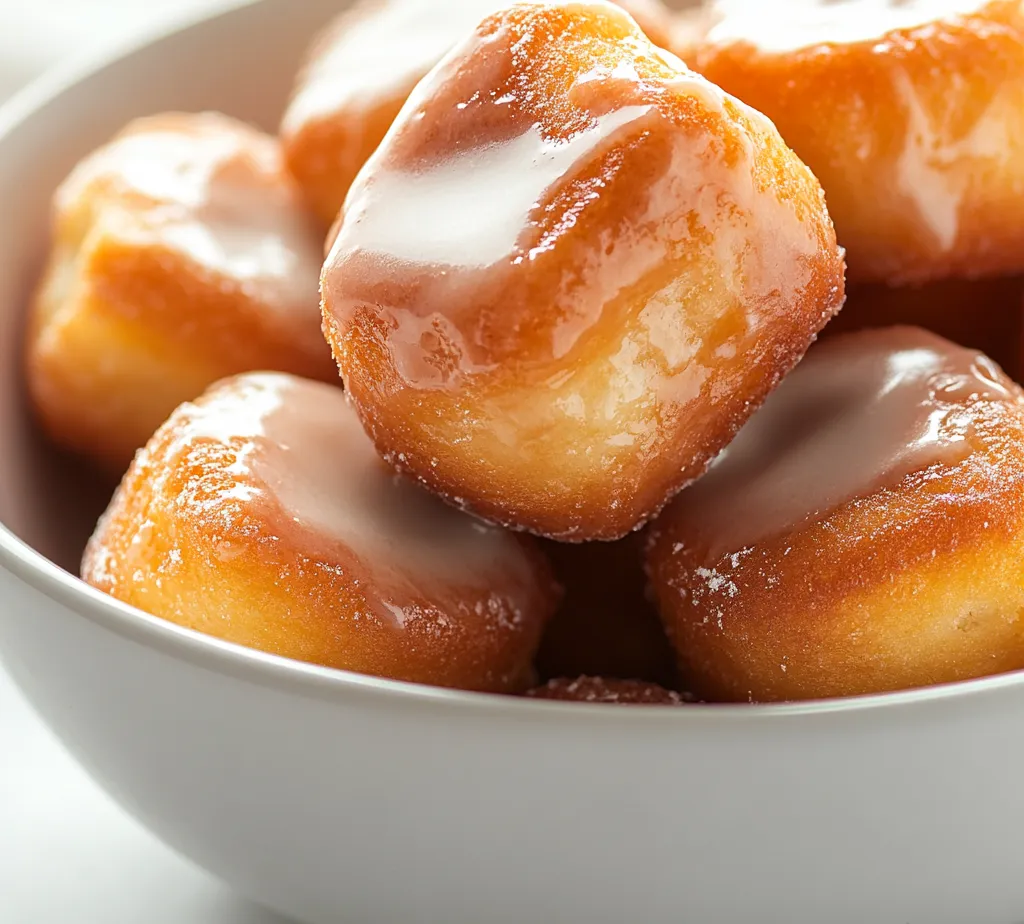
Crafting the perfect glaze is essential for achieving that signature sweetness and texture that make glazed buttermilk beignets truly irresistible. The combination of powdered sugar, milk, and vanilla extract creates a smooth, glossy coating that enhances the overall flavor profile.
To achieve the ideal consistency, start by ensuring your powdered sugar is finely sifted to eliminate any lumps. In a medium-sized mixing bowl, combine 1 cup of powdered sugar with 2 tablespoons of milk and 1 teaspoon of vanilla extract. Whisk the ingredients together until smooth. If the glaze is too thick, gradually add a bit more milk, a teaspoon at a time, until you reach a pourable consistency. Conversely, if it’s too thin, add a little more powdered sugar to achieve the desired thickness.
Dipping the beignets while they are still warm is crucial for optimal adhesion. The heat from the beignets allows the glaze to set beautifully as they cool, resulting in a perfect sheen. To dip, hold each beignet by the edges and gently dunk the top half into the glaze. Allow any excess to drip back into the bowl before placing on a wire rack. This method not only coats the beignet evenly but also enhances the overall sweetness of each bite.
Serving Suggestions
When considering how to serve glazed buttermilk beignets, creativity can elevate the presentation and flavor variety. For a classic touch, arrange the warm beignets on a decorative serving plate and dust with additional powdered sugar to enhance their visual appeal. Pairing with fresh fruits such as strawberries, raspberries, or blueberries adds a refreshing contrast to the rich sweetness of the beignets, contributing both flavor and color to the dish.
For an understated yet pleasing addition, consider offering a selection of dipping sauces. Chocolate sauce or raspberry coulis can offer a delightful twist—simply provide small bowls with these sauces alongside the beignets for guests to enjoy. For a more decadent experience, make a chocolate glaze by incorporating cocoa powder into the powdered sugar and milk mixture, or experiment with a coffee-infused glaze for a buzz of caffeine.
For those looking to incorporate additional textures, serving beignets alongside a dollop of whipped cream or a scoop of vanilla ice cream can transform them into a richer dessert experience, ideal for celebrations or indulgent brunches.
Storage and Reheating Tips
Storing glazed buttermilk beignets properly is paramount to maintaining their freshness and texture. If you have leftovers, place them in an airtight container and store them at room temperature for up to two days. Keeping them in the fridge can lead to a loss of fluffiness and make the beignets denser.
For reheating, the oven is the best method to revive the beignets while preserving their delightful texture. Preheat your oven to 350°F (175°C) and place the beignets on a baking sheet lined with parchment paper. Heat for about 5-7 minutes or until warmed through. This method retains the crispness on the outside while ensuring the inside remains fluffy.
If you wish to freeze the beignets for longer storage, ensure they are completely cooled before placing them in a freezer-safe bag. They can be frozen for up to three months. When ready to enjoy, transfer them to the refrigerator overnight for gradual thawing. After they have thawed, reheat in the oven for the best results.
Variations and Customizations
Exploring potential variations can make glazed buttermilk beignets suitable for a wider audience or to accommodate dietary preferences. For a gluten-free version, consider using a gluten-free all-purpose flour blend that includes xanthan gum, which will help mimic the elasticity and structure of traditional wheat flour. Be sure to check that all other ingredients, including baking powder and extracts, are gluten-free.
Flavor diversity in the glaze is another avenue for personalization. You could incorporate flavored extracts, such as almond or maple, in place of vanilla to create a unique twist. Infusing the glaze with chocolate, by mixing in unsweetened cocoa powder, leads to a rich and indulgent variation—perfect for chocolate lovers. Seasonal adaptations can also be fun; for example, adding cinnamon or pumpkin spice to the batter or glaze for a fall-inspired treat.
Additionally, consider experimenting with fillings. Before frying, you could pipette fruit jams or custards into the dough using a pastry bag, allowing for delightful surprises with each bite of beignet.
Nutritional Information
While glazed buttermilk beignets are a sugary indulgence, understanding their nutritional content can inform a balanced approach to enjoying these treats. The primary ingredients contribute to their caloric makeup, with all-purpose flour and sugar being significant sources of carbohydrates.
Typically, one beignet may contain around 150-200 calories, depending on the size and additional toppings. It’s important to serve them in moderation as part of a balanced diet. Pairing with fresh fruits, or even serving as part of a wider brunch spread with protein and healthy fats, can help offset the sweetness and provide a more balanced meal experience.
Consider keeping portion control in mind when serving these delightful beignets to ensure that indulgence does not lead to overconsumption. Enjoying glazed buttermilk beignets as an occasional treat can provide satisfaction without compromising dietary goals.
Conclusion
Glazed buttermilk beignets present a delightful combination of sweetness and fluffiness, highlighted by their warm, inviting texture. With a preparation and cooking time of around 1 hour and 15 minutes, these treats can easily become a cherished staple in any dessert rotation, perfect for any occasion or simply as a delightful indulgence. Their versatility in serving and customization options further enhances their appeal.
Glazed Buttermilk Beignets Recipe: Irresistibly Sweet Delights
Ingredients
- 2 cups all-purpose flour
- ½ cup granulated sugar
- 1 tablespoon baking powder
- ½ teaspoon baking soda
- ½ teaspoon salt
- ½ teaspoon ground nutmeg
- ½ cup buttermilk
- 2 large eggs
- 4 tablespoons unsalted butter melted
- Vegetable oil for frying
- 1 cup powdered sugar for glazing
- 2 tablespoons milk for glazing
- 1 teaspoon vanilla extract for glazing
Instructions
- In a large mixing bowl, combine flour, sugar, baking powder, baking soda, salt, and nutmeg.
- In a separate bowl, whisk buttermilk, eggs, and melted butter until smooth.
- Gradually pour the wet mixture into the dry ingredients, stirring gently until just combined.
- Cover the bowl with plastic wrap and refrigerate the dough for at least 30 minutes.
- Heat vegetable oil in a deep skillet to 350°F (175°C).
- On a floured surface, roll out the dough to ½ inch thick and cut into squares or circles.
- Fry the beignet pieces in small batches for 2-3 minutes on each side until golden brown.
- Remove beignets from oil and place on paper towels to absorb excess oil.
- Whisk together powdered sugar, milk, and vanilla extract for the glaze.
- Dip warm beignets into the glaze and place on a wire rack to set.