
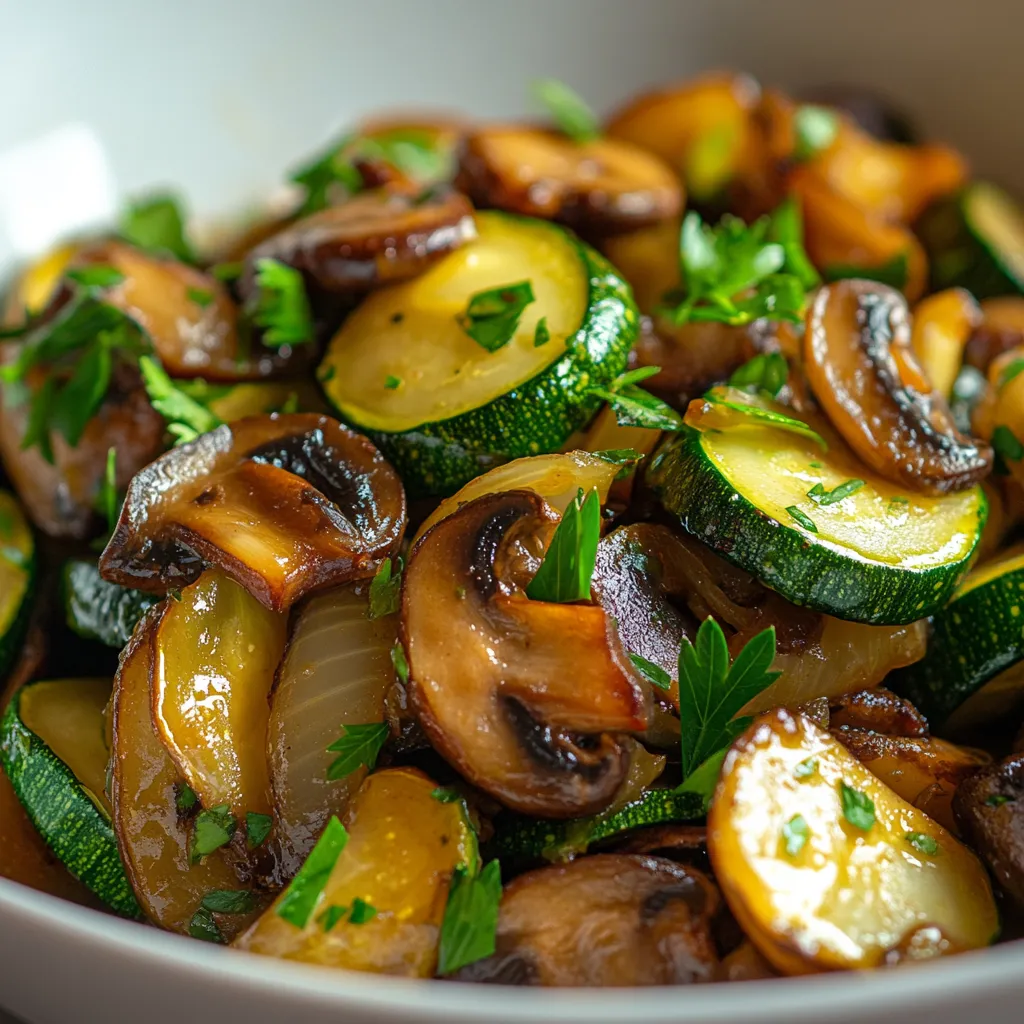
Quick and Flavorful Sautéed Zucchini, Mushrooms, and Onions
Introduction
Sautéed zucchini, mushrooms, and onions present a harmonious combination of flavors and textures. This dish is celebratory of the season’s finest produce, combining vibrant green zucchinis, earthy mushrooms, and sweet onions, resulting in a dish that is both comforting and healthful. The technique of sautéing ensures that each vegetable retains its unique character while absorbing the delightful nuances of their collective cooking.
Perfect as a side dish, this sauté not only provides a burst of color on your plate but also infuses a feast of taste without overwhelming your palate. Whether served alongside grilled meats, as a component of a hearty grain bowl, or simply enjoyed on its own, this dish is versatile enough to fit various meal occasions, adding both nutrition and flavor to your dining experience.
Recipe Overview
– Total Time: 20 minutes
– Prep Time: 10 minutes
– Servings: 4
– Difficulty: Not specified in the recipe
Dish Description
This sautéed dish brings together sliced zucchini, mushrooms, and onions that are cooked to tender perfection, infused with the aroma of garlic and thyme. The optional drizzle of balsamic vinegar adds depth and a touch of acidity, balancing the sweetness from the sautéed onions and the richness of the mushrooms. The gentle cooking method maintains a slight crunch in the zucchini, making it an inviting choice for vegetable lovers.
Serving Suggestions
Sautéed zucchini, mushrooms, and onions make an excellent side dish to accompany various main courses. They can be served warm, providing a comforting addition to each plate. For a complete and satisfying meal, consider pairing these sautéed vegetables over a bed of rice or quinoa, transforming it into a refreshing bowl meal. They also can serve as a nuanced topping for grilled chicken or fish, integrating beautifully into a myriad of dishes.
Ideal Pairings
This dish pairs wonderfully with grilled proteins such as chicken, steak, or fish, enhancing the meal with fresh vegetable flavors that complement the main components. Additionally, consider serving it alongside legumes like chickpeas or lentils for a hearty vegetarian option, or include it in a pasta dish, creating a balanced and colorful plate that celebrates seasonal produce.
Ingredients
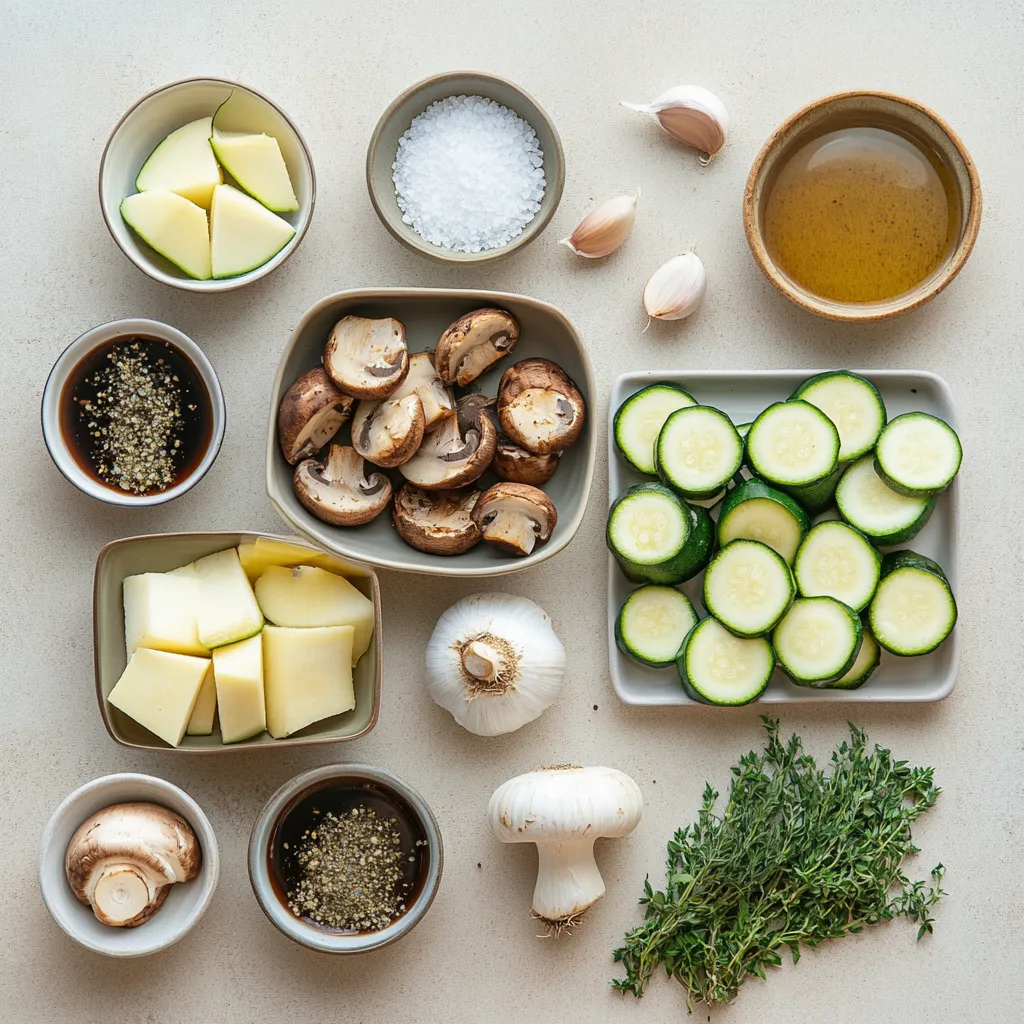
– 2 medium zucchinis, sliced into half-moons
– 1 cup mushrooms, sliced (button or cremini varieties)
– 1 medium onion, thinly sliced
– 2 tablespoons extra virgin olive oil
– 2 cloves garlic, finely minced
– 1 teaspoon dried thyme (or 1 tablespoon fresh thyme, finely chopped)
– Salt and freshly ground black pepper, to taste
– 1 tablespoon balsamic vinegar (optional, for added depth)
– Fresh parsley, finely chopped (for garnish)
Zucchini
Zucchini forms the base of this dish, providing a light and fresh element. When choosing zucchinis, opt for firm specimens without blemishes for the best texture and flavor. Their mild taste and moist interior make them ideal for sautéing, as they absorb seasonings beautifully while ensuring a tender bite.
Mushrooms
Sliced mushrooms, whether you choose button or cremini varieties, inject a rich, umami flavor that perfectly balances the sweetness of the onions and the freshness of the zucchini. The moisture released during the sautéing process enhances the overall dish, making the mushrooms an essential component for achieving depth in taste.
Onion
Onions play a pivotal role in flavor development. The sweetness of the onion is brought out through the cooking process, transforming them from sharp to subtly sweet as they tenderize. Their delicate rings not only provide essential flavor notes but also add visual appeal to the dish.
Olive Oil
Extra virgin olive oil serves as the foundation for sautéing these vegetables, adding a healthy fat component that assists in even cooking and deep flavor extraction. Its distinct taste brings a fruity note that binds the dish together seamlessly.
Garlic
Garlic is a flavor powerhouse and, when finely minced, releases its aromatic qualities beautifully during cooking. Just the right amount elevates the entire dish without overpowering the other ingredients, ensuring a perfect balance.
Thyme
Thyme, whether fresh or dried, introduces an earthy note to the sauté, harmonizing with the other flavors. Its aromatic oils release during cooking, providing a subtle, herbal background that rounds out the overall profile of the sautéed vegetables.
Seasonings
Salt and freshly ground black pepper are essential seasonings that allow the natural flavors of the vegetables to shine through. Adjusting these according to taste enhances the dish while allowing each ingredient’s qualities to emerge.
Balsamic Vinegar
An optional addition for those looking to enhance the dish’s complexity, balsamic vinegar provides a sweet tangy finish that can elevate the sautéed vegetables, marrying the flavors into a delightful medley.
Fresh Parsley
Final touches of finely chopped fresh parsley not only add a pop of color but also a fresh herbal note, brightening the dish as a garnish. This simple addition can elevate the presentation and flavor, making the dish even more appealing.
Preparing the Vegetables
Washing the Zucchini
Begin your preparation by washing the zucchinis thoroughly under running water. This step is crucial to remove any dirt or pesticides. Pat them dry before proceeding to slice, ensuring that moisture does not affect the cooking process.
Slicing Techniques for Zucchini
Slice the prepared zucchinis into half-moons. This technique ensures uniform pieces that cook evenly. Aim for a consistent thickness, as this will prevent some pieces from being overcooked while others remain underdone, ensuring a harmonious texture throughout.
Cleaning and Slicing Mushrooms
Mushrooms need special attention; they should be cleaned gently with a damp cloth or soft brush to remove dirt without soaking them in water, which can make them soggy. After cleaning, slice them evenly to match the zucchini’s half-moon shape, fostering an attractive presentation when sautéed.
Preparing the Onion
For the onion, thin slicing is key, allowing it to soften quickly during cooking. The delicate rings created from thin slicing add both texture and visual appeal to the finished dish. Ensure that the pieces are uniform for predictable cooking times and enhanced flavor distribution.
Heating the Oil
Choosing the Right Skillet
A large skillet is recommended for sautéing to provide sufficient space for the vegetables while allowing enough room for air circulation. This prevents steaming and promotes a beautiful caramelization of the ingredients, enhancing the overall flavor even further.
Identifying the Right Temperature
Heat the extra virgin olive oil over medium heat. The oil should shimmer without smoking, an indicator that it’s hot enough to begin cooking. This temperature allows for a thorough sauté, creating tender vegetables that are not burnt, ensuring the flavor remains intact while they soften.
Sautéing the Onions
Importance of the Sautéing Process
Sautéing is vital for developing flavor. The high heat allows the natural sugars in the vegetables to caramelize, transforming their flavors and making them more appealing. The process additionally contributes to the texture, making the ingredients fork-tender yet not mushy.
Cooking Time and Texture for Onions
Cook the onions for about 3 to 4 minutes until they soften and become translucent. This stage is critical as it sets the foundation for the other ingredients to follow, enhancing sweetness and releasing their inherent flavors.
Flavor Development During Sautéing
As the onions continue to cook, they begin releasing their moisture, which mingles with the olive oil. This process not only enhances their sweetness but also creates a rich base for the other vegetables, deepening the overall flavor profile of the dish as they caramelize.
Adding the Mushrooms
Incorporating the mushrooms alongside the onions allows for a synergistic development of flavors. The mushrooms will begin to soften during cooking and release their own moisture, further enriching the mix. Continue to sauté for an additional 3 to 5 minutes, stirring frequently to ensure even cooking and prevent sticking.
By meticulously following these steps, particularly focusing on the preparation and cooking techniques, you create a delightful sautéed side dish that highlights the natural beauty and flavors of your vegetables, ensuring a delicious outcome every time.
Types of Mushrooms Suitable for Sautéing
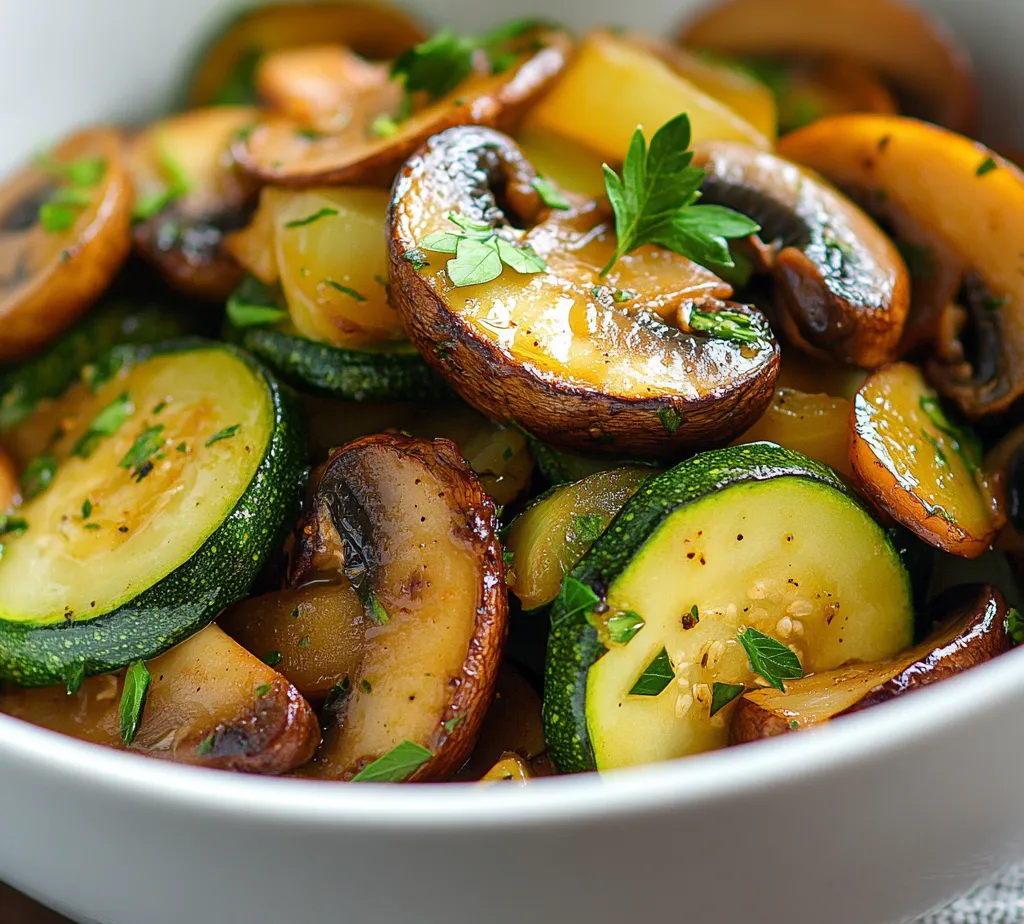
When preparing this sautéed dish, the choice of mushrooms plays a crucial role in flavor and texture. Button mushrooms are the most commonly used variety, known for their mild flavors and firm texture. Cremini mushrooms offer a richer flavor profile and a slightly denser texture, which can add depth to the overall dish. Shiitake mushrooms, although not as common, can also be used for their distinctive umami taste. Each of these mushrooms will hold up well in the sautéing process, providing a satisfying chew when cooked correctly.
Cooking Time for Mushrooms
Mushrooms generally require about 3 to 5 minutes of cooking time to achieve that perfect softness and to release their moisture. This time frame ensures that they caramelize slightly, enhancing their flavor without becoming mushy. If you prefer them with a little more bite, consider reducing the cooking time by a minute or two.
How Mushrooms Contribute to the Dish
Mushrooms are not just a filler in this recipe; they are a powerhouse of flavor. They provide earthy undertones, which compliment the mild zucchini and tangy onion. Their moisture content helps to infuse the dish with richness, creating a wonderful juxtaposition with the crispy zucchini. Furthermore, mushrooms are high in nutrients, including B vitamins, potassium, and antioxidants, making them a healthful addition.
Incorporating the Zucchini
Timing for Adding Zucchini
Zucchini should be added once the mushrooms are softened and the onions have become translucent. This timing ensures that the zucchini can cook enough to become tender, but still retain some of its crispness. Sautéing it for about 5 to 7 minutes allows for optimal cooking without overdoing it, preserving its delicate character.
Importance of Garlic in Flavoring
Garlic is a critical ingredient that rounds out the dish’s flavor. It adds a pungent, aromatic quality which enhances the entire vegetable medley. When sautéed, garlic becomes fragrant and slightly sweet, creating a wonderful aroma that fills your kitchen. When added in conjunction with the zucchini, it cooks gently, allowing its flavor to infuse the oil and permeate the other vegetables.
Achieving the Perfect Texture
The texture of the sautéed zucchini and mushrooms should balance between tender and crisp. To achieve this, cut the zucchini into even half-moon shapes to ensure even cooking. Sautéing over medium heat allows for proper caramelization without burning. Stir the vegetables gently to avoid breaking them down too much, allowing just enough space for them to brown slightly while keeping their structure.
Finished with Balsamic Vinegar
Benefits of Adding Balsamic Vinegar
Adding balsamic vinegar provides an additional layer of complexity to the dish. Its sweet and tangy profile enhances the natural flavors of the sautéed vegetables and makes them more vibrant. This small addition transforms the dish, allowing the different components to shine through while tying everything together.
Timing for Incorporation
Balsamic vinegar should be added towards the end of the cooking process, just after the zucchini has softened. This timing prevents the vinegar from losing its flavor during prolonged exposure to heat. By adding it last, you ensure that its acidity remains sharp and contrasts beautifully with the sautéed vegetables.
Balancing Flavors in the Dish
To achieve a well-rounded flavor, it is essential to balance the sweet acidity of balsamic vinegar with the natural sweetness of the onions and classically earthy flavors of mushrooms and zucchini. Adjust the level of seasoning with salt and pepper according to your taste, keeping in mind that the balsamic will add some inherent sweetness.
Garnishing and Serving
Role of Fresh Parsley in Presentation
Fresh parsley serves not only as a garnish but also as a flavor enhancer. Its bright, herbal notes contrast nicely with the richer flavors of the sautéed vegetables. Finely chopped parsley sprinkled over the dish just before serving adds a touch of color and freshness, making the dish visually appealing.
Plating Suggestions
For an elegant presentation, consider serving the sautéed vegetables in a large, shallow bowl. You can create a bed of fluffy rice or quinoa underneath to complement the dish, allowing the vibrant colors of the vegetables to contrast against a neutral background. A drizzle of olive oil and a sprinkle of freshly grated Parmesan can elevate the overall appearance and flavor.
Serving as a Side Dish or Main Course
This sautéed dish shines as both a side and a main course. As a side, it pairs beautifully with grilled chicken, fish, or steak, providing a nutritious and colorful accompaniment. When served over grains like quinoa or rice, it transforms into a hearty vegetarian meal that’s satisfying and provides a fulfilling combination of textures and flavors.
Quick Tips for Success
Choosing Fresh Ingredients
Selecting the freshest vegetables is the key to elevating this dish. Look for zucchinis that are firm and free of blemishes. Opt for mushrooms that are clean and plump. Fresh herbs, particularly parsley and thyme, can significantly enhance flavor and aroma.
Adjusting for Taste Preferences
Feel free to adjust the seasoning to your preference. If you enjoy a more robust flavor, consider adding a little more garlic or thyme. Alternatively, if you lean toward milder flavors, the recipe can easily accommodate less garlic or herbs.
Common Mistakes to Avoid
A common mistake is overcrowding the skillet, which can cause the vegetables to steam instead of sauté. Always ensure there is enough space for the vegetables to cook evenly. Additionally, be cautious with cooking times to avoid mushy vegetables; the aim is to achieve a tender yet crisp texture.
Storage and Reheating Suggestions
Best Practices for Storing Leftovers
Store any leftover sautéed vegetables in an airtight container in the refrigerator. They will maintain their quality for 2 to 3 days, although the texture may become softer over time. It’s best to consume them fresh, but proper storage helps prolong their usability.
Reheating Techniques to Maintain Texture
To reheat, use a skillet over medium heat for best results. Add a splash of olive oil and sauté gently until warmed through, which will help retain the crispy texture of the zucchini and mushrooms. Alternatively, you can use a microwave, but be cautious not to overheat, as this can lead to a soggy outcome.
Nutrition Information
Overview of Nutritional Benefits
The sautéed zucchini, mushrooms, and onions provide a host of nutritional benefits. Zucchini is low in calories and high in vitamins A and C, promoting skin health and immunity. Mushrooms offer essential nutrients like selenium and vitamin D, contributing to immune support. The olive oil used in the recipe is a healthy fat source, rich in antioxidants.
Caloric Breakdown
This dish is relatively low in calories, with an estimated total of around 150 calories per serving, making it a guilt-free addition to any meal. The vegetables contribute most of the bulk while remaining nutrient-dense.
Health Benefits of Key Ingredients
The array of vegetables used delivers fiber, promoting healthy digestion, while olive oil contains monounsaturated fats that are beneficial for heart health. Balsamic vinegar is known to contain antioxidants that can support overall health, making this a well-rounded dish.
Conclusion
The sautéed zucchini, mushrooms, and onions create a delightful medley of flavors, providing a perfect balance of tenderness and crispness. With a cooking time of just 20 minutes, this dish is not only quick to prepare but offers a refreshing burst of taste enhanced by aromatic herbs and a dash of balsamic vinegar. Enjoy it warm, whether as a vibrant side or a standalone meal, to experience a nutritious and satisfying addition to your dining table.
Quick and Flavorful Sautéed Zucchini, Mushrooms, and Onions
Ingredients
- 2 medium zucchinis sliced into half-moons
- 1 cup mushrooms sliced
- 1 medium onion thinly sliced
- 2 tablespoons extra virgin olive oil
- 2 cloves garlic finely minced
- 1 teaspoon dried thyme
- 1 pinch salt
- 1 pinch freshly ground black pepper
- 1 tablespoon balsamic vinegar
- 1 tablespoon fresh parsley finely chopped
Instructions
- Wash the zucchinis and slice them into half-moons.
- Clean and slice the mushrooms, and thinly slice the onion.
- Heat the olive oil in a large skillet over medium heat.
- Add the onions and sauté for 3 to 4 minutes until soft and translucent.
- Incorporate the mushrooms and sauté for an additional 3 to 5 minutes.
- Add the zucchini, garlic, thyme, salt, and pepper, and sauté for 5 to 7 minutes.
- If using, drizzle balsamic vinegar over the vegetables and stir well.
- Remove from heat and garnish with parsley before serving.