
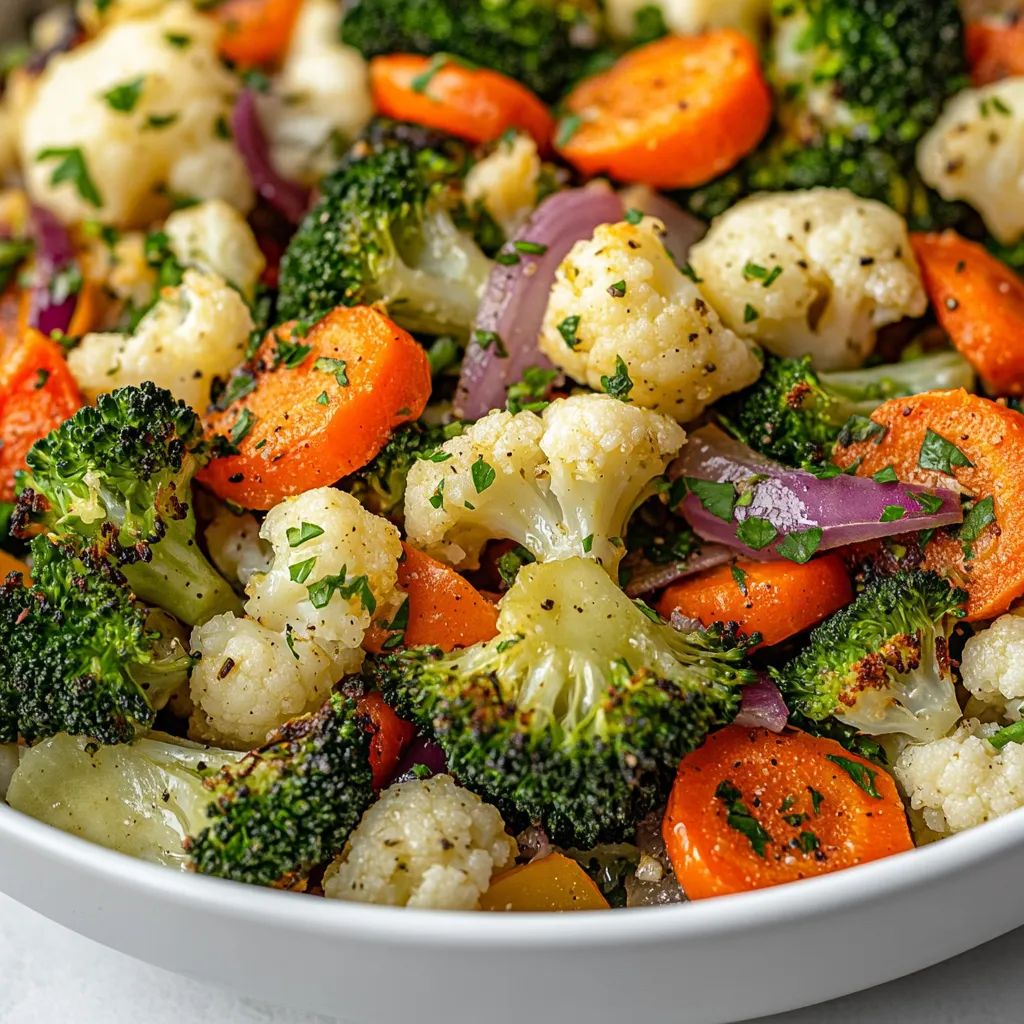
Savory Garlic Roasted Vegetables Delight Recipe
Introduction
Roasted vegetables are a culinary delight that transcends borders and cultures. Their versatile nature allows them to fit seamlessly into various cuisines around the world, whether you’re enjoying Mediterranean fare or hearty comfort foods. Using a medley of vegetables, roasting not only amplifies their natural flavors but also caramelizes their sugars, creating a delightful combination of savory and slightly sweet notes that are simply irresistible.
Among the many vibrant options available, Savory Garlic Roasted Vegetables Delight stands out with its vibrant medley of fresh produce. This dish features a colorful assortment of broccoli, cauliflower, carrots, bell peppers, and red onion, all infused with aromatic garlic and herbs. The result is a healthy and satisfying side that can elevate any meal, from casual family dinners to festive gatherings. The flavor profile is robust yet well-balanced, making it a perfect complement to grilled meats, pasta dishes, or even as a nutritious standalone dish.
Offering a multitude of benefits, this dish is packed with essential nutrients derived from the carefully selected vegetables. Each bite not only serves up deliciousness but also bolsters your overall health. Whether you are looking to serve this at a family meal or accompany it with your favorite protein, this recipe is sure to please.
Recipe Overview
– Total Time: 40 minutes
– Prep Time: 10 minutes
– Cook Time: 25 to 30 minutes
– Servings: 4
– Difficulty: Not specified in the recipe
Savory Garlic Roasted Vegetables Delight combines a variety of textures and flavors, making it both appealing and nutritious. The dish highlights key ingredients like fresh broccoli, cauliflower, and vibrant bell peppers, which contribute not only to the color but also to the nutritional profile of the dish. With its simplicity of preparation and wholesome ingredients, this recipe is perfect for a weeknight meal or a special occasion.
Roasted vegetables are not only bursting with flavor but also contribute to a healthy lifestyle. Broccoli and cauliflower are rich in vitamins and antioxidants, while carrots provide a touch of natural sweetness. The inclusion of bell peppers and red onions adds depth and complexity, making them ideal candidates for roasting. This dish is an excellent way to incorporate more vegetables into your diet, presenting them in a manner that is delicious and appealing.
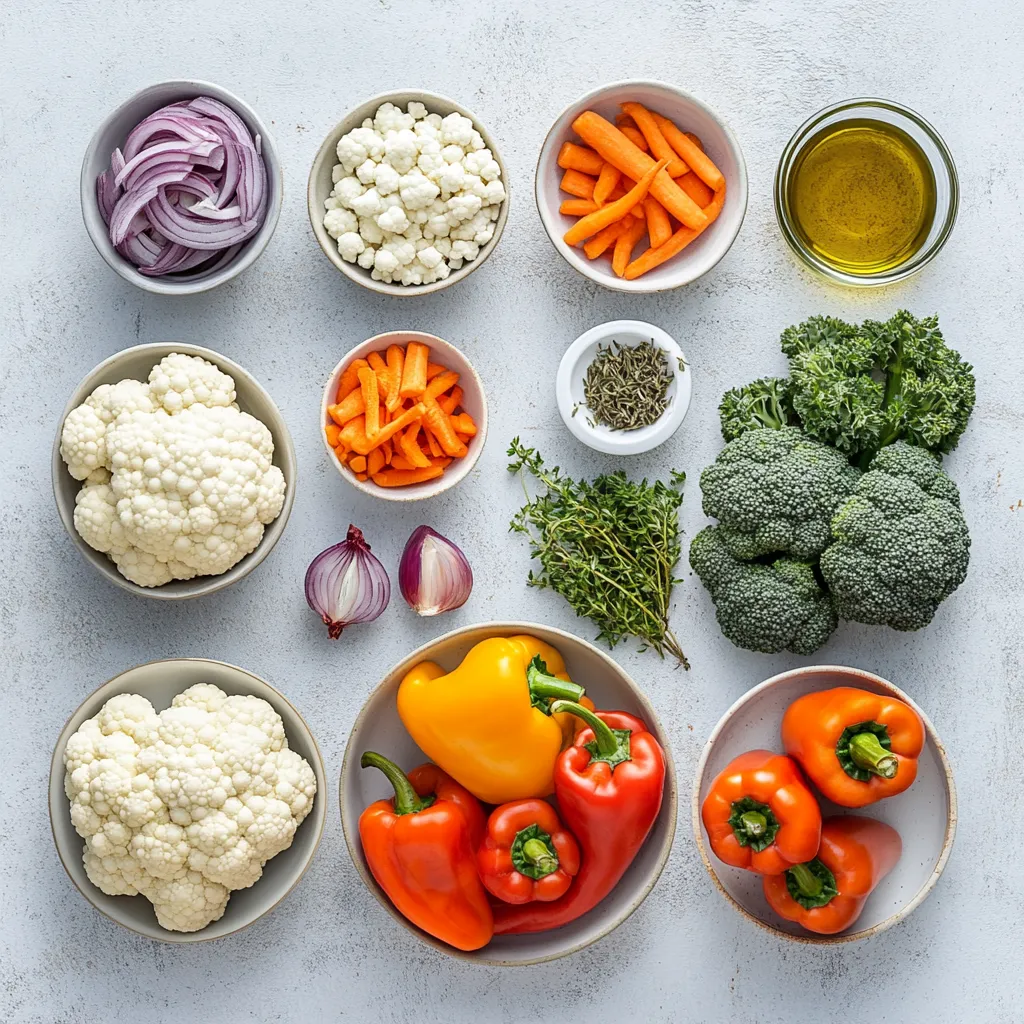
Ingredients
– 2 cups fresh broccoli florets
– 2 cups fresh cauliflower florets
– 1 cup carrots, sliced into rounds
– 1 cup bell peppers, diced (choose your favorite colors)
– 1 medium red onion, cut into wedges
– 4 cloves garlic, finely minced
– 3 tablespoons extra virgin olive oil
– 1 teaspoon dried thyme
– 1 teaspoon dried oregano
– Salt and freshly cracked black pepper to taste
– Fresh parsley, finely chopped (for garnish)
The key to a successful roasted vegetable dish lies in the careful selection of fresh ingredients. Each component plays a critical role, ensuring that the final result is both visually stunning and palatable.
Fresh broccoli florets provide a crisp texture and a wealth of nutrients, particularly vitamin C, vitamin K, and fiber. Cauliflower florets, similar in texture, bring a delicate flavor that complements the stronger notes of garlic and onions. Carrots, sliced into rounds, add sweet crunchiness, while bell peppers—available in a variety of colors—contribute not just flavor but also a pop of color to the dish. The red onion introduces a subtle sweetness when roasted, which works harmoniously with the garlic-infused oil.
Essential seasonings like salt and pepper elevate the flavors of these vegetables, while the dried thyme and oregano add an aromatic depth that is characteristic of many Mediterranean-inspired dishes. Minced garlic is crucial to this recipe, enhancing every bite with its robust essence.
Finally, the drizzle of extra virgin olive oil not only assists in the roasting process by ensuring that the vegetables caramelize beautifully but also brings additional health benefits, including healthy fats that support heart health. The use of freshly chopped parsley as a garnish not only adds a splash of color but also a refreshing herbal note, rounding out the dish’s flavor profile.
Instructions
1. Begin by preheating your oven to 425°F (220°C) to ensure it’s hot enough for roasting.
2. In a spacious mixing bowl, combine the broccoli florets, cauliflower florets, sliced carrots, diced bell peppers, and red onion wedges. Toss them gently to mix.
3. In a separate small bowl, whisk together the minced garlic, extra virgin olive oil, dried thyme, dried oregano, salt, and freshly cracked black pepper until well blended.
4. Drizzle the garlic and oil mixture over the assorted vegetables, then toss thoroughly to ensure every piece is evenly coated with the flavorful mixture.
5. Spread the seasoned vegetables in a single layer on a large baking sheet lined with parchment paper to prevent sticking.
6. Place the baking sheet in the preheated oven and roast the vegetables for 25 to 30 minutes. Stir halfway through the cooking time to ensure even roasting, until the vegetables are tender and exhibit a beautiful caramelized color.
7. Once roasted, remove the baking sheet from the oven and allow the vegetables to cool for a few minutes. Just before serving, sprinkle with freshly chopped parsley for a pop of color and freshness.
This step-by-step guide not only ensures that all vegetables are evenly coated, but also maximizes the flavor infused through the garlic and herbs. Each step is designed to maintain the integrity of the vegetables while enhancing their natural flavors during the roasting process. Roasting at high heat contributes to caramelization, creating a beautiful golden-brown finish that is both eye-catching and appetizing.
Preparation Steps
When prepping vegetables for this roasted dish, cleanliness and technique are vital. Start by washing the fresh produce thoroughly to remove any dirt or residues. For the broccoli and cauliflower, cut them into uniform florets to ensure even cooking. Carrots should be sliced into rounds of similar thickness, which will help them achieve similar roasting times as the other ingredients. Bell peppers, diced into bite-sized pieces, add not only color but also flavor variations depending on the type you choose.
After the vegetables are washed and cut, it’s important to mix them well in a mixing bowl. This initial blending is crucial as it allows for an even distribution of flavors, making every bite a harmonious combination of all ingredients.
Creating the garlic and oil mix is another essential step. Whisking the olive oil with the garlic and herbs helps emulsify the ingredients, combining their flavors effectively. Drizzling this mixture over the vegetables and tossing them ensures each piece is coated in the flavorful oil, allowing for vibrant and savory bites after roasting.
Roasting Process
Preheating the oven to 425°F (220°C) is an important first step in achieving perfectly roasted vegetables. This high temperature not only facilitates quick cooking but also promotes caramelization, lending an irresistible texture and flavor to the finished dish. By spreading the vegetables in a single layer across the baking sheet, you create an environment for even roasting. Stirring halfway through the cooking process ensures that all sides of the vegetables develop that desirable caramelized exterior, while remaining tender inside.
The roasting time can vary slightly based on your oven and the specific vegetables used, so it’s vital to keep an eye on them. They should be tender enough to pierce with a fork but should still retain a bit of crunch to provide a satisfying bite. Following these instructions will yield a beautifully roasted medley of vegetables that can enhance any meal enjoyed.
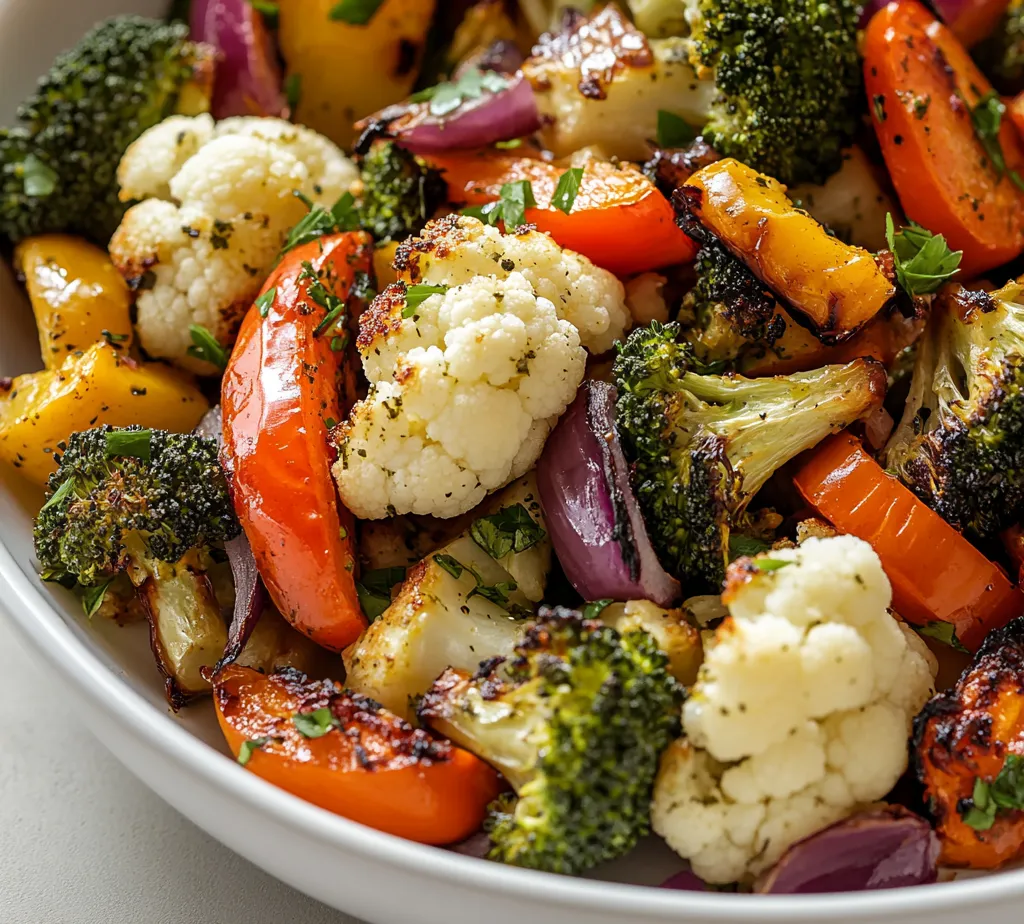
Spreading Vegetables on the Baking Sheet
When it comes to roasting vegetables, the way you arrange them on the baking sheet plays a crucial role in the cooking process. After coating your fresh vegetables with the garlic and olive oil mixture, it’s essential to spread them out evenly across the tray. This ensures that heat circulation occurs uniformly around each piece, preventing steaming and resulting in a delightful roast.
Lay the seasoned vegetables in a single layer to promote even cooking. Overcrowding the baking sheet can impede the caramelization process, as the vegetables will steam rather than roast. If you’re preparing a larger quantity, consider using two baking sheets or roasting in batches to guarantee the best possible outcome.
Importance of a Single Layer for Even Cooking
The significance of placing vegetables in a single layer cannot be overstated. When the vegetables are overlapping or stacked, they retain moisture, leading to a soggy texture instead of the desired crisp edges and tender interiors. By allowing enough space for air to circulate, each piece can roast evenly, developing a beautiful golden-brown exterior along with a tender inside.
As you prepare your baking sheet, make sure that there’s a little distance between each vegetable piece, allowing for optimal heat exposure. This technique is foundational for achieving the perfect roasted texture.
Baking Time and Stirring Midway
As stated in the recipe, the vegetables should roast for approximately 25 to 30 minutes at 425°F (220°C). Halfway through the cooking time, ensure to give the baking sheet a good stir. This mid-cooking turn not only helps in achieving even browning, but also allows for any potential sticking to be addressed.
Consider that oven variances can occur; some may run hot while others may not reach the desired roasting temperature. Thus, it’s advisable to check for doneness a few minutes early, particularly if you notice any signs of excessive browning before the timer goes off.
Monitoring the Cooking Process for the Best Texture
Monitoring your vegetables during the roasting process is pivotal to achieving the ideal texture. Quality roasting involves a careful balance between tenderness and caramelization. Look for changes in color, aroma, and texture as signs of cooking progress.
By largely focusing on visual cues, you can gauge whether your vegetables need more time in the oven or if they have reached the peak of deliciousness. Tasting a piece can also help determine if they are to your preference.
Texture and Doneness
Signs that Vegetables are Properly Roasted
The perfect roasted vegetable should exhibit slight charring around the edges while being tender when pierced with a fork. For broccoli and cauliflower, you want florets that hold their shape but perhaps have crispy tips. Carrots and bell peppers should also feel tender yet still retain a satisfying bite.
Describing Caramelization and Tenderness
Caramelization occurs when the natural sugars in the vegetables start to brown, enhancing flavor and adding depth to the dish. You’ll notice a sweet, nutty aroma and a beautiful golden color as the vegetables roast. Ideally, the end result should be a contrast of crispy outer edges with a soft, almost creamy interior, creating a harmony of textures with every bite.
Adjusting Cooking Time for Different Preferences
Culinary preferences can vary widely; if you prefer softer vegetables, extend the cooking time by 5 to 10 minutes, keeping a close eye to avoid burning. Conversely, those who enjoy a firmer bite may want to reduce the overall cooking duration slightly.
There is no one-size-fits-all approach, so trust your taste buds to guide the timing until you discover your favorite balance.
Serving Suggestions
Ideal Plating Techniques for Roasted Vegetables
For a captivating presentation, serve your roasted vegetables on a sizable platter. Arrange them with a mix of colors and textures, and consider layering them such that each vegetable achieves visual prominence. A light sprinkle of freshly chopped parsley adds vibrancy and freshness.
Complementary Dishes to Serve Alongside
These savory garlic roasted vegetables serve well as a side dish but can also enhance a variety of main courses. Pair them with grilled meats, fish, or tofu for a balanced meal. Additionally, they can accompany grains like quinoa, brown rice, or even creamy polenta, creating a delightful plate that satisfies all palates.
Suggested Mains, Grains, or Salads that Pair Well
Consider implementing these roasted vegetables into salads, where they could provide a warm component. A quinoa salad topped with the roasted mix, feta cheese, or avocado works particularly well. Additionally, a protein like grilled chicken or a hearty piece of salmon can elevate the overall meal.
Enhancing Flavors Just Before Serving
To elevate the flavor profile just before serving, drizzle a little extra virgin olive oil over the roasted vegetables for richness or a squeeze of fresh lemon juice for acidity and brightness. These final touches can elevate flavors and bring an added freshness to your dish.
Storage Tips
Best Practices for Storing Leftovers
If you have leftovers, allow the roasted vegetables to cool fully before transferring them to an airtight container. This small step ensures they maintain their texture and do not become soggy due to trapped steam.
Recommended Container Types for Freshness
Glass containers with tight-sealing lids are often considered the best choice for storing leftovers, preserving freshness longer than plastic alternatives. You can use plastic containers, but ensure they are labeled as microwave-safe if you plan to reheat them.
Reheating Methods to Preserve Texture
The best method for reheating roasted vegetables is in the oven. Preheat to 350°F (175°C) and reheat for about 10 minutes or until warmed through. This technique helps to restore some of the crispy texture. If using a microwave, do so in short 30-second intervals to avoid overheating and yielding mushy results.
Oven vs. Microwave: Pros and Cons
Reheating in the oven may take longer, but it retains the roasted texture better. Microwaving is quick and convenient but often results in soft vegetables. Choose based on your available time and texture preference.
Nutritional Benefits
Insights into the Health Benefits of Each Vegetable
The individual vegetables used in this recipe contribute diverse nutritional benefits. Broccoli and cauliflower are both celebrated for their high antioxidant content and ability to support overall health.
Broccoli and Cauliflower: Antioxidants and Vitamins
Broccoli, rich in vitamin C and K, supports immune function and bone health, while cauliflower offers impressive fiber content, aiding digestion.
Carrots: Beta Carotene and Vision Health
Carrots are an excellent source of beta-carotene, crucial for vision health and overall immunity.
Bell Peppers: Vitamin C and Immune Support
Bell peppers provide a significant dose of vitamin C, crucial for maintaining healthy skin and boosting the immune system.
Red Onion: Antimicrobial Properties
Lastly, red onions are packed with flavonoids, which have antimicrobial properties, assisting in promoting wellness.
Customization Options
Suggestions for Seasonal Vegetables
One of the advantages of this recipe is its adaptability. Feel free to substitute seasonal vegetables like zucchini, asparagus, or Brussels sprouts to keep the dish fresh throughout the year.
Adding Protein or Grains for a Complete Meal
For those looking to convert this side dish into a wholesome meal, consider adding chickpeas or cooked quinoa, making it more filling while maintaining a vegetarian profile.
Options Like Chickpeas or Quinoa
Chickpeas, when roasted alongside, add protein and an extra crunchy texture. Quinoa can be added during the final stages as a base to serve your vegetables on, tying together the entire dish.
Variations in Herbs and Spices for Different Flavor Profiles
Experimenting with herbs and spices can provide varied flavor profiles, perhaps swapping thyme and oregano for rosemary or adding a pinch of red pepper flakes for heat.
Conclusion
Savory Garlic Roasted Vegetables Delight beautifully balances taste and texture, making it a versatile addition to any meal. The vibrant colors and rich, caramelized flavors provide both visual appeal and a satisfying eating experience. With relatively straightforward preparation and cooking requirements, it’s an accessible yet nutritious dish suited for various occasions.
Savory Garlic Roasted Vegetables Delight Recipe
Ingredients
- 2 cups fresh broccoli florets
- 2 cups fresh cauliflower florets
- 1 cup carrots sliced into rounds
- 1 cup bell peppers diced
- 1 medium red onion cut into wedges
- 4 cloves garlic finely minced
- 3 tablespoons extra virgin olive oil
- 1 teaspoon dried thyme
- 1 teaspoon dried oregano
- to taste salt
- to taste freshly cracked black pepper
- to taste fresh parsley finely chopped
Instructions
- Preheat your oven to 425°F (220°C).
- In a mixing bowl, combine broccoli, cauliflower, carrots, bell peppers, and red onion. Toss gently.
- In a small bowl, whisk together garlic, olive oil, thyme, oregano, salt, and pepper.
- Drizzle the garlic mixture over the vegetables and toss to coat evenly.
- Spread the vegetables in a single layer on a baking sheet lined with parchment paper.
- Roast in the oven for 25 to 30 minutes, stirring halfway through.
- Remove from oven when tender and caramelized, and let cool for a few minutes.
- Sprinkle with chopped parsley before serving.