
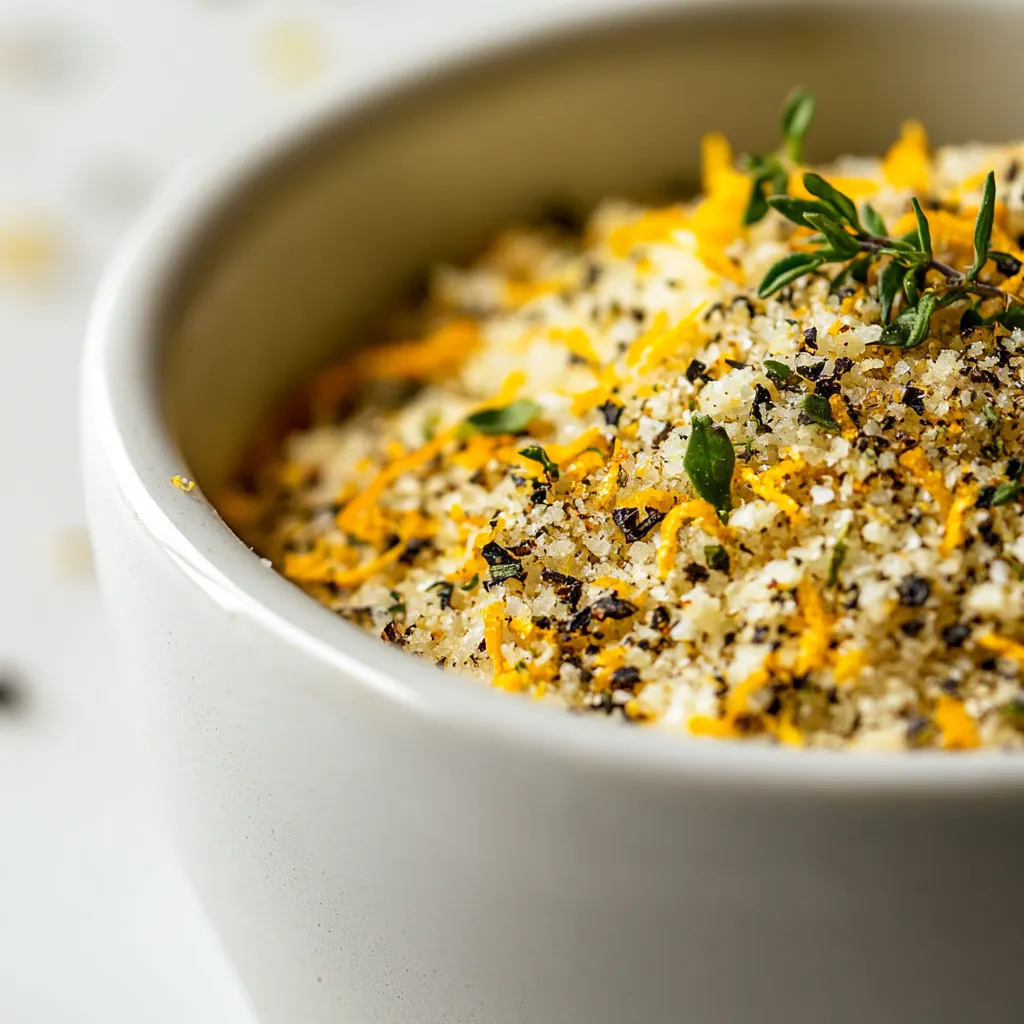
Zesty Homemade Lemon Pepper Seasoning Recipe
Introduction
Lemon pepper seasoning is a delightful blend that combines the vibrant taste of citrus with a kick of spice, making it an essential addition to many culinary creations. This zesty seasoning not only enhances the flavor of grilled meats, seafood, and roasted vegetables but also offers a unique twist when sprinkled on snacks like popcorn. Its versatility allows it to shine in various dishes, transforming ordinary meals into flavorful experiences.
The history of lemon pepper seasoning dates back to culinary traditions that appreciate the balance of warmth and tartness. As a seasoning that has gained popularity in various cuisines, it often appears in marinades and rubs, celebrated for its refreshing profile. Many home cooks are discovering the value of creating their own seasonings from scratch, as homemade blends provide fresher flavors and the freedom to customize based on personal taste preferences.
Using homemade seasonings such as this lemon pepper blend not only allows for control over ingredients but also helps avoid the preservatives and additives commonly found in store-bought options. Making your own gives an authentic touch to your dishes while fostering creativity in the kitchen.
Recipe Overview
– Total Time: 24 hours (including drying time)
– Yield: Approximately 1/2 cup
– Difficulty: Not specified in the recipe
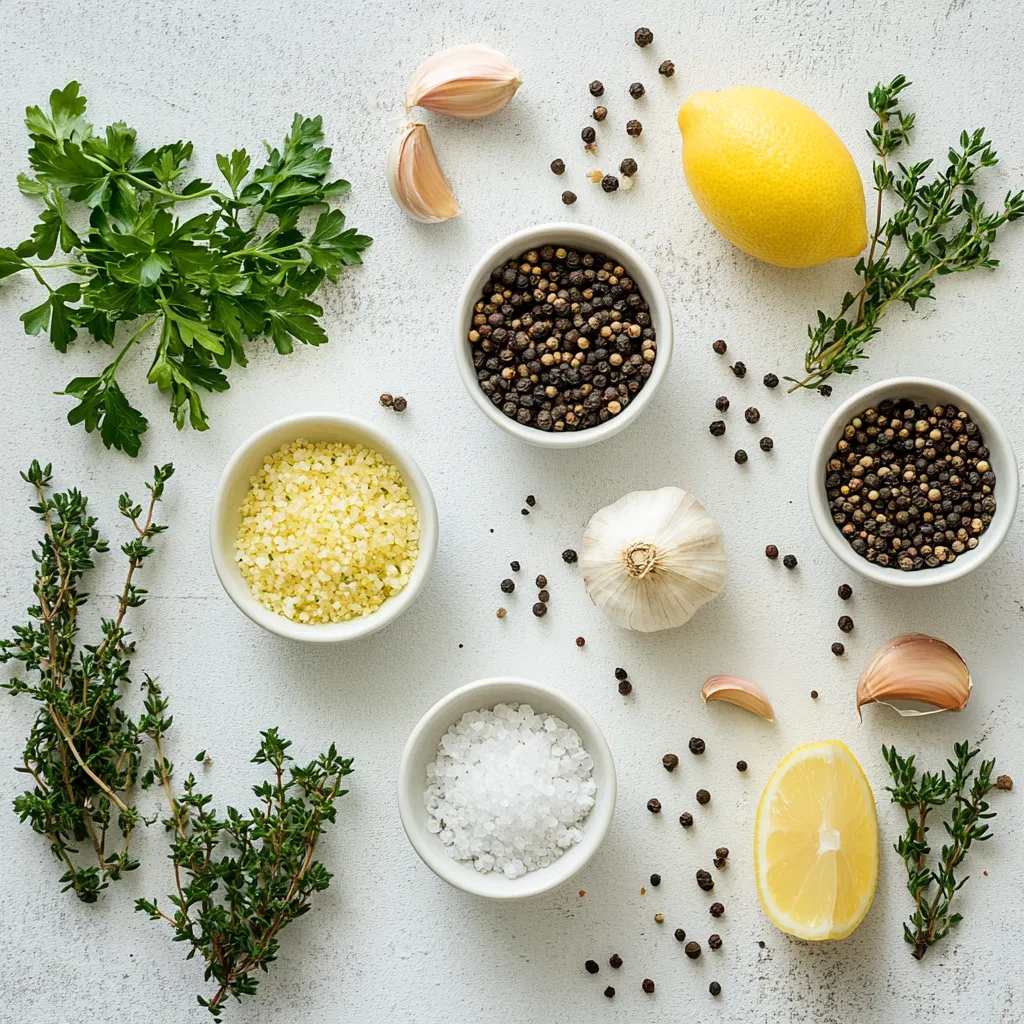
Ingredients
– 2 tablespoons dried lemon zest (from approximately 2-3 lemons)
– 1 tablespoon black peppercorns
– 1 tablespoon sea salt
– 1 teaspoon garlic powder
– 1 teaspoon onion powder
– 1 teaspoon dried thyme (optional)
– 1 teaspoon dried parsley (optional)
Instructions
1. Prepare the Lemon Zest: Start by thoroughly washing your fresh lemons. Using a microplane or a zester, carefully remove the zest, avoiding the bitter white pith underneath. Spread the zest evenly on a baking sheet lined with parchment paper. Allow it to air dry for about 24 hours, or for quicker results, dehydrate it in an oven set to its lowest temperature for 1-2 hours until completely dried.
2. Crack the Peppercorns: In a spice grinder or using a mortar and pestle, place the black peppercorns. Grind them to a coarse powder, adjusting the texture to your liking—whether you prefer a finer or coarser seasoning.
3. Combine Ingredients: In a small mixing bowl, add the dried lemon zest, ground black pepper, sea salt, garlic powder, onion powder, and, if desired, the optional thyme and parsley. Stir well to ensure all ingredients are evenly mixed.
4. Store the Seasoning: Carefully transfer your lemon pepper seasoning into an airtight container or a spice jar. Be sure to label the jar with the date and contents for easy reference.
5. Let It Rest: For optimal flavor, allow the seasoning to sit for at least 24 hours before using. This resting time will help the flavors meld together beautifully.
6. Usage Suggestions: Enhance your dishes with this homemade lemon pepper seasoning! It’s perfect for seasoning chicken, fish, roasted vegetables, or even sprinkling over popcorn for a delightful zesty touch.
Preparing the Lemon Zest
Selecting the right lemons is crucial for achieving flavorful zest. Look for firm, bright lemons with a smooth skin, as they will have more essential oils in their rind. After washing the lemons thoroughly to remove any pesticides or wax, use a microplane or a zester, being careful to avoid the bitter white pith underneath. The zest is the colored part of the rind, containing aromatic oils that bring a fresh lemon fragrance and flavor to the seasoning.
Once you’ve gathered the zest, it can be dried through air drying or by using your oven. For air drying, simply spread the zest evenly on a lined baking sheet and let it sit for approximately 24 hours. If you’re short on time, your oven can be employed by setting it to the lowest temperature and dehydrating the zest for about 1-2 hours. In either case, be sure that the zest is completely dry, which will prevent any moisture from compromising the seasoning.
Properly dried lemon zest should be brittle and easy to crumble. This step is vital, as moisture in your seasoning blend can lead to spoilage. Once prepared, the dried lemon zest will contribute a vibrant flavor profile and aroma that is essential in creating a delicious lemon pepper seasoning.
Grinding the Peppercorns
The selection of black peppercorns is essential for achieving the desired flavor intensity in your seasoning. Freshly ground peppercorns yield a robust flavor compared to pre-ground pepper, which tends to lose its aromatic qualities over time. To grind the peppercorns, you have several options. A spice grinder is an excellent choice for efficiently producing a fine or coarse powder depending on your preference.
If you don’t have a spice grinder, a mortar and pestle will also do the trick. This traditional tool enables you to manually crush the peppercorns, providing greater control over the texture. Regardless of your method, aim for a coarsely ground pepper that will complement the zest without overpowering it.
After grinding, it’s crucial to incorporate the freshly ground black pepper into the lemon zest mixture, as it elevates the seasoning’s overall flavor complexity. The resulting blend not only marries well with the citrus notes but also adds a welcomed spiciness that enhances various dishes.
In summary, this approach to creating lemon pepper seasoning celebrates the essence of fresh ingredients while allowing for customization according to personal flavor preferences. The combination of lemon zest and freshly ground black pepper creates a robust blend that can elevate your meals to another level of taste and enjoyment.
Manual Methods
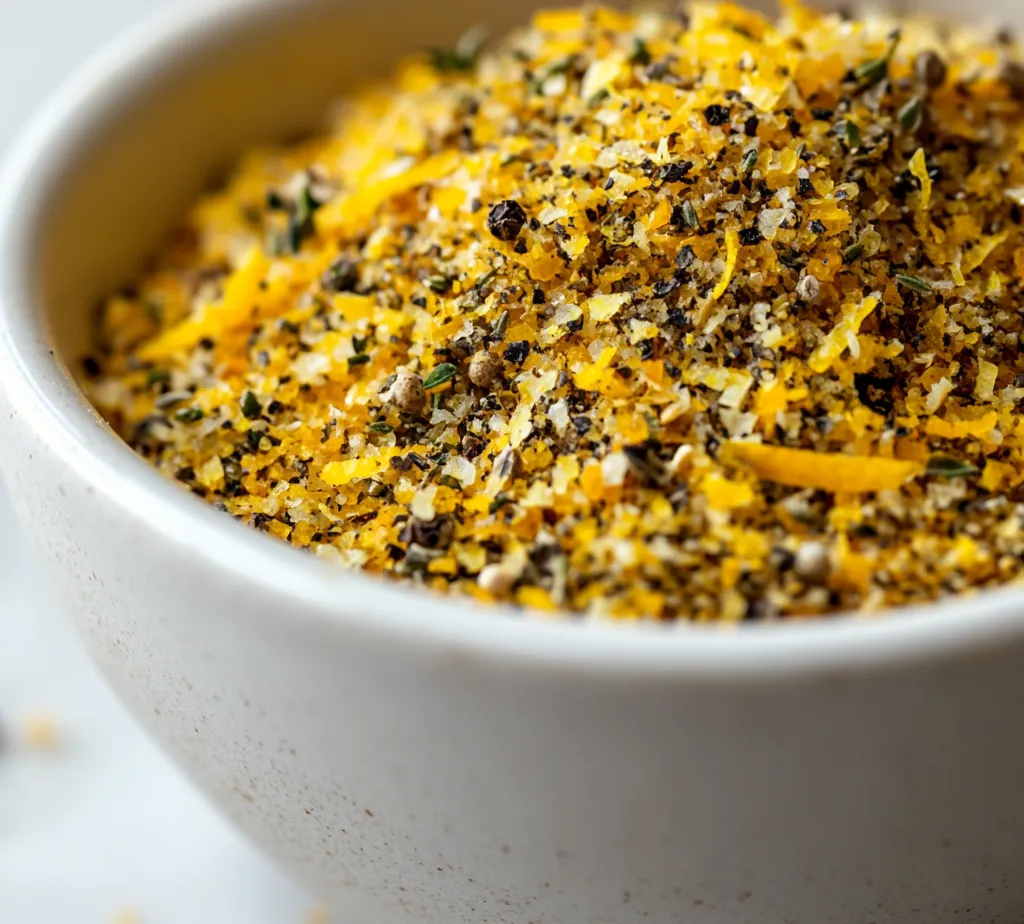
When it comes to grinding spices, the mortar and pestle are time-honored tools that impart a traditional touch to any cooking process. Utilizing a mortar and pestle allows for varying degrees of coarseness and texture, giving you control over how rough or fine your ground black pepper will be. This manual method involves placing the black peppercorns into the mortar, then using the pestle to grind in a circular motion. Depending on the pressure applied and the duration of grinding, you can achieve your preferred consistency.
If you’re new to using a mortar and pestle, begin with short bursts of grinding. This technique provides greater control and prevents over-grinding, which can render the pepper too fine for certain applications. The aroma released during this process is often more vibrant than that from an electric grinder, enhancing your cooking experience even more.
Texture Variations in Ground Black Pepper
Black pepper can be ground to various textures, each of which can significantly affect the flavor and impact of your lemon pepper seasoning. A coarse grind retains more of the pepper’s natural oils, providing a robust flavor profile that can stand out in dishes. A finer grind, on the other hand, integrates more seamlessly into your seasoning mix, delivering a more subtle peppery flavor throughout the dish.
For those looking for a unique flavor enhancement, consider creating a blend of textures. Mixing coarsely and finely ground black pepper in your lemon pepper seasoning can introduce varying taste experiences, adding depth and interest to your dishes.
Tips for Achieving Your Preferred Grind Size
Achieving your desired grind size is essential, as this can influence not just flavor but also the overall texture of your dishes. Here are some tips to consider:
– Start with small amounts of peppercorns to ensure even grinding.
– Shake the mortar gently while grinding to help disperse the peppercorns evenly.
– If using an electric grinder, experiment with short pulse bursts to avoid over-processing.
– Check the consistency frequently to ensure it meets your preferences.
Mixing the Ingredients
Importance of Proper Mixing for Flavor Balance
Ensuring that your lemon pepper seasoning is thoroughly mixed is crucial for achieving a well-balanced flavor. Each ingredient contributes to the overall taste experience, and uneven mixing can lead to inconsistent flavors. A well-combined seasoning blend not only prevents one flavor from overpowering another but also allows the unique characteristics of each component to shine through.
Techniques for Combining Dry Ingredients
When mixing your ingredients, consider using a whisk or a fork in a large bowl. This technique promotes optimal integration and prevents clumping, ensuring that the salt, lemon zest, and spices are uniformly distributed. Additionally, you may wish to sift your garlic and onion powders to avoid clumps that could create uneven flavor in the final seasoning.
Alternative Mix-Ins and Variations
While the core of the lemon pepper seasoning is delightful as is, you can play with alternative mix-ins to create unique variations. Consider adding a hint of smoked paprika for depth, or perhaps a touch of cayenne pepper for heat. If you enjoy sweeter flavors, a tiny amount of sugar can balance the acidity from the lemon zest.
Customizing with Other Herbs and Spices
Feel free to tailor your seasoning based on your culinary preferences. While thyme and parsley are excellent choices, other herbs like dill or oregano could complement the lemon zest beautifully. Experimentation can lead to delightful new flavors to enhance your cooking repertoire.
Storing the Seasoning
Ideal Containers for Spice Storage
The right storage container is critical to preserve the freshness of your lemon pepper seasoning. Airtight containers are ideal since they prevent moisture and air from diminishing the quality of your spices. Glass jars with tight-fitting lids are excellent options; not only are they reusable, but they also allow you to see the contents at a glance.
Labeling and Organization Tips for Longevity
Proper labeling is essential for keeping track of homemade seasonings. Mark each container with the name of the seasoning and the date it was prepared. This practice helps ensure that you use your blends while they are still fresh. Consider organizing your spices in a dedicated drawer or a devoted shelf to streamline your cooking process.
Recommendations for Optimal Storage Conditions
Store your lemon pepper seasoning in a cool, dark place, such as a pantry or cupboard. Heat and light can degrade the spices over time, leading to reduced flavor quality. Avoid storing spices near the stove where heat and humidity can affect them.
Allowing the Flavors to Meld
Explanation of the Resting Period’s Significance
The resting period plays a critical role in developing the flavor of your lemon pepper seasoning. Allowing your seasoning blend to sit for at least 24 hours provides time for the individual flavors to meld. This process creates a more uniform and harmonious taste, ensuring that no single ingredient overtakes the blend.
Impact of Time on Flavor Intensity
As the spices rest, the flavors not only blend but also deepen and intensify. The dried lemon zest, in particular, becomes more aromatic and flavorful, while the garlic and onion powders also soften, infusing the seasoning mix with balanced flavors. Consider making your seasoning ahead of time to fully enjoy its potential in your dishes.
Ideas for Making Ahead and Using Later
If you plan to use your lemon pepper seasoning regularly, consider preparing larger batches. This allows for having a readily available seasoning that can enhance your meals at a moment’s notice. Simply ensure that you store it appropriately, and it will keep well for several months.
Suggested Usage
Pairing Ideas for Lemon Pepper Seasoning
Lemon pepper seasoning works wonders with various dishes, particularly grilled and roasted meats and seafood. It beautifully complements chicken, elevating its natural flavors, and can add brightness to fish like salmon or tilapia.
Meat and Seafood Preparations
To incorporate your lemon pepper seasoning, consider massaging it into the skin of chicken before roasting, or creating a zesty rub for fish fillets. Its citrusy notes penetrate deliciously, leading to a flavorful dining experience.
Roasted Vegetable Enhancements
This seasoning can work wonders on vegetables as well. Toss your favorite vegetables, such as potatoes, asparagus, or zucchini, with lemon pepper seasoning before roasting. The heat brings out the vibrant flavors of lemon and pepper, turning plain veggies into a star side dish.
Creative Uses in Snacks and Appetizers
Beyond main dishes, you can also utilize lemon pepper seasoning in unique snacks. Sprinkle it over homemade popcorn for a refreshing twist, or combine it with olive oil as a dip for breads. The seasoning adds a gourmet touch to ordinary snacks, making them exciting and unforgettable.
Popcorn Seasoning Variations
For a delightful popcorn combination, consider mixing the lemon pepper seasoning with Parmesan cheese for a savory treat. Alternatively, toss it with melted butter and fresh herbs for a customized movie-night snack experience.
Optional Presentation Tips
Ideas for Gifting Homemade Seasoning
Homemade lemon pepper seasoning can make an excellent gift. Consider packaging it in small, decorative jars tied with twine or ribbon. Adding a personalized label will enhance the charm, and recipients will appreciate the thoughtful gesture.
Decorative Jar Suggestions for Aesthetic Appeal
Invest in eye-catching jars, such as vintage glass containers or modern spice jars with built-in shakers. Not only do they make your homemade seasoning visually appealing, but they also add an element of sophistication to your kitchen.
Pairing Your Lemon Pepper with Other Homemade Spices
Consider creating a small spice gift set by pairing your lemon pepper with other homemade seasonings. A blend of Italian herbs or a smoky barbecue rub can complement the lemon pepper, offering recipients a variety of flavorful options to enhance their cooking.
Culinary Benefits of Homemade Seasoning
Cost-Effectiveness of DIY Seasoning
Creating your own lemon pepper seasoning can be a cost-effective alternative to purchasing premade blends. Typically, store-bought seasonings contain fillers and are often sold at a premium price. By preparing your seasoning at home, you can save money while maximizing flavor without unnecessary additives.
Control Over Ingredient Quality and Flavor
When you make your own seasoning, you have complete control over the ingredients. This allows you to select high-quality spices that meet your taste preferences and dietary needs. You can also adjust the ratios to enhance particular flavors, ensuring that your final product is perfectly attuned to your palate.
Avoiding Preservatives and Artificial Additives
Commercial spice blends often come with preservatives and artificial flavors that can detract from the purity of the spices. Making your lemon pepper seasoning at home guarantees that you are using fresh, wholesome ingredients, ensuring a more authentic flavor profile without the need for additives.
Conclusion
Homemade lemon pepper seasoning delivers a perfect balance of zesty and savory flavors, elevating a variety of dishes. Its texture can vary based on personal preference, while the preparation and resting time ensures optimal flavor development. This seasoning not only enhances meals but also reflects the joy of creating in the kitchen.
Zesty Homemade Lemon Pepper Seasoning Recipe
Ingredients
- 2 tablespoons dried lemon zest
- 1 tablespoon black peppercorns
- 1 tablespoon sea salt
- 1 teaspoon garlic powder
- 1 teaspoon onion powder
- 1 teaspoon dried thyme
- 1 teaspoon dried parsley
Instructions
- Wash the lemons and remove the zest using a microplane or zester.
- Spread the zest on a baking sheet and air dry for 24 hours or dehydrate in the oven for 1-2 hours.
- Grind the black peppercorns to a coarse powder using a spice grinder or mortar and pestle.
- In a mixing bowl, combine the dried lemon zest, ground black pepper, sea salt, garlic powder, onion powder, thyme, and parsley.
- Mix well to ensure all ingredients are evenly combined.
- Transfer the seasoning to an airtight container or spice jar and label it.
- Let the seasoning rest for at least 24 hours before using.
- Use the seasoning to enhance chicken, fish, roasted vegetables, or popcorn.